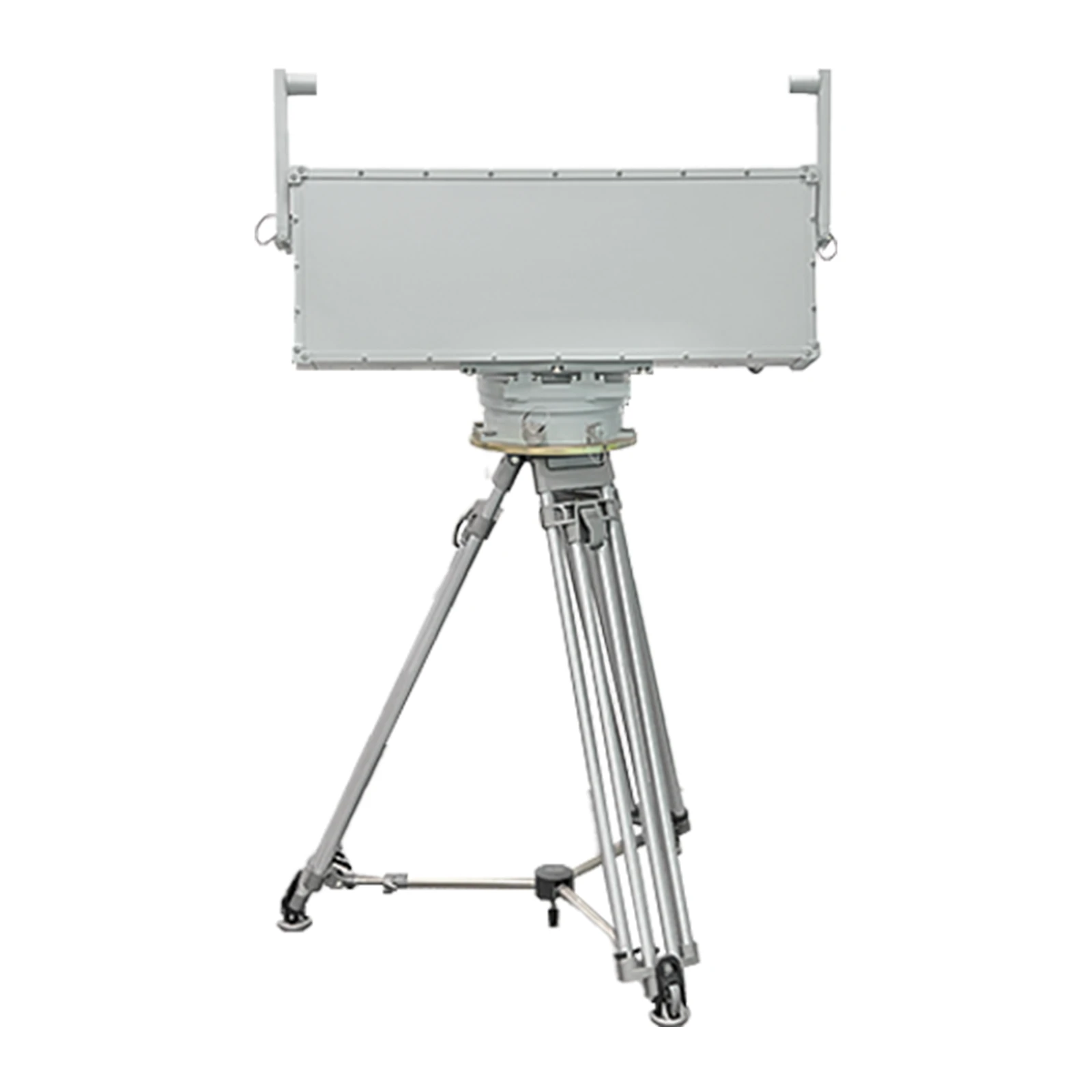
Advanced Wireless Connectivity Solutions with cyrf6936 module in Philippines

Empowering the Philippine archipelago with industrial-grade RF communication and high-performance transceiver technology for seamless data transmission.

Advanced Wireless Connectivity Solutions with cyrf6936 module in Philippines

High-reliability wireless modules engineered for the complex geographical demands of the Philippines, integrating seamless connectivity and low-power consumption.

Wireless Infrastructure Landscape in the Philippines

Analyzing the unique challenges of RF deployment across 7,641 islands.

The Philippines presents a unique challenge for wireless communication due to its fragmented geography and tropical climate. High humidity and salt-spray environments in coastal regions necessitate the use of a robust oem rf module that can withstand corrosion while maintaining signal integrity across varied terrains.

Currently, the local industry is shifting from centralized cellular reliance to hybrid mesh networks. In rural areas of Visayas and Mindanao, where fiber penetration is low, the demand for a reliable cellular transceiver module has spiked to bridge the digital divide for agricultural and disaster management systems.

Furthermore, the growing maker culture in Metro Manila and Cebu has led to an increase in prototyping. This has catalyzed the adoption of the diy rf module for smart city pilots and localized IoT applications, requiring hardware that balances flexibility with industrial stability.
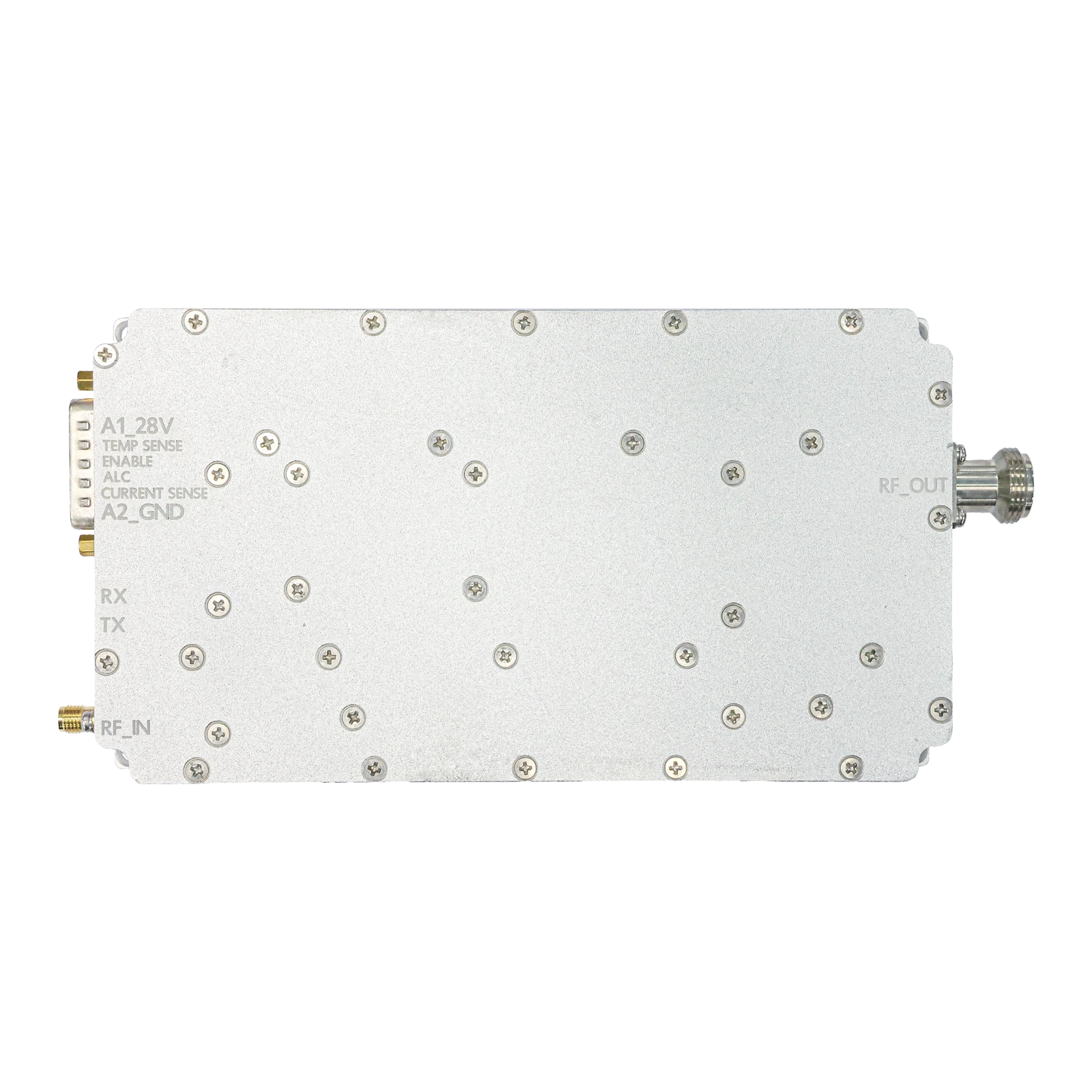
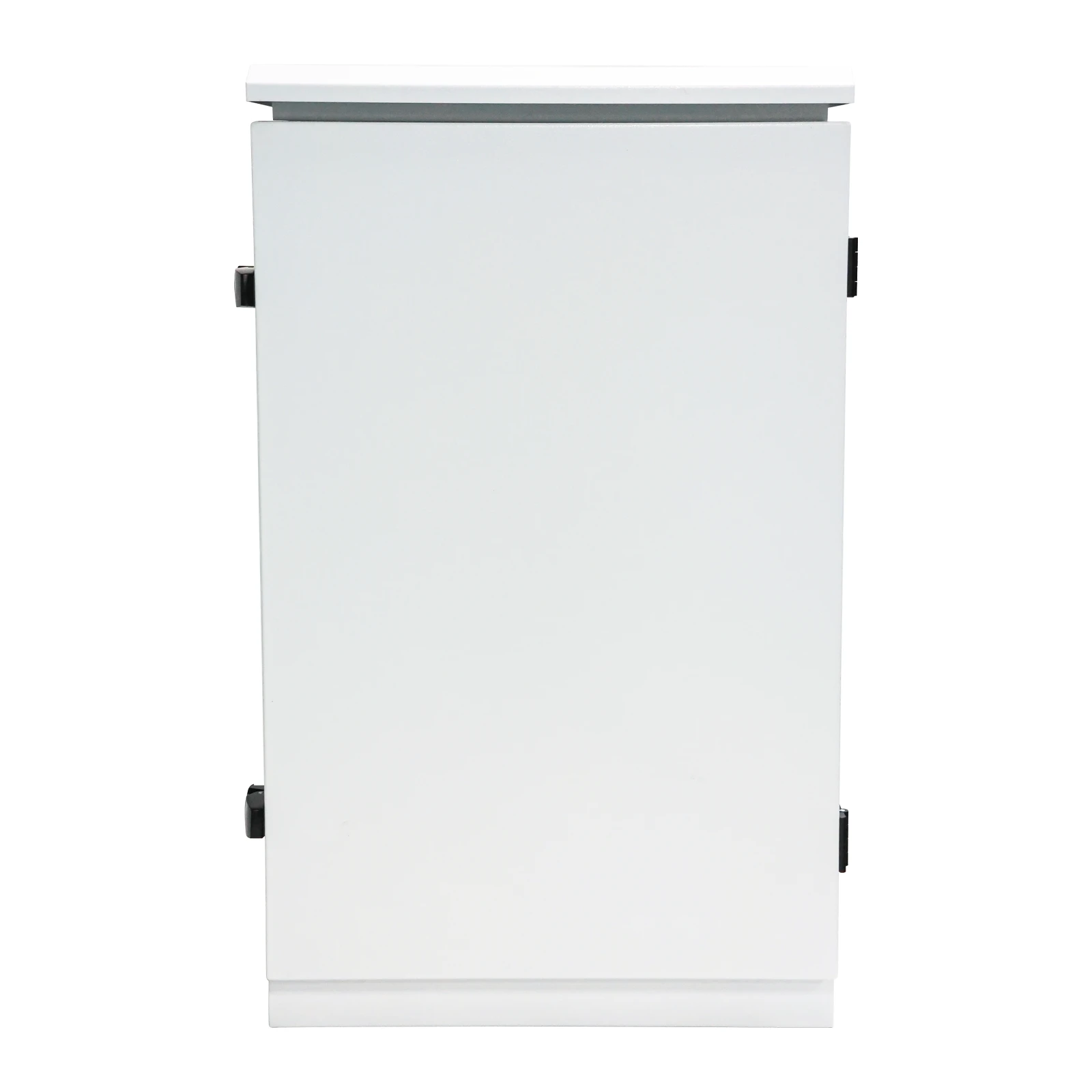
Evolution of RF Technology in Southeast Asia

From basic analog telemetry to sophisticated digital software-defined radio.

Market Development History

In the early 2000s, the Philippine wireless market relied heavily on basic VHF/UHF analog systems. Communication was limited to point-to-point links with high power consumption and susceptibility to interference, lacking the precision of modern digital modulation.

Around 2010-2015, the transition to digital RF began. The introduction of the cc1120 module allowed for better frequency agility and lower power, enabling the first wave of industrial remote monitoring in the mining and coconut plantation sectors.

From 2018 to the present, the market has evolved toward highly integrated SoC solutions. Modern deployments now prioritize spectral efficiency and encryption, moving toward standardized protocols that allow for rapid scalability across diverse industrial ecosystems.

Future Development Trends

AI-Driven Spectrum Management

Future systems will integrate AI to dynamically shift frequencies to avoid interference caused by the dense urban environments of Manila.

Ultra-Low Power LPWAN Integration

Integration of sub-GHz technology with satellite backhaul to ensure 100% coverage across the archipelago's most remote islands.

Edge Computing in RF Modules

Moving data processing from the cloud to the transceiver level to reduce latency in critical disaster early-warning systems.

Industry Trends and Future Outlook

Strategic directions for the Philippine wireless communication sector.

Resilient Network Topology
Shift towards decentralized mesh networks to maintain communication during typhoon-induced infrastructure failures.
Energy-Efficient RF Design
Optimization of sleep-wake cycles in modules to extend battery life for remote sensor nodes in jungle terrains.
Multi-Band Convergence
Developing hybrid modules that can switch between Sub-GHz and Cellular bands based on signal availability.
Enhanced Data Security
Implementation of hardware-level AES encryption to protect critical infrastructure and government communications.

Industry Outlook

Google search trends indicate a rising interest in "industrial IoT Philippines" and "remote sensor networking," suggesting that the market is moving toward integrated hardware ecosystems rather than standalone components.

Over the next 3-5 years, the integration of RF modules into smart agriculture—specifically for rice and coconut production—will drive a surge in demand for long-range, low-cost wireless solutions that can operate independently of the public grid.

Localized Wireless Applications in the Philippines

Real-world deployment scenarios for advanced RF modules.

1. Archipelago Disaster Early Warning Systems

Deploying RF nodes across coastal villages to monitor sea levels and seismic activity, ensuring critical alerts reach residents even when the primary cellular grid is down.

2. Precision Agriculture for Rice Terraces

Using low-power modules to monitor soil moisture and nutrient levels in remote highland farms, optimizing irrigation through long-range wireless telemetry.

3. Smart Port Logistics in Manila and Cebu

Implementing asset tracking for shipping containers using robust industrial RF modules to automate inventory and reduce turnaround times at major hubs.

4. Remote Mining Telemetry in Mindanao

Establishing wireless sensor networks in deep-pit mines to monitor gas levels and worker safety, utilizing signal-penetrating sub-GHz frequencies.

5. Urban Traffic Management in Metro Manila

Integrating wireless transceivers into traffic light systems to synchronize flow based on real-time vehicle density data across the city's arteries.

Brand Story

Global Development History of Shenzhen Jiajinn Communication Co., Ltd.

Founding Vision

Established with the mission to eliminate communication dead-zones in challenging environments through innovative RF hardware engineering.

Technical Breakthroughs

Perfected the integration of high-sensitivity transceivers, reducing power consumption by 40% for industrial-grade wireless modules.

Global Expansion

Expanded operations into Southeast Asia, specifically tailoring products for the unique climatic conditions of the Philippines and Indonesia.

Quality Certification

Achieved international standards for RF interference and durability, ensuring our modules operate reliably in extreme tropical environments.

Future Commitment

Dedicated to pioneering the next generation of secure, sustainable wireless connectivity for the global industrial IoT revolution.

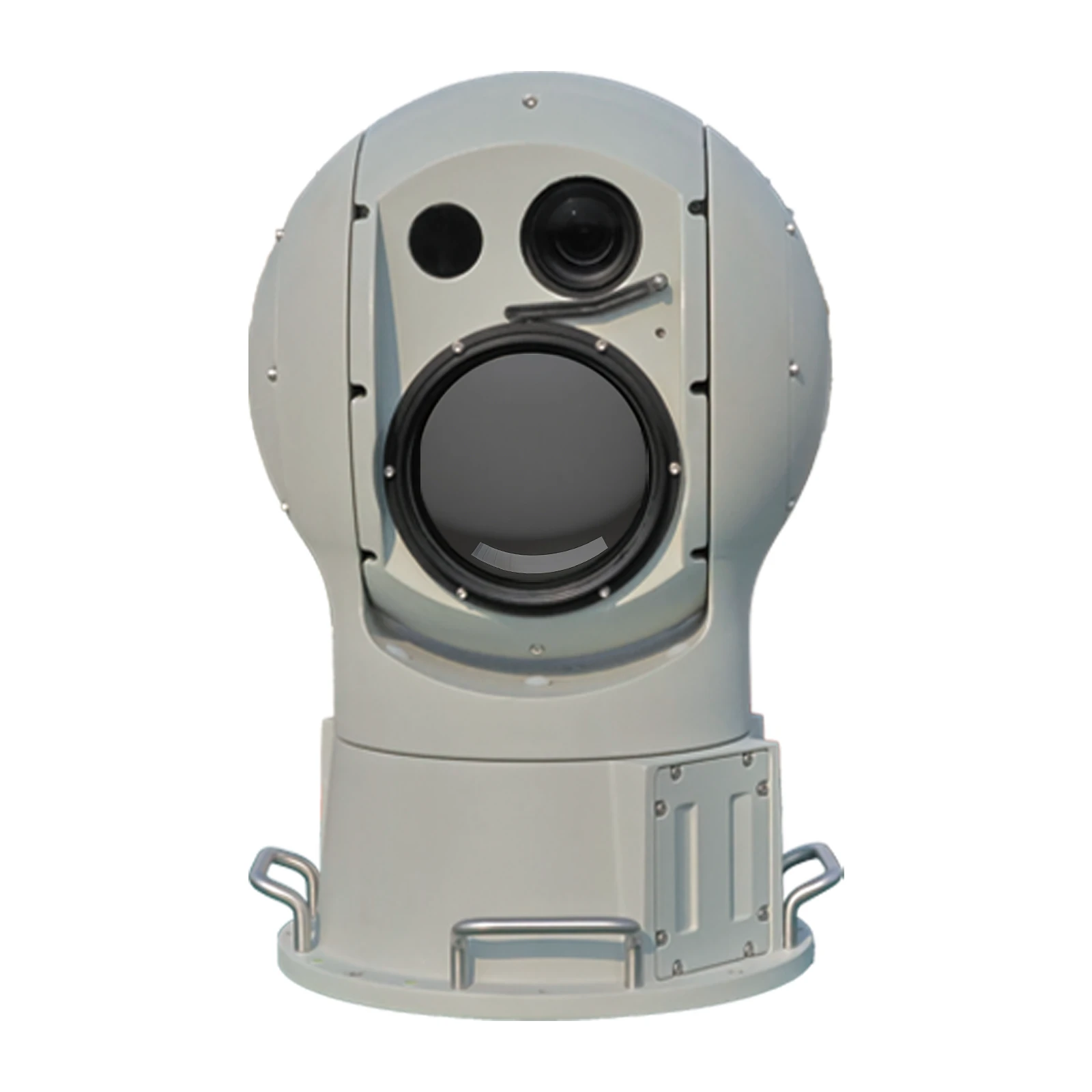
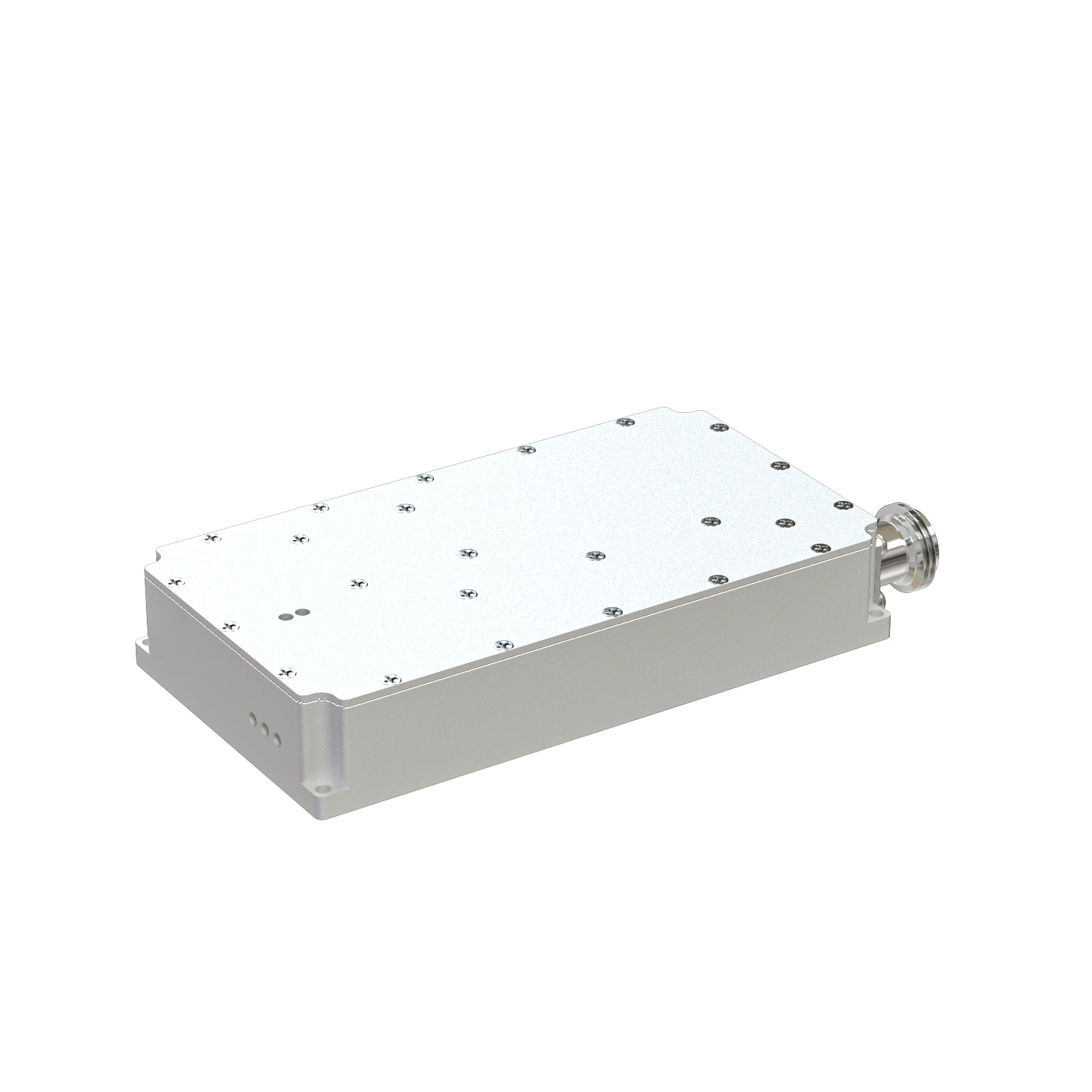
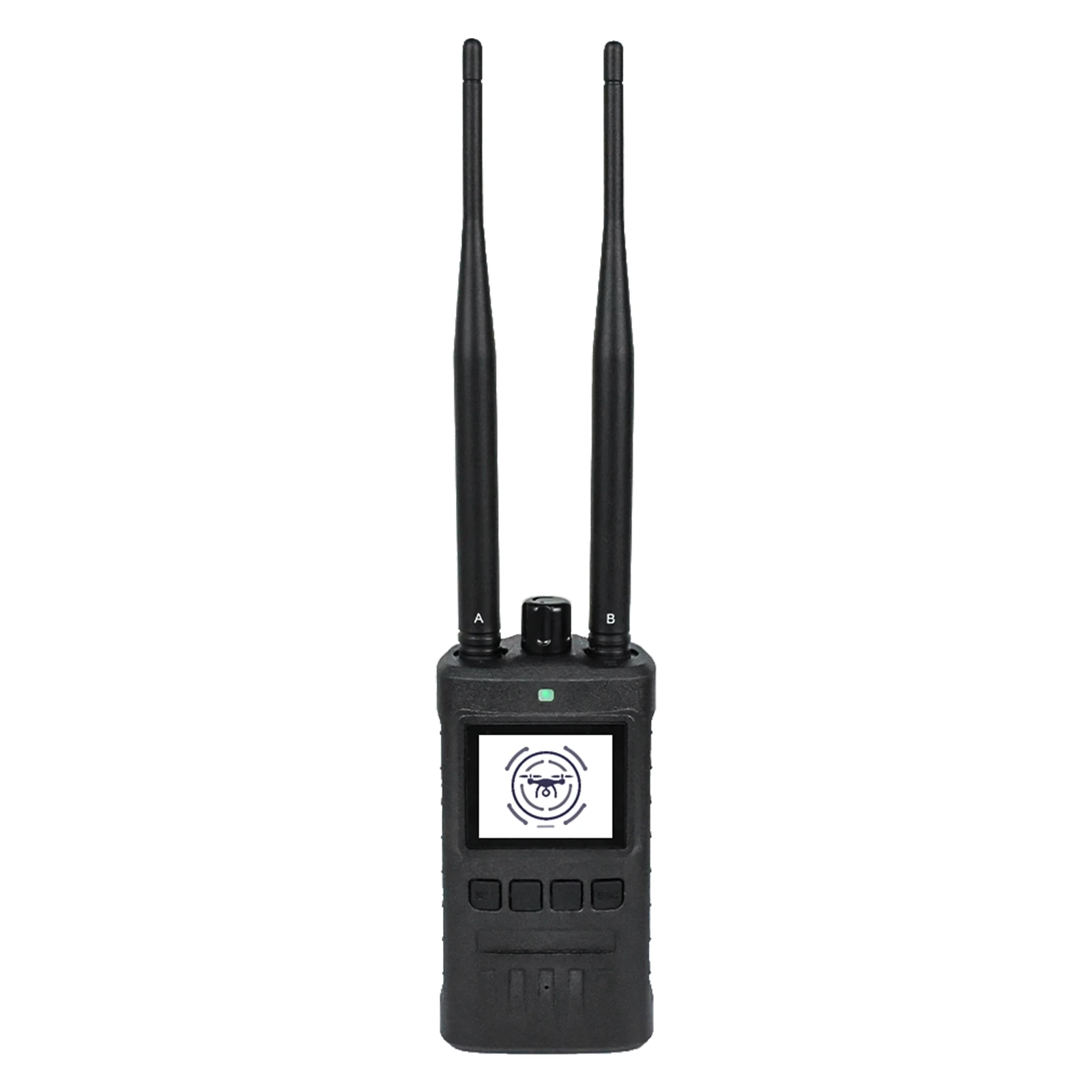
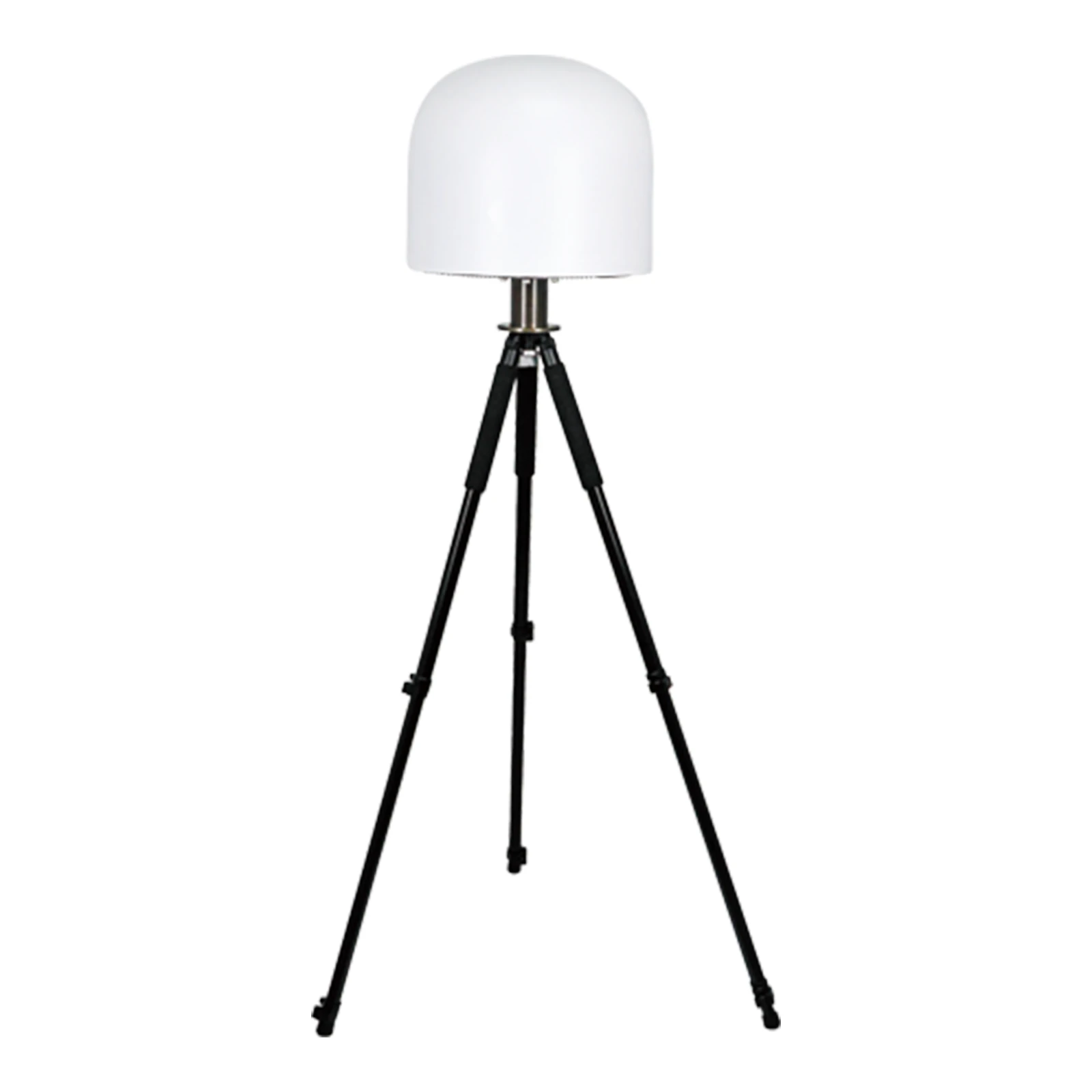
Complete RF Product Portfolio for the Philippines Market

A comprehensive range of modules from prototyping to mass industrial deployment.

Philippines Wireless Module FAQ

Answers to the most common technical and procurement questions.

How does the cc1120 module perform in high-humidity tropical areas?

Our modules feature industrial-grade conformal coating options that protect the circuitry from moisture and oxidation, making them ideal for the Philippine climate.

Can a cellular transceiver module be used for remote island telemetry?

Yes, by combining cellular modules with local RF mesh networks, you can collect data from remote sensors and transmit it via the nearest cellular tower.

What are the advantages of using a cyrf6936 module for smart city projects?

The cyrf6936 offers excellent flexibility in frequency and modulation, allowing city planners to optimize signal penetration in dense urban environments like Makati.

Is a diy rf module suitable for industrial-grade deployments?

While DIY modules are great for prototyping, for mission-critical industrial use, we recommend upgrading to our certified OEM versions for guaranteed stability.

What lead times can I expect for an oem rf module order in the Philippines?

We maintain strategic buffers for Southeast Asian markets to ensure rapid delivery, typically ranging from 1 to 3 weeks depending on customization.

Do these modules comply with Philippine NTC regulations?

Our modules are designed to operate within standard global ISM bands, and we provide full technical documentation to assist you with NTC certification.

Ready to Optimize Your Wireless Network?

Our technical experts are ready to help you deploy the most reliable RF solutions across the Philippines.

Contact Us Now

If you are interested in our products, you can choose to leave your information here, and we will be in touch with you shortly.


en_USEnglish