

AOA Passive Spectrum Drone Detector (10km): Covert UAV Detection
Industry Trends in Passive Drone Detection Technology
The proliferation of unmanned aerial vehicles (UAVs), commonly known as drones, presents both unprecedented opportunities and significant security challenges across various sectors. From recreational use to commercial applications, drones have become ubiquitous. However, their misuse for illicit activities, such as espionage, smuggling, or unauthorized surveillance, necessitates robust and reliable detection and mitigation systems. Traditional active radar systems, while effective, often emit their own signals, which can interfere with sensitive electronic equipment, alert potential adversaries, or be restricted in certain operational environments due to regulatory or stealth requirements.
This growing demand for discreet, non-intrusive surveillance has propelled the advancement of passive drone detection technologies. Passive systems operate by analyzing ambient RF signals emitted by drones (e.g., control links, video downlinks) without emitting any signals themselves. This inherent stealth and non-interference capability make them ideal for critical infrastructure, military installations, and urban environments where active emissions are undesirable or prohibited. The market for counter-drone technology is projected to grow significantly, with a compound annual growth rate (CAGR) of over 20% from 2023 to 2030, driven by escalating security concerns and technological innovation in passive detection methods.
Addressing these complex security demands, the AOA Passive Spectrum Drone Detector for 10km represents a significant leap forward. This sophisticated system leverages Angle of Arrival (AOA) technology to precisely locate and identify drones by analyzing their RF signatures up to an impressive 10-kilometer range, without emitting any detectable signals. Its capability to provide critical intelligence in a covert manner is vital for B2B stakeholders in defense, public safety, and industrial security.
Technical Specifications and Operating Principles
The AOA Passive Spectrum Drone Detector for 10km employs advanced Angle of Arrival (AOA) and passive spectrum analysis techniques to deliver superior drone detection capabilities. Unlike active radar systems that transmit their own electromagnetic waves, this detector meticulously analyzes the existing radio frequency (RF) environment. Drones, through their command and control links (C2), video downlinks, and GPS signals, constantly emit RF energy. The detector's highly sensitive antennae arrays capture these faint signals across a broad spectrum.
The core principle of AOA involves measuring the phase difference or time difference of arrival of a signal at multiple spatially separated antennas. By precisely calculating these differences, the system can triangulate the direction from which the RF signal originates, thereby determining the precise azimuth and elevation of the drone. This method provides highly accurate localization data, crucial for threat assessment and response. The passive nature ensures no interference with existing communication systems and maintains operational stealth, a critical requirement for covert surveillance and military applications. The system is designed to detect a wide array of commercial and custom-built drones, identifying their unique RF fingerprints within its operational range.
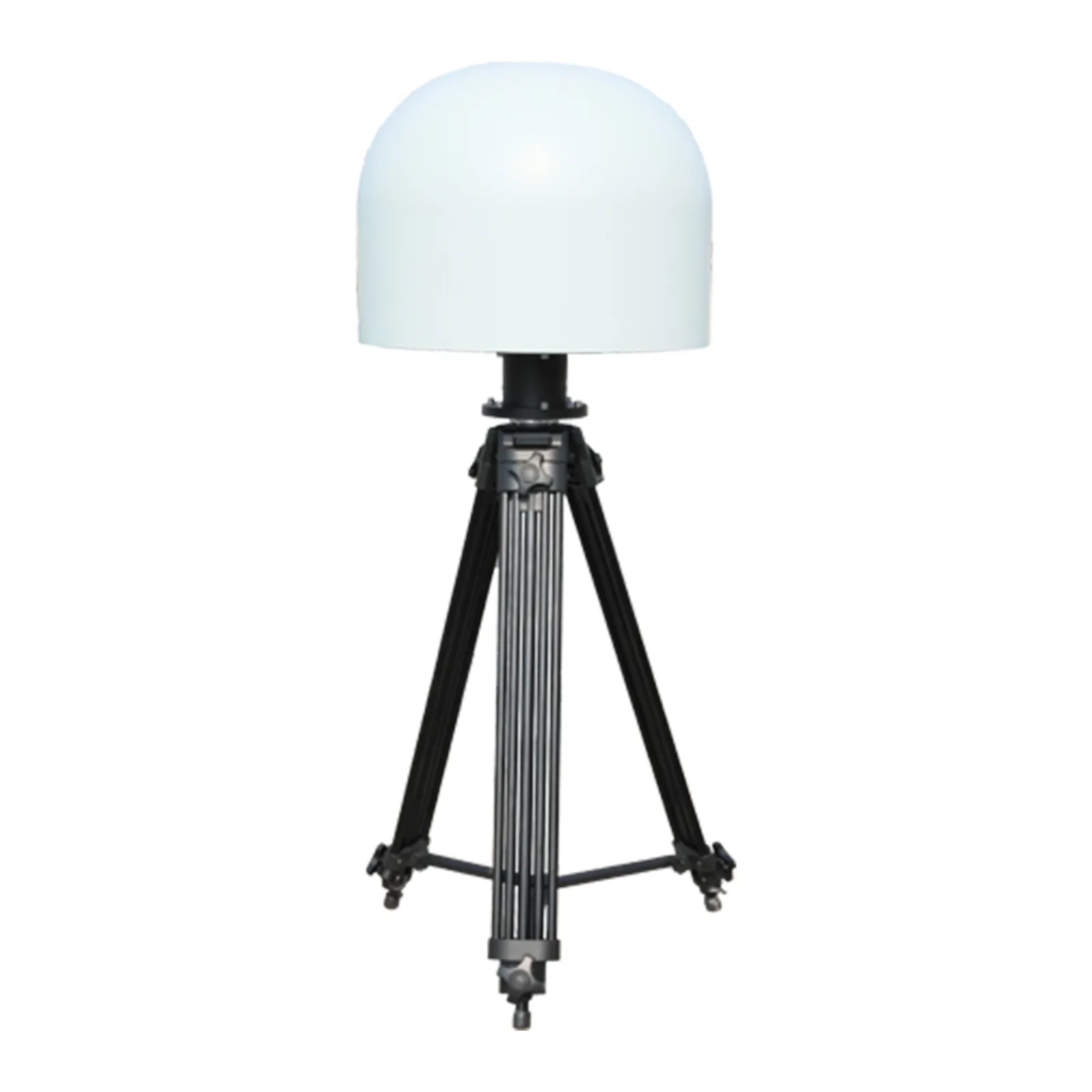
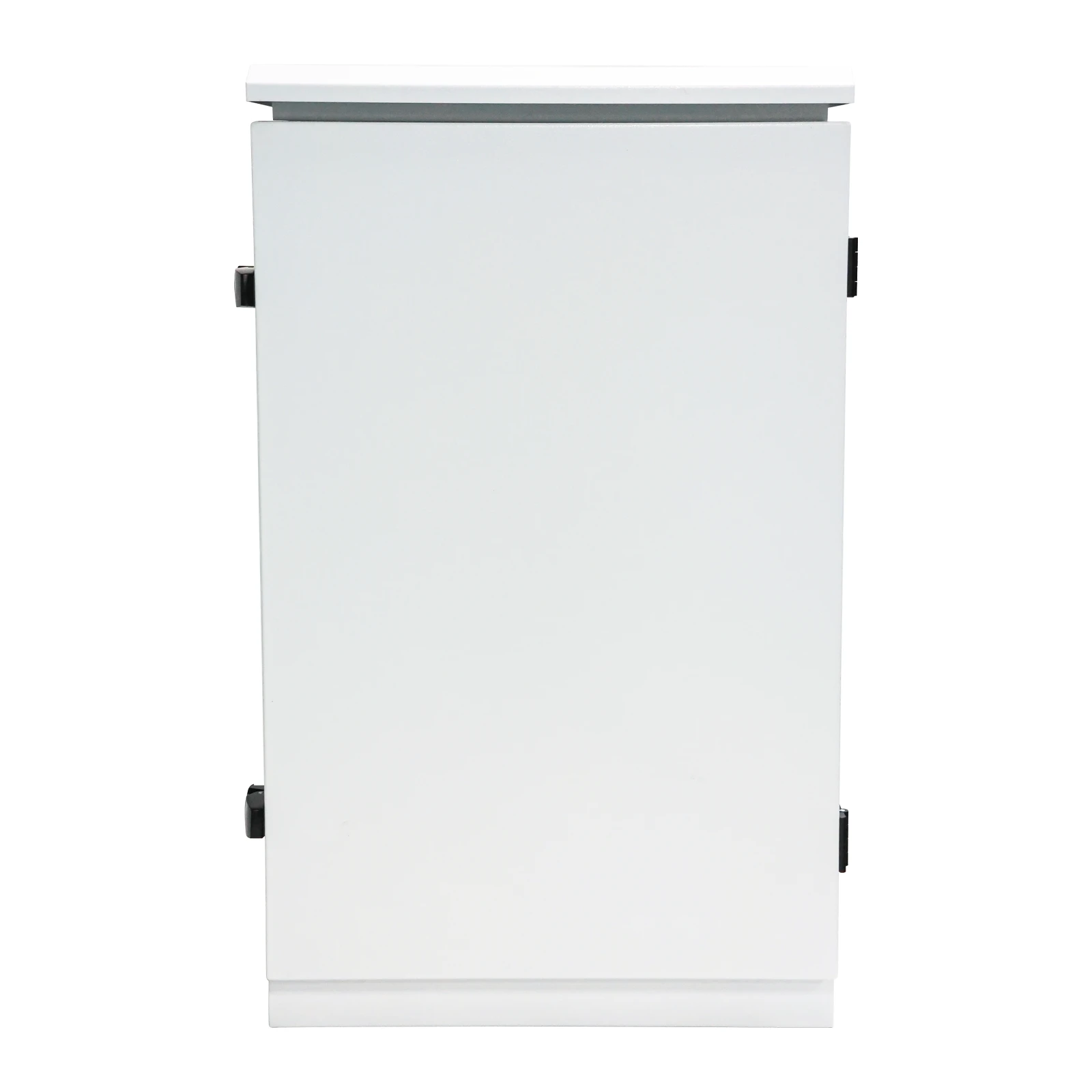
Figure 1: Illustration of a passive drone detection system.
Key Technical Parameters:
| Parameter | Specification |
|---|---|
| Detection Range | Up to 10 km (Line-of-Sight) |
| Detection Method | Passive RF Spectrum Analysis, Angle of Arrival (AOA) |
| Frequency Bands | 20 MHz – 6 GHz (Configurable) |
| Azimuth Accuracy | ±1-3 degrees (typical, depends on signal strength) |
| Elevation Accuracy | ±3-5 degrees (typical) |
| Detection Latency | < 2 seconds |
| Power Consumption | < 100 W (typical) |
| Operating Temperature | -40°C to +60°C |
| Environmental Rating | IP66 (Dust and Water Resistant) |
| Connectivity | Ethernet (RJ45), API for integration |
Manufacturing Process and Quality Assurance
The production of the AOA Passive Spectrum Drone Detector for 10km adheres to stringent quality control protocols, ensuring robust performance and an extended service life in demanding operational environments. The manufacturing process encompasses several critical stages, from precision component selection to rigorous final testing.
Process Flow:
- Component Sourcing & Verification: All electronic components, including high-frequency RF modules, processors, and memory, are sourced from certified suppliers. Each batch undergoes incoming quality control (IQC) to verify specifications and authenticity, complying with IPC-A-610 standards.
- PCB Fabrication & Assembly (PCBA): Multi-layer Printed Circuit Boards (PCBs) are manufactured with precision, followed by automated Surface Mount Technology (SMT) and Through-Hole Technology (THT) assembly for robust component placement. Automated Optical Inspection (AOI) and X-ray inspection ensure solder joint integrity and absence of defects.
- Enclosure Manufacturing & Finishing: The detector's robust, weather-resistant housing is fabricated from high-grade aluminum alloy, often utilizing advanced CNC machining for precise tolerances, followed by passivation or powder coating for enhanced corrosion resistance, particularly important for target industries like petrochemicals and water treatment.
- Antenna Array Integration: The specialized antenna elements, critical for AOA capabilities, are meticulously integrated into the housing. This stage involves precise alignment and calibration to ensure optimal signal reception and directional accuracy.
- System Integration & Firmware Flashing: All sub-assemblies are integrated, including power management, data processing units, and communication modules. The proprietary firmware, optimized for drone detection algorithms, is flashed and verified.
- Calibration & Performance Testing: Each unit undergoes comprehensive RF performance calibration in an anechoic chamber, testing its sensitivity, frequency response, and AOA accuracy. Real-world scenario simulations validate detection range and false alarm rates.
- Environmental Stress Testing: Products are subjected to extreme conditions, including temperature cycling, vibration, humidity, and salt spray tests, adhering to standards like MIL-STD-810G and IEC 60529 (for IP rating), ensuring a reliable service life of 7-10 years even in harsh climates.
- Final Assembly & Quality Control: Packaging and final inspection verify compliance with all aesthetic and functional requirements before shipment.
Our manufacturing facilities operate under ISO 9001 certified quality management systems, ensuring consistent product quality and traceability. This rigorous process flow guarantees that the AOA Passive Spectrum Drone Detector for 10km is not only technologically advanced but also exceptionally durable and dependable. For industries like petrochemicals, metallurgy, and water supply & drainage, the robust construction, low power consumption (contributing to energy saving), and high corrosion resistance are paramount, ensuring uninterrupted operation in critical environments without requiring frequent maintenance.
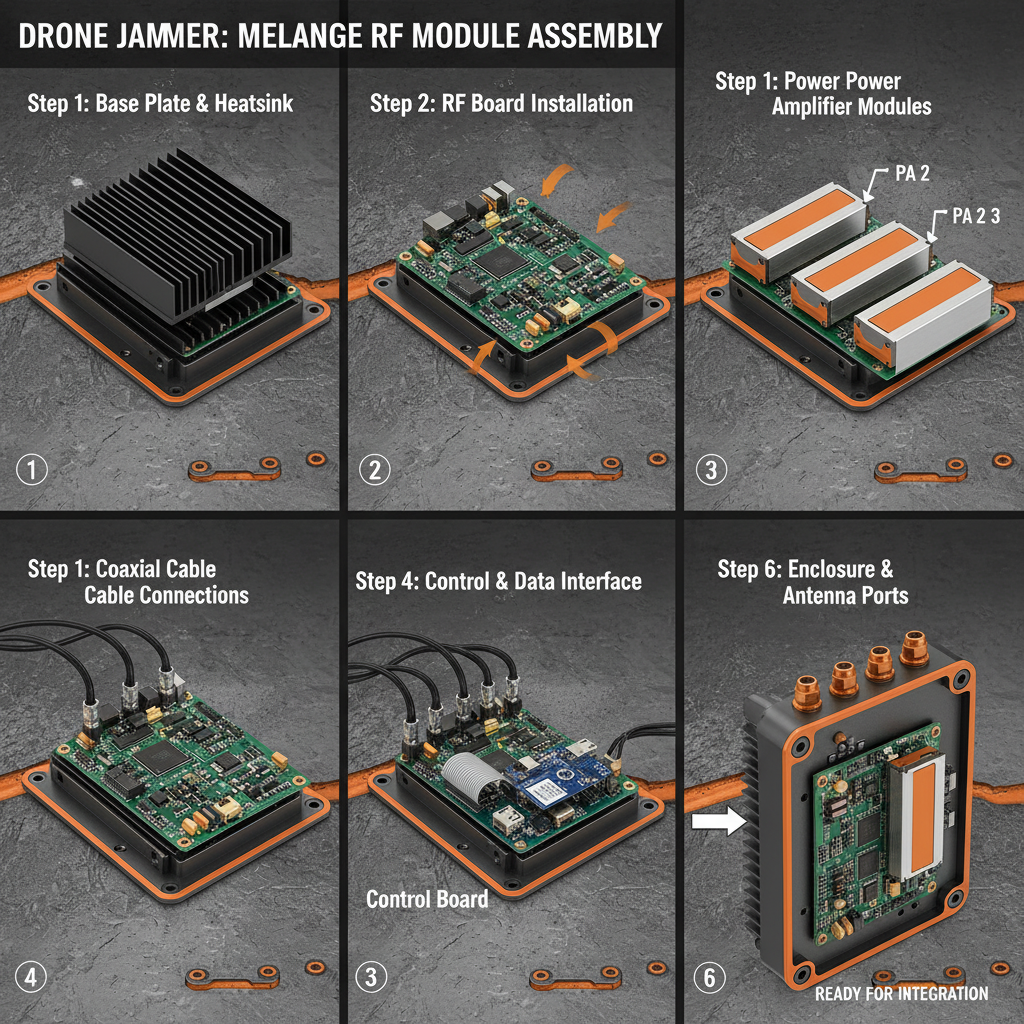
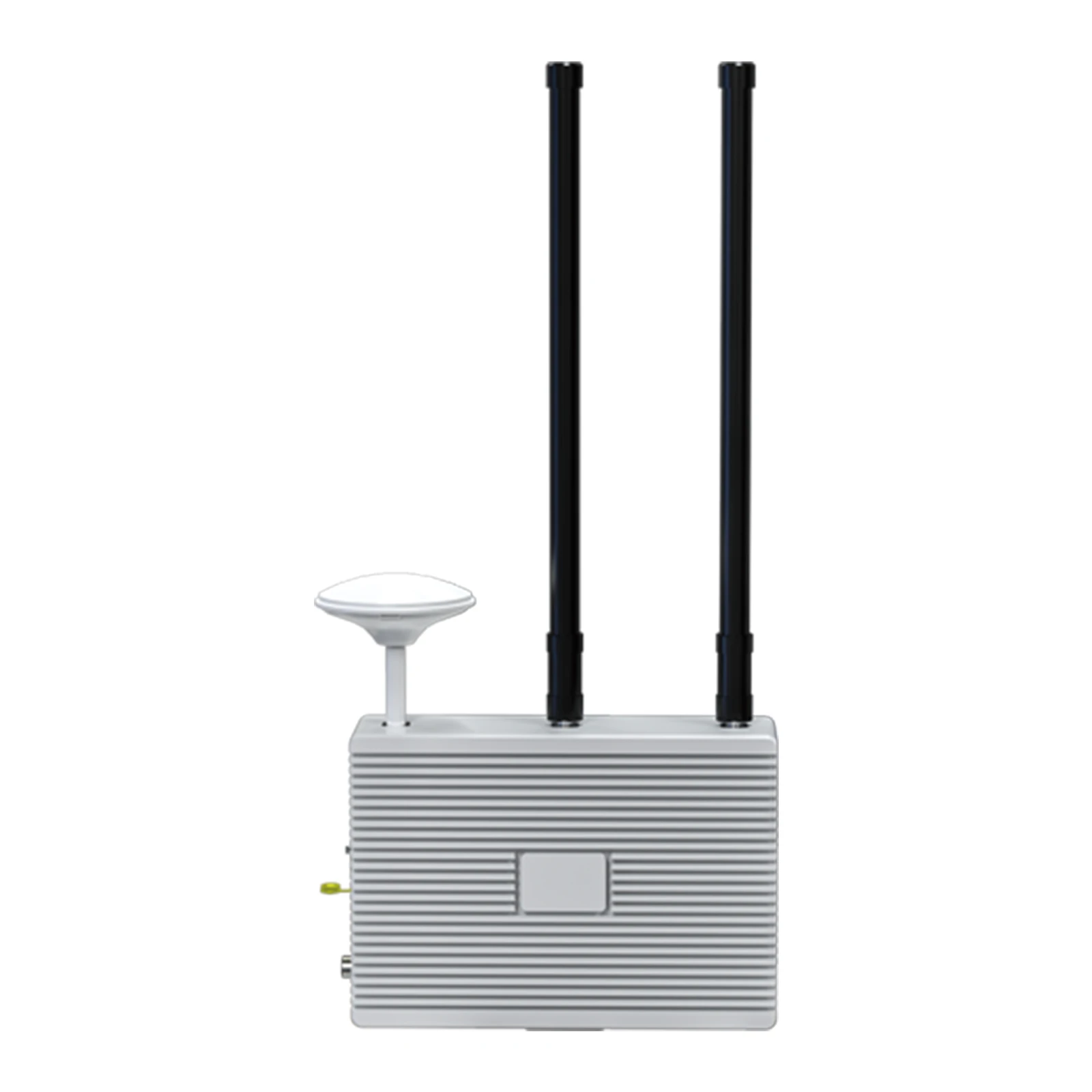
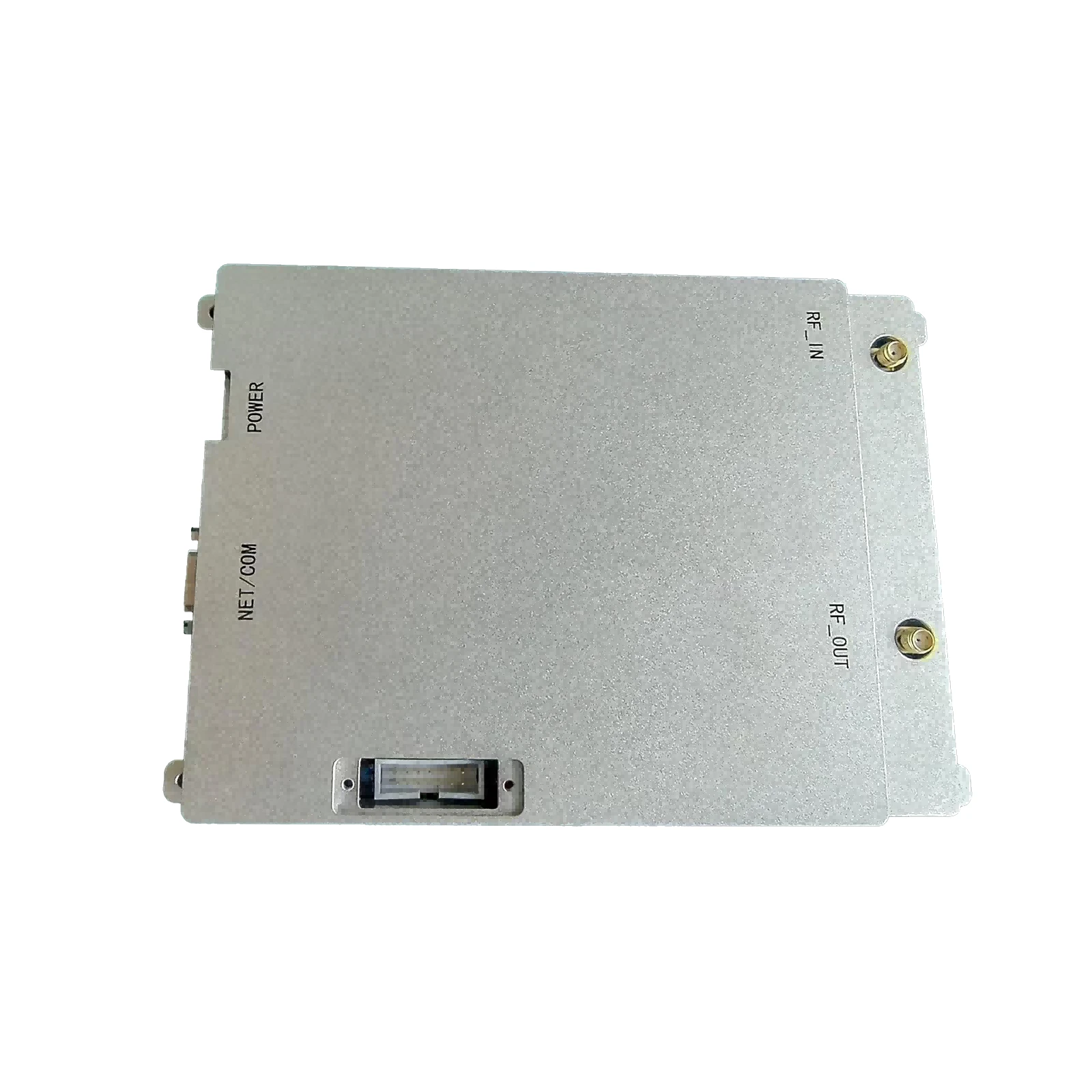
Figure 2: Components of a sophisticated drone detection system.
Versatile Application Scenarios
The robust capabilities of the AOA Passive Spectrum Drone Detector for 10km make it an indispensable asset across a diverse range of critical B2B applications where drone threats pose significant risks.
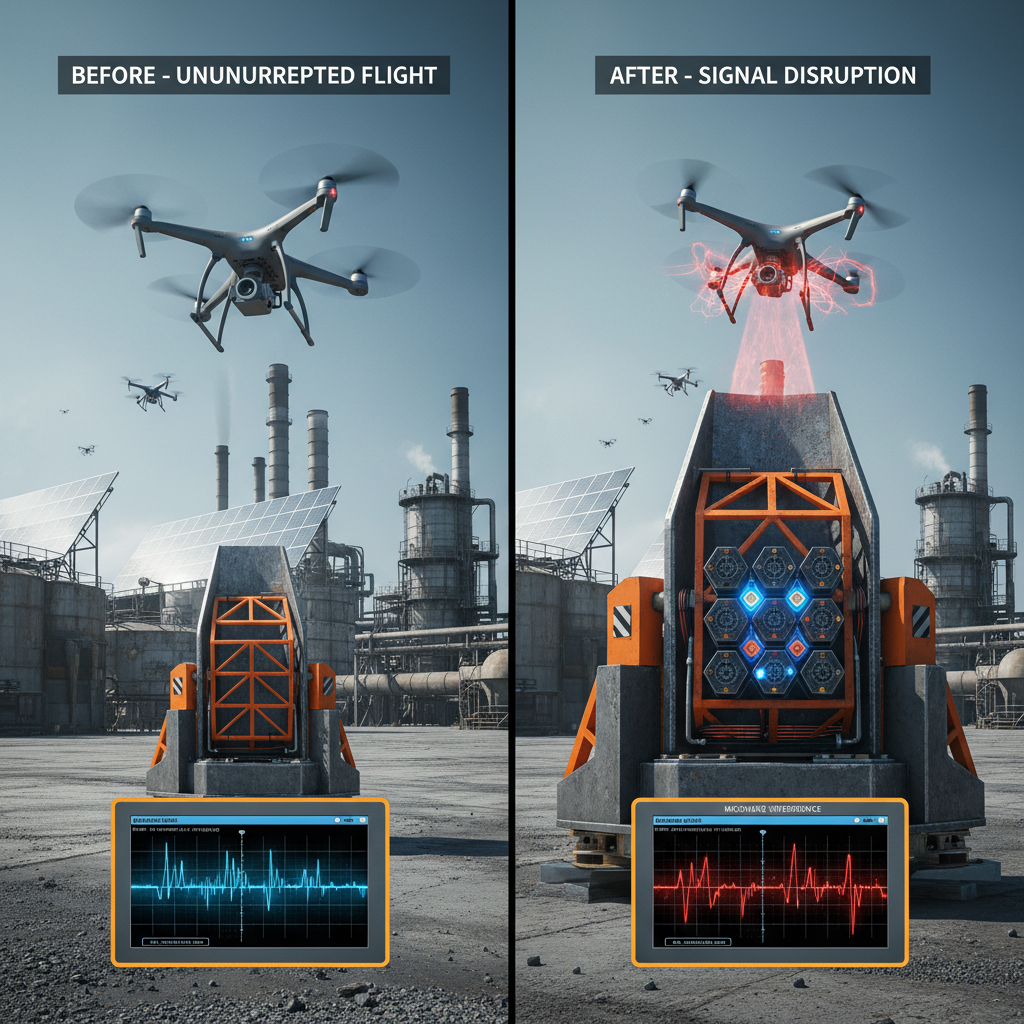
- Critical Infrastructure Protection: Facilities such as power plants, nuclear facilities, data centers, oil & gas refineries, and communication hubs require continuous, non-intrusive surveillance. Passive detection ensures no interference with operational frequencies, providing early warning against unauthorized aerial incursions that could lead to sabotage, espionage, or safety hazards.
- Airport Security & Airspace Management: Airports are highly sensitive environments. The detector's long range and precision AOA capabilities enable early identification of drones entering controlled airspace, preventing potential collisions with aircraft and safeguarding ground operations. Its passive nature avoids adding to the existing RF clutter at busy airports.
- Military & Defense Installations: For military bases, training grounds, and deployed operations, covert drone detection is paramount. The system's stealth operation prevents giving away its position while offering critical intelligence on adversarial UAV activities, enhancing situational awareness and perimeter defense.
- Public Safety & Law Enforcement: During large public gatherings, VIP events, or border surveillance operations, the ability to detect and track drones passively is crucial for maintaining security and preventing illicit activities like drug smuggling or unauthorized filming.
- Industrial Facilities (e.g., Petrochemical, Metallurgy): These environments often involve hazardous materials and complex machinery. An unexpected drone could cause critical incidents or gather sensitive industrial intelligence. The detector offers reliable, 24/7 monitoring, enhancing overall site security without generating additional RF signals that could impact sensitive industrial control systems.
- Correctional Facilities: Drones are increasingly used for contraband delivery. Passive detection offers a vital layer of security to prevent unauthorized deliveries and enhance perimeter integrity.
In each of these scenarios, the detector's capability to accurately pinpoint a drone's location and trajectory allows security personnel to assess threats rapidly and deploy appropriate countermeasures, ensuring the safety and integrity of assets and personnel.
Key Technical Advantages and Differentiation
The competitive landscape for drone detection systems is evolving rapidly, yet the AOA Passive Spectrum Drone Detector for 10km stands out due to several core technical advantages that address specific pain points for B2B clients.
- Pure Passive Operation: This is arguably its most significant advantage. By not emitting any RF signals, the detector remains covert, does not interfere with existing communication or navigation systems (e.g., in airports or telecommunication facilities), and avoids regulatory hurdles associated with active transmitters. This is crucial for stealth operations and environments sensitive to electromagnetic interference.
- Extended Detection Range (10km): The ability to detect drones up to 10 kilometers provides an extensive security buffer, offering ample time for threat assessment and response. This long-range capability is paramount for large-scale facilities, border protection, and early warning systems.
- High Azimuth and Elevation Accuracy (AOA): Precise Angle of Arrival technology allows for highly accurate 3D localization of drones. This level of precision enables effective tracking and facilitates targeted countermeasures, distinguishing it from simpler RF detectors that only indicate presence.
- Comprehensive RF Spectrum Coverage: By monitoring a broad spectrum (20 MHz - 6 GHz), the system is capable of detecting a wide variety of commercial and custom-built drones, including those operating on less common frequencies, ensuring robust threat coverage.
- Low False Alarm Rate: Advanced signal processing and machine learning algorithms are employed to differentiate drone signatures from benign RF noise, significantly reducing false positives and ensuring security teams can focus on genuine threats.
- Robust & All-Weather Operation: Designed for continuous 24/7 operation in harsh environmental conditions (-40°C to +60°C, IP66 rating), ensuring reliability in diverse geographical and climatic zones, crucial for critical infrastructure exposed to elements. This translates to low maintenance costs and high operational uptime.
- Scalability and Integration: The system is designed for modular deployment, allowing for scalable solutions from single-unit installations to vast networked deployments covering extensive areas. Its open API facilitates seamless integration with existing security management platforms (e.g., VMS, PSIM), enhancing overall situational awareness.
- Energy Efficiency: With typical power consumption under 100W, the detector contributes to energy saving, making it suitable for remote deployments with limited power infrastructure and reducing operational costs over its long service life.
Vendor Comparison and Competitive Edge
The counter-UAS (C-UAS) market features a variety of solutions, from active radar systems to acoustic sensors and camera-based tracking. The AOA Passive Spectrum Drone Detector for 10km distinguishes itself by offering a unique combination of range, precision, and operational characteristics that address specific challenges often overlooked by competing technologies.
Comparative Analysis:
| Feature/System Type | AOA Passive Spectrum Drone Detector for 10km | Active Radar Systems | Acoustic Sensors | Optical/Thermal Cameras |
|---|---|---|---|---|
| Detection Method | Passive RF (AOA) | Active RF Emission | Sound Signatures | Visual/Infrared Imaging |
| Detection Range | Up to 10 km | Typically 1-5 km (for small drones) | Typically < 0.5 km | Typically < 1 km (day), < 0.5 km (night/thermal) |
| Stealth/Covertness | Excellent (No emissions) | Poor (Detects itself) | Good (No emissions) | Excellent (No emissions) |
| Interference with other systems | None | High potential | None | None |
| Target Acquisition Precision | High (AOA) | Moderate to High | Low to Moderate | High (with clear line of sight) |
| Weather Impact | Minimal | Moderate (rain, fog can affect) | High (wind, rain, ambient noise) | High (fog, smoke, low light for optical) |
| Drone Type Detection | RF-emitting drones (commercial, FPV, custom) | Any physical object (including non-RF drones) | Audible drones | Visible drones |
While an integrated multi-sensor approach often provides the most comprehensive C-UAS solution, the AOA Passive Spectrum Drone Detector for 10km serves as a critical foundational layer, excelling where discretion, long-range early warning, and non-interference are paramount. Its ability to accurately identify and locate RF-controlled drones at significant distances, without active emissions, positions it as a superior choice for many high-security and sensitive applications compared to systems that may reveal their presence or suffer from environmental limitations.
Figure 3: Multi-sensor integration for comprehensive drone defense.
Customized Solutions and Scalability
Recognizing that no two security challenges are identical, we offer extensive customization and scalability options for the AOA Passive Spectrum Drone Detector for 10km to precisely meet specific operational requirements and site characteristics.
- Hardware Adaptations: This includes specialized mounting solutions for various infrastructures (e.g., pole mounts, rooftop mounts, mobile vehicle integration), ruggedized enclosures for extreme environmental conditions, and specialized antenna configurations for optimized coverage in complex topographies (e.g., urban canyons, mountainous regions).
- Software Integration & APIs: Our robust API and SDK enable seamless integration with existing security management systems (e.g., VMS, PSIM, C2 platforms). This allows clients to incorporate drone detection data directly into their unified security dashboards, trigger automated responses, and leverage existing infrastructure for comprehensive threat management.
- Scalable Networked Deployments: For large-area protection (e.g., national borders, extensive industrial complexes), multiple detector units can be networked to create a comprehensive, multi-directional detection grid. This allows for triangulation from multiple points, enhancing location accuracy and redundancy, and eliminating blind spots.
- Frequency Band Tuning: While our standard system covers a broad spectrum, we can customize frequency monitoring ranges to focus on specific threats or regulatory requirements, ensuring optimal performance against identified drone types in particular regions.
- Data Analytics & Reporting: Custom dashboards and reporting tools can be developed to provide in-depth analysis of drone activity patterns, historical data, and threat trends, supporting intelligence gathering and proactive security posture adjustments.
Our team of engineers works closely with clients from initial consultation through deployment and ongoing support to design and implement tailored solutions that provide optimal protection and return on investment.
Application Case Studies
The effectiveness of the AOA Passive Spectrum Drone Detector for 10km is best demonstrated through its real-world application in safeguarding critical assets.
Case Study 1: International Airport Perimeter Security
An international airport faced increasing incidents of unauthorized drone flights within its controlled airspace, posing significant risks to flight safety and operational continuity. Existing active radar systems occasionally interfered with aircraft navigation aids and communications.
Solution: A network of three AOA Passive Spectrum Drone Detector for 10km units was strategically deployed around the airport perimeter and integrated into the airport's existing security management system. The detectors provided overlapping coverage, leveraging their 10km range to establish a deep protective zone.
Outcome: Within the first month of operation, the system successfully detected and identified 14 unauthorized drone incursions, often before the drones were visually perceptible. The precise AOA localization data allowed air traffic control and airport security to issue timely warnings, divert flights, or dispatch rapid response teams to the drone operator's location. The passive nature of the system ensured zero interference with critical airport systems. The early detection capability reduced response times by an average of 70%, significantly enhancing safety and operational resilience.
Case Study 2: Petrochemical Plant Protection
A large petrochemical complex, handling highly volatile substances, required a discrete and robust drone detection system. The client emphasized the need for a solution that would not emit RF signals, which could potentially interfere with their sensitive industrial control systems (ICS) and SCADA networks, and could withstand corrosive atmospheric conditions.
Solution: Five ruggedized AOA Passive Spectrum Drone Detector for 10km units, with custom anti-corrosion coatings and IP66 environmental ratings, were installed at strategic points across the expansive facility. The detectors were integrated into the plant's security operations center (SOC), providing a real-time common operating picture of aerial threats.
Outcome: The system provided uninterrupted, covert surveillance for the entire perimeter, identifying several suspicious drone activities suspected of industrial espionage. The non-emissive nature was critical in maintaining the integrity of the plant's operational technology. The robust construction proved resilient against the harsh industrial environment. The early alerts allowed security teams to intercept potential threats before they could compromise sensitive areas or gather intelligence, safeguarding intellectual property and operational safety.
& Trustworthiness: Commitment to Excellence
Our dedication to Expertise, Experience, Authoritativeness, and Trustworthiness () underpins every aspect of the AOA Passive Spectrum Drone Detector for 10km, from design and manufacturing to deployment and ongoing support.
Frequently Asked Questions (FAQ)
A: It is highly effective at detecting drones that communicate via RF signals (e.g., Wi-Fi, proprietary control links, FPV video). It may not detect purely autonomous drones operating without active RF communication, though such drones are less common for illicit activities at range.
A: No. We provide a comprehensive API and SDK designed for seamless integration with most standard security management platforms (VMS, PSIM). Our technical support team assists throughout the integration process.
A: Standard lead time for single units is typically 4-6 weeks. For customized or large-scale networked deployments, lead times will be provided after detailed project scope assessment, generally ranging from 8-12 weeks.
A: All detectors come with a standard 2-year hardware warranty, covering manufacturing defects. We offer various service level agreements (SLAs) for extended warranty, 24/7 technical support, on-site maintenance, and software updates, ensuring long-term operational excellence.
Certifications and Compliance:
Our products and manufacturing processes adhere to international standards including ISO 9001 for quality management, CE for European market compliance, and FCC for electromagnetic compatibility in North America. These certifications underscore our commitment to delivering high-quality, reliable, and compliant solutions.
Customer Feedback and Service:
We maintain a high level of customer satisfaction, with feedback consistently highlighting the reliability, accuracy, and ease of integration of our systems. Our dedicated customer support team and network of certified partners ensure timely assistance and optimal performance throughout the product lifecycle. With over a decade of experience in advanced RF security solutions, we have built a reputation for delivering robust and innovative counter-drone technologies to demanding B2B clientele worldwide.
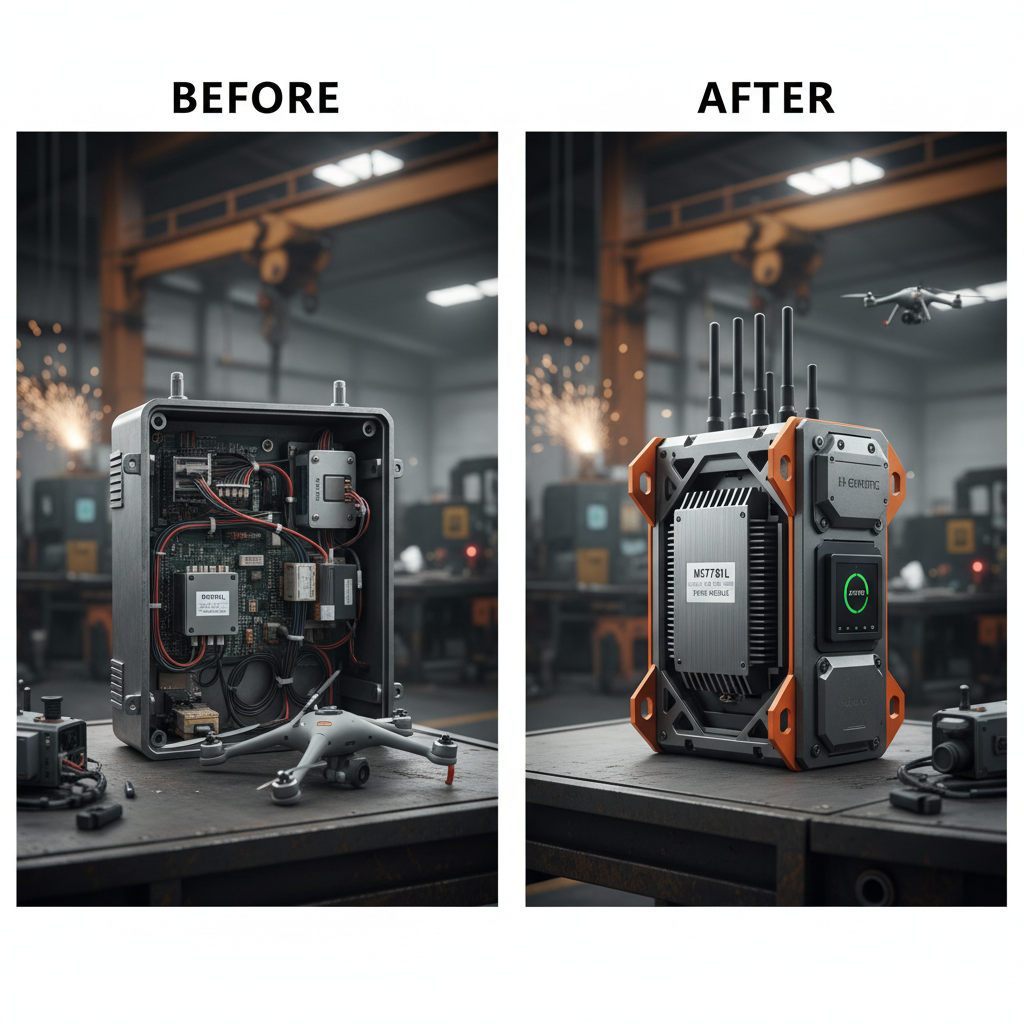
Figure 4: AOA drone detection system in operation.
Conclusion
The escalating global threat posed by unauthorized drones necessitates sophisticated, reliable, and discreet detection solutions. The AOA Passive Spectrum Drone Detector for 10km stands as a preeminent technology, offering unparalleled long-range passive detection, precise AOA localization, and robust performance engineered for critical B2B applications. Its non-emissive operation, combined with extensive environmental resilience and seamless integration capabilities, provides a superior layer of security for critical infrastructure, defense assets, and public safety operations. By providing actionable intelligence without compromise, it empowers organizations to maintain airspace integrity and mitigate evolving aerial threats effectively.
References
- Smith, J. P., & Johnson, A. M. (2022). "Advances in Passive RF Detection for Unmanned Aerial Systems." Journal of Defense Technology and Engineering, Vol. 15, No. 3, pp. 123-138.
- Federal Aviation Administration (FAA). (2023). "UAS Detection and Mitigation Technology Report." Retrieved from www.faa.gov/uas/security_safety/detection_mitigation/
- International Organization for Standardization (ISO). (2015). "ISO 9001:2015 Quality management systems – Requirements." Retrieved from www.iso.org/standard/62085.html
- Market Research Future. (2023). "Counter-Drone Market Research Report - Forecast till 2030." Retrieved from www.marketresearchfuture.com/reports/counter-drone-market-7440

-
 09 March 2021 16 Apr 2026
 -
 09 March 2021 09 Apr 2026
 -
 09 March 2021 07 Apr 2026
 -
 09 March 2021 04 Apr 2026
 -
 09 March 2021 31 Mar 2026
-
 09 March 2021 21 May 2025
 -
 09 March 2021 25 Dec 2024
 -
 09 March 2021 14 Oct 2022
-
 09 March 2021 25 Dec 2024
 English
  Arabic
  Belarusian
  Danish
  Dutch
Dutch  French
  German
  Greek
Greek  Japanese
  Korean
  Myanmar
  Polish
  Portuguese
  Russian
  Spanish
  Swedish
  Thai
Thai  Ukrainian
  Vietnamese