

AOA Passive Spectrum Drone Detector 10km | Covert UAV Detection
Navigating the Unseen: The Imperative for Passive Drone Detection
The proliferation of Unmanned Aerial Systems (UAS), commonly known as drones, has introduced unprecedented challenges across various sectors, from critical infrastructure protection to national security. While offering numerous benefits, the unauthorized use of drones poses significant threats, including espionage, illicit contraband delivery, and even kinetic attacks. Traditional active detection systems, often reliant on radar, can suffer from limitations such as high false alarm rates, susceptibility to jamming, and electromagnetic interference with existing communication systems. This burgeoning threat landscape necessitates advanced, discreet, and highly effective countermeasures.
In response, passive drone detection technologies have emerged as a cornerstone of modern counter-UAS strategies. These systems operate by silently listening for the radio frequency (RF) emissions characteristic of drone control signals and video downlinks, offering a distinct advantage by not emitting their own signals, thus remaining undetectable and non-interfering. This approach is particularly critical in sensitive environments where maintaining electromagnetic silence is paramount. The market for counter-UAS systems is projected to grow significantly, with reports indicating a CAGR of over 20% in the coming years, driven by increasing threats and the need for sophisticated surveillance and interception capabilities.
A leader in this innovative field is the AOA Passive Spectrum Drone Detector for 10km, a state-of-the-art solution designed to provide accurate, long-range drone detection without active emissions. This system addresses the critical demand for stealthy, reliable, and high-performance drone threat assessment across a diverse range of operational requirements.
Technical Specifications of the AOA Passive Spectrum Drone Detector for 10km
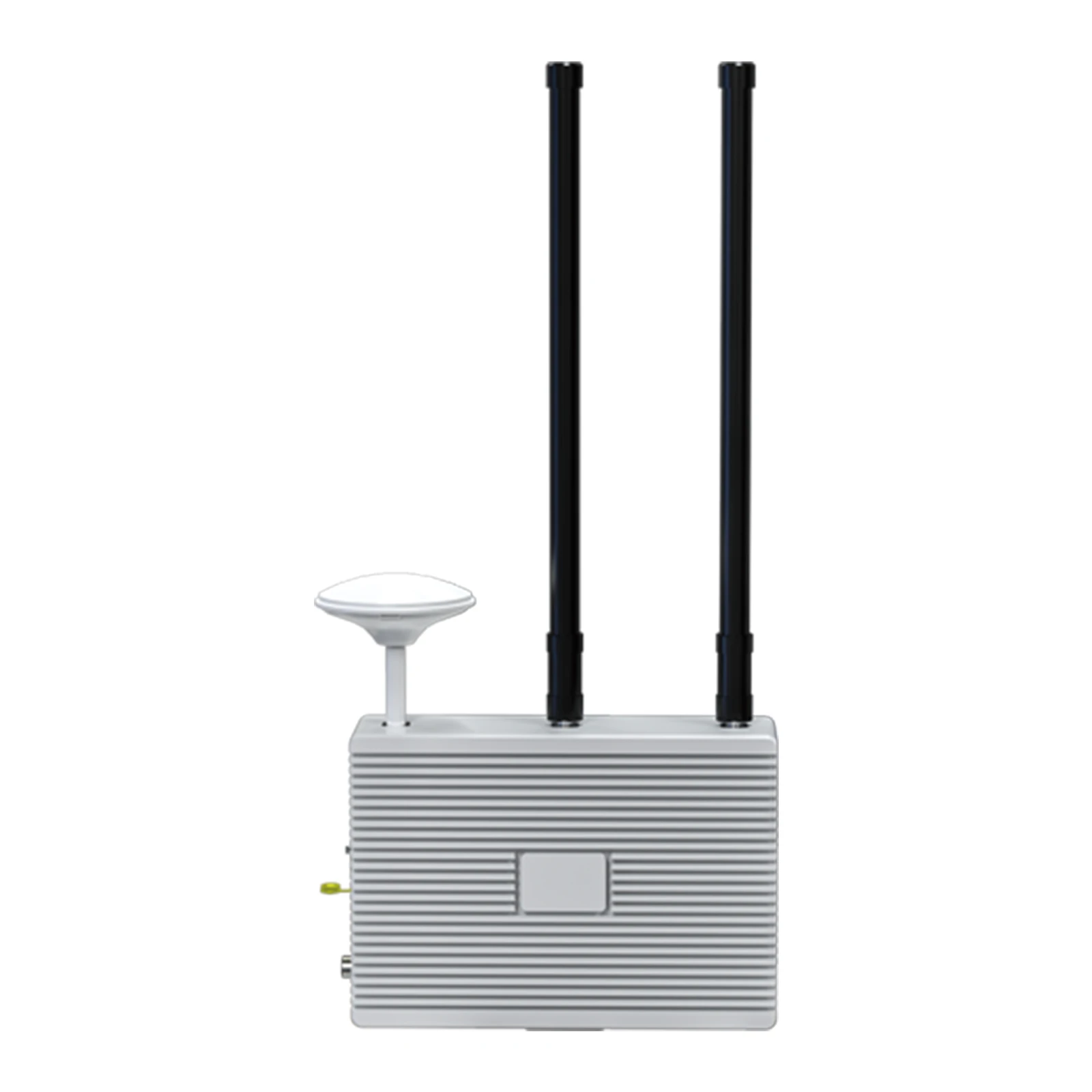
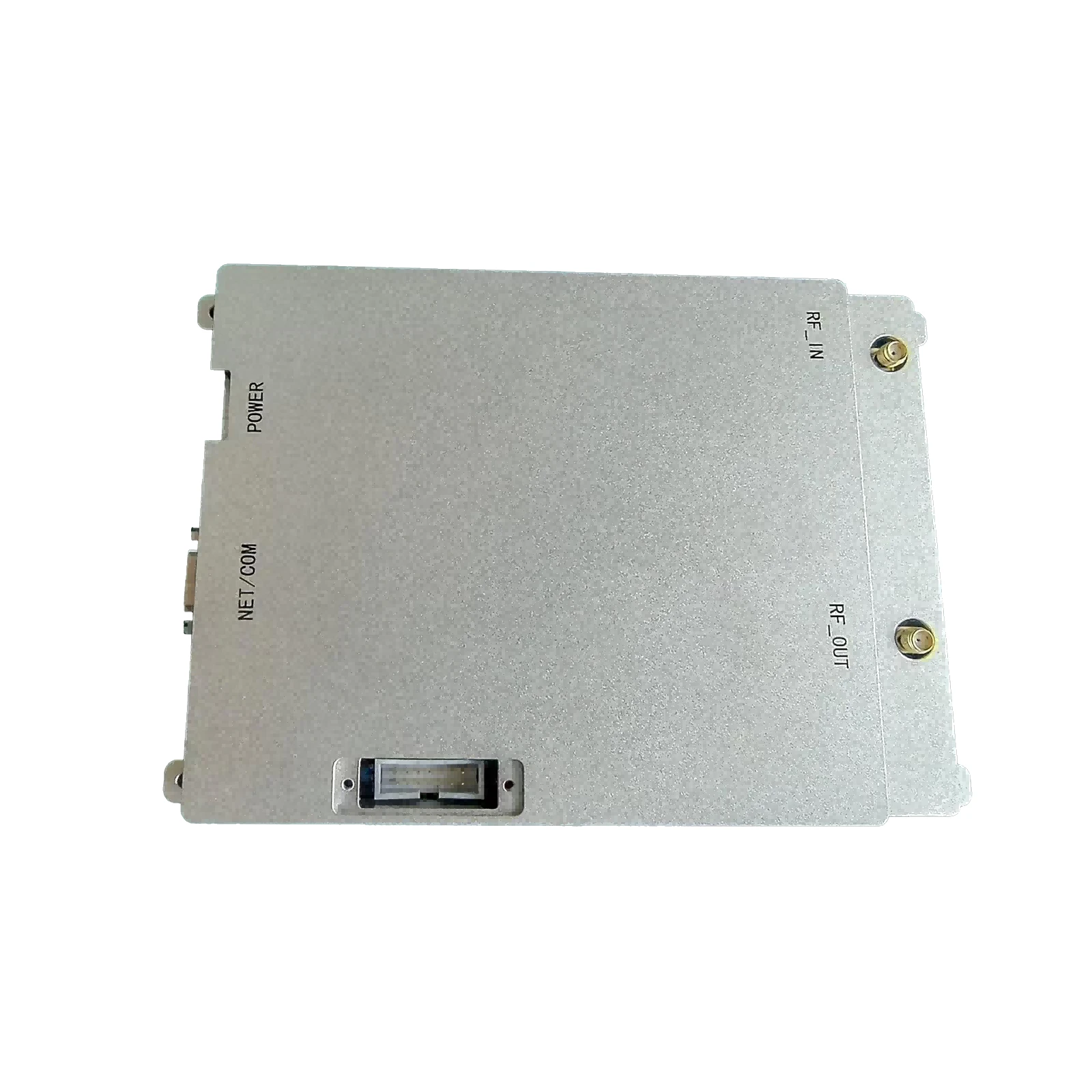
The AOA Passive Spectrum Drone Detector for 10km is engineered for precision and reliability, leveraging advanced Angle-of-Arrival (AOA) technology combined with sophisticated spectrum analysis. This passive detection system monitors drone RF communication links, identifying and locating UAVs by analyzing their unique spectral signatures.
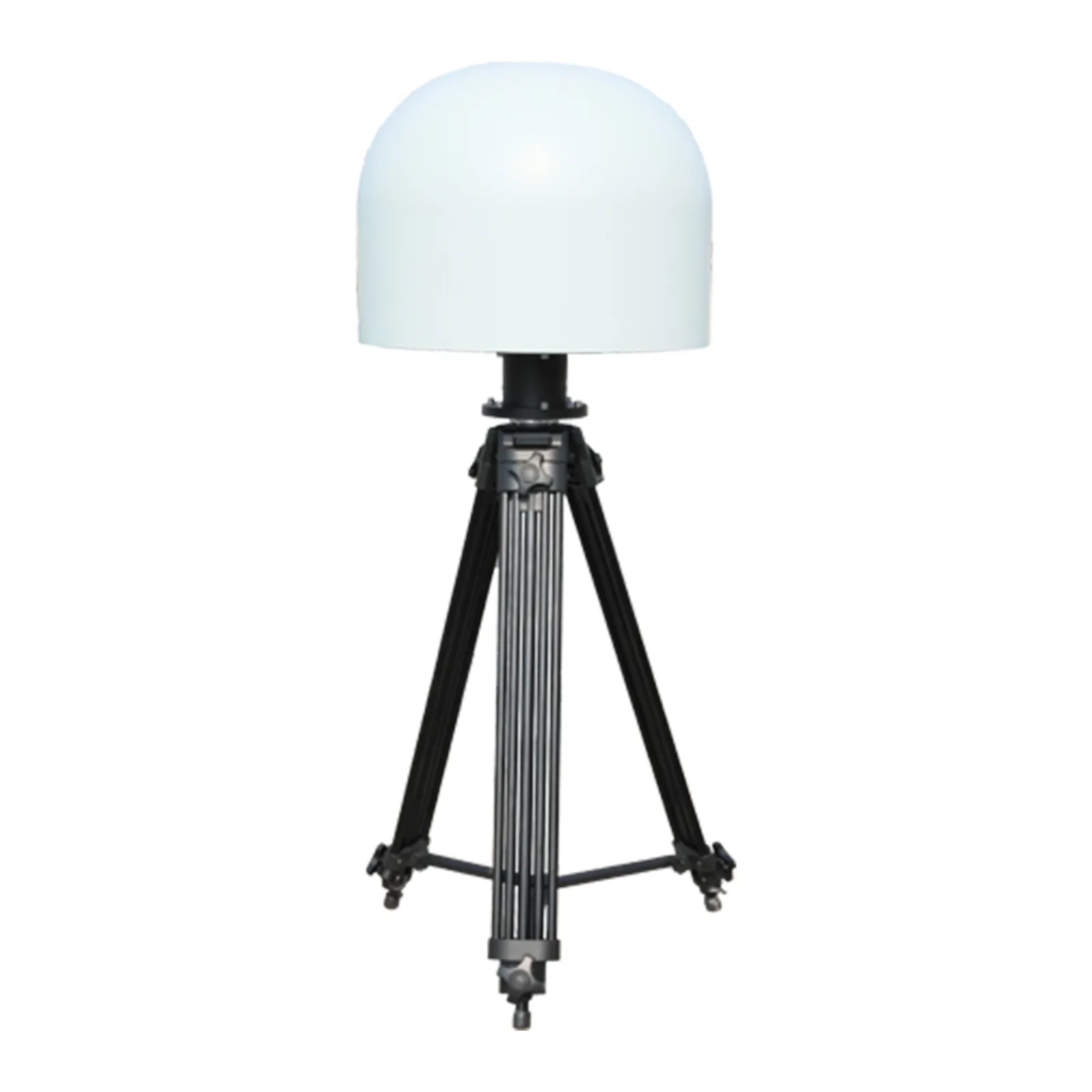
Key Technical Parameters:
| Parameter | Specification |
|---|---|
| Detection Range | Up to 10 km (typical for common COTS drones) |
| Detection Principle | Passive RF Spectrum Analysis, Angle-of-Arrival (AOA) |
| Frequency Bands Covered | 2.4 GHz, 5.8 GHz ISM bands, other proprietary drone frequencies (configurable) |
| Drone Types Detected | Consumer drones, commercial drones, FPV drones (select models) |
| Angle-of-Arrival Accuracy | Typically ±5 degrees (azimuth and elevation) |
| Detection Latency | Less than 2 seconds |
| Output Interface | Ethernet (TCP/IP), RS-485, Dry Contact Alarms |
| Operating Temperature | -30°C to +60°C |
| Ingress Protection (IP) Rating | IP66 (weather-resistant) |
| Power Supply | DC 12V-24V, PoE+ (optional) |
The system utilizes Software-Defined Radio (SDR) technology to achieve broad spectrum coverage and adaptability to new drone communication protocols. Its robust design ensures continuous operation in challenging environmental conditions, making it suitable for critical infrastructure protection.
Manufacturing Process Flow of the AOA Passive Spectrum Drone Detector for 10km
The production of the AOA Passive Spectrum Drone Detector for 10km follows stringent quality control and precision engineering protocols, ensuring exceptional reliability and performance. Our manufacturing process integrates advanced techniques and adheres to international standards, reflecting our commitment to durability and operational excellence. The targeted industries for this detector include petrochemical plants, metallurgy facilities, water supply & drainage systems, critical national infrastructure, military installations, and large-scale event security.
- Component Sourcing and Qualification: Raw materials and electronic components, including high-frequency PCBs, RF amplifiers, SDR modules, and antenna arrays, are sourced from certified suppliers. All components undergo rigorous incoming quality control (IQC) to ensure compliance with IPC standards for electronics and material specifications (e.g., aerospace-grade aluminum alloys for enclosures).
-
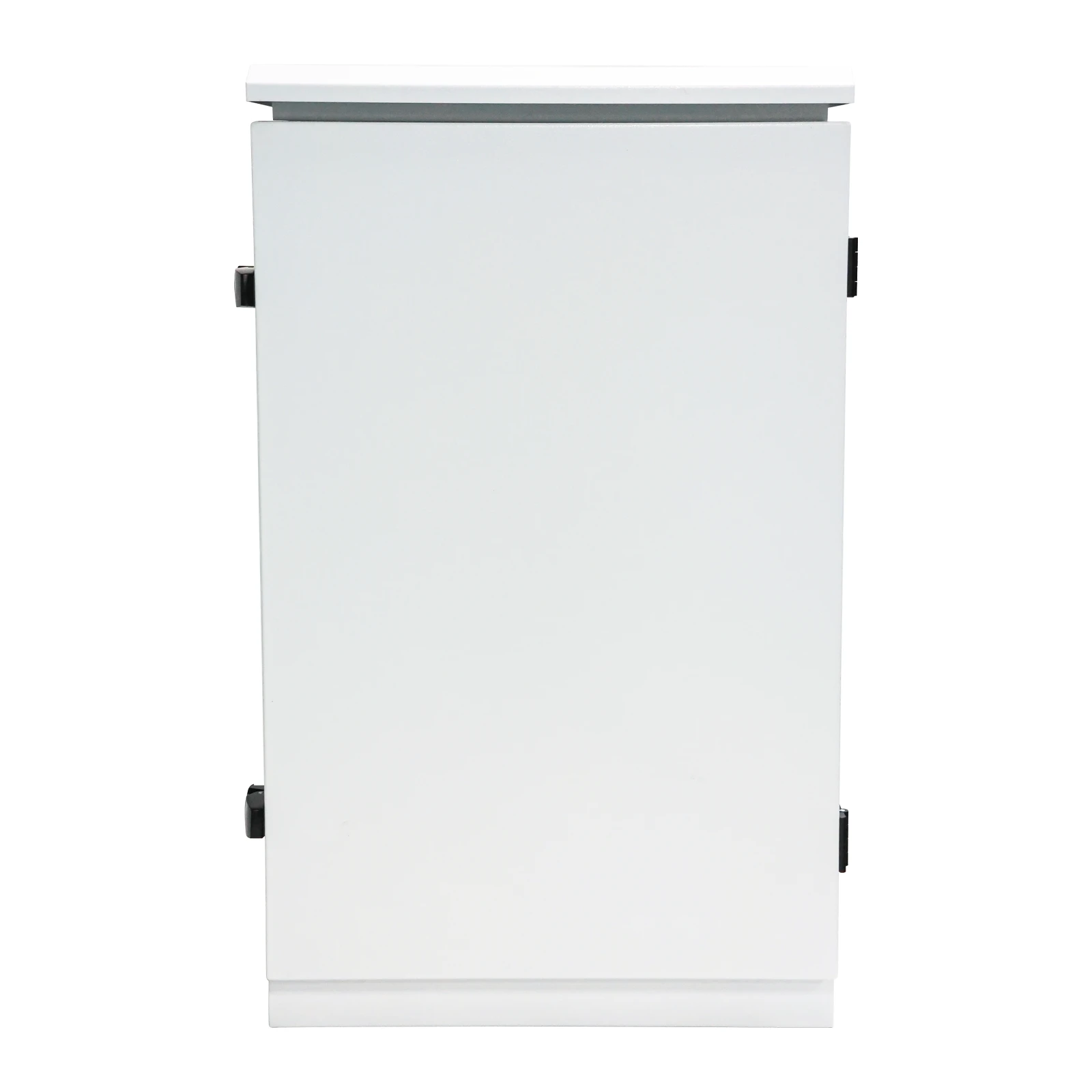
Enclosure Fabrication: The robust, weather-resistant enclosure for the AOA Passive Spectrum Drone Detector for 10km is typically manufactured using high-grade aluminum.
- Casting/Forging (for heavy-duty mounts): Certain structural components, if required for extreme loads or specific form factors, might undergo precision casting or forging processes to achieve superior strength-to-weight ratios and material integrity.
- CNC Machining: Main enclosure parts are precisely machined using multi-axis CNC milling from solid aluminum billets. This ensures tight tolerances for sealing, component fit, and overall structural integrity. Surface treatments like anodizing are applied for enhanced corrosion resistance (e.g., to meet ASTM B117 salt spray test standards). This directly contributes to the product's long service life and corrosion resistance, essential in harsh industrial environments like petrochemical or coastal areas.
- PCB Assembly (PCBA): High-frequency circuit boards are assembled in an ESD-controlled environment using automated pick-and-place machines for surface-mount devices (SMD). Reflow soldering ensures reliable connections. Critical RF paths are carefully designed and manufactured to minimize signal loss and interference, crucial for maintaining the detector's sensitivity and range.
- Antenna Array Integration: The specialized directional antenna arrays, fundamental to AOA capabilities, are meticulously integrated. Each antenna element is calibrated for optimal gain and phase characteristics across the target frequency bands. This process is critical for achieving the specified AOA accuracy.
- Software and Firmware Loading: The embedded operating system, SDR firmware, and drone signature databases are loaded and configured. This software is continuously updated to detect new drone models and communication protocols.
- Initial Functional Testing: Each unit undergoes comprehensive functional testing, including power-on self-tests (POST), network connectivity checks, and basic RF reception verification in a controlled anechoic chamber.
- Calibration and Performance Testing: The core of the manufacturing process involves advanced calibration for AOA accuracy and RF sensitivity. This utilizes specialized test equipment to simulate drone signals from various angles and distances, verifying the 10km detection range and directional accuracy. Testing standards often align with MIL-STD-810G for environmental robustness and ANSI C63.4 for EMI/EMC compliance.
- Environmental Stress Screening (ESS): Selected units undergo ESS, including thermal cycling, vibration testing, and humidity exposure, to identify potential early-life failures and ensure long-term reliability in diverse operating conditions. This contributes to a projected service life of 7-10 years under typical operating conditions.
- Final Assembly and Inspection: Components are sealed, connectors are verified, and the enclosure is closed, ensuring IP66 rating. A final visual inspection and comprehensive system test complete the assembly phase.
- Packaging and Shipping: Units are securely packaged to prevent transit damage, with all necessary documentation and accessories.
Through this meticulous process, the AOA Passive Spectrum Drone Detector for 10km delivers superior performance, energy saving due to its passive nature (minimal power consumption compared to active radar), and exceptional corrosion resistance, making it an ideal solution for challenging industrial and security environments.
Technical Advantages and Application Scenarios
Key Technical Advantages:
- Passive Operation: Unlike active radar systems, the AOA Passive Spectrum Drone Detector for 10km emits no RF signals, ensuring covert operation and zero electromagnetic interference with existing sensitive equipment, such as airport navigation systems or industrial control networks. This is crucial for environments where RF silence is mandated.
- High Accuracy Angle-of-Arrival (AOA): By utilizing advanced AOA techniques, the system provides precise directional information (azimuth and elevation) of detected drones, allowing for immediate visual confirmation or integration with kinetic/non-kinetic countermeasures. This offers a significant advantage over non-directional RF detectors.
- Long-Range Detection (10km): With a robust detection range of up to 10 kilometers, the system provides ample early warning time, critical for implementing effective response protocols and enhancing security perimeters.
- Comprehensive Spectrum Coverage: Designed to monitor key drone communication frequencies (2.4GHz, 5.8GHz, and other proprietary bands), ensuring detection of a wide array of commercial off-the-shelf (COTS) and modified drones. Software-Defined Radio (SDR) architecture allows for rapid adaptation to new drone protocols.
- Low False Alarm Rate: Advanced signal processing and machine learning algorithms differentiate legitimate drone signatures from ambient RF noise, significantly reducing false positives compared to generic RF scanners.
- Scalability and Integration: The modular design allows for scalable deployment, from single-unit installations to networked sensor arrays for broader area coverage. Its open API supports seamless integration with existing security management systems, PTZ cameras, and counter-UAS effectors.
Typical Application Scenarios:
- Critical Infrastructure Protection: Safeguarding power plants, water treatment facilities, oil and gas refineries (petrochemical), and transportation hubs. Its passive nature avoids interference with sensitive operational equipment, contributing to energy saving and ensuring continuous industrial processes without disruption.
- Government and Military Installations: Providing covert perimeter security for high-value assets, military bases, and government buildings, where electromagnetic silence and undetectable operation are paramount.
- Event Security: Ensuring the safety of large public gatherings, sporting events, and concerts by detecting and tracking unauthorized drones, enabling proactive security responses.
- Prisons and Correctional Facilities: Preventing contraband delivery and surveillance attempts by unauthorized drones, enhancing security measures.
- Border Control and Customs: Enhancing surveillance capabilities along borders to detect cross-border drone incursions for illegal activities.
- Executive Protection and VIP Security: Offering discreet, high-performance protection for high-profile individuals and convoys against drone threats.
Vendor Comparison: Passive RF vs. Other Detection Technologies
Choosing the right drone detection system requires a thorough understanding of the strengths and limitations of various technologies. The AOA Passive Spectrum Drone Detector for 10km excels in specific operational niches compared to active radar, acoustic, or optical systems.
| Feature/Technology | AOA Passive RF (e.g., AOA Passive Spectrum Drone Detector for 10km) | Active Radar | Acoustic Detection | Optical (EO/IR) |
|---|---|---|---|---|
| Detection Principle | RF emissions from drone/controller | Radar reflection from drone body | Drone rotor sound signatures | Visual/thermal signature of drone |
| Covert Operation | Excellent (no emissions) | Poor (emits high-power RF) | Excellent (no emissions) | Excellent (no emissions) |
| Range | Long (up to 10km) | Very Long (1km-10km+) | Short (0.5km-1km) | Medium (1km-3km) |
| Target Localization | Precise (AOA azimuth & elevation) | Precise (range, azimuth, elevation) | Moderate (general direction) | Precise (once visually acquired) |
| Environmental Impact | Low (no interference) | High (RF interference possible) | Low (sensitive to wind/noise) | Low (affected by fog, darkness) |
| False Alarm Rate | Low (signature analysis) | Medium-High (birds, moving objects) | Medium-High (ambient noise) | Low (AI object recognition) |
| Drone ID/Classification | Excellent (identifies specific models) | Poor (detects size/speed, not type) | Good (identifies rotor type) | Good (visual identification) |
| Cost of Ownership | Moderate | High (power, maintenance) | Low | Moderate-High (high-res optics) |
This comparison highlights the strategic advantage of passive RF detection, especially for applications demanding stealth, long-range early warning, and precise identification without generating electromagnetic emissions. The AOA Passive Spectrum Drone Detector for 10km is a superior choice where covert operation and minimal interference are paramount.
Customized Solutions and Application Case Studies
Tailored Deployments for Unique Requirements:
Understanding that every security environment is unique, we offer highly customized solutions based on the AOA Passive Spectrum Drone Detector for 10km. Our engineering team works closely with clients to design systems that integrate seamlessly with existing security infrastructures and address specific threat profiles.
- Frequency Database Customization: Tailoring the system's drone signature database to include specific local drone models or proprietary communication protocols.
- Geographic Filtering and Exclusion Zones: Programming the system to ignore authorized drones within designated flight paths or to focus detection efforts on specific approach corridors.
- Integration with Command & Control (C2) Platforms: Developing bespoke APIs or middleware to integrate detection data into unified security management systems, alarm panels, or physical security information management (PSIM) platforms.
- Ruggedization and Environmental Adaptations: Custom enclosures and mounting solutions for extreme environmental conditions, such as high-salinity coastal areas (enhanced corrosion resistance) or desert environments.
Real-World Application Case Studies:
Our extensive experience is validated by successful deployments across various high-stakes environments. We maintain ISO 9001 certification for our quality management systems, ensuring consistent product excellence.
Case Study 1: Perimeter Security for a Major Petrochemical Complex
A large petrochemical refinery, operating near a populated area, required robust drone detection without interfering with its sensitive process control systems (DCS/SCADA). Existing active radar solutions were deemed unsuitable due to potential EM interference. We deployed a networked array of AOA Passive Spectrum Drone Detector for 10km units, strategically placed around the facility's 8km perimeter. The passive nature of the detectors ensured zero interference, while their 10km range provided early warning of approaching threats. The system successfully identified and tracked several unauthorized drones attempting surveillance over a six-month period, enabling security teams to intercept and deter the operators. The AOA capability allowed for precise hand-off to PTZ cameras for visual verification, proving invaluable for incident response.
Case Study 2: Covert Surveillance for a National Heritage Site
A globally renowned historical monument faced persistent unauthorized drone flights, posing risks to visitor safety and potential damage to ancient structures. Discretion was paramount to maintain the site's aesthetic and historical integrity. Our solution involved discreetly integrated AOA Passive Spectrum Drone Detector for 10km units, camouflaged within the existing infrastructure. The systems operated silently, detecting drone activity from distances up to 7km and providing precise AOA data to security personnel. This allowed for targeted interception efforts without disrupting visitor experience. The client reported a significant reduction in unauthorized flights within three months of deployment, attributing the success to the system's covert, yet highly effective, detection capabilities.
Case Study 3: Border Control Enhancement in a Remote Region
A national border patrol agency sought to enhance its surveillance capabilities against drones used for illegal cross-border activities in a vast, remote area. Challenges included rugged terrain and limited infrastructure. We deployed a series of self-sufficient AOA Passive Spectrum Drone Detector for 10km units, powered by solar arrays and integrated with satellite communication for data backhaul. The systems provided continuous, long-range detection of suspicious drone activity, alerting patrol units to potential incursions far in advance. The low power consumption of the passive detectors was critical for sustaining operation in off-grid locations. This deployment significantly improved situational awareness and response times in a previously vulnerable sector, demonstrating excellent reliability in extreme conditions, leveraging the product's inherent corrosion resistance and robust design.
Trust and Support: FAQ, Fulfillment, Warranty, and Customer Service
Frequently Asked Questions (FAQ):
- Q: How does the AOA Passive Spectrum Drone Detector for 10km identify specific drone models?
- A: Our system maintains an extensive and continuously updated database of drone RF signatures. By analyzing unique characteristics of control signals and video downlinks (e.g., modulation schemes, frequency hopping patterns, packet structures), it can accurately classify drone types and even specific models. This database is regularly updated by our R&D team.
- Q: Can the detector distinguish between authorized and unauthorized drones?
- A: Yes. The system can be configured with 'white lists' of known, authorized drone IDs or operating frequencies. Additionally, geographic exclusion zones can be defined, allowing the system to flag drones operating outside pre-approved parameters. This enhances operational efficiency and minimizes false alarms.
- Q: Is the system effective against 'silent' or GPS-only drones?
- A: The AOA Passive Spectrum Drone Detector for 10km primarily detects drones communicating via RF. Drones operating strictly on pre-programmed GPS routes without any active RF communication may not be detected by this specific system. For comprehensive coverage against all drone types, including 'silent' drones, we recommend integrating the passive RF detector with complementary technologies like specialized radar or acoustic sensors.
- Q: What are the power requirements for the unit?
- A: The detector operates on a DC 12V-24V power supply, with an average power consumption of less than 20W, making it highly energy-efficient. Power over Ethernet (PoE+) options are available for simplified installation in certain scenarios.
Lead Time and Fulfillment:
Our standard lead time for the AOA Passive Spectrum Drone Detector for 10km is typically 4-6 weeks from order confirmation, depending on customization requirements and order volume. We maintain a robust supply chain and efficient manufacturing processes to ensure timely delivery. For large-scale deployments or urgent requirements, please contact our sales team to discuss expedited fulfillment options.
Warranty Commitment:
We stand behind the quality and reliability of our products. The AOA Passive Spectrum Drone Detector for 10km comes with a standard 2-year limited warranty covering defects in materials and workmanship from the date of purchase. Extended warranty options and service level agreements (SLAs) are available to provide additional peace of mind for critical operations. Our products hold CE and FCC certifications, validating their compliance with international safety and electromagnetic compatibility standards.
Dedicated Customer Support:
Our commitment extends beyond product delivery. We offer comprehensive after-sales support, including:
- Technical Assistance: Our team of expert engineers is available to provide remote and on-site technical support for installation, configuration, troubleshooting, and system optimization.
- Software and Firmware Updates: Regular updates are provided to enhance performance, expand drone signature databases, and introduce new features.
- Training Programs: We offer tailored training sessions for client personnel to ensure proficiency in operating and maintaining the system.
- Service Contracts: Customized service contracts are available for ongoing maintenance, proactive monitoring, and priority support.
Our dedication to client success is paramount, ensuring that your investment in drone detection technology delivers continuous and reliable protection.
References
- Smith, J. D. (2022). "Advances in Passive RF Drone Detection for Critical Infrastructure." Journal of Unmanned Systems Engineering.
- Department of Defense. (2023). "Counter-UAS Technology Assessment Report." Defense Technical Information Center.
- International Organization for Standardization (ISO). (2015). ISO 9001:2015 Quality Management Systems.
- Federal Communications Commission (FCC). (2021). "Guidance on RF Spectrum Monitoring for Law Enforcement."
- Global Market Insights. (2023). "Counter-UAS Market Size, Share & Trends Analysis Report."

-
 09 March 2021 16 Apr 2026
 -
 09 March 2021 09 Apr 2026
 -
 09 March 2021 07 Apr 2026
 -
 09 March 2021 04 Apr 2026
 -
 09 March 2021 31 Mar 2026
-
 09 March 2021 21 May 2025
 -
 09 March 2021 25 Dec 2024
 -
 09 March 2021 14 Oct 2022
-
 09 March 2021 25 Dec 2024
 English
  Arabic
  Belarusian
  Danish
  Dutch
Dutch  French
  German
  Greek
Greek  Japanese
  Korean
  Myanmar
  Polish
  Portuguese
  Russian
  Spanish
  Swedish
  Thai
Thai  Ukrainian
  Vietnamese