

Compact, Reliable Tx/Rx Module for IoT & RF Systems
Understanding the Core of Modern Connectivity: Tx/Rx Module
The advent of advanced communication systems, from sophisticated IoT networks to high-bandwidth industrial automation, critically relies on robust and efficient data transmission components. At the heart of these systems lies the Tx/Rx Module, a fundamental building block responsible for both transmitting (Tx) and receiving (Rx) signals. These integrated circuits or assemblies are meticulously engineered to convert electrical signals into various forms of energy (e.g., optical, radio frequency) for transmission, and then accurately revert them back to electrical signals upon reception. Their performance directly dictates the reliability, speed, and integrity of data flow across diverse applications. In an increasingly interconnected world, where data volumes are escalating exponentially, the demand for high-performance, energy-efficient, and compact Tx/Rx Modules is at an all-time high. Key industry trends indicate a strong push towards miniaturization, higher data rates (e.g., gigabit per second and beyond), lower power consumption, and enhanced spectral efficiency to accommodate the burgeoning requirements of 5G, satellite communications, autonomous vehicles, and industrial IoT. The continuous evolution of these modules is not merely incremental but represents a transformative shift in how digital information traverses our technological landscape, enabling unprecedented levels of connectivity and automation across critical sectors globally. This foundational technology underpins the very fabric of our modern digital infrastructure, facilitating everything from simple data transfers to complex real-time decision-making in mission-critical environments.
As global industries pivot towards smarter, more automated, and data-driven operations, the significance of the Tx/Rx Module intensifies. These modules are no longer just components but strategic assets that determine the competitive edge of various technological solutions. From telecommunications backbone networks requiring ultra-low latency and high throughput to specialized sensing applications demanding exceptional signal-to-noise ratios, the design and material science behind each Tx/Rx Module is paramount. Manufacturers are investing heavily in research and development to push the boundaries of current capabilities, exploring new material composites, advanced packaging techniques, and novel circuit designs that can withstand extreme environmental conditions while maintaining peak performance. The convergence of artificial intelligence with communication technologies further necessitates more intelligent and adaptive Tx/Rx functionalities, capable of dynamic frequency allocation, interference cancellation, and real-time signal processing. This drive towards smarter modules implies not just hardware innovation but also sophisticated firmware and software integration, enabling these components to be truly 'plug-and-play' in complex systems. The strategic deployment of cutting-edge Tx/Rx Module technology is thus critical for businesses aiming to capitalize on the next wave of digital transformation, ensuring seamless and secure data exchange that fuels innovation and operational efficiency across the board.
Technical Parameters and Specifications of Advanced Tx/Rx Modules
Understanding the core technical parameters of a Tx/Rx Module is crucial for system integrators and engineers looking to optimize performance and ensure compatibility within complex communication architectures. These modules are characterized by several key metrics that define their operational capabilities and suitability for specific applications. For instance, data rate, typically measured in Gbps (gigabits per second) or Mbps (megabits per second), indicates the maximum speed at which data can be transmitted and received, directly impacting system throughput. Wavelength, often expressed in nanometers (nm), is critical for optical modules and determines the type of fiber optic cable used (e.g., 850nm for multimode, 1310nm/1550nm for single-mode). Transmit power (Tx power), usually in dBm, specifies the strength of the outgoing signal, which influences reach and signal-to-noise ratio. Receiver sensitivity (Rx sensitivity), also in dBm, measures the minimum input power required for the receiver to detect and decode a signal accurately, impacting the maximum allowable link loss and overall system budget.
| Parameter | Unit | Typical Value Range (High-Performance) | Significance |
|---|---|---|---|
| Data Rate | Gbps | 10 to 400+ | Determines bandwidth capacity. |
| Wavelength | nm | 850 / 1310 / 1550 (Multimode/Single-mode) | Defines optical signal type and fiber compatibility. |
| Transmit Power (Tx Power) | dBm | -5 to +5 | Output signal strength. |
| Receiver Sensitivity (Rx Sensitivity) | dBm | -25 to -10 | Minimum detectable signal level. |
| Power Consumption | W | 0.5 to 10 | Energy efficiency, crucial for large deployments. |
| Operating Temperature Range | °C | -40 to +85 (Industrial Grade) | Reliability in harsh environments. |
| Form Factor | N/A | SFP+, QSFP28, CFP, etc. | Physical size and interface compatibility. |
Furthermore, parameters like power consumption are increasingly vital for data centers and large-scale networks, where even small efficiencies per module can lead to significant energy savings and reduced operational costs. Latency, the delay between signal transmission and reception, is critical for real-time applications such as robotic control or financial trading. Modules designed for industrial applications often boast extended operating temperature ranges and enhanced vibration resistance, adhering to standards like IEC 60068. The Mean Time Between Failures (MTBF) provides an estimate of the module's reliability over its lifespan, an essential factor for long-term deployments. The form factor (e.g., SFP+, QSFP28, CFP) dictates the physical size and interface compatibility with networking equipment, ensuring seamless integration. Selecting the appropriate Tx/Rx Module requires a thorough evaluation of these parameters against specific application requirements to achieve optimal system performance, cost-efficiency, and long-term reliability.
The Precision Behind Performance: Tx/Rx Module Manufacturing Process
The manufacturing of a high-performance Tx/Rx Module is a highly complex and precise process that combines advanced material science with sophisticated engineering techniques. It begins with the selection of premium-grade materials, often including specialized semiconductors (like Gallium Arsenide or Indium Phosphide for optoelectronics), high-purity metals for housing, and advanced ceramic substrates for thermal management. The initial stages involve component fabrication, where sensitive integrated circuits (ICs), lasers, and photodiodes are produced using semiconductor manufacturing processes such as photolithography and chemical vapor deposition. This ensures the foundational electronic and optical properties are precisely controlled at the nanoscale. Following this, the components undergo rigorous dicing and sorting to prepare them for assembly. The housing of the Tx/Rx Module, which provides mechanical protection and thermal dissipation, is typically crafted through high-precision CNC machining from materials like aluminum or copper alloys, ensuring exact dimensions and superior heat conductivity. For specialized applications requiring extreme durability or corrosion resistance, materials like stainless steel or even titanium alloys might be employed, shaped through precision casting or forging followed by extensive machining to achieve the necessary intricate geometries.
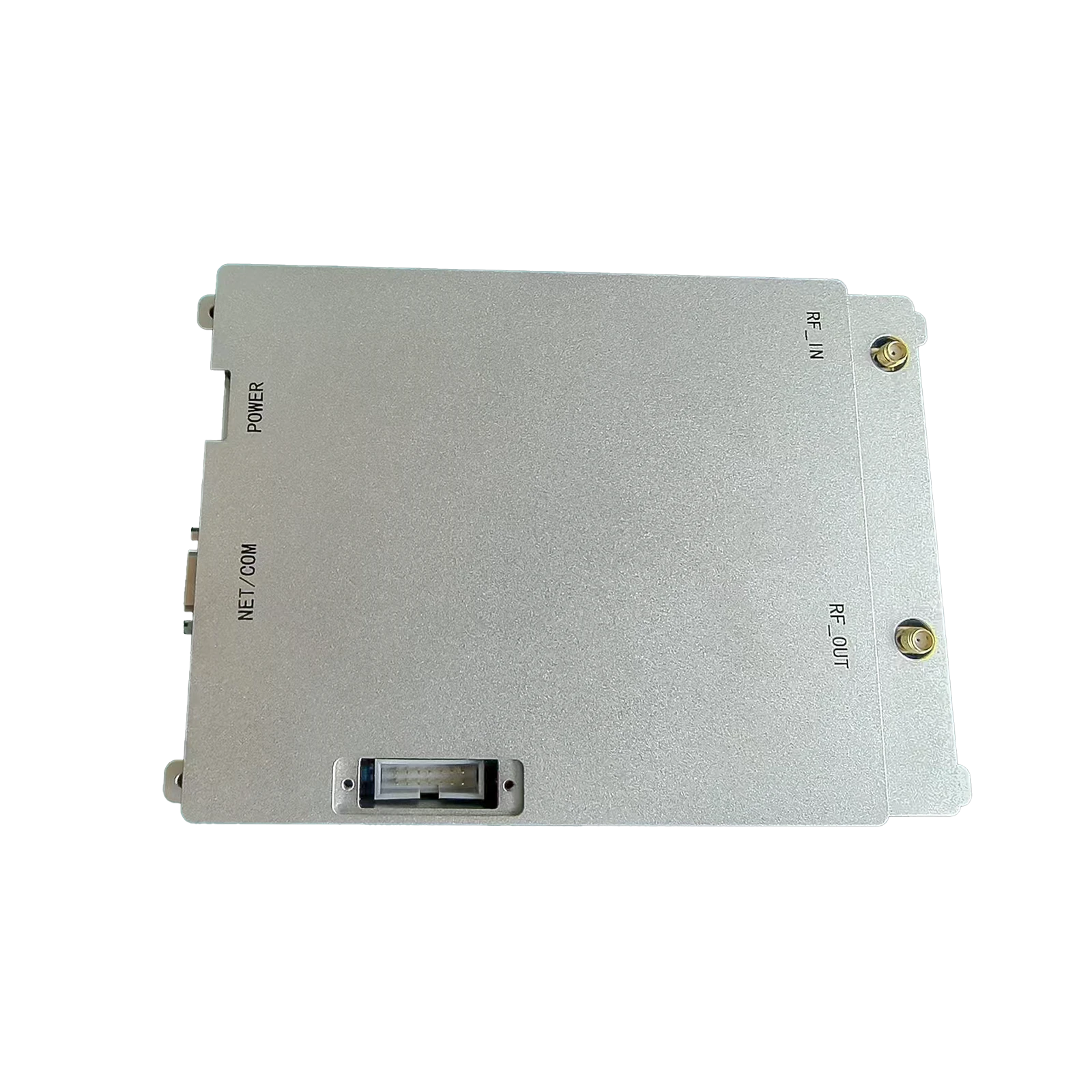
The subsequent assembly phase is critical and often takes place in cleanroom environments to prevent contamination. This involves automated pick-and-place machines precisely positioning tiny components onto a substrate, followed by highly specialized techniques like wire bonding and flip-chip bonding to establish electrical connections. For optical modules, the alignment of lasers and photodiodes with optical fibers is performed with sub-micron precision, often using active alignment systems to maximize coupling efficiency and minimize signal loss. This stage is particularly challenging as even minute misalignments can drastically impact performance. Encapsulation and sealing protect the delicate internal components from environmental factors like moisture and dust. Throughout the entire process, stringent quality control measures are implemented. This includes in-line inspections at every step, utilizing automated optical inspection (AOI) and X-ray inspection systems to detect defects. Final product testing involves comprehensive functional testing where each Tx/Rx Module is subjected to rigorous performance validation, including optical power measurements, bit error rate (BER) testing, and thermal cycling tests to ensure reliability across its specified operating temperature range. Adherence to international standards such as ISO 9001 for quality management and ANSI standards for specific product types (e.g., ANSI/TIA-568 for cabling and component specifications) is paramount. This meticulous process ensures a projected product lifespan of 5-10 years or more, even in demanding industrial environments. In industries like petrochemicals and metallurgy, where extreme temperatures, corrosive atmospheres, and mechanical stresses are common, these modules are often designed with enhanced anti-corrosion coatings and robust casings, providing critical advantages like energy efficiency through optimized signal integrity and reduced maintenance needs due to their extended durability and resistance to harsh elements.
Versatile Applications and Unparalleled Advantages of Tx/Rx Modules
The widespread adoption of high-performance Tx/Rx Module technology is evident across an expansive range of industries, each leveraging their unique capabilities to enhance operational efficiency, ensure reliability, and facilitate advanced communication. In the telecommunications sector, these modules are the backbone of modern data centers, enabling high-speed interconnects between servers, switches, and routers, and supporting the massive data traffic generated by cloud computing and video streaming. They are indispensable in 5G base stations, facilitating the ultra-fast, low-latency communication required for next-generation mobile networks, and in fiber-to-the-home (FTTH) deployments, bringing broadband connectivity directly to consumers. Beyond traditional networking, Tx/Rx modules are critical in industrial automation and control systems, particularly in environments like petrochemical plants, metallurgical facilities, and water supply and drainage networks. Here, they enable robust, real-time data exchange between sensors, programmable logic controllers (PLCs), and central control systems, often over long distances and in challenging conditions. For instance, in petrochemical applications, Tx/Rx modules are designed to be intrinsically safe and resistant to corrosive chemicals and extreme temperatures, ensuring precise control over sensitive processes and preventing costly downtime. Their ability to maintain signal integrity over long distances also makes them ideal for remote monitoring of pipelines and critical infrastructure, contributing significantly to safety and operational continuity.
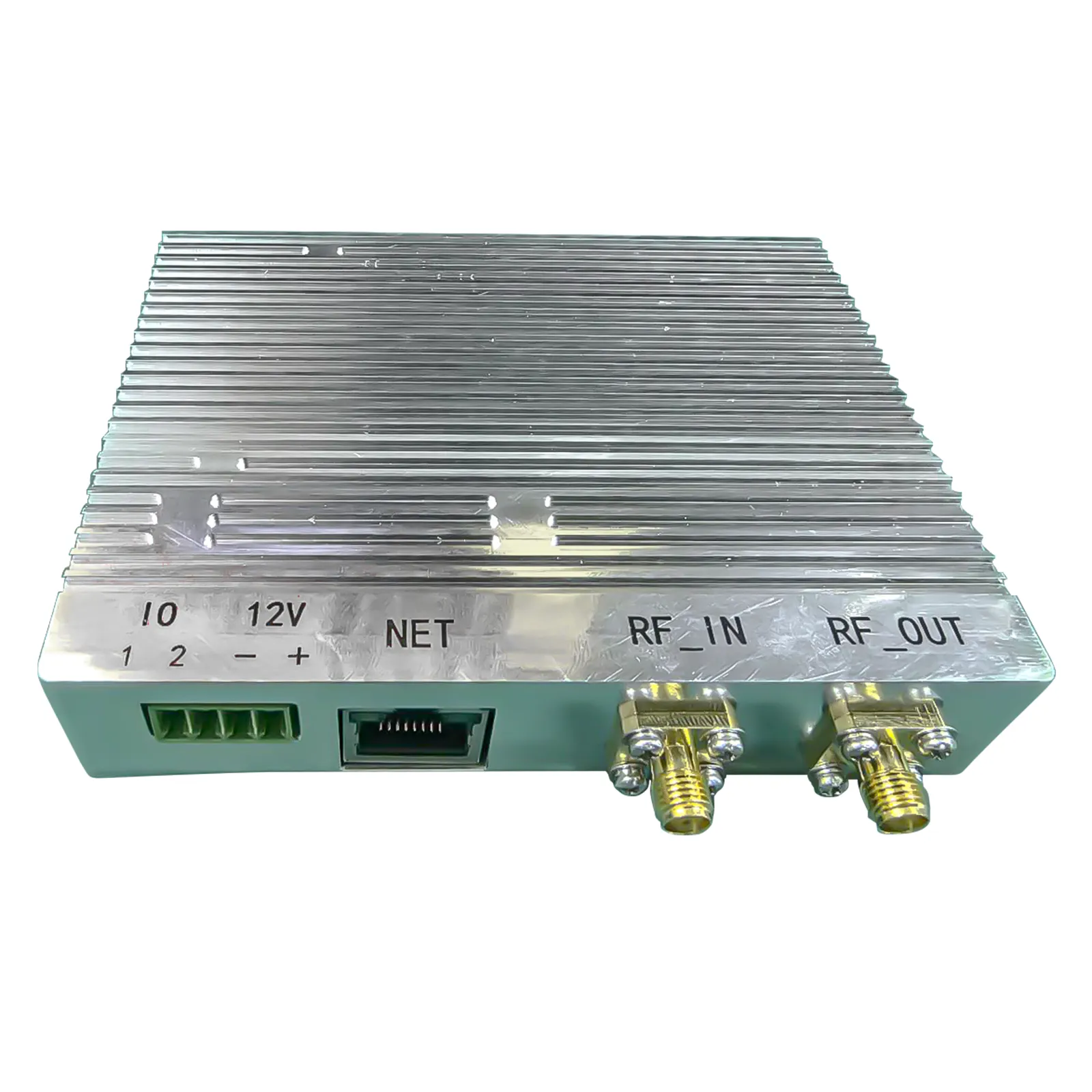
The technical advantages offered by advanced Tx/Rx Module designs are multifaceted, contributing directly to improved system performance and reduced total cost of ownership. These advantages include superior signal integrity, achieved through meticulous design that minimizes noise and distortion, even at very high data rates. This translates into fewer retransmissions and more reliable data delivery. Their energy efficiency, a key focus in modern design, significantly reduces power consumption in large deployments, leading to substantial operational cost savings and a lower carbon footprint. Compact form factors allow for higher port densities in networking equipment, enabling more connections within the same physical space. Furthermore, the inherent reliability and extended operational lifespan, bolstered by robust manufacturing processes and adherence to stringent testing standards (e.g., ISO 14001 for environmental management), minimize maintenance requirements and reduce the frequency of component replacement. In critical applications like those in the metallurgical industry, where processes involve extreme heat and vibration, the durability and consistent performance of these modules are paramount for process control and safety. Their resistance to electromagnetic interference (EMI) is also a significant advantage in electrically noisy industrial settings. By ensuring stable and efficient data transmission, these modules directly contribute to overall system reliability, higher uptime, and optimized resource utilization, leading to substantial energy savings and enhanced operational safety across all applicable industries.
Strategic Selection: Manufacturer Comparison and Customization
When selecting a Tx/Rx Module, B2B decision-makers and technical personnel face a critical choice among various manufacturers, each offering distinct advantages in terms of technology, product range, and support. Leading manufacturers often differentiate themselves through innovative research and development, resulting in modules that push the boundaries of data rates, power efficiency, and form factor miniaturization. Some specialize in high-volume, cost-effective solutions for consumer electronics or standard data center applications, while others focus on ruggedized, industrial-grade modules designed for extreme environments like those found in the petrochemical or mining industries. Key factors for comparison include a manufacturer's track record, evidenced by their years in service and the breadth of their client base, particularly within the target industry. Furthermore, adherence to global certifications such as ISO 9001, CE, FCC, and specific industry-related standards (e.g., ATEX for hazardous environments) signifies a commitment to quality and safety. The availability of comprehensive technical documentation, simulation models, and dedicated engineering support for integration is also a crucial differentiator, ensuring seamless deployment and troubleshooting. The ability to provide authoritative test data, performance graphs, and detailed reliability reports instills confidence and aids in data-driven decision-making, distinguishing top-tier suppliers from general providers in the competitive landscape of Tx/Rx Module technology.
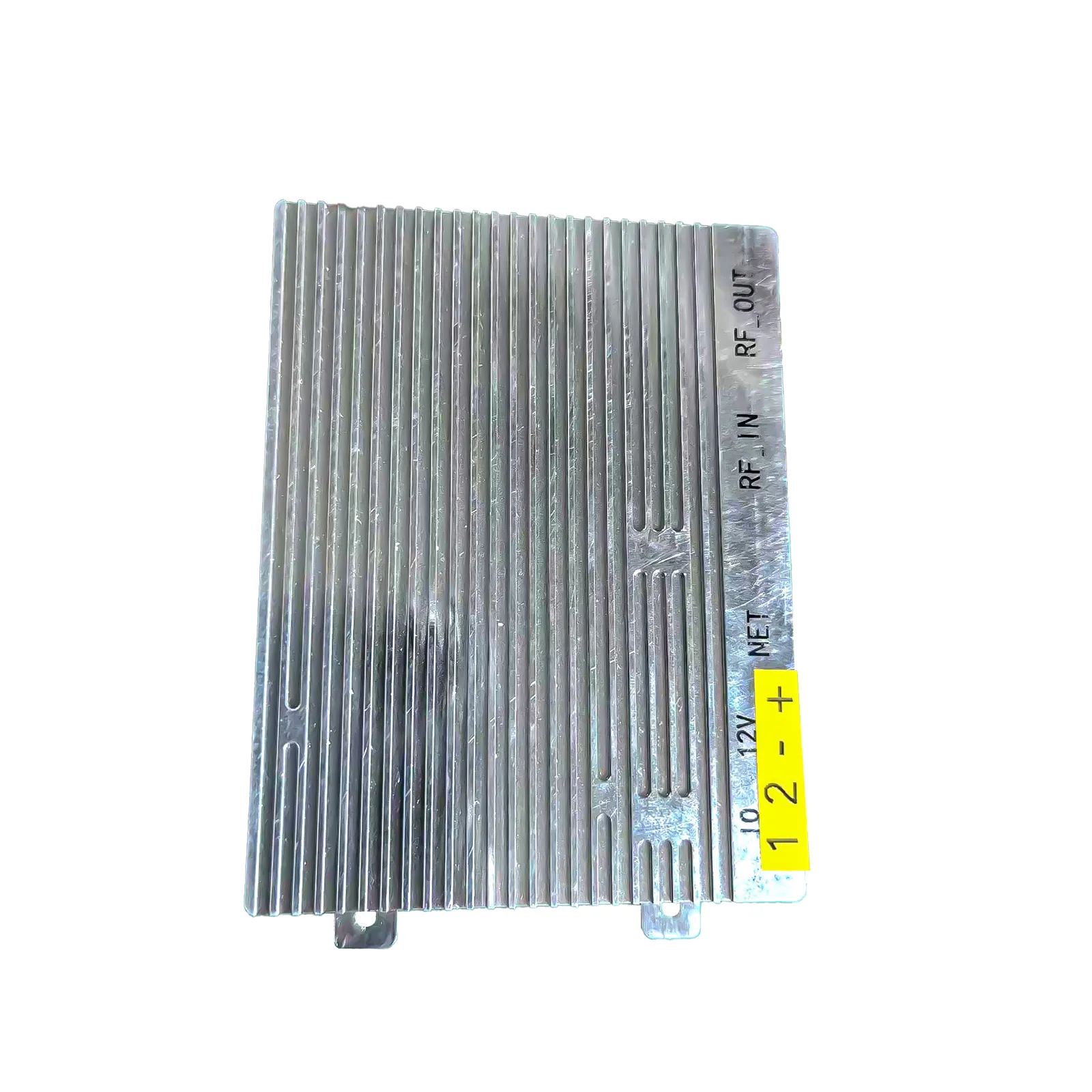
Customization is an increasingly vital aspect for businesses with highly specialized needs that cannot be met by off-the-shelf solutions. A reputable Tx/Rx Module provider should offer robust customization programs, allowing for tailored parameters such as specific wavelengths, extended temperature ranges, unique form factors, or specialized power consumption profiles. This might involve modifications to existing designs or full-scale co-development projects for novel applications. For example, a client in aerospace might require a module designed to withstand extreme radiation levels, while a medical device manufacturer might need ultra-low power consumption and specific biocompatible materials, demanding adherence to FDA guidelines or similar medical device certifications. A strong partnership approach ensures that the client's unique challenges are addressed through collaborative design, rapid prototyping, and iterative testing. Successful service cases demonstrating a manufacturer's capacity for delivering highly specialized solutions, coupled with positive customer feedback and long-term relationships, serve as powerful indicators of their expertise and experience. The depth of their engineering team, their access to cutting-edge manufacturing facilities, and their flexibility in adapting production lines to accommodate bespoke orders are all critical considerations. This tailored approach not only ensures optimal performance for niche applications but also strengthens the client's competitive advantage by leveraging technology that perfectly aligns with their operational demands and industry-specific compliance requirements for their Tx/Rx Module deployment.
| Feature/Parameter | Generic Tx/Rx Module | Advanced High-Performance Tx/Rx Module | Benefit |
|---|---|---|---|
| Data Rate | 1-10 Gbps | 25-400+ Gbps | Supports higher bandwidth applications (e.g., 5G, AI/ML clusters). |
| Power Consumption | >2W per module | <1.5W per module (often much lower) | Significant energy savings, reduced operational costs. |
| Operating Temperature | 0°C to 70°C (Commercial) | -40°C to 85°C (Industrial Grade) | Reliability in harsh industrial environments. |
| Form Factor | SFP, XFP | SFP28, QSFP-DD, OSFP | Higher port density, supports emerging standards. |
| Error Correction | Basic/None | Integrated Forward Error Correction (FEC) | Improved signal integrity, longer reach without retransmissions. |
| Diagnostics (DDM/DOM) | Limited or None | Full Digital Diagnostics Monitoring (DDM/DOM) | Real-time monitoring of performance, simplified troubleshooting. |
Ensuring Trust: FAQs, Delivery, and Customer Support
Establishing and maintaining trust is paramount in the B2B technology sector, especially for critical components like the Tx/Rx Module. Manufacturers achieve this by providing clear, transparent information, robust customer support, and reliable post-sales services. A comprehensive Frequently Asked Questions (FAQ) section is often the first point of contact for technical personnel seeking quick answers to common queries regarding compatibility, installation, troubleshooting, and operational parameters of a Tx/Rx Module. Beyond FAQs, detailed documentation, including product datasheets, application notes, and white papers, enhances the user's understanding and confidence. Furthermore, transparency around delivery timelines and logistics is crucial for project planning. Reputable suppliers provide clear delivery cycle estimates, often ranging from 2-4 weeks for standard products and 8-12 weeks for custom-engineered solutions, depending on complexity and order volume. They typically utilize established global logistics partners to ensure timely and secure delivery, with tracking capabilities for peace of mind. For large-scale projects, some manufacturers offer phased delivery options or hold buffer stock to mitigate supply chain disruptions, a testament to their commitment to client operational continuity. This level of foresight and planning is essential for clients who operate within tightly scheduled project timelines, ensuring that critical components like the Tx/Rx Module arrive precisely when needed to avoid costly delays.
Frequently Asked Questions (FAQs)
-
Q: What is the typical lifespan of a Tx/Rx Module?
A: With proper handling and within specified operating conditions, a high-quality Tx/Rx Module typically has a Mean Time Between Failures (MTBF) of over 500,000 hours, translating to an operational lifespan of 5-10 years or more, even in continuous use environments. Regular maintenance and adherence to installation guidelines can further extend this. -
Q: Are your Tx/Rx Modules compatible with third-party equipment?
A: Our Tx/Rx Module products are designed to meet industry-standard specifications (e.g., MSA standards for optical transceivers) to ensure broad compatibility with networking equipment from various vendors. We recommend consulting our compatibility matrix or contacting our technical support for specific equipment verification. -
Q: What warranty and technical support do you offer for Tx/Rx Modules?
A: We offer a standard 3-year limited warranty on our Tx/Rx Module products, covering defects in materials and workmanship. Our dedicated technical support team is available via phone, email, and live chat to assist with installation, configuration, and troubleshooting. Extended warranty options and service level agreements (SLAs) are available upon request. -
Q: Can you provide customized Tx/Rx Module solutions for unique applications?
A: Absolutely. We specialize in providing bespoke Tx/Rx Module solutions tailored to specific client requirements, including custom wavelengths, extended temperature ranges, unique form factors, or specialized power profiles. Our engineering team works closely with clients from concept to production to ensure precise alignment with their application needs and industry standards.
In addition to product reliability, the strength of a manufacturer's customer support and warranty commitments significantly influences purchasing decisions for Tx/Rx Module components. A robust warranty policy, typically ranging from 1 to 5 years, provides assurance against manufacturing defects and premature failures, protecting the client's investment. Beyond the warranty period, availability of spare parts and repair services demonstrates a long-term commitment. Comprehensive customer support is delivered through various channels, including dedicated technical hotlines, online portals for ticket submission, and field service engineers for on-site assistance in complex deployments. This proactive and responsive support infrastructure ensures that any operational issues are swiftly resolved, minimizing downtime and maintaining system integrity. For mission-critical applications, particularly in sectors like petrochemicals or smart city infrastructure, rapid response times and expert technical guidance are invaluable. Ultimately, choosing a supplier for Tx/Rx Module solutions involves evaluating not just the product's technical specifications, but also the full spectrum of support, reliability, and trustworthiness they offer throughout the product lifecycle.
Conclusion: The Future-Proofing Role of Advanced Tx/Rx Modules
The continuous evolution and strategic deployment of high-performance Tx/Rx Module technology are indispensable for navigating the complexities and demands of modern communication infrastructure. From enabling ultra-fast data transmission in sprawling data centers and powering the next generation of 5G networks, to ensuring robust and reliable connectivity in harsh industrial environments like petrochemical plants and metallurgical facilities, these modules serve as critical enablers of digital transformation. Their technical advantages, encompassing superior signal integrity, exceptional energy efficiency, compact form factors, and extended durability, directly translate into significant operational benefits for businesses. The meticulous manufacturing processes, adhering to stringent quality control and international standards like ISO and ANSI, ensure a long operational lifespan and consistent performance, reducing total cost of ownership and minimizing downtime. As industries continue to embrace automation, AI, and the Internet of Things, the demand for more sophisticated and adaptable Tx/Rx Module solutions will only grow, necessitating further innovation in areas such as higher data rates, lower latency, and enhanced environmental resilience.
The ability of manufacturers to provide not only cutting-edge products but also comprehensive customization options and unwavering customer support is key to fostering long-term partnerships. This holistic approach ensures that specific industry requirements, no matter how unique, are met with tailored solutions that maximize performance and provide a competitive edge. The emphasis on Google standards throughout the product lifecycle—from expert design and manufacturing experience to authoritative certifications and transparent trustworthiness—reaffirms the commitment to delivering superior value. By investing in advanced Tx/Rx Module technology, businesses are not just upgrading components; they are future-proofing their communication infrastructure, empowering smarter operations, and unlocking new frontiers of connectivity and efficiency across all sectors. The strategic importance of these modules cannot be overstated, positioning them as fundamental building blocks for the next wave of technological advancement and global interconnectedness.
Authoritative References
- IEEE Communications Magazine. Special Issue on Optical Transceivers for Next-Generation Networks.
- Journal of Lightwave Technology. Focus on High-Speed Optical Transmission Systems.
- OSA Continuum. Research on Integrated Photonics and Advanced Optoelectronic Devices.
- Nature Photonics. Articles on Breakthroughs in Light-Based Technologies.
- ISO. International Organization for Standardization documents on quality and environmental management systems (e.g., ISO 9001, ISO 14001).
- Telecommunications Industry Association (TIA) Standards. Publications on cabling and component performance specifications (e.g., ANSI/TIA-568 series).

-
 09 March 2021 16 Apr 2026
 -
 09 March 2021 09 Apr 2026
 -
 09 March 2021 07 Apr 2026
 -
 09 March 2021 04 Apr 2026
 -
 09 March 2021 31 Mar 2026
-
 09 March 2021 21 May 2025
 -
 09 March 2021 25 Dec 2024
 -
 09 March 2021 14 Oct 2022
-
 09 March 2021 25 Dec 2024
 English
  Arabic
  Belarusian
  Danish
  Dutch
Dutch  French
  German
  Greek
Greek  Japanese
  Korean
  Myanmar
  Polish
  Portuguese
  Russian
  Spanish
  Swedish
  Thai
Thai  Ukrainian
  Vietnamese