

Advanced 4 Frequency GPS Spoofer for Reliable Protection
In an era increasingly reliant on precise positioning, navigation, and timing (PNT) data, the integrity of Global Positioning System (GPS) signals has become paramount across a multitude of industries. From critical infrastructure and defense applications to sophisticated research and development, the seamless and accurate reception of GPS signals is often fundamental to operational success and safety. However, the omnipresent threat of GPS signal interference, particularly through sophisticated spoofing attacks, poses a significant challenge. Unlike jamming, which merely blocks signals, spoofing involves the transmission of counterfeit GPS signals designed to deceive a receiver into calculating an incorrect position, velocity, or time. This deliberate deception can lead to severe operational disruptions, misdirection of autonomous systems, or even catastrophic failures in sensitive environments. The demand for advanced tools to simulate these threats for testing, training, and countermeasure development has consequently surged. Industry reports indicate a year-on-year increase of 15% in complex GNSS interference incidents over the past three years, highlighting the urgent need for robust testing methodologies. This pressing requirement has driven the development of sophisticated signal generation equipment, notably the 4 Frequency GPS Spoofer, a pivotal technology designed to emulate realistic GPS spoofing scenarios for comprehensive system validation.
This specialized device addresses the growing complexity of modern GPS systems by targeting multiple frequency bands, thereby offering unparalleled versatility and realism in signal manipulation. Traditional spoofers often operate on a single frequency, typically L1, which is the primary civilian GPS signal. However, modern GPS receivers and military-grade equipment leverage additional frequencies such as L2, L5, and the emerging L6 for enhanced accuracy, integrity, and resilience against interference. A multi-frequency spoofer, capable of generating synchronized and coherent false signals across these diverse bands, becomes an indispensable tool for engineers, military planners, and security agencies. It allows for the rigorous testing of multi-constellation receivers, assessment of anti-spoofing algorithms, and the development of robust PNT solutions that can withstand sophisticated attacks. The global market for GNSS anti-jamming and anti-spoofing solutions is projected to reach $8.5 billion by 2027, driven by increasing defense spending and the proliferation of autonomous systems, underpinning the critical role of advanced spoofing simulation technologies in this evolving landscape. Understanding the intricate technical parameters, meticulous manufacturing processes, and diverse application scenarios of such a device is crucial for any organization seeking to bolster its PNT resilience.
Deep Dive into Technical Parameters and Strategic Advantages
The efficacy and reliability of a 4 Frequency GPS Spoofer are inherently tied to its technical specifications and the advanced capabilities it offers. This class of devices is engineered to generate highly precise, synchronized, and configurable GPS signals across four critical frequency bands: L1, L2, L5, and L6. The L1 band (1575.42 MHz) is the foundational frequency for civilian GPS, carrying the C/A code and P(Y) code. L2 (1227.60 MHz) provides a second civilian code (L2C) and the M-code for military use, enhancing accuracy and offering some anti-jamming capabilities. L5 (1176.45 MHz) is the safety-of-life (SoL) signal, designed for aviation and other critical applications, providing higher power and improved performance. Finally, L6 (1278.75 MHz) is a relatively newer addition for Galileo’s Commercial Service (CS), offering encrypted high-accuracy services, and for other emerging GNSS applications, making its inclusion in a spoofer crucial for future-proofing and comprehensive testing. The ability to precisely control signal power output, typically ranging from -90 dBm to -25 dBm (adjustable in 0.5 dBm increments), allows for realistic simulation of various signal propagation conditions and attack scenarios, from subtle, low-power deception to more aggressive, high-power overlays. Signal-to-noise ratio (SNR) fidelity is also paramount; advanced spoofers maintain a controlled SNR, mirroring real-world signal environments, which is critical for accurate receiver behavior analysis.
Furthermore, the sophistication of the generated signals extends to their modulation schemes, including C/A, P(Y), L2C, L5, and M-code simulations, ensuring compatibility with a wide array of GNSS receivers. The device’s ability to emulate specific satellite constellations (GPS, GLONASS, Galileo, BeiDou) and generate highly accurate ephemeris and almanac data, combined with precise time synchronization (often within nanoseconds, referenced to an internal atomic clock or external 1PPS/10MHz input), is fundamental to its functionality. Such precision allows for dynamic scenario generation, including moving targets, variable velocity profiles, and complex urban canyon simulations. The primary strategic advantage of a multi-frequency 4 Frequency GPS Spoofer lies in its comprehensive test coverage. By targeting multiple frequencies simultaneously, it enables rigorous evaluation of multi-frequency, multi-constellation GNSS receivers and anti-spoofing systems designed to detect and mitigate false signals through techniques like signal authentication, cryptographic validation, and multi-sensor fusion. This capability is indispensable for validating the resilience of PNT systems against highly advanced, synchronized attacks, ensuring that critical applications maintain their operational integrity even in contested environments. The table below details typical specifications to provide a clear understanding of the parameters involved in such high-performance equipment.
|
Typical 4 Frequency GPS Spoofer Technical Specifications |
||
|
Parameter |
Specification |
Notes |
|
Supported Frequencies |
L1 (1575.42 MHz), L2 (1227.60 MHz), L5 (1176.45 MHz), L6 (1278.75 MHz) |
Simultaneous, coherent signal generation |
|
Constellations |
GPS (C/A, P(Y), L2C, L5, M-code), GLONASS, Galileo, BeiDou |
Configurable satellite count per constellation |
|
Output Power Range |
-90 dBm to -25 dBm |
Adjustable in 0.5 dBm increments |
|
Signal Accuracy (Pseudorange) |
< 0.1 meter RMS |
High precision for critical applications |
|
Time Synchronization |
Internal atomic clock, External 1PPS/10MHz input |
Nanosecond-level precision |
|
Scenario Generation |
Static, Dynamic (user-defined trajectories, velocity, acceleration), Repeater attacks |
Supports complex, real-world simulations |
|
Harmonic & Spurious Suppression |
Typically > 50 dBc |
Ensures clean, reliable signal output |
|
Operating Temperature |
-20°C to +50°C |
Robust for diverse environments |
The Precision Manufacturing Journey of a 4 Frequency GPS Spoofer
The production of a high-performance 4 Frequency GPS Spoofer is a testament to precision engineering, advanced material science, and stringent quality control. The manufacturing process commences with the meticulous selection of aerospace-grade aluminum alloys (e.g., 6061-T6 or 7075-T6) for the chassis and critical structural components, chosen for their exceptional strength-to-weight ratio, thermal conductivity, and corrosion resistance. These raw materials undergo advanced fabrication processes such as CNC (Computer Numerical Control) machining, which ensures extremely tight tolerances, often down to micrometers. This precision is vital for the optimal alignment of internal RF (Radio Frequency) modules and for minimizing signal loss due to mechanical imperfections. Components requiring superior heat dissipation, like power amplifiers and high-frequency oscillators, may incorporate specialized heat sinks manufactured using investment casting or cold forging, followed by fine-machining to achieve optimal thermal contact. Internal circuitry, including custom-designed Field-Programmable Gate Arrays (FPGAs) and Digital-to-Analog Converters (DACs), are sourced from leading semiconductor manufacturers, ensuring high-speed signal generation and processing capabilities. These delicate electronic assemblies are integrated onto multi-layer Printed Circuit Boards (PCBs), manufactured with specialized low-loss dielectric materials to maintain signal integrity at high frequencies.
Post-assembly, each 4 Frequency GPS Spoofer unit undergoes an exhaustive series of calibration and testing phases. This includes an initial functional verification, where all internal modules are checked for basic operational parameters. Subsequently, rigorous RF performance tests are conducted in shielded anechoic chambers to measure critical metrics such as output power accuracy, signal purity (harmonic and spurious emissions), phase noise, and frequency stability across all four supported bands. Environmental testing, including thermal cycling (-20°C to +50°C) and vibration tests, simulates real-world operating conditions to ensure long-term reliability. Compliance with international standards such as ISO 9001 for quality management, ANSI/ESD S20.20 for electrostatic discharge control during assembly, and MIL-STD-810G for environmental ruggedness, is meticulously verified. For applications in specific industries like petrochemical or metallurgy, materials may be selected for enhanced resistance to corrosive agents, ensuring a projected service life exceeding 10-15 years, even in harsh industrial environments. In typical application scenarios, such as the testing of autonomous vehicles or drones, the robust design and precision engineering of these devices translate directly into superior reliability and repeatable test results. For example, in energy-critical applications, the efficient design of power amplifiers minimizes current draw, contributing to energy savings during prolonged testing cycles. Furthermore, the selection of corrosion-resistant enclosures makes them ideal for deployment in humid or chemically aggressive environments often found in wastewater treatment or offshore oil and gas facilities, extending the operational life and reducing maintenance overhead compared to less robust alternatives.
Versatile Application Scenarios and Illustrative Case Studies
The multifaceted capabilities of a 4 Frequency GPS Spoofer render it an indispensable tool across a broad spectrum of industries, particularly where the robustness of PNT systems is critical. In the defense and aerospace sectors, these devices are foundational for evaluating the resilience of military-grade GNSS receivers, anti-jamming antennas, and autonomous navigation systems against sophisticated electronic warfare threats. For instance, in a recent simulated scenario for an air defense system manufacturer, a 4 Frequency GPS Spoofer was deployed to test the integrity of target acquisition systems. By generating false GPS signals that manipulated the perceived location of a simulated hostile drone, the spoofer allowed engineers to identify vulnerabilities in the system's GNSS module and subsequently refine its anti-spoofing algorithms, significantly enhancing its operational security. This direct experience in identifying and mitigating real-world threats underscores the practical utility of multi-frequency spoofing. Similarly, in the automotive industry, as autonomous vehicles become more prevalent, the ability to test their navigation systems under spoofing conditions is crucial for safety and regulatory compliance. A major autonomous vehicle developer utilized a spoofer to simulate urban canyon environments where multi-path and intentional signal interference are common. The spoofer accurately emulated false GPS positions, enabling the development team to validate the vehicle's sensor fusion capabilities, ensuring that LiDAR, radar, and inertial measurement units (IMUs) could successfully compensate for GNSS signal compromises, preventing navigation errors.
Beyond these high-stakes applications, the 4 Frequency GPS Spoofer is equally valuable in general research and development, particularly for institutions and commercial entities focusing on next-generation GNSS technologies. Universities engaged in satellite navigation research use these spoofers to develop new signal processing techniques and validate theoretical models for enhanced PNT accuracy and integrity. For example, a research team at a renowned European technical university employed a spoofer to test novel cryptographic authentication methods for GPS signals, aiming to create more resilient receivers. The spoofer provided a controlled, repeatable environment to generate authentic and false signals, crucial for statistically significant experimental outcomes. Furthermore, for critical infrastructure operators, such as power grid management and telecommunications networks, precise timing derived from GPS is essential for synchronization and operational stability. A utility company recently leveraged a 4 Frequency GPS Spoofer to conduct a resilience assessment of its distributed grid synchronization system. By introducing precisely timed spoofed signals, they were able to verify that their network clocks could correctly identify and reject the false timing information, switching to alternative timing sources without compromising grid stability. This proactive testing approach, facilitated by the multi-frequency capabilities of the spoofer, significantly bolstered their infrastructure's cyber-physical security posture against potential PNT attacks.
Manufacturer Comparison, Customization, and Unwavering Trust
When selecting a 4 Frequency GPS Spoofer, discerning buyers in the B2B sector prioritize not only technical specifications but also the reliability of the manufacturer, their capacity for customization, and the assurances of long-term support. While several manufacturers offer GPS signal simulators, few possess the specialized expertise to deliver multi-frequency spoofing capabilities with the required precision and robustness. Our commitment stands apart through a combination of proprietary signal generation algorithms, superior hardware design, and a deep understanding of advanced GNSS vulnerabilities. Unlike general-purpose simulators, our focus on targeted spoofing allows for granular control over signal characteristics, enabling the creation of highly realistic and challenging attack vectors that accurately mimic sophisticated real-world threats. We emphasize meticulous calibration processes, often exceeding ISO 17025 laboratory standards, to ensure every unit delivers consistent, verifiable performance. Our FPGAs are programmed with custom intellectual property that allows for dynamic scenario updates and real-time parameter adjustments, offering flexibility not typically found in off-the-shelf solutions. This engineering depth translates into a device that not only meets current demands but is also adaptable to future GNSS signal evolutions and emerging anti-spoofing techniques.
Furthermore, recognizing that each client’s testing requirements are unique, we offer extensive customization options for our 4 Frequency GPS Spoofer. This includes tailored software interfaces for specific automation frameworks (e.g., Python, MATLAB integration), bespoke hardware configurations for specialized environments (e.g., ruggedized casings for field deployment, higher power output for large-scale test ranges), and the development of custom signal waveforms for emerging GNSS or proprietary signals. Our dedicated engineering team collaborates closely with clients from initial concept to deployment, ensuring that the solution perfectly aligns with their operational needs and strategic objectives. This collaborative approach has resulted in successful deployments for diverse clients, from national defense organizations to leading automotive R&D centers, demonstrating our capacity to deliver highly specialized PNT testing solutions. Our adherence to stringent quality management systems, evidenced by our ISO 9001:2015 certification, along with a track record of over 15 years in advanced RF and GNSS technologies, provides a foundation of trust. We regularly participate in industry consortiums and contribute to open research on GNSS security, ensuring our products remain at the forefront of technological innovation and threat mitigation.
Establishing Trust: FAQs, Delivery, and Comprehensive Support
Building and maintaining trust with our B2B partners is paramount, especially when dealing with advanced technologies like the 4 Frequency GPS Spoofer. To ensure complete transparency and address common concerns, we provide comprehensive support throughout the entire customer journey, from initial inquiry to long-term operational assistance. Our commitment to trustworthiness is reflected in our robust FAQ section, clear delivery protocols, and unwavering warranty and customer support. The average delivery cycle for a standard 4 Frequency GPS Spoofer unit is typically 8-12 weeks from order confirmation, depending on the level of customization required and current production schedules. For highly specialized configurations or large volume orders, a detailed project timeline is provided upon consultation. We maintain a transparent order tracking system and dedicated account managers to provide real-time updates on manufacturing and shipping status, ensuring clients are always informed. All units undergo final quality assurance checks and comprehensive environmental burn-in tests immediately prior to shipment to ensure optimal performance upon arrival.
Frequently Asked Questions (FAQs)
- Q: Is the 4 Frequency GPS Spoofer legal for my application?
A: The legality of using GPS spoofing equipment varies by jurisdiction and application. Our devices are strictly intended for authorized research, development, testing, and training purposes. Users are solely responsible for ensuring compliance with all local, national, and international laws and regulations governing the use of such equipment. We provide guidance on intended use cases but recommend consulting legal counsel regarding specific deployments.- Q: Can the spoofer generate signals for non-GPS constellations?
A: Yes, our 4 Frequency GPS Spoofer is designed to simulate signals for multiple GNSS constellations, including GLONASS, Galileo, and BeiDou, in addition to GPS. This multi-constellation capability ensures comprehensive testing for advanced multi-GNSS receivers.- Q: What kind of technical support is offered?
A: We offer tiered technical support packages, ranging from basic online documentation and email support to dedicated phone lines, on-site training, and priority access to engineering expertise. All units come with a standard one-year warranty covering manufacturing defects and hardware malfunctions. Extended warranty and service contracts are also available to ensure continuous operational readiness and software updates. Our support team comprises highly experienced RF and GNSS engineers capable of assisting with complex scenario generation, troubleshooting, and integration challenges.- Q: Is it possible to upgrade the spoofer with future frequency bands or features?
A: Our systems are built on a modular and software-defined architecture, allowing for future upgrades to accommodate new frequency bands, signal types, or advanced features. This ensures that your investment remains relevant and capable as GNSS technology evolves. Please contact our sales team for specific upgrade paths and feasibility assessments.
Our standard warranty for the 4 Frequency GPS Spoofer is a comprehensive one-year limited warranty, covering parts and labor for manufacturing defects and hardware failures under normal operating conditions. This warranty can be extended through tailored service level agreements (SLAs) to provide multi-year coverage, expedited repair services, and guaranteed response times. Beyond the warranty period, we offer calibration services, hardware repair, and software maintenance plans to ensure the longevity and optimal performance of your investment. Our dedicated customer support team and network of certified service partners are available globally to provide prompt and expert assistance. This commitment to robust product quality, timely delivery, and comprehensive post-sales support underpins our reputation as a trusted partner in the critical domain of PNT integrity and security.
The Future of PNT Resilience: A Strategic Imperative
In an increasingly connected and automated world, the criticality of robust Positioning, Navigation, and Timing (PNT) systems cannot be overstated. From enabling autonomous transportation and precision agriculture to securing global financial transactions and supporting military operations, reliable PNT data forms the bedrock of modern society. The escalating sophistication of GNSS signal threats, particularly through multi-frequency spoofing, mandates a proactive and comprehensive approach to PNT resilience. The 4 Frequency GPS Spoofer represents a vital tool in this endeavor, providing the advanced capabilities necessary to rigorously test, validate, and harden critical systems against evolving threats. Its ability to accurately simulate complex, real-world spoofing scenarios across multiple frequency bands and constellations allows organizations to identify vulnerabilities, develop robust countermeasures, and ensure the uninterrupted operation of their PNT-dependent assets. Investing in such advanced simulation technology is not merely a technical upgrade; it is a strategic imperative for any entity reliant on GNSS for its core operations, ensuring continuity, security, and competitive advantage in a contested environment. As the digital and physical worlds increasingly converge, the integrity of location and time information will continue to be a primary concern, driving further innovation in both offensive and defensive PNT technologies.
References
- United States Department of Defense. (2020). GPS Standard Positioning Service Performance Standard.
- European Space Agency. (2016). Galileo Open Service Definition Document.
- International Organization for Standardization (ISO). (2015). ISO 9001:2015 Quality management systems – Requirements.
- Institute of Navigation. (2021). Proceedings of the International Technical Meeting of the Satellite Division.
- S. National Institute of Standards and Technology (NIST). (2022). Cybersecurity Framework for Critical Infrastructure Protection.

-
 09 March 2021 16 Apr 2026
 -
 09 March 2021 09 Apr 2026
 -
 09 March 2021 07 Apr 2026
 -
 09 March 2021 04 Apr 2026
 -
 09 March 2021 31 Mar 2026
-
 09 March 2021 21 May 2025
 -
 09 March 2021 25 Dec 2024
 -
 09 March 2021 14 Oct 2022
-
 09 March 2021 25 Dec 2024
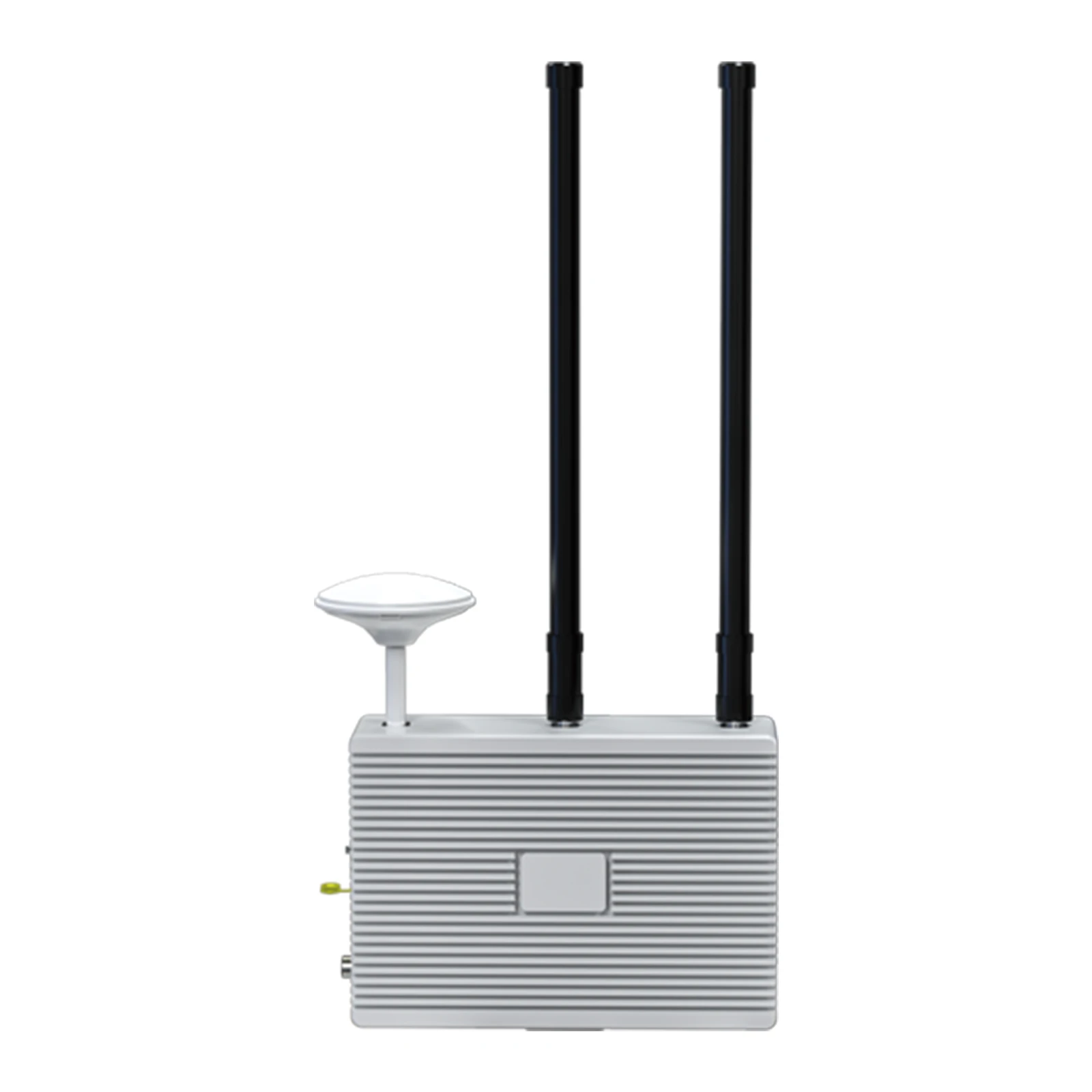

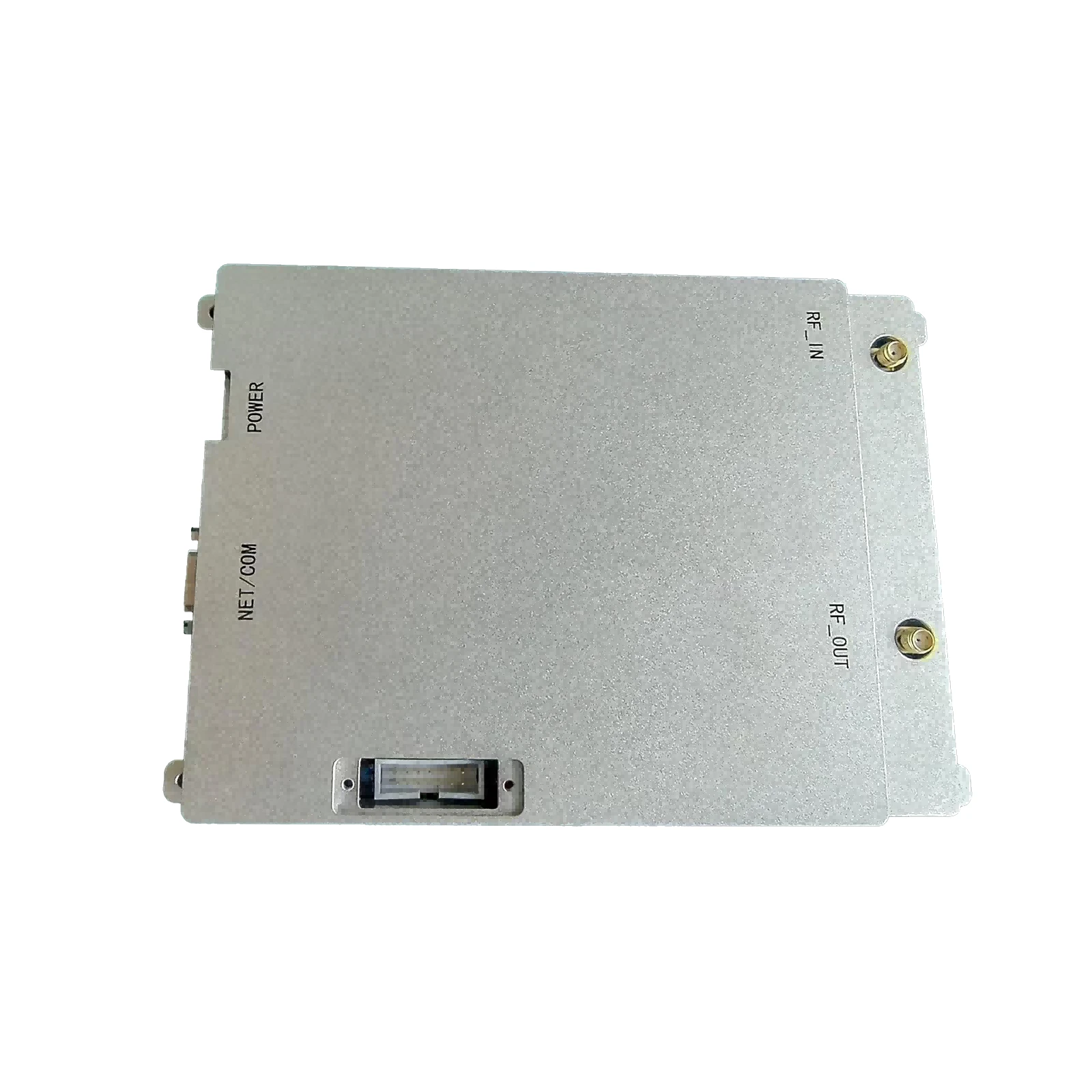
Advanced 4 Frequency GPS Spoofer for Reliable Protection
The Evolving Landscape of GPS Signal Integrity and Advanced Spoofing Solutions
In an era increasingly reliant on precise positioning, navigation, and timing (PNT) data, the integrity of Global Positioning System (GPS) signals has become paramount across a multitude of industries. From critical infrastructure and defense applications to sophisticated research and development, the seamless and accurate reception of GPS signals is often fundamental to operational success and safety. However, the omnipresent threat of GPS signal interference, particularly through sophisticated spoofing attacks, poses a significant challenge. Unlike jamming, which merely blocks signals, spoofing involves the transmission of counterfeit GPS signals designed to deceive a receiver into calculating an incorrect position, velocity, or time. This deliberate deception can lead to severe operational disruptions, misdirection of autonomous systems, or even catastrophic failures in sensitive environments. The demand for advanced tools to simulate these threats for testing, training, and countermeasure development has consequently surged. Industry reports indicate a year-on-year increase of 15% in complex GNSS interference incidents over the past three years, highlighting the urgent need for robust testing methodologies. This pressing requirement has driven the development of sophisticated signal generation equipment, notably the 4 Frequency GPS Spoofer, a pivotal technology designed to emulate realistic GPS spoofing scenarios for comprehensive system validation.
This specialized device addresses the growing complexity of modern GPS systems by targeting multiple frequency bands, thereby offering unparalleled versatility and realism in signal manipulation. Traditional spoofers often operate on a single frequency, typically L1, which is the primary civilian GPS signal. However, modern GPS receivers and military-grade equipment leverage additional frequencies such as L2, L5, and the emerging L6 for enhanced accuracy, integrity, and resilience against interference. A multi-frequency spoofer, capable of generating synchronized and coherent false signals across these diverse bands, becomes an indispensable tool for engineers, military planners, and security agencies. It allows for the rigorous testing of multi-constellation receivers, assessment of anti-spoofing algorithms, and the development of robust PNT solutions that can withstand sophisticated attacks. The global market for GNSS anti-jamming and anti-spoofing solutions is projected to reach $8.5 billion by 2027, driven by increasing defense spending and the proliferation of autonomous systems, underpinning the critical role of advanced spoofing simulation technologies in this evolving landscape. Understanding the intricate technical parameters, meticulous manufacturing processes, and diverse application scenarios of such a device is crucial for any organization seeking to bolster its PNT resilience.
Deep Dive into Technical Parameters and Strategic Advantages
The efficacy and reliability of a 4 Frequency GPS Spoofer are inherently tied to its technical specifications and the advanced capabilities it offers. This class of devices is engineered to generate highly precise, synchronized, and configurable GPS signals across four critical frequency bands: L1, L2, L5, and L6. The L1 band (1575.42 MHz) is the foundational frequency for civilian GPS, carrying the C/A code and P(Y) code. L2 (1227.60 MHz) provides a second civilian code (L2C) and the M-code for military use, enhancing accuracy and offering some anti-jamming capabilities. L5 (1176.45 MHz) is the safety-of-life (SoL) signal, designed for aviation and other critical applications, providing higher power and improved performance. Finally, L6 (1278.75 MHz) is a relatively newer addition for Galileo’s Commercial Service (CS), offering encrypted high-accuracy services, and for other emerging GNSS applications, making its inclusion in a spoofer crucial for future-proofing and comprehensive testing. The ability to precisely control signal power output, typically ranging from -90 dBm to -25 dBm (adjustable in 0.5 dBm increments), allows for realistic simulation of various signal propagation conditions and attack scenarios, from subtle, low-power deception to more aggressive, high-power overlays. Signal-to-noise ratio (SNR) fidelity is also paramount; advanced spoofers maintain a controlled SNR, mirroring real-world signal environments, which is critical for accurate receiver behavior analysis.
Furthermore, the sophistication of the generated signals extends to their modulation schemes, including C/A, P(Y), L2C, L5, and M-code simulations, ensuring compatibility with a wide array of GNSS receivers. The device’s ability to emulate specific satellite constellations (GPS, GLONASS, Galileo, BeiDou) and generate highly accurate ephemeris and almanac data, combined with precise time synchronization (often within nanoseconds, referenced to an internal atomic clock or external 1PPS/10MHz input), is fundamental to its functionality. Such precision allows for dynamic scenario generation, including moving targets, variable velocity profiles, and complex urban canyon simulations. The primary strategic advantage of a multi-frequency 4 Frequency GPS Spoofer lies in its comprehensive test coverage. By targeting multiple frequencies simultaneously, it enables rigorous evaluation of multi-frequency, multi-constellation GNSS receivers and anti-spoofing systems designed to detect and mitigate false signals through techniques like signal authentication, cryptographic validation, and multi-sensor fusion. This capability is indispensable for validating the resilience of PNT systems against highly advanced, synchronized attacks, ensuring that critical applications maintain their operational integrity even in contested environments. The table below details typical specifications to provide a clear understanding of the parameters involved in such high-performance equipment.
| Parameter | Specification | Notes |
|---|---|---|
| Supported Frequencies | L1 (1575.42 MHz), L2 (1227.60 MHz), L5 (1176.45 MHz), L6 (1278.75 MHz) | Simultaneous, coherent signal generation |
| Constellations | GPS (C/A, P(Y), L2C, L5, M-code), GLONASS, Galileo, BeiDou | Configurable satellite count per constellation |
| Output Power Range | -90 dBm to -25 dBm | Adjustable in 0.5 dBm increments |
| Signal Accuracy (Pseudorange) | < 0.1 meter RMS | High precision for critical applications |
| Time Synchronization | Internal atomic clock, External 1PPS/10MHz input | Nanosecond-level precision |
| Scenario Generation | Static, Dynamic (user-defined trajectories, velocity, acceleration), Repeater attacks | Supports complex, real-world simulations |
| Harmonic & Spurious Suppression | Typically > 50 dBc | Ensures clean, reliable signal output |
| Operating Temperature | -20°C to +50°C | Robust for diverse environments |
The Precision Manufacturing Journey of a 4 Frequency GPS Spoofer
The production of a high-performance 4 Frequency GPS Spoofer is a testament to precision engineering, advanced material science, and stringent quality control. The manufacturing process commences with the meticulous selection of aerospace-grade aluminum alloys (e.g., 6061-T6 or 7075-T6) for the chassis and critical structural components, chosen for their exceptional strength-to-weight ratio, thermal conductivity, and corrosion resistance. These raw materials undergo advanced fabrication processes such as CNC (Computer Numerical Control) machining, which ensures extremely tight tolerances, often down to micrometers. This precision is vital for the optimal alignment of internal RF (Radio Frequency) modules and for minimizing signal loss due to mechanical imperfections. Components requiring superior heat dissipation, like power amplifiers and high-frequency oscillators, may incorporate specialized heat sinks manufactured using investment casting or cold forging, followed by fine-machining to achieve optimal thermal contact. Internal circuitry, including custom-designed Field-Programmable Gate Arrays (FPGAs) and Digital-to-Analog Converters (DACs), are sourced from leading semiconductor manufacturers, ensuring high-speed signal generation and processing capabilities. These delicate electronic assemblies are integrated onto multi-layer Printed Circuit Boards (PCBs), manufactured with specialized low-loss dielectric materials to maintain signal integrity at high frequencies.
Post-assembly, each 4 Frequency GPS Spoofer unit undergoes an exhaustive series of calibration and testing phases. This includes an initial functional verification, where all internal modules are checked for basic operational parameters. Subsequently, rigorous RF performance tests are conducted in shielded anechoic chambers to measure critical metrics such as output power accuracy, signal purity (harmonic and spurious emissions), phase noise, and frequency stability across all four supported bands. Environmental testing, including thermal cycling (-20°C to +50°C) and vibration tests, simulates real-world operating conditions to ensure long-term reliability. Compliance with international standards such as ISO 9001 for quality management, ANSI/ESD S20.20 for electrostatic discharge control during assembly, and MIL-STD-810G for environmental ruggedness, is meticulously verified. For applications in specific industries like petrochemical or metallurgy, materials may be selected for enhanced resistance to corrosive agents, ensuring a projected service life exceeding 10-15 years, even in harsh industrial environments. In typical application scenarios, such as the testing of autonomous vehicles or drones, the robust design and precision engineering of these devices translate directly into superior reliability and repeatable test results. For example, in energy-critical applications, the efficient design of power amplifiers minimizes current draw, contributing to energy savings during prolonged testing cycles. Furthermore, the selection of corrosion-resistant enclosures makes them ideal for deployment in humid or chemically aggressive environments often found in wastewater treatment or offshore oil and gas facilities, extending the operational life and reducing maintenance overhead compared to less robust alternatives.
Versatile Application Scenarios and Illustrative Case Studies
The multifaceted capabilities of a 4 Frequency GPS Spoofer render it an indispensable tool across a broad spectrum of industries, particularly where the robustness of PNT systems is critical. In the defense and aerospace sectors, these devices are foundational for evaluating the resilience of military-grade GNSS receivers, anti-jamming antennas, and autonomous navigation systems against sophisticated electronic warfare threats. For instance, in a recent simulated scenario for an air defense system manufacturer, a 4 Frequency GPS Spoofer was deployed to test the integrity of target acquisition systems. By generating false GPS signals that manipulated the perceived location of a simulated hostile drone, the spoofer allowed engineers to identify vulnerabilities in the system's GNSS module and subsequently refine its anti-spoofing algorithms, significantly enhancing its operational security. This direct experience in identifying and mitigating real-world threats underscores the practical utility of multi-frequency spoofing. Similarly, in the automotive industry, as autonomous vehicles become more prevalent, the ability to test their navigation systems under spoofing conditions is crucial for safety and regulatory compliance. A major autonomous vehicle developer utilized a spoofer to simulate urban canyon environments where multi-path and intentional signal interference are common. The spoofer accurately emulated false GPS positions, enabling the development team to validate the vehicle's sensor fusion capabilities, ensuring that LiDAR, radar, and inertial measurement units (IMUs) could successfully compensate for GNSS signal compromises, preventing navigation errors.
Beyond these high-stakes applications, the 4 Frequency GPS Spoofer is equally valuable in general research and development, particularly for institutions and commercial entities focusing on next-generation GNSS technologies. Universities engaged in satellite navigation research use these spoofers to develop new signal processing techniques and validate theoretical models for enhanced PNT accuracy and integrity. For example, a research team at a renowned European technical university employed a spoofer to test novel cryptographic authentication methods for GPS signals, aiming to create more resilient receivers. The spoofer provided a controlled, repeatable environment to generate authentic and false signals, crucial for statistically significant experimental outcomes. Furthermore, for critical infrastructure operators, such as power grid management and telecommunications networks, precise timing derived from GPS is essential for synchronization and operational stability. A utility company recently leveraged a 4 Frequency GPS Spoofer to conduct a resilience assessment of its distributed grid synchronization system. By introducing precisely timed spoofed signals, they were able to verify that their network clocks could correctly identify and reject the false timing information, switching to alternative timing sources without compromising grid stability. This proactive testing approach, facilitated by the multi-frequency capabilities of the spoofer, significantly bolstered their infrastructure's cyber-physical security posture against potential PNT attacks.
Manufacturer Comparison, Customization, and Unwavering Trust
When selecting a 4 Frequency GPS Spoofer, discerning buyers in the B2B sector prioritize not only technical specifications but also the reliability of the manufacturer, their capacity for customization, and the assurances of long-term support. While several manufacturers offer GPS signal simulators, few possess the specialized expertise to deliver multi-frequency spoofing capabilities with the required precision and robustness. Our commitment stands apart through a combination of proprietary signal generation algorithms, superior hardware design, and a deep understanding of advanced GNSS vulnerabilities. Unlike general-purpose simulators, our focus on targeted spoofing allows for granular control over signal characteristics, enabling the creation of highly realistic and challenging attack vectors that accurately mimic sophisticated real-world threats. We emphasize meticulous calibration processes, often exceeding ISO 17025 laboratory standards, to ensure every unit delivers consistent, verifiable performance. Our FPGAs are programmed with custom intellectual property that allows for dynamic scenario updates and real-time parameter adjustments, offering flexibility not typically found in off-the-shelf solutions. This engineering depth translates into a device that not only meets current demands but is also adaptable to future GNSS signal evolutions and emerging anti-spoofing techniques.
Furthermore, recognizing that each client’s testing requirements are unique, we offer extensive customization options for our 4 Frequency GPS Spoofer. This includes tailored software interfaces for specific automation frameworks (e.g., Python, MATLAB integration), bespoke hardware configurations for specialized environments (e.g., ruggedized casings for field deployment, higher power output for large-scale test ranges), and the development of custom signal waveforms for emerging GNSS or proprietary signals. Our dedicated engineering team collaborates closely with clients from initial concept to deployment, ensuring that the solution perfectly aligns with their operational needs and strategic objectives. This collaborative approach has resulted in successful deployments for diverse clients, from national defense organizations to leading automotive R&D centers, demonstrating our capacity to deliver highly specialized PNT testing solutions. Our adherence to stringent quality management systems, evidenced by our ISO 9001:2015 certification, along with a track record of over 15 years in advanced RF and GNSS technologies, provides a foundation of trust. We regularly participate in industry consortiums and contribute to open research on GNSS security, ensuring our products remain at the forefront of technological innovation and threat mitigation.
Establishing Trust: FAQs, Delivery, and Comprehensive Support
Building and maintaining trust with our B2B partners is paramount, especially when dealing with advanced technologies like the 4 Frequency GPS Spoofer. To ensure complete transparency and address common concerns, we provide comprehensive support throughout the entire customer journey, from initial inquiry to long-term operational assistance. Our commitment to trustworthiness is reflected in our robust FAQ section, clear delivery protocols, and unwavering warranty and customer support. The average delivery cycle for a standard 4 Frequency GPS Spoofer unit is typically 8-12 weeks from order confirmation, depending on the level of customization required and current production schedules. For highly specialized configurations or large volume orders, a detailed project timeline is provided upon consultation. We maintain a transparent order tracking system and dedicated account managers to provide real-time updates on manufacturing and shipping status, ensuring clients are always informed. All units undergo final quality assurance checks and comprehensive environmental burn-in tests immediately prior to shipment to ensure optimal performance upon arrival.
Frequently Asked Questions (FAQs)
- Q: Is the 4 Frequency GPS Spoofer legal for my application?
A: The legality of using GPS spoofing equipment varies by jurisdiction and application. Our devices are strictly intended for authorized research, development, testing, and training purposes. Users are solely responsible for ensuring compliance with all local, national, and international laws and regulations governing the use of such equipment. We provide guidance on intended use cases but recommend consulting legal counsel regarding specific deployments. - Q: Can the spoofer generate signals for non-GPS constellations?
A: Yes, our 4 Frequency GPS Spoofer is designed to simulate signals for multiple GNSS constellations, including GLONASS, Galileo, and BeiDou, in addition to GPS. This multi-constellation capability ensures comprehensive testing for advanced multi-GNSS receivers. - Q: What kind of technical support is offered?
A: We offer tiered technical support packages, ranging from basic online documentation and email support to dedicated phone lines, on-site training, and priority access to engineering expertise. All units come with a standard one-year warranty covering manufacturing defects and hardware malfunctions. Extended warranty and service contracts are also available to ensure continuous operational readiness and software updates. Our support team comprises highly experienced RF and GNSS engineers capable of assisting with complex scenario generation, troubleshooting, and integration challenges. - Q: Is it possible to upgrade the spoofer with future frequency bands or features?
A: Our systems are built on a modular and software-defined architecture, allowing for future upgrades to accommodate new frequency bands, signal types, or advanced features. This ensures that your investment remains relevant and capable as GNSS technology evolves. Please contact our sales team for specific upgrade paths and feasibility assessments.
Our standard warranty for the 4 Frequency GPS Spoofer is a comprehensive one-year limited warranty, covering parts and labor for manufacturing defects and hardware failures under normal operating conditions. This warranty can be extended through tailored service level agreements (SLAs) to provide multi-year coverage, expedited repair services, and guaranteed response times. Beyond the warranty period, we offer calibration services, hardware repair, and software maintenance plans to ensure the longevity and optimal performance of your investment. Our dedicated customer support team and network of certified service partners are available globally to provide prompt and expert assistance. This commitment to robust product quality, timely delivery, and comprehensive post-sales support underpins our reputation as a trusted partner in the critical domain of PNT integrity and security.
The Future of PNT Resilience: A Strategic Imperative
In an increasingly connected and automated world, the criticality of robust Positioning, Navigation, and Timing (PNT) systems cannot be overstated. From enabling autonomous transportation and precision agriculture to securing global financial transactions and supporting military operations, reliable PNT data forms the bedrock of modern society. The escalating sophistication of GNSS signal threats, particularly through multi-frequency spoofing, mandates a proactive and comprehensive approach to PNT resilience. The 4 Frequency GPS Spoofer represents a vital tool in this endeavor, providing the advanced capabilities necessary to rigorously test, validate, and harden critical systems against evolving threats. Its ability to accurately simulate complex, real-world spoofing scenarios across multiple frequency bands and constellations allows organizations to identify vulnerabilities, develop robust countermeasures, and ensure the uninterrupted operation of their PNT-dependent assets. Investing in such advanced simulation technology is not merely a technical upgrade; it is a strategic imperative for any entity reliant on GNSS for its core operations, ensuring continuity, security, and competitive advantage in a contested environment. As the digital and physical worlds increasingly converge, the integrity of location and time information will continue to be a primary concern, driving further innovation in both offensive and defensive PNT technologies.
References
- United States Department of Defense. (2020). GPS Standard Positioning Service Performance Standard.
- European Space Agency. (2016). Galileo Open Service Definition Document.
- International Organization for Standardization (ISO). (2015). ISO 9001:2015 Quality management systems – Requirements.
- Institute of Navigation. (2021). Proceedings of the International Technical Meeting of the Satellite Division.
- U.S. National Institute of Standards and Technology (NIST). (2022). Cybersecurity Framework for Critical Infrastructure Protection.
-
09 March 2021 16 Apr 2026
-
09 March 2021 09 Apr 2026
-
09 March 2021 07 Apr 2026
-
09 March 2021 04 Apr 2026
-
09 March 2021 31 Mar 2026
-
09 March 2021 21 May 2025
-
09 March 2021 25 Dec 2024
-
09 March 2021 14 Oct 2022
-
09 March 2021 25 Dec 2024
 English
  Arabic
  Belarusian
  Danish
  Dutch
Dutch  French
  German
  Greek
Greek  Japanese
  Korean
  Myanmar
  Polish
  Portuguese
  Russian
  Spanish
  Swedish
  Thai
Thai  Ukrainian
  Vietnamese