

Comprehensive Guide to Radio Signal Detector: Technology, Applications & Future Trends
Understanding Radio Signal Detectors: A Key to Modern Connectivity and Safety
In today’s hyper-connected world, the ability to detect and analyze radio signals isn't just a niche activity reserved for communications experts or hobbyists — it’s a vital technology crossing boundaries between industries, emergency services, and even humanitarian efforts. A radio signal detector offers that powerful capability, scanning for electromagnetic waves that carry information invisibly through the air. Why does this matter on a global scale? Well, from enabling reliable communication networks to ensuring security and improving disaster response, these detectors quietly but critically underpin much of our digital life.
Briefly put, understanding how radio signal detectors work and where they’re used unlocks numerous benefits: more resilient infrastructure, enhanced public safety, and smarter resource allocation among them. It’s a fascinating field that balances pure science with practical outcomes — a blend I've encountered often in my experience writing about communications tech.
Global Context: Why Radio Signal Detectors Matter Worldwide
The International Telecommunication Union (ITU) estimates that over 60% of the world’s population accesses the internet through wireless technologies reliant on radio signals. That’s staggering when you think about it. Yet, as wireless networks expand rapidly, so do issues like signal interference, unauthorized transmissions, and security vulnerabilities.
This is exactly where radio signal detectors come in. They’re crucial for monitoring spectrum usage, identifying interference sources, and ensuring regulatory compliance internationally, especially in densely populated or industrial areas. Moreover, in disaster zones or remote regions where traditional infrastructure falters, detecting and establishing radio communications can be lifesaving, aiding everything from search-and-rescue to coordination between NGOs.
Oddly enough, even as wireless technology proliferates, many regions still struggle with signal reliability or security—problems a good detector can help solve. So the global challenge ties neatly to the demand for more advanced and accessible radio detection tools.
What is a Radio Signal Detector?
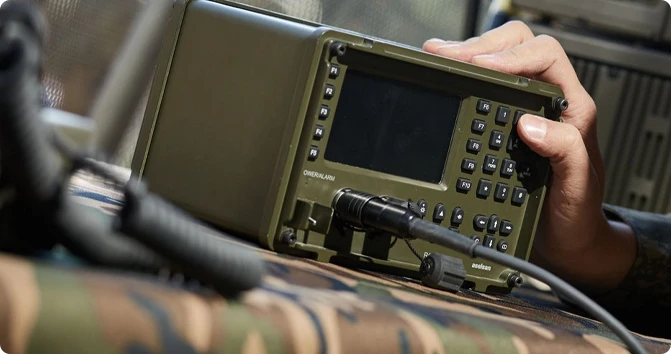
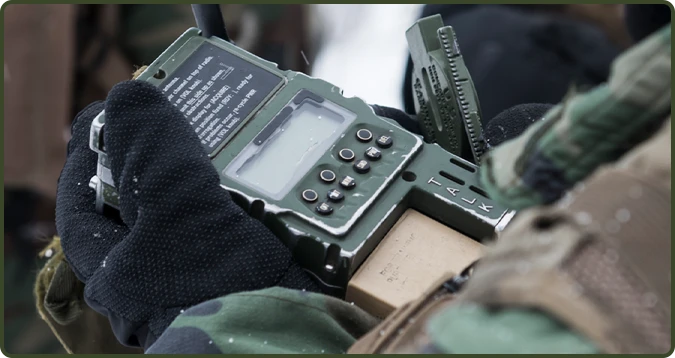
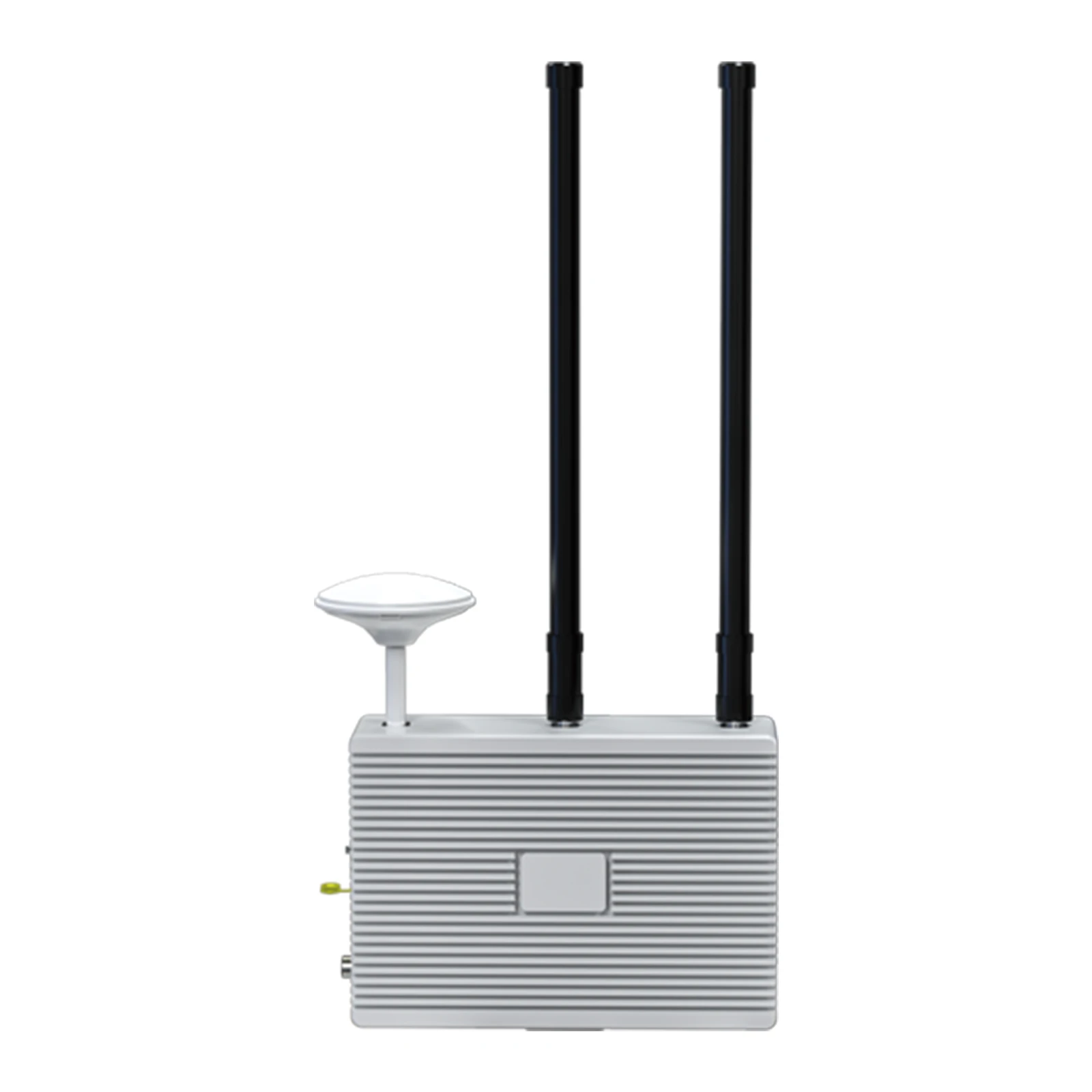
Simply put, a radio signal detector is a device designed to sense, locate, and sometimes decode radio frequency (RF) signals within a specific range. Think of it as a sensitive antenna paired with electronics that “listen” to the airwaves and highlight any signals present. Unlike radios, which receive specific channels for listening or conversation, detectors scan broadly to identify active transmissions, signal strength, frequency, or even modulation types depending on sophistication.
These devices are connected deeply with modern industry needs—whether it’s telecom operators managing network traffic, security agencies detecting unauthorized transmissions, or environmental groups monitoring sources of RF pollution. Plus, several humanitarian and rescue organizations rely on detectors to find operable communication devices when other methods fail.
Core Features of Effective Radio Signal Detectors
- Sensitivity and Range: The detector’s ability to pick up faint signals from far away can mean the difference between success and failure in critical scenarios. High sensitivity ensures small or distant transmissions aren’t missed.
- Frequency Coverage: A wide frequency range (e.g., from a few MHz up to several GHz) allows detection of diverse communication protocols—from traditional radios to modern cellular and Wi-Fi signals.
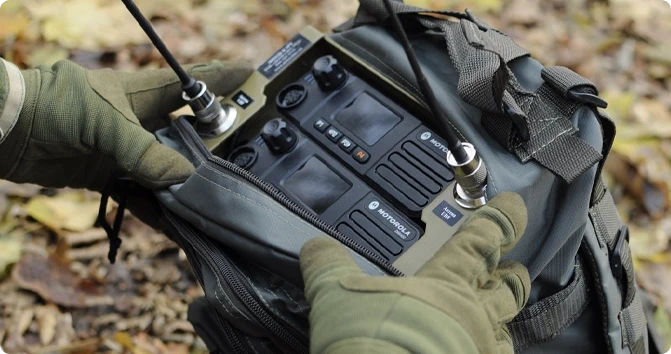
- Portability and Durability: In fieldwork, a bulky, fragile detector isn’t feasible. Many users require rugged, lightweight devices that endure harsh environments.
- Data Interpretation: Beyond detection, the device’s ability to analyze signal parameters or interface with software for real-time visualization adds valuable context.
- Power Efficiency: Devices designed for extended operations without frequent recharging are often essential for remote deployments.
- Cost-effectiveness: Naturally, the price point affects accessibility, especially for NGOs or smaller businesses operating on limited budgets.
Mini Takeaway: When evaluating a radio signal detector, balancing sensitivity, range, and user-friendly features with cost and durability defines its practical value.
Worldwide Use Cases and Applications
The versatility of radio signal detectors shows in an array of real-world applications:
- Telecommunications: Companies monitor signal interference, optimize cellular tower placements, and diagnose network issues.
- Public Safety & Security: Law enforcement and military units use detectors for signal jamming detection and counter-surveillance.
- Disaster Relief: In post-disaster zones, where infrastructure is down, aid workers rely on detectors to find active radios and set up emergency communications quickly.
- Environmental Monitoring: Tracking RF pollution helps maintain healthy urban ecosystems and reduces risks of health impacts.
- Industrial Sites: Remote mining or oil fields use detectors to ensure operational communications remain uninterrupted and secure.
For instance, during the 2010 earthquake in Haiti, responders quickly employed radio signal detectors to locate survivors’ mobile devices buried beneath rubble, illustrating a life-saving use-case in extreme conditions.
Radio Signal Detector Product Specifications
| Specification | Typical Range | Frequency Coverage | Battery Life | Weight |
|---|---|---|---|---|
| Entry-Level | Up to 300 meters | 100 MHz - 2.4 GHz | 6 hours | 1.2 kg |
| Mid-Range | Up to 1 km | 50 MHz - 6 GHz | 10 hours | 1.8 kg |
| Professional | Up to 5 km | 10 MHz - 12 GHz | 16+ hours | 2.5 kg |
Vendor Comparison of Popular Radio Signal Detectors
| Brand | Price Range | Frequency Range | Portability | Unique Feature |
|---|---|---|---|---|
| SignalSpy | $500 - $1,200 | 100 MHz - 2.4 GHz | Lightweight (1.1 kg) | Mobile app integration |
| WaveFind Pro | $2,000 - $4,500 | 50 MHz - 10 GHz | Moderate (2.0 kg) | Real-time spectrum analysis |
| ScanTech Elite | $5,000+ | 10 MHz - 20 GHz | Heavier (3kg) | Advanced signal decoding |
Advantages and Long-Term Value
So, why invest in a radio signal detector? Beyond the obvious technical benefits, there’s a broader impact: enhanced safety, environmental stewardship, and operational efficiency. Organizations valuing longevity often cite the detectors’ reliability in harsh conditions, which translates to fewer system failures and less downtime.
Socially, these devices foster trust — whether that’s a community knowing no rogue transmitters interfere with emergency networks, or airlines ensuring communication channels are clean. They can also help preserve dignity in disaster situations by facilitating timely help.
Frankly, it’s that blend of innovation with humanitarian impact that makes radio signal detectors not just another gadget, but a cornerstone of responsible electronic communication.
Future Trends & Innovation in Radio Signal Detection
Looking ahead, integration with AI and machine learning promises smarter detection systems capable of automatically classifying signals and predicting interference patterns. Green technology is also influencing design choices, with more devices adopting solar recharge options or lower power consumption modes.
Moreover, as 5G and IoT ecosystems accelerate, detectors will need to handle higher frequency ranges while maintaining ease of use for non-expert operators — quite a challenge but one the industry actively pursues. Automation will simplify deployments in remote, perhaps hazardous environments, pushing the boundaries of what we expect from this technology.
Challenges & Expert Solutions
Of course, radio signal detection isn’t without its hurdles. Complex urban RF environments create “noise” that can mask signals. Budget constraints may limit access to top-tier detectors, and rapid technological changes risk obsolescence.
Innovative solutions involve modular devices that allow upgrades, cloud-connected processing for advanced analytics, and community-driven spectrum monitoring to crowdsource interference data. Technical training and user-friendly interfaces also ensure more people can effectively benefit from these tools.
Frequently Asked Questions About Radio Signal Detectors
- How do radio signal detectors differ from regular radios?
- While radios tune into specific stations or channels for listening, radio signal detectors scan a wide range of frequencies to identify any active transmissions, often providing signal strength and source location. They’re designed for monitoring, not entertainment.
- Can these detectors identify unauthorized or illegal transmissions?
- Yes, many advanced detectors can flag unexpected frequencies or unusual signal patterns that suggest unauthorized transmissions, making them valuable for security and regulatory enforcement.
- Are radio signal detectors portable for field operations?
- Many models are specifically built for portability, with rugged designs and lightweight materials ideal for on-the-go use by emergency responders, engineers, or security personnel.
- How complex is the setup process for first-time users?
- While basic detectors often come with straightforward interfaces, advanced models might require some technical training. However, manufacturers are increasingly focusing on user-friendly software and tutorials to lower the learning curve.
- Where can I find reliable radio signal detector products?
- Reputable suppliers offer a range of models tailored to different needs. For trusted options, visit specialized sites, such as radio signal detector vendors specializing in communications hardware.
Conclusion
Radio signal detectors, you see, are much more than technical instruments; they’re enablers of safety, connectivity, and progress on multiple fronts. Whether ensuring secure networks, helping disaster relief, or advancing environmental efforts, their role continues to grow and evolve. If you’d like to explore specific products or learn more, I highly recommend visiting our website, where you’ll find comprehensive details suited for beginners and pros alike.
Stay tuned and equipped—because in our wireless world, invisibility doesn’t mean ignorance, thanks to radio signal detectors.
Mini takeaway: The future of communication safety depends, in no small part, on our ability to detect, understand, and manage radio signals effectively.
References:

-
 09 March 2021 16 Apr 2026
 -
 09 March 2021 09 Apr 2026
 -
 09 March 2021 07 Apr 2026
 -
 09 March 2021 04 Apr 2026
 -
 09 March 2021 31 Mar 2026
-
 09 March 2021 21 May 2025
 -
 09 March 2021 25 Dec 2024
 -
 09 March 2021 14 Oct 2022
-
 09 March 2021 25 Dec 2024

 English
  Arabic
  Belarusian
  Danish
  Dutch
Dutch  French
  German
  Greek
Greek  Japanese
  Korean
  Myanmar
  Polish
  Portuguese
  Russian
  Spanish
  Swedish
  Thai
Thai  Ukrainian
  Vietnamese