

Radiofrequency Detector: Complete Guide on Uses, Benefits & Trends
The Essential Guide to Radiofrequency Detectors: What You Need to Know
In a world that’s growing ever more connected through wireless communications, the humble radiofrequency detector is becoming a global guardian of signals we often take for granted. But why exactly does this matter? Well, understanding radiofrequency detection isn’t just about gadgets buzzing in the background — it’s about safety, security, and efficiency in industries ranging from telecommunications to humanitarian aid. Frankly, these devices provide a critical window into the electromagnetic spectrum, helping users pinpoint signals that can affect everything from sensitive equipment to national security.
Introduction: Global Relevance of Radiofrequency Detectors
Data from bodies like the International Telecommunication Union (ITU) shows that global wireless data traffic has skyrocketed over the past decade — expected to increase by 26% annually through 2027. This explosion in wireless usage creates a crowded radiofrequency (RF) environment, making reliable detection more crucial than ever. The challenge? Interference, unauthorized transmissions, and the security risks of unknown signals can jeopardize operations in sectors such as aviation, defense, and emergency response.
So, a radiofrequency detector helps not only to identify unpermitted signals but also to ensure compliance with international standards like ISO 31000 for risk management. For governments, industries, and NGOs alike, these devices spell the difference between chaos and control.
What Exactly Is a Radiofrequency Detector?
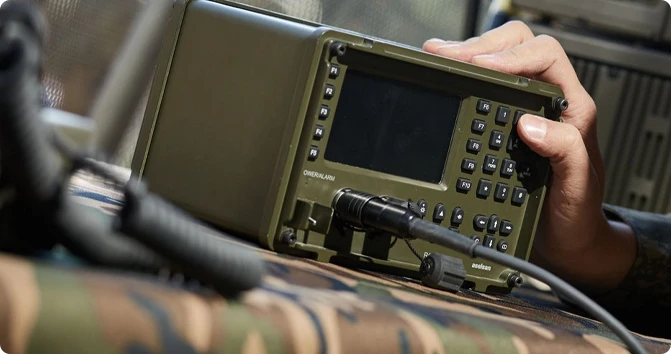
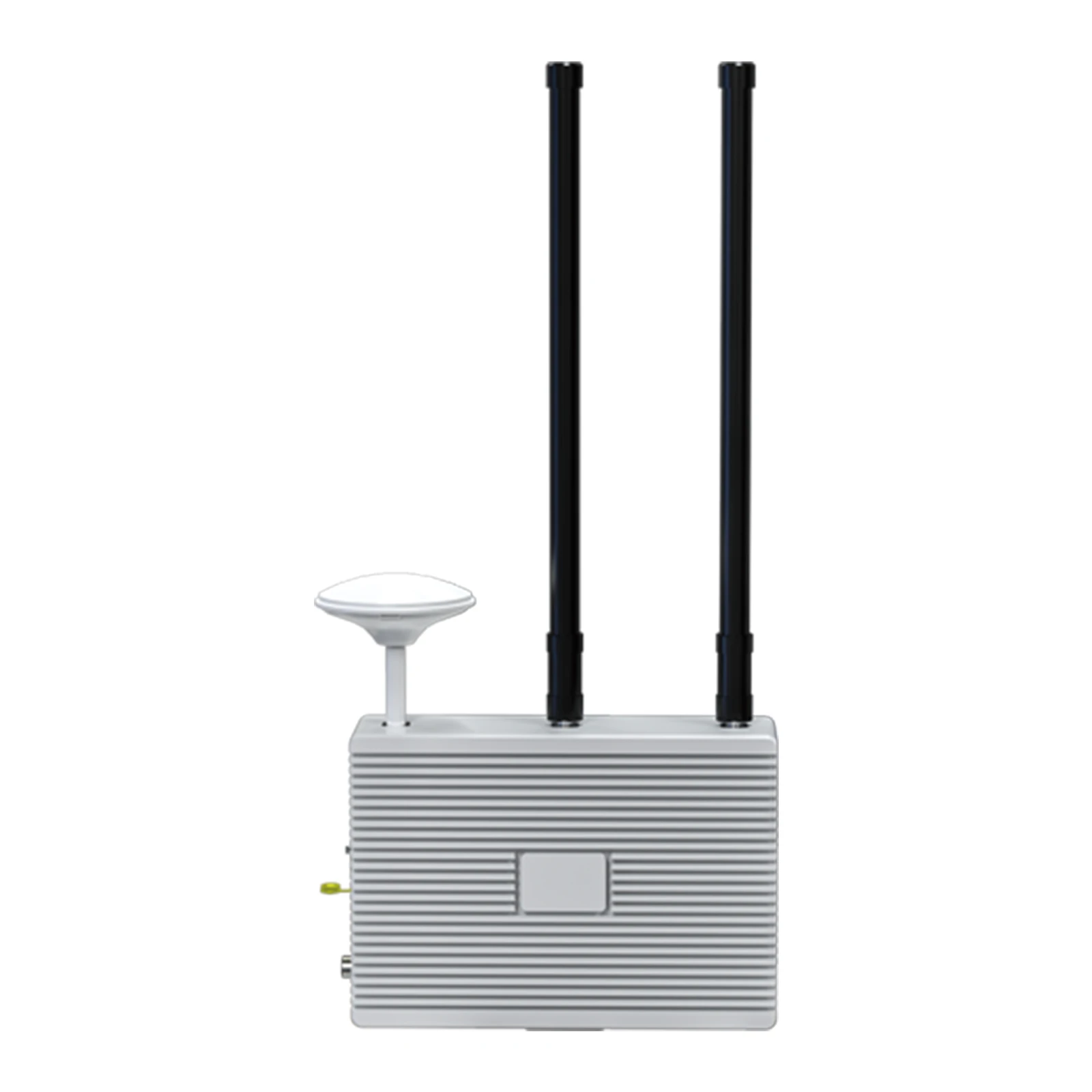
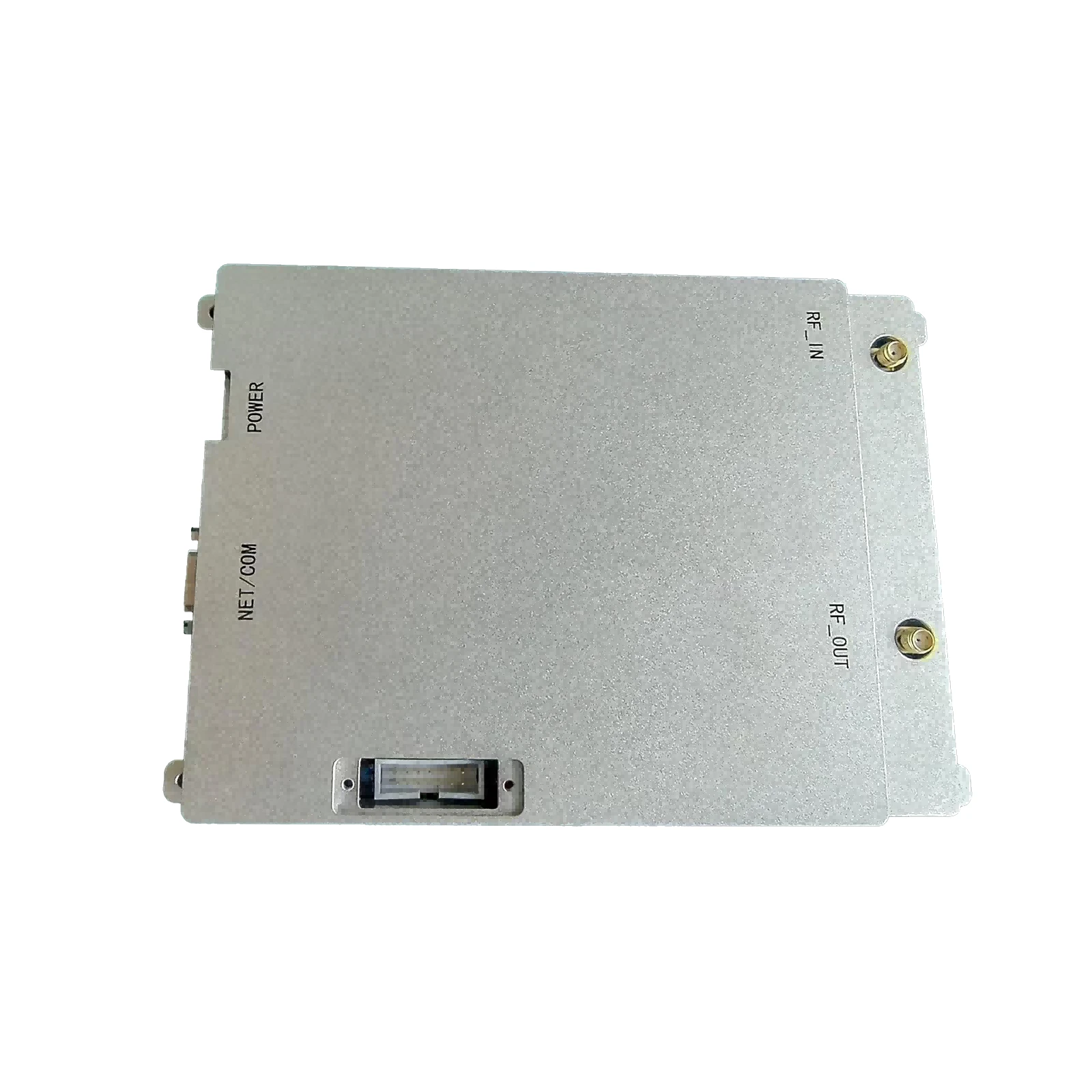
In simple terms, a radiofrequency detector is an electronic device designed to identify and measure electromagnetic signals in the radio spectrum — anywhere from very low frequencies to gigahertz ranges. Imagine it as a high-tech “ear” that listens to and analyzes invisible waves transmitting data, communication, or even interference.
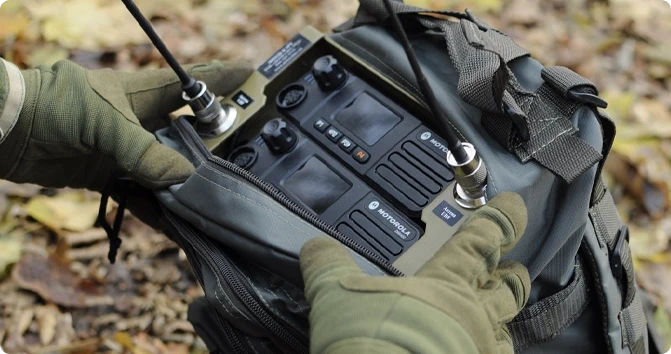
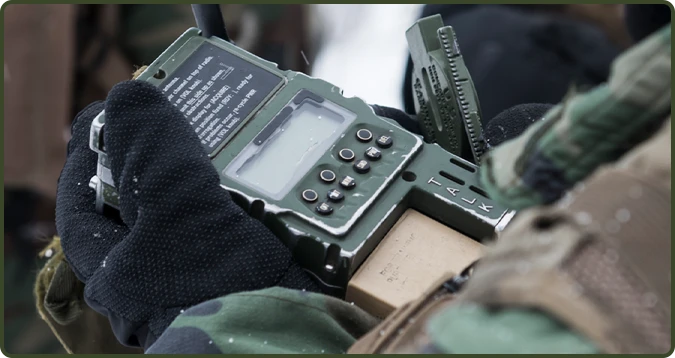
They come in various forms — handheld portable units, vehicle-mounted systems, and even fixed installations. Importantly, these detectors support modern industries such as telecommunications by ensuring spectrum integrity and help humanitarian organizations by detecting unauthorized transmissions during sensitive operations.
Key Aspects of Radiofrequency Detectors
1. Frequency Range Coverage
This determines what signals a detector can sense — from low-frequency paging systems to high-frequency satellite communications. Wider coverage means versatility in diverse environments.
2. Sensitivity and Accuracy
High sensitivity means detecting even faint signals, which is essential in crowded or noisy RF environments. Accuracy relates to how precisely the detector measures signal strength and identifies frequency.
3. Portability and Durability
Some models are ruggedized for harsh environments — think disaster zones or military use — while others prioritize lightness and ease of transport for quick deployments.
4. User Interface and Data Logging
A clear display and intuitive controls make a device user-friendly, especially when rapid decisions are needed. Data logging allows recording for later analysis or compliance documentation.
5. Interference Identification
Advanced detectors can distinguish types of signals, helping operators discern between friendly communications and potential threats or disruptions.
Product Specification Snapshot
| Feature | Standard Model XRF-200 | Advanced Model XRF-500 |
|---|---|---|
| Frequency Range | 100 kHz – 3 GHz | 10 kHz – 6 GHz |
| Sensitivity | -100 dBm | -110 dBm |
| Weight | 750g | 950g |
| Battery Life | 6 hours | 10 hours |
| Display | LCD, Signal Strength Bar | Color LCD, Frequency Spectrum |
Mini takeaway: Different radiofrequency detectors offer a balancing act between frequency range, sensitivity, and portability — the right pick depends on your specific operational needs.
Global Applications & Use Cases
- Telecommunications: Operators use RF detectors to avoid interference and optimize spectrum use.
- Military and Security: Detection of unauthorized transmissions safeguards sensitive installations.
- Disaster Relief: Mobile units deployed in post-disaster zones identify emergency signals and block disruptive transmissions.
- Industrial Plants: Monitoring radio signals prevents downtime caused by electromagnetic interference in automated systems.
- Regulatory Bodies: Spectrum management and licensing enforcement rely heavily on RF detection technology.
For instance, in remote parts of Sub-Saharan Africa, humanitarian teams use handheld detectors to verify communications during healthcare campaigns, ensuring no unauthorized frequencies hamper critical messaging. Oddly enough, these devices can feel like an unseen ally in chaotic environments.
Vendor Comparison: Popular Radiofrequency Detectors
| Vendor | Price Range | Frequency Coverage | Ruggedness | Data Logging |
|---|---|---|---|---|
| WaveSense | $$$ | 20 kHz – 3 GHz | Moderate | Yes |
| SignalGuard | $$$$ | 10 kHz – 6 GHz | High | Advanced |
| RF Track | $ | 100 kHz – 2 GHz | Low | Basic |
Mini takeaway: Price often reflects the sophistication of features like ruggedness and data management, so choose wisely based on your operational environment.
Advantages & Long-Term Value
The benefits of a reliable radiofrequency detector run deep. They improve operational safety by identifying illegal transmissions or electronic threats before they escalate. From a sustainability standpoint, maintaining orderly spectrum use reduces the need for costly interference troubleshooting — saving time, resources, and headaches.
On a human level, these devices uphold dignity and safety by ensuring critical communication lines — like emergency channels — remain clear. People in places like hospitals or airports depend on this seamless communication, and it’s reassuring to know RF detectors silently work behind the scenes.
Future Trends & Innovations
Looking ahead, radiofrequency detection technology is inching toward greater automation and AI integration. Smart detectors capable of predictive analytics may soon spot potential interference before it happens. Oddly enough, they're also moving toward greener designs, integrating solar-powered units and recyclable materials to keep pace with global sustainability goals.
Digital transformation continues to play a role too, with new devices supporting cloud-based management — making remote monitoring and real-time collaboration easier across entire organizations.
Challenges & Innovative Solutions
No technology is perfect, and radiofrequency detection is no exception. One challenge is the ever-increasing density of wireless signals, which can overwhelm basic detectors. Plus, highly specialized environments may require custom frequency tuning.
Expert engineers often suggest modular detector platforms that scale up sensor range and integrate machine learning for signal classification. Also, hybrid systems combining RF detection with optical or acoustic sensors provide layered security — a nifty workaround when traditional detection falters.
FAQ: Frequently Asked Questions About Radiofrequency Detectors
- What environments benefit most from radiofrequency detectors?
- Industries like telecommunications, defense, emergency response, and broadcasting benefit greatly, especially where spectrum management and interference mitigation are critical.
- How portable are typical RF detectors for field use?
- Many handheld detectors weigh under 1 kilogram and offer 6–10 hours of battery life, designed for rapid deployment in outdoor or challenging conditions.
- Can a radiofrequency detector differentiate between signal types?
- Advanced models use digital signal processing to identify and classify different frequencies and modulation types, enhancing detection accuracy.
- Is regular calibration necessary?
- Yes, periodic calibration ensures accuracy. Most manufacturers recommend an annual service, but it varies with usage intensity and environmental factors.
- Are there any environmental concerns with using RF detectors?
- Generally, RF detectors operate passively and do not emit harmful radiation. Newer models focus on energy efficiency and eco-friendly materials.
Conclusion: Why Invest in Radiofrequency Detection?
In real terms, the growing complexity of wireless communications means that investing in quality radiofrequency detectors isn’t just smart — it’s necessary. They help maintain the integrity of critical systems, enable rapid response in crises, and ensure compliance in an ever-busier spectrum. If you’re involved in industries ranging from telecom to humanitarian aid, these devices are likely already essential tools.
To explore products and solutions that suit your needs, visit our website and discover how the right radiofrequency detector can transform your operations.
Mini takeaway: Don’t overlook these unsung heroes of the wireless age — they quietly keep the airwaves clear, safe, and trustworthy.
References:
1. International Telecommunication Union (ITU). Global ICT Data and Statistics.
2. ISO 31000 Risk Management Standards.
3. Wikipedia: Radio Frequency.

-
 09 March 2021 16 Apr 2026
 -
 09 March 2021 09 Apr 2026
 -
 09 March 2021 07 Apr 2026
 -
 09 March 2021 04 Apr 2026
 -
 09 March 2021 31 Mar 2026
-
 09 March 2021 21 May 2025
 -
 09 March 2021 25 Dec 2024
 -
 09 March 2021 14 Oct 2022
-
 09 March 2021 25 Dec 2024

 English
  Arabic
  Belarusian
  Danish
  Dutch
Dutch  French
  German
  Greek
Greek  Japanese
  Korean
  Myanmar
  Polish
  Portuguese
  Russian
  Spanish
  Swedish
  Thai
Thai  Ukrainian
  Vietnamese