

Comprehensive Guide to RF Receiver Amplifiers: Technology, Applications, and Future Trends
Understanding RF Receiver Amplifiers: The Unsung Heroes of Wireless Communication
At first glance, the term rf receiver amplifier may sound like a bit of technical jargon from the depths of a radio engineer’s notebook, but this tiny yet powerful piece of hardware has a massive role in how modern communication flows globally. From enabling disaster response teams to coordinate swiftly across affected regions, to keeping global supply chains humming with reliable data transfer, these amplifiers matter — a lot.
As wireless technology expands and societies become more connected, understanding the key benefits and function of RF receiver amplifiers can illuminate how seemingly invisible waves translate into real-world impact.
Global Relevance: Why RF Receiver Amplifiers Matter Today
Worldwide, the telecommunications sector contributes approximately 4% of global GDP (World Bank, 2023). Within this sprawling ecosystem, the role of RF (radio frequency) receiver amplifiers cannot be overstated. They are key to boosting weak signals, enabling robust wireless links even in challenging environments.
Consider how nearly 60% of the world’s population still relies on some form of radio communication for essential services in remote or underserved areas (Wikipedia). Here, the amplifier steps in to strengthen incoming signals that would otherwise be lost to noise or distance. The result: improved connectivity, safety, and access.
The core challenge these devices address is simple but impactful — signals decay rapidly over distance and through interference. Without amplification, much of our wireless world would be muted.
What Exactly Is an RF Receiver Amplifier?
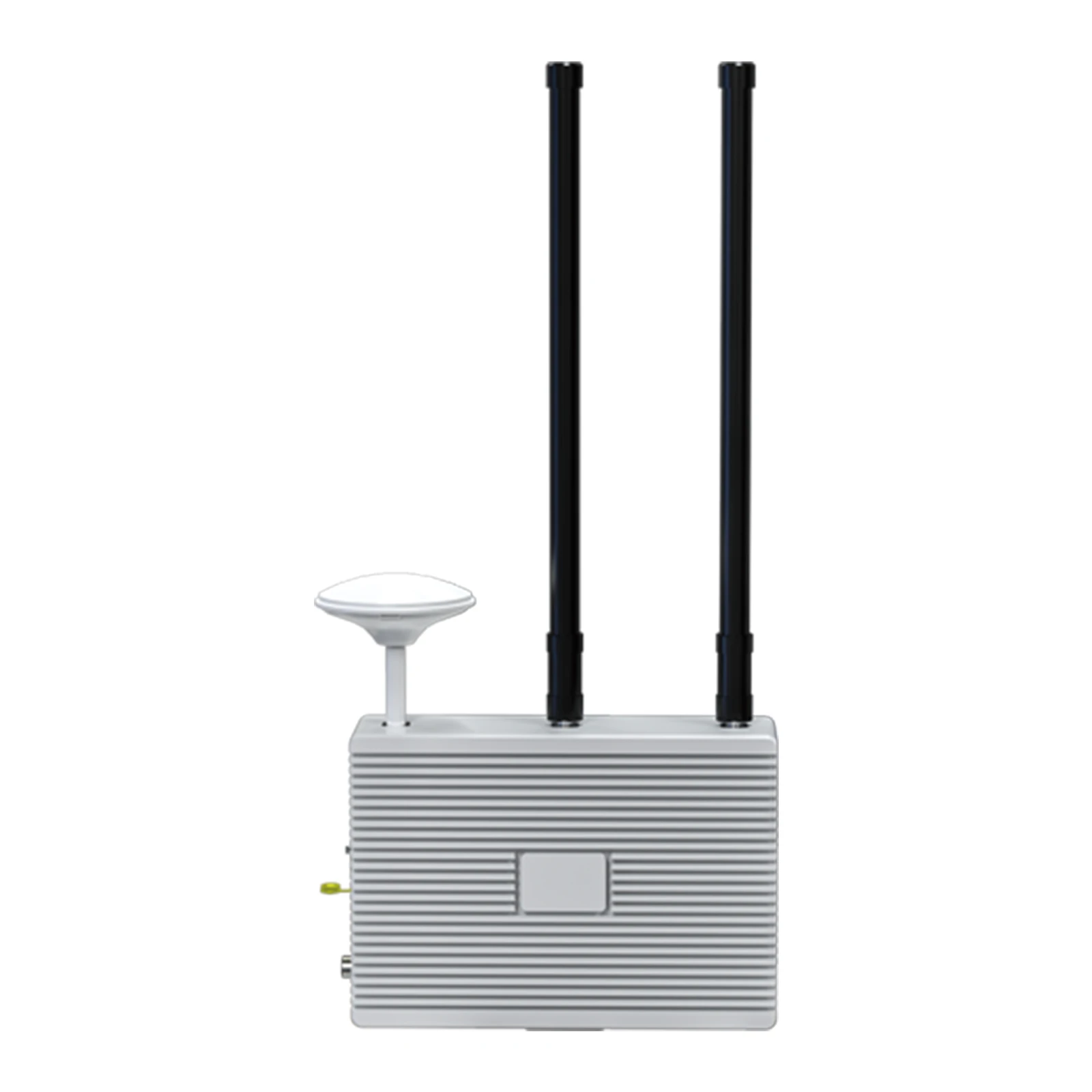
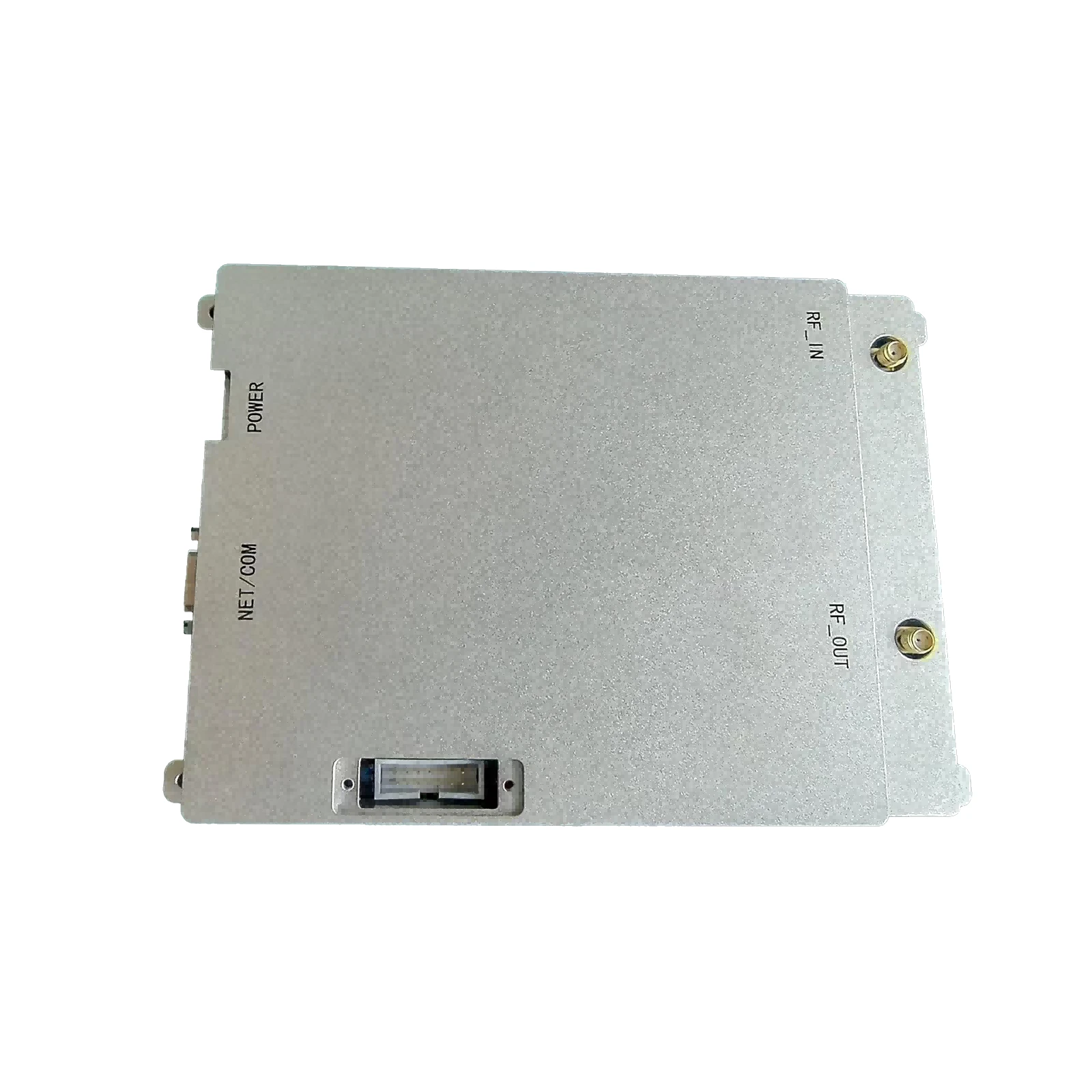
Put simply, an RF receiver amplifier is an electronic component designed to boost the strength of received radio signals before further processing. It’s generally placed close to the antenna to maximize signal clarity and reduce noise.
You can think of it as the “first responder” in a chain of signal processing stages — its job is to make sure the faint whispers from distant transmitters come through loud and clear. This is vital not only in consumer devices like radios or cellular phones but also in industrial monitoring, satellite communications, and emergency networks.
Key Components of a Reliable RF Receiver Amplifier
1. Sensitivity and Noise Figure
Many engineers say that a receiver amplifier’s sensitivity, combined with a low noise figure, determines how faint a signal can be picked up with minimal distortion. In practical terms, this means clearer audio or data even when the source is far away or blocked by obstacles.
2. Gain and Linearity
Gain refers to how much the amplifier can increase the signal’s power. High gain is attractive but must be balanced with linearity, to avoid signal distortion and interference with neighboring channels.
3. Frequency Range and Bandwidth
Different applications require amplifiers tuned for specific frequency bands. For example, satellite uplinks operate in different GHz bands than terrestrial mobile phones, so flexibility in frequency coverage is important for adaptable amplifier designs.
4. Power Consumption
With sustainability and remote operation becoming priorities, RF amplifiers aim to minimize power usage without sacrificing performance. This helps extend battery life in portable systems or cut operating costs in large networks.
5. Durability and Environmental Resistance
Field applications often expose devices to harsh conditions — heat, humidity, dust — so durable casings and rugged electronics ensure long-term reliability.
Mini Takeaway:
At their core, RF receiver amplifiers balance delicate tradeoffs—sensitivity, gain, power use, and robustness—to fit their unique deployment context.
Real-World Applications of RF Receiver Amplifiers
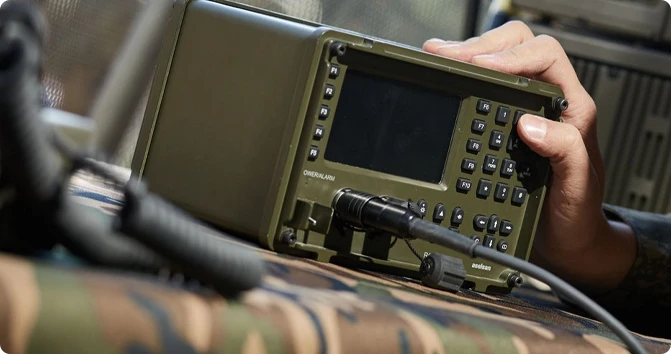
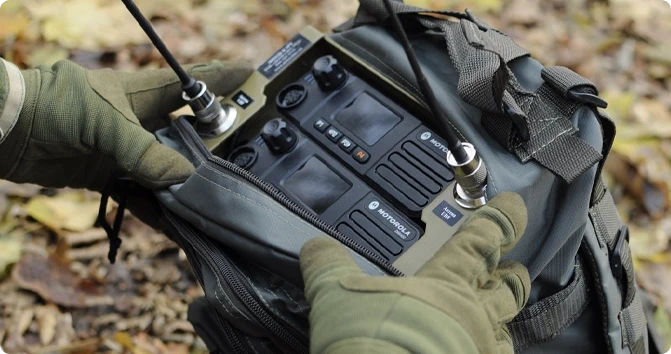
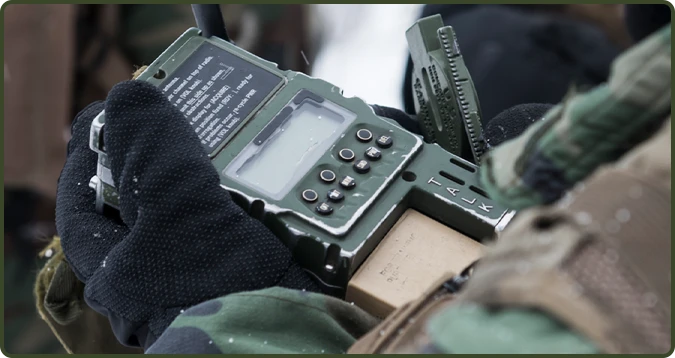
- Emergency Response and Disaster Relief: In post-disaster zones, communication infrastructures may be down. Portable RF receiver amplifiers help first responders pick up faint signals from satellite phones or handheld radios, improving coordination.
- Rural Telecommunications: Remote villages in parts of Africa and Asia depend heavily on amplified long-range radios to maintain internet connectivity — a lifeline for healthcare and education.
- Industrial IoT and Automation: Factories use RF receiver amplifiers to ensure reliable data transmission from sensors spread across large plants or underground mines.
- Satellite and Space Communication: Ground stations deploy highly sensitive RF amplifiers to decode faint signals sent from orbiting satellites or deep space probes.
Practical Product Specification Table
| Specification | Typical Value | Notes |
|---|---|---|
| Frequency Range | 100 MHz – 3 GHz | Supports multiple bands for flexibility |
| Gain | 20 dB – 40 dB | Adjustable gain models available |
| Noise Figure | Low noise for sensitive reception | |
| Operating Voltage | 3.3 V or 5 V | Common for embedded systems |
| Power Consumption | Energy-efficient design | |
| Operating Temperature | -40°C to 85°C | Suitable for outdoor deployment |
Vendor Comparison Table: Popular RF Receiver Amplifiers
| Vendor | Gain (dB) | Noise Figure (dB) | Frequency Range | Power Use (mW) | Price (USD approx.) |
|---|---|---|---|---|---|
| AmpTec X100 | 30 | 1.8 | 200 MHz–2 GHz | 230 | $120 |
| WaveBoost ZSR-500 | 25 | 2.0 | 100 MHz–1.5 GHz | 190 | $95 |
| SignalPro Elite | 40 | 1.5 | 500 MHz–3 GHz | 250 | $180 |
| EcoAmp LR | 28 | 1.9 | 150 MHz – 2.5 GHz | 170 | $110 |
Advantages & Long-Term Value of RF Receiver Amplifiers
The benefits of deploying efficient RF receiver amplifiers ripple beyond just clearer signals. Cost savings come from reducing retransmissions and improving network throughput. Energy-conscious models contribute to sustainability goals by minimizing battery drain in remote monitoring equipment.
Moreover, there’s an undeniable social impact: better communication means more dependable emergency alerts, improved healthcare connectivity, and enhanced dignified access to information. In many ways, these amplifiers underpin trust and innovation — quietly making our wireless world less fragile.
Looking Ahead: Future Trends in RF Receiver Amplification
Engineers and product designers are eyeing several promising paths. For starters, the rise of GaN (Gallium Nitride) technology promises amplifiers that are more efficient, smaller, and can operate at higher powers and frequencies — useful as 5G and eventually 6G roll out.
Green electronics and digital control integration enable smarter gain handling and adaptive noise cancellation, reducing power waste. There’s also a growing push for modular, customizable amplifiers that can be fine-tuned for specific industries or geographic conditions.
Challenges & Solutions in RF Receiver Amplifier Deployment
Despite advances, some hurdles remain. Signal interference and spectrum crowding can degrade amplifier performance. High-frequency designs sometimes clash with thermal management issues, leading to instability.
Fortunately, adaptive filtering, RF shielding materials, and AI-powered tuning algorithms are helping engineers push past these limits, creating more reliable and cost-effective devices. Looks like the savvy use of software and hardware will drive the next wave of improvements.
FAQ: Frequently Asked Questions About RF Receiver Amplifiers
- What factors should I consider when choosing an RF receiver amplifier?
- Focus on frequency range, gain, noise figure, and power consumption first. Consider your specific use case—whether it’s portable radios or industrial sensors—to match these specs appropriately.
- Can RF receiver amplifiers improve weak cellular signals in rural areas?
- Yes, by amplifying weak incoming signals, these amplifiers can significantly enhance reception quality, providing better voice and data coverage in areas with limited infrastructure.
- Are low-power RF amplifiers better for battery-operated devices?
- Generally, yes. Low-power amplifiers help extend battery life while maintaining sufficient gain for clear signal pickup, crucial for IoT devices or remote sensors.
- How do environmental factors affect RF amplifier performance?
- Extreme temperatures, moisture, and dust can degrade amplifier function. Ruggedized models with protective casings are recommended for outdoor or harsh environment deployments.
- Where can I find reliable RF receiver amplifiers for custom projects?
- Specialist suppliers and manufacturers offer customizable options, or you can explore products on platforms like rf receiver amplifier to find units suited for your specific needs.
Conclusion: Why RF Receiver Amplifiers Are Key to Reliable Wireless Networks
To wrap things up, RF receiver amplifiers are fundamental to expanding the reach and reliability of wireless technologies worldwide. Whether we’re talking about enhancing emergency communications in disaster zones or building the backbone for IoT networks, these devices quietly solve complex challenges every day.
If your projects or operations depend on strong, clear signals — you might want to dive deeper into this essential technology. For more details and products, feel free to visit our website and explore tailored amplifiers that bring voices closer, signals stronger.
References

-
 09 March 2021 16 Apr 2026
 -
 09 March 2021 09 Apr 2026
 -
 09 March 2021 07 Apr 2026
 -
 09 March 2021 04 Apr 2026
 -
 09 March 2021 31 Mar 2026
-
 09 March 2021 21 May 2025
 -
 09 March 2021 25 Dec 2024
 -
 09 March 2021 14 Oct 2022
-
 09 March 2021 25 Dec 2024

 English
  Arabic
  Belarusian
  Danish
  Dutch
Dutch  French
  German
  Greek
Greek  Japanese
  Korean
  Myanmar
  Polish
  Portuguese
  Russian
  Spanish
  Swedish
  Thai
Thai  Ukrainian
  Vietnamese