

RF Transmitter Amplifiers: Powering Global Communication Networks
Understanding the RF Transmitter Amplifier: Why It Matters Worldwide
If you’ve ever wondered how radios, cellular towers, or even radar systems send signals far and wide with clarity and power, the answer often lies in the humble, yet vital rf transmitter amplifier. This piece of tech isn’t just a gadget; it’s an essential enabler for communications that keep economies humming, aid organizations connected, and emergency services responsive around the globe. Whether in bustling urban networks or remote disaster zones, rf transmitter amplifiers make sure signals don’t just travel—they thrive.
Globally, the telecommunications industry is projected to surpass $2 trillion by 2026[1], and at its heart, the efficiency and reliability of signal transmission matter greatly. Understanding the mechanics, applications, and innovations in these amplifiers means you get a window into the backbone of modern connectivity—and the challenges that come with it.
The Global Role of RF Transmitter Amplifiers Today
Look at virtually any communication system—cellular, satellite, broadcast radio, or emergency responder networks—and you find RF transmitter amplifiers working quietly behind the scenes. According to the International Telecommunication Union (ITU), over 5 billion people now have mobile broadband access worldwide[2]. Such widespread usage demands amplification stages that can scale, endure weather extremes, and minimize energy consumption.
The challenge? Signals weaken over distance, especially when crossing complex terrain or dense urban environments. That’s where efficient RF transmitter amplifiers come into play: boosting the signal power without adding distortion or excessive noise. As environmental concerns rise and energy costs escalate, industries are also feeling the pressure to adopt greener, more sustainable amplification technologies.
RF Transmitter Amplifier: A Simple Definition
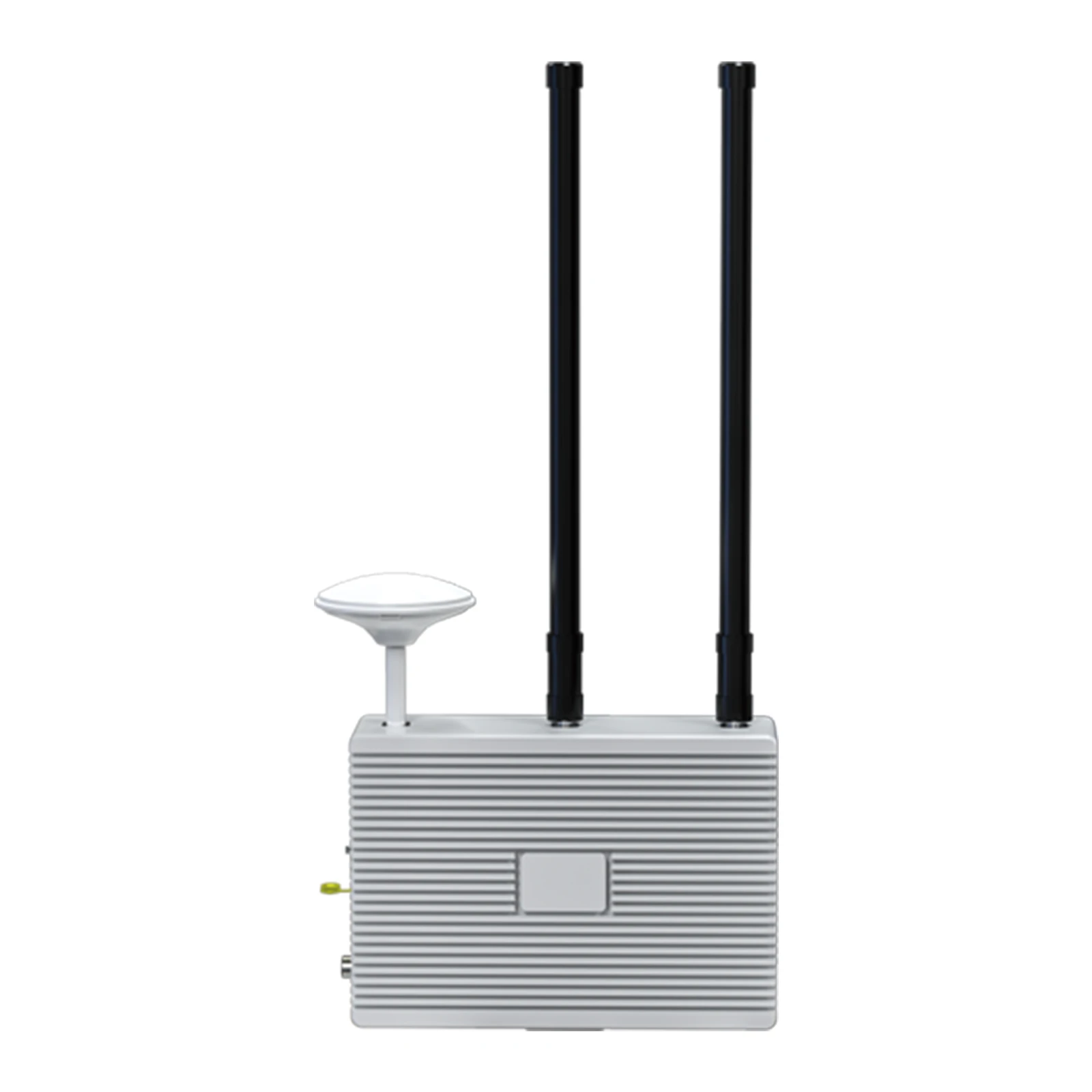
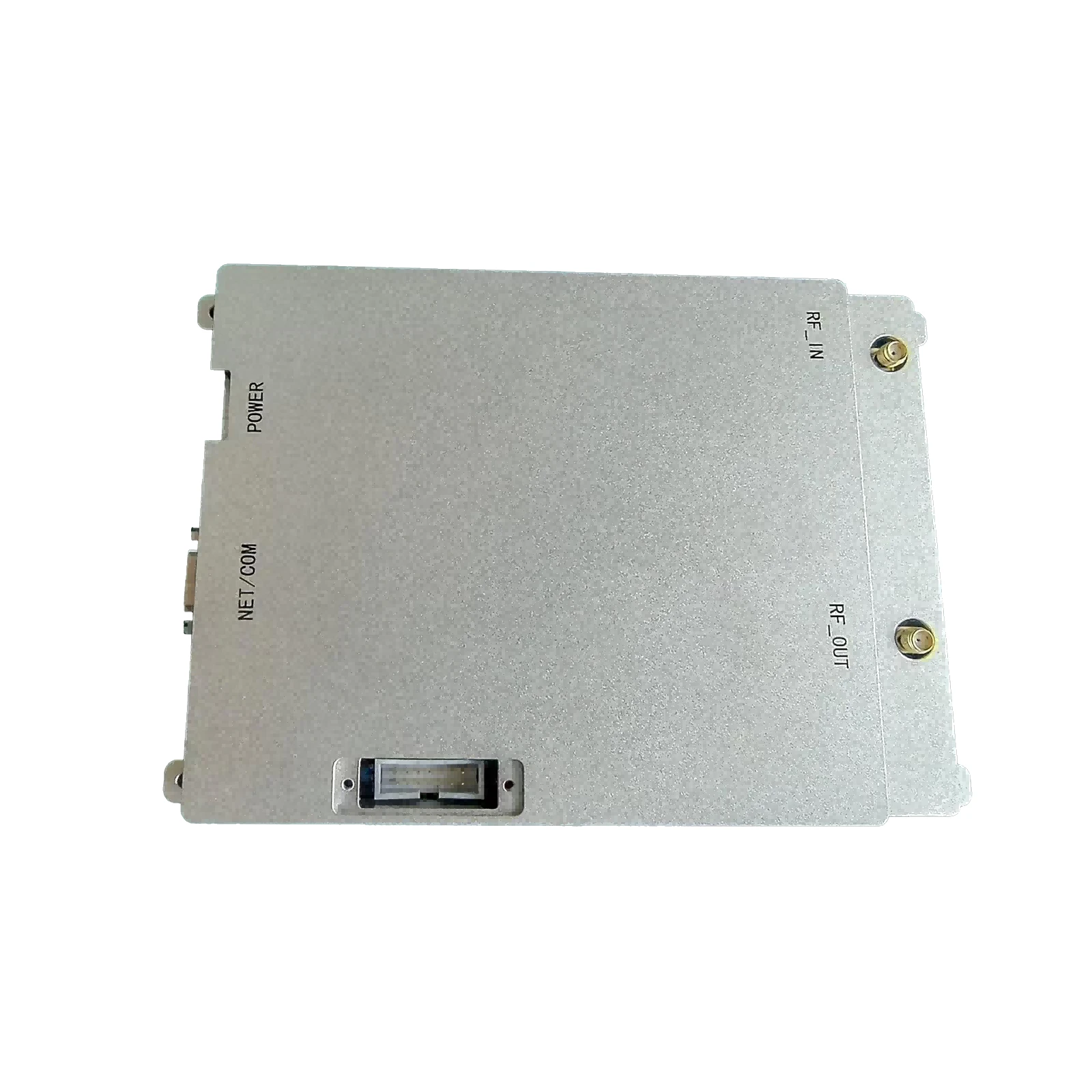
Put simply, an RF transmitter amplifier is an electronic device that takes a weak radio frequency signal and strengthens it before transmission. Think of it as the vocal coach preparing a shy singer to fill a stadium—turning faint whispers into powerful, clear voices.
They’re indispensable in industries ranging from telecommunications to aviation, even extending into humanitarian missions where reliable communication can mean the difference between chaos and coordinated relief efforts.
Core Components of an RF Transmitter Amplifier
1. Power Output and Gain
This is the amplifier's strength. Power output determines how far your signal can travel, while gain measures how much the amplifier boosts the input signal. Finding the right balance ensures signals stay strong without distortion.
2. Linearity
In practical terms, linearity keeps the amplified signal faithful to the original. Poor linearity results in interference and degraded communication quality—something no one wants in a live broadcast or emergency alert.
3. Durability and Environmental Resistance
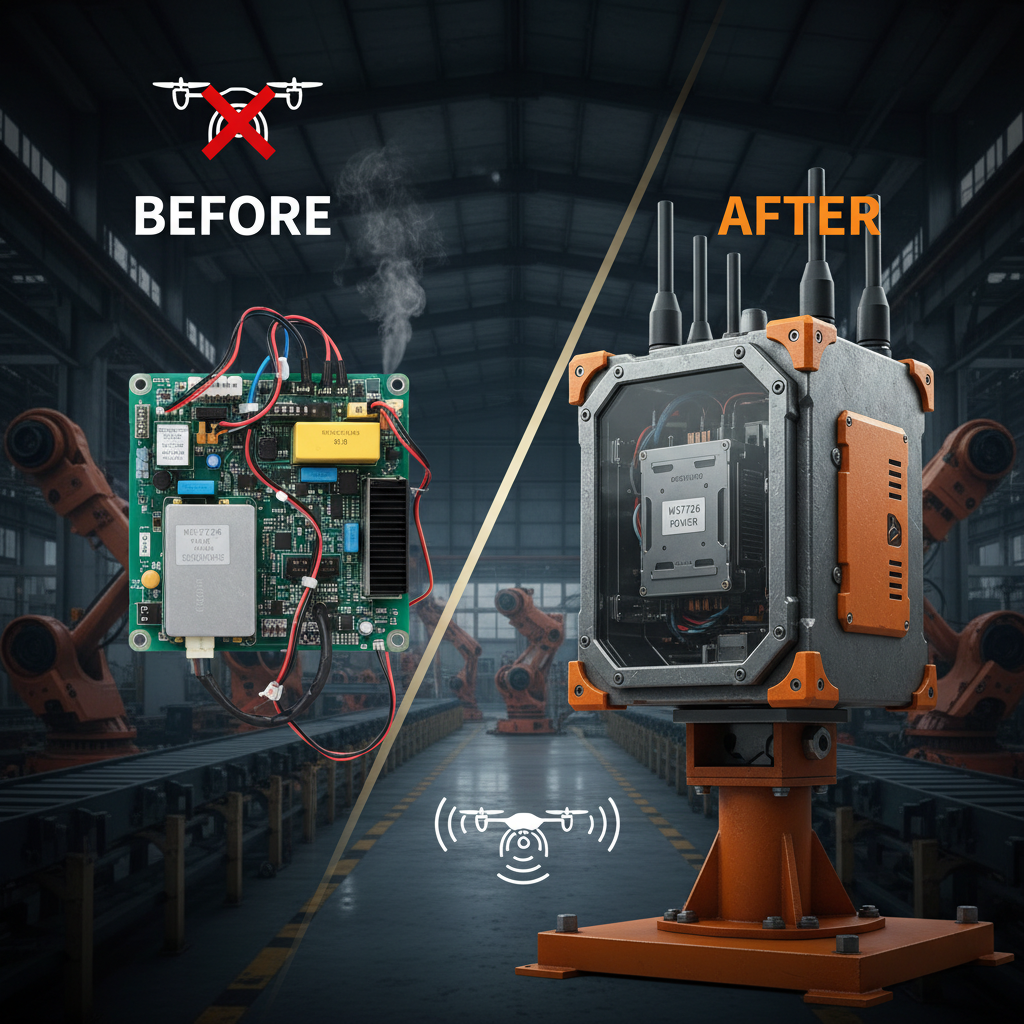
Many amplifiers operate outdoors—weatherproofing against rain, heat, and dust is critical. Rugged designs ensure longevity, reducing costly replacements in remote or harsh environments.
4. Energy Efficiency
With power consumption being a big cost and environmental factor, modern amplifiers aim for lower energy needs without sacrificing performance, making them smarter and greener.
5. Scalability and Integration
Whether for a small community radio or a sprawling cellular network, amplifiers that integrate seamlessly with existing infrastructure and scale easily are preferred choices.
| Specification | Typical Value | Notes |
|---|---|---|
| Frequency Range | 0.5 MHz - 6 GHz | Coverage for most RF applications |
| Output Power | Up to 100 W | Depend on model/design |
| Gain | 30 dB typical | Adjustable in some units |
| Efficiency | >65% | High-efficiency designs preferred |
| Operating Temp | -40°C to +75°C | Suitable for harsh environments |
Mini takeaway: At its core, an RF transmitter amplifier is all about enhancing signal power, but it’s the blend of durability, efficiency, and integration that truly sets the best units apart.
Real-World RF Transmitter Amplifier Applications Around the World
From the sprawling telecom towers of Southeast Asia to rugged emergency hubs in sub-Saharan Africa, rf transmitter amplifiers make a tangible difference.
- Disaster Relief Communications: In post-earthquake zones, where communication infrastructure is wiped out, portable RF amplifiers boost satellite uplinks and radio networks, enabling coordinated rescue missions in real time.
- Rural Broadband Access: Governments and NGOs use these amplifiers to reach communities cut off from wired networks, connecting schools, clinics, and markets to the global web.
- Broadcast and Media: National broadcasters rely on high-fidelity RF amplifier chains to transmit clear signals across valleys and cities, ensuring people stay informed.
- Industrial Solutions: Oil rigs, mining operations, and remote weather stations use ruggedized amplifiers to maintain secure data links critical for safety and operations.
The Tangible Advantages of RF Transmitter Amplifiers
It’s easy to get caught up just pondering power specs and signal gains, but the true value often hits harder on a human level.
- Reliability: Knowing that help, news, or commands can be broadcast without fail in emergencies builds trust and safety.
- Cost Savings: Efficient amplifiers reduce power bills and maintenance, freeing up funds for other priorities.
- Sustainability: With rising energy costs and stricter emissions regulation worldwide, greener amplifiers fit into sustainable development goals.
- Social Impact: Communication expands possibilities—education, healthcare, trade—all flourish when signals don’t falter.
What’s Next? Future Trends Shaping RF Transmitter Amplifiers
Looking ahead, several exciting innovations are shaping the amplifier landscape:
- GaN Technology: Gallium Nitride semiconductors offer higher efficiency and power density than traditional silicon, making for smaller, cooler amps.
- Digital Predistortion: Smart algorithms that correct signal distortion on the fly, improving fidelity and reducing interference.
- Green Energy Integration: Especially for remote or solar-powered setups, amplifiers optimized for fluctuating energy inputs are on the rise.
- Modular and Scalable Designs: Allowing operators to expand their systems flexibly as demand grows or shifts.
Challenges in RF Transmitter Amplification—and How to Overcome Them
Of course, no technology is without its quirks:
- Heat Dissipation: Amplifiers, especially high power ones, generate heat. Innovative cooling systems—liquid, conductive materials—are critical.
- Signal Interference: In crowded spectrum environments, maintaining linearity and lowering spurious emissions can be tricky.
- Cost vs. Performance: Cutting costs sometimes sacrifices quality or longevity. Finding suppliers with good track records helps.
Many engineers advocate investing upfront in better materials and designs, which pays off handsomely over years of reliable service. Check out offerings like the rf transmitter amplifier portfolio with advanced specifications addressing these points.
Vendor Comparison: Choosing the Right RF Amplifier Partner
| Vendor | Tech Strength | Price Range | Special Features |
|---|---|---|---|
| AmpCo Solutions | GaN-based, High Efficiency | $$$ (Premium) | Advanced cooling system |
| SignalBoost Inc. | Wide freq. coverage, Reliable | $$ | Digital predistortion enabled |
| GreenAmp Tech | Eco-friendly, Solar optimized | $$ | Low power consumption design |
FAQ: Your Questions About RF Transmitter Amplifiers Answered
- What factors should I consider when selecting an RF transmitter amplifier?
- Focus on power output, frequency compatibility, linearity, and environmental durability. Also, consider efficiency to reduce costs and heat concerns. Matching the amp specs to your actual application ensures reliability.
- How does an RF transmitter amplifier affect signal quality?
- Amplicity improves signal strength but can introduce distortion if not properly designed. High-quality amplifiers maintain signal fidelity through linear amplification and advanced correction features.
- Are modern RF amplifiers energy efficient?
- Yes, advances like GaN transistors have pushed efficiency above 65%, reducing energy use and heat. This is critical in systems running 24/7 or relying on limited power sources.
- Can RF transmitter amplifiers be used in remote locations?
- Definitely. Ruggedized models designed for harsh conditions operate reliably in deserts, mountains, or disaster zones, especially when paired with solar or battery power.
Final Thoughts: Why Investing in Quality Amplification Makes Long-Term Sense
The rf transmitter amplifier might not be a household term, but its impact is undeniably vast—from connecting remote villages to saving lives through emergency communications. As tech advances, making smarter, greener, and more reliable amplifiers continues to be a priority across industries.
For anyone involved in telecom, broadcasting, or emergency services, a deep understanding and smart choice of RF amplifiers can translate into better performance, cost savings, and future-ready infrastructure. Curious to explore the latest models and technologies? Visit our website to discover a lineup designed to meet today’s challenges and tomorrow’s opportunities.
References

-
 09 March 2021 16 Apr 2026
 -
 09 March 2021 09 Apr 2026
 -
 09 March 2021 07 Apr 2026
 -
 09 March 2021 04 Apr 2026
 -
 09 March 2021 31 Mar 2026
-
 09 March 2021 21 May 2025
 -
 09 March 2021 25 Dec 2024
 -
 09 March 2021 14 Oct 2022
-
 09 March 2021 25 Dec 2024

 English
  Arabic
  Belarusian
  Danish
  Dutch
Dutch  French
  German
  Greek
Greek  Japanese
  Korean
  Myanmar
  Polish
  Portuguese
  Russian
  Spanish
  Swedish
  Thai
Thai  Ukrainian
  Vietnamese