

Comprehensive Guide to UHF Power Amplifier Modules for Enhanced Communication
The Quiet Powerhouse: Why Understanding UHF Power Amplifier Modules Matters Globally
If you’ve ever wondered how signals from radios, TV broadcasts, and wireless communication systems get a boost to reach far-flung places, you have the uhf power amplifier module partly to thank. This small but mighty component plays a huge role behind the scenes in communications — an industry crucial not just for everyday convenience but for global safety, disaster response, and infrastructure development. Grasping what these modules do and why they matter unlocks insights into modern connectivity and tech resilience in a rapidly digitalizing world. So, what’s the fuss about these compact amplifier units?
Setting the Stage: The Global Significance of UHF Power Amplifier Modules
Ultra High Frequency (UHF) bands cover frequencies roughly from 300 MHz to 3 GHz, crucial for various wireless communications worldwide. According to the International Telecommunication Union (ITU), over 60% of wireless communication infrastructure relies on UHF frequencies for stable signal propagation. Here’s the hitch: raw signals are often too weak after transmission to be usable. Enter the UHF power amplifier module — ramping up signal strength without distorting it. It’s especially essential in emergency communications, satellite links, and remote area coverage where infrastructure is patchy or underdeveloped.
Furthermore, as the world grapples with expanding connectivity demands (think: 5G and IoT), improving the reliability and efficiency of components like power amplifiers isn’t just a technical challenge, it’s a socio-economic one. In fact, the World Bank notes that improving telecom infrastructure correlates strongly with GDP growth in emerging markets; robust signal amplifiers are quietly part of that story.
What Exactly is a UHF Power Amplifier Module?
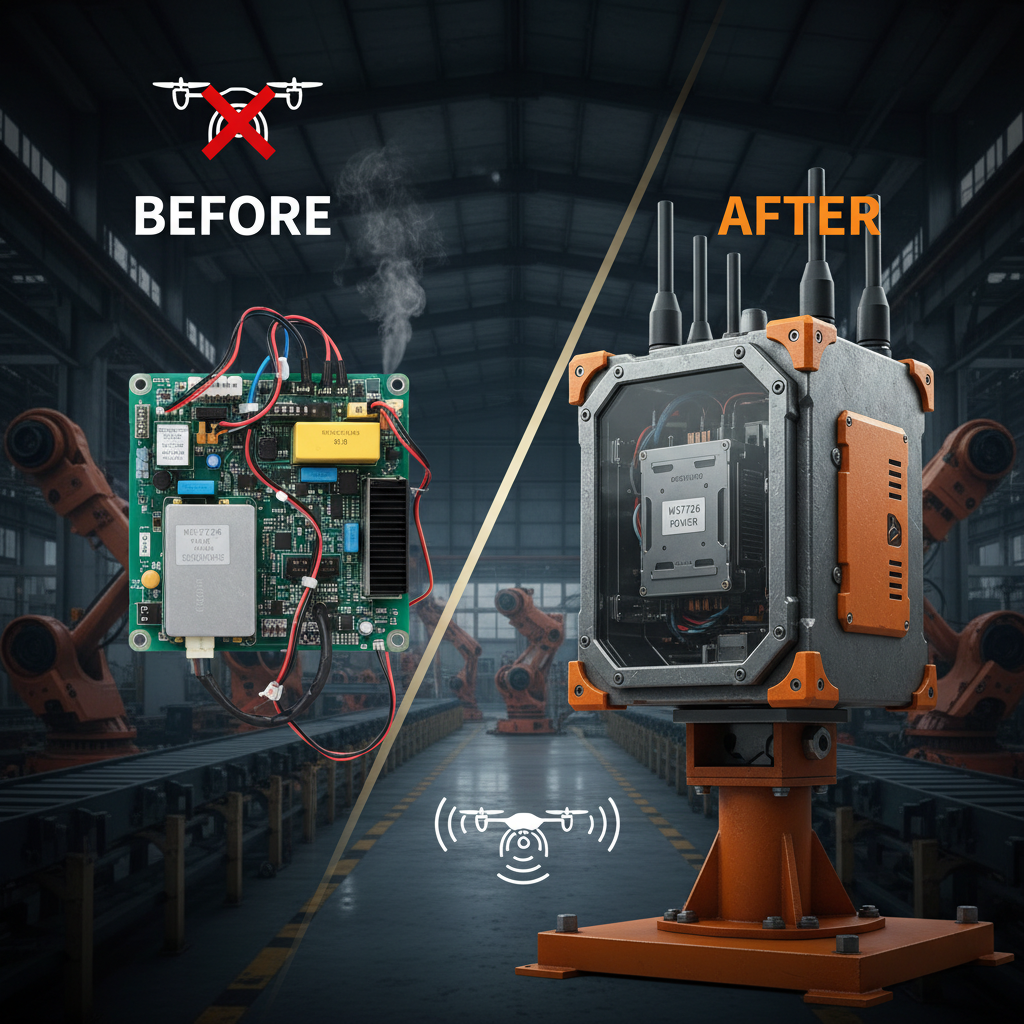
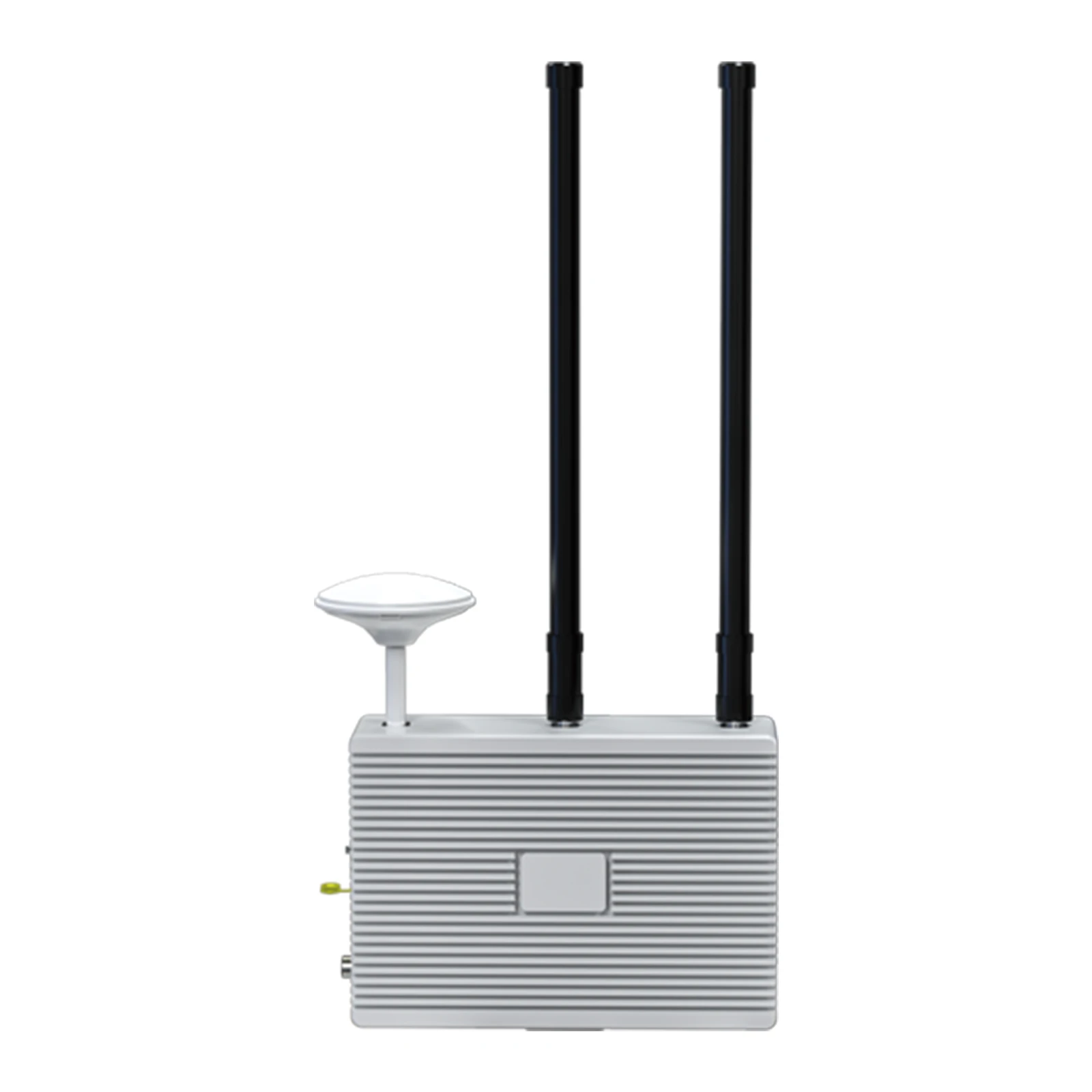
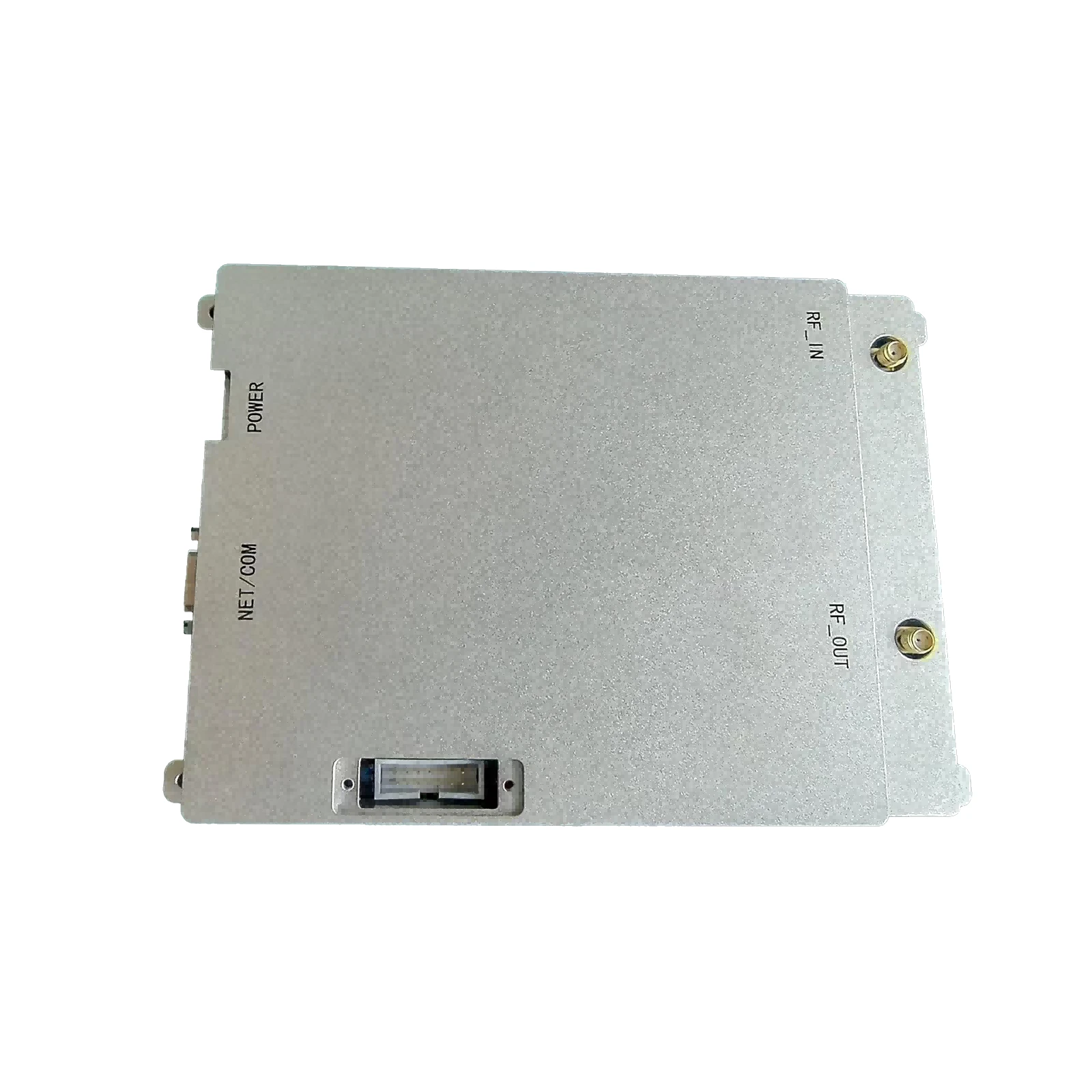
Simply put, a uhf power amplifier module is a device designed to increase the power level of UHF radio signals before broadcasting them out through an antenna system. Think of it like a microphone amplifier on a stage — but for electromagnetic waves. These modules take a low-power signal and crank it up to the right wattage, ensuring the transmission reaches intended distances with clarity and minimal loss. They’re embedded in radios, repeaters, TV transmitters, radar systems, and increasingly, drone communication setups.
Without these amplifiers, signals would struggle to penetrate walls, overcome environmental noise, or reach remote users — a pretty compelling reason they’re vital in both commercial and humanitarian tech landscapes.
Breaking Down the Core Components of UHF Amplifier Modules
1. Power Output & Amplification Efficiency
A module's ability to boost power without wasting energy is key. Engineers often measure efficiency as output power divided by input power — something like 60-70% efficiency is good for many modules. More efficiency means less heat and energy consumption, crucial in remote deployments.
2. Frequency Range & Bandwidth
Modules need to cover specific UHF ranges relevant to their application, say 470-860 MHz for TV broadcasting or 800-900 MHz for certain communications. A wider bandwidth allows for flexible use across services.
3. Durability & Thermal Management
Operating at high power causes heat — which can degrade performance fast if not managed. Good designs use heat sinks, ceramic packaging, or even liquid cooling in high-end systems, ensuring long-term reliability.
4. Size and Integration Capability
Compactness helps in applications like drones or portable radios. It’s fascinating how advances in semiconductor technology have shrunk these amplifiers while enhancing power.
5. Cost Efficiency
Many applications require low-cost yet reliable modules. Striking this balance expands access, particularly important in developing regions.
| Spec | Value |
|---|---|
| Frequency Range | 470 - 860 MHz |
| Output Power | 30 Watts |
| Gain | 30 dB |
| Efficiency | 65% |
| Operating Voltage | 12 V DC |
| Dimensions | 85 x 60 x 20 mm |
Global Applications: Where UHF Amplifier Modules Really Shine
The versatility of uhf power amplifier modules is almost astonishing. For example:
- Disaster Relief Communications: In post-disaster areas where infrastructure is down, amplifiers help emergency radios maintain contact among rescue teams and survivors.
- Remote Industrial Sites: Mines in Australia or oil rigs in Africa depend on robust communication enabled by these modules to coordinate operations safely.
- Broadcasting: Television and radio stations worldwide utilize UHF amplifiers to ensure their signals reach rural audiences.
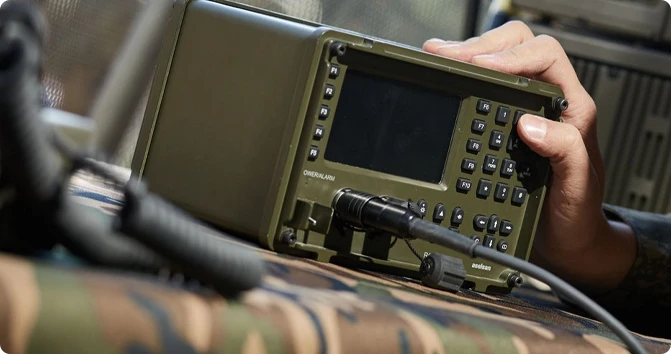
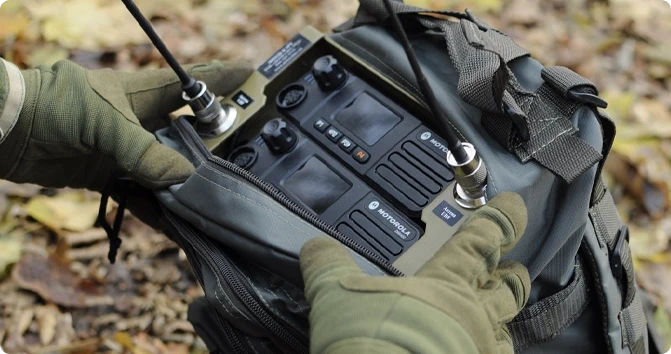
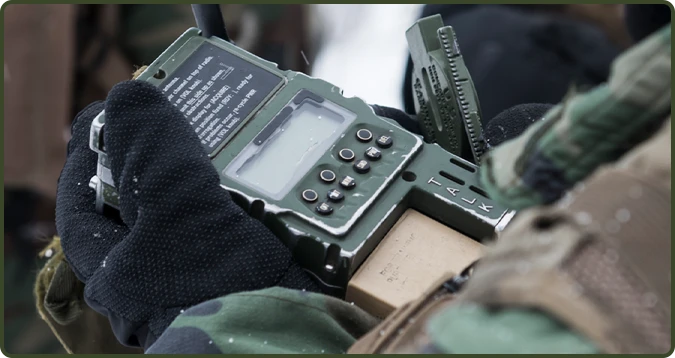
- Military & Security: Secure, reliable transmission in challenging terrains often hinges on these modules' performance.
- Drone Systems: Increasingly, drones equipped with uhf power amplifier module components extend their communication range for agriculture, surveillance, or delivery services.
In fact, in parts of South Asia and Sub-Saharan Africa, rural communication programs rely on these little modules to punch above their weight and bridge digital divides.
Mini takeaway: The global impact of uhf power amplifier modules extends far beyond tech geeks — they support livelihoods, safety, and global connectivity.
What Makes UHF Power Amplifier Modules So Advantageous?
It’s not just about boosting signal strength. The benefits tend to come in layers:
- Cost Savings: More efficient use of power means lower running costs, which add up especially in large-scale or long-term deployments.
- Reliability: Consistent, clear communication boosts trust — imagine coordinating a life-saving effort with patchy signals, nightmare scenario.
- Social Impact: By facilitating connectivity in underserved areas, these modules help empower communities educationally and economically.
- Environmental Sustainability: Newer modules prioritize efficiency and use materials designed to reduce ecological footprints.
- Innovation Catalyst: As components improve, new applications like IoT nodes and drone communications become feasible, opening fresh opportunities.
Frankly, it feels like these modules are one of those quiet tech heroes — you rarely notice them until without them you’re suddenly cut off.
Looking Ahead: Future Trends in UHF Power Amplifier Modules
The industry is buzzing with exciting developments. For one, integration with GaN (gallium nitride) semiconductors promises higher efficiency and power density compared to traditional silicon. Additionally, green policies push manufacturers to prioritize materials that are recyclable and less energy-hungry. Automation and software-defined radio concepts are making amplifier tuning and management smarter and more adaptive — in essence, smarter modules for smarter networks.
Interestingly, as 5G and beyond evolve, the role of UHF power amplifiers may shift, but their fundamental need — clean, reliable power boost — remains vital. There’s also a growing niche for ruggedized versions tailored for harsh climates, perhaps driven by climate change and the increasing frequency of extreme weather.
Common Hurdles & Ingenious Solutions
Like all tech, uhf power amplifier modules face challenges:
- Heat Dissipation: Overheating can cause failure. Solution? Advanced materials and novel thermal management designs.
- Signal Distortion: High power doesn't always mean high quality. Engineers use negative feedback and linearization techniques to maintain clarity.
- Size vs. Power Tradeoff: Smaller devices often produce less power. Innovations in semiconductor tech and packaging are steadily overcoming this.
- Cost Constraints: Especially relevant in emerging markets. Modular design and mass production techniques help bring prices down.
Experts recommend a balanced approach: choosing a module that fits the application’s specific needs rather than over-engineering or cutting corners.
Vendor Comparison: Picking the Right UHF Power Amplifier Module Supplier
| Vendor | Power Range | Efficiency | Price Range | Notable Features |
|---|---|---|---|---|
| AmplifyTech | 10W - 50W | 65% - 70% | $150 - $500 | Ruggedized, IP67 rated |
| SignalBoost Co. | 5W - 30W | 60% - 66% | $120 - $350 | Compact size, easy integration |
| WaveAmp Solutions | 20W - 100W | 68% - 72% | $300 - $750 | GaN tech, high power |
FAQs: Answers to Your Top Questions on UHF Power Amplifier Modules
Q1: How do I know what power output I need for my UHF amplifier?
The power output depends on your application’s coverage area and signal conditions. For urban areas, lower wattage modules (~10-30W) often suffice, while rural or remote zones may need higher power (~30-100W). It's best to consult a professional to match amplifier specs with your antenna, frequency, and terrain.
Q2: Are these amplifier modules energy efficient?
Modern modules typically achieve 60-70% efficiency, which balances performance and power consumption. Advances in semiconductor materials like GaN offer even better efficiency, reducing heat and electric bills.
Q3: Can these modules withstand harsh environments?
Yes, many modules come with ruggedized enclosures and thermal designs to endure dust, moisture, and temperature extremes. Always check product IP ratings and environmental specs if you plan to deploy in challenging conditions.
Q4: Is it easy to integrate a UHF power amplifier module into existing systems?
Generally, yes. Most modules are designed with standard connectors and interfaces for quick integration. However, it’s important to verify compatibility with your transmitter and antenna system to avoid mismatch issues.
Wrapping It Up: Why Investing in UHF Power Amplifier Modules Pays Off
In the end, the uhf power amplifier module is more than just a tech gadget — it’s a critical enabler of communication across industries and borders. From enabling remote community connectivity to empowering emergency responders and supporting future wireless innovations, investing in robust, efficient amplifier modules offers both immediate and lasting returns. If you want to explore reliable, high-performance options today, don’t hesitate to visit our website for trusted selections: uhf power amplifier module.
References:
1. International Telecommunication Union (ITU) - Radio Communication Sector, https://www.itu.int/en/ITU-R
2. World Bank - Telecommunications Infrastructure and Impact, https://data.worldbank.org
3. Wikipedia - UHF Frequency Band, https://en.wikipedia.org/wiki/Ultra_high_frequency

-
 09 March 2021 16 Apr 2026
 -
 09 March 2021 09 Apr 2026
 -
 09 March 2021 07 Apr 2026
 -
 09 March 2021 04 Apr 2026
 -
 09 March 2021 31 Mar 2026
-
 09 March 2021 21 May 2025
 -
 09 March 2021 25 Dec 2024
 -
 09 March 2021 14 Oct 2022
-
 09 March 2021 25 Dec 2024

 English
  Arabic
  Belarusian
  Danish
  Dutch
Dutch  French
  German
  Greek
Greek  Japanese
  Korean
  Myanmar
  Polish
  Portuguese
  Russian
  Spanish
  Swedish
  Thai
Thai  Ukrainian
  Vietnamese