

UHF RF Power Amplifier – Powering Reliable Wireless Communication Worldwide
Understanding the UHF RF Power Amplifier: Why It Matters Globally
UHF RF power amplifiers are kind of like the unsung heroes in our wireless world. If you've ever wondered how signals from radios, cellular towers, or satellite feeds get boosted enough to cover thousands of miles or penetrate dense urban environments, you’ve encountered the magic of these devices. Worldwide, they form the backbone for critical communication systems — from emergency services to broadcasting and beyond.
Given how much we rely on stable, efficient radio frequency transmission today, understanding these amplifiers isn’t just an academic exercise. It helps engineers, companies, and organizations optimize networks while saving costs. Plus, from a humanitarian angle — say, in disaster zones — reliable amplified communication means lives saved. So, grasping what makes a UHF RF power amplifier tick gives us a peek behind the curtain at a technology quietly shaping modern society.
The Global Relevance of UHF RF Power Amplifiers Today
Globally, the use of radio communications continues to expand — the International Telecommunication Union (ITU) estimates over 5 billion mobile subscriptions worldwide, many relying heavily on UHF band signals. This ubiquity presents a big challenge: how to maintain strong, clear transmissions over vast and often challenging terrains without ballooning operational costs.
Imagine rural healthcare providers in sub-Saharan Africa needing to broadcast urgent health alerts or global relief organizations coordinating logistics in post-disaster scenarios. Here, the role of the UHF RF power amplifier becomes especially significant. Without reliable amplification, signal drop-offs and interference would hamper essential communications, risking lives and operational failures.
That's why industries from telecommunications and broadcasting to aviation and defense invest in robust UHF RF amplification solutions. They provide the technical muscle needed to overcome signal degradation, long distances, and noisy electromagnetic environments.
What Exactly Is a UHF RF Power Amplifier?
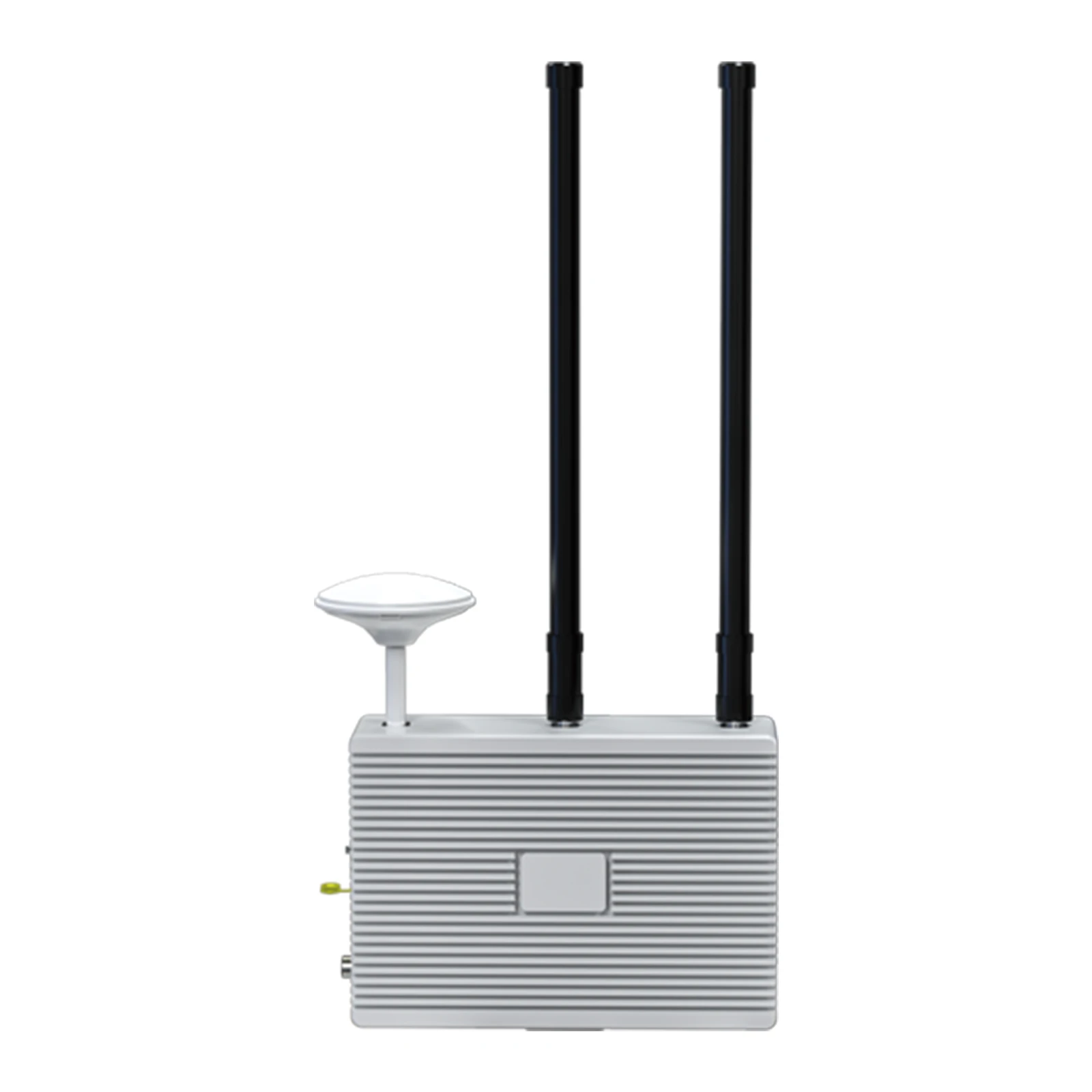
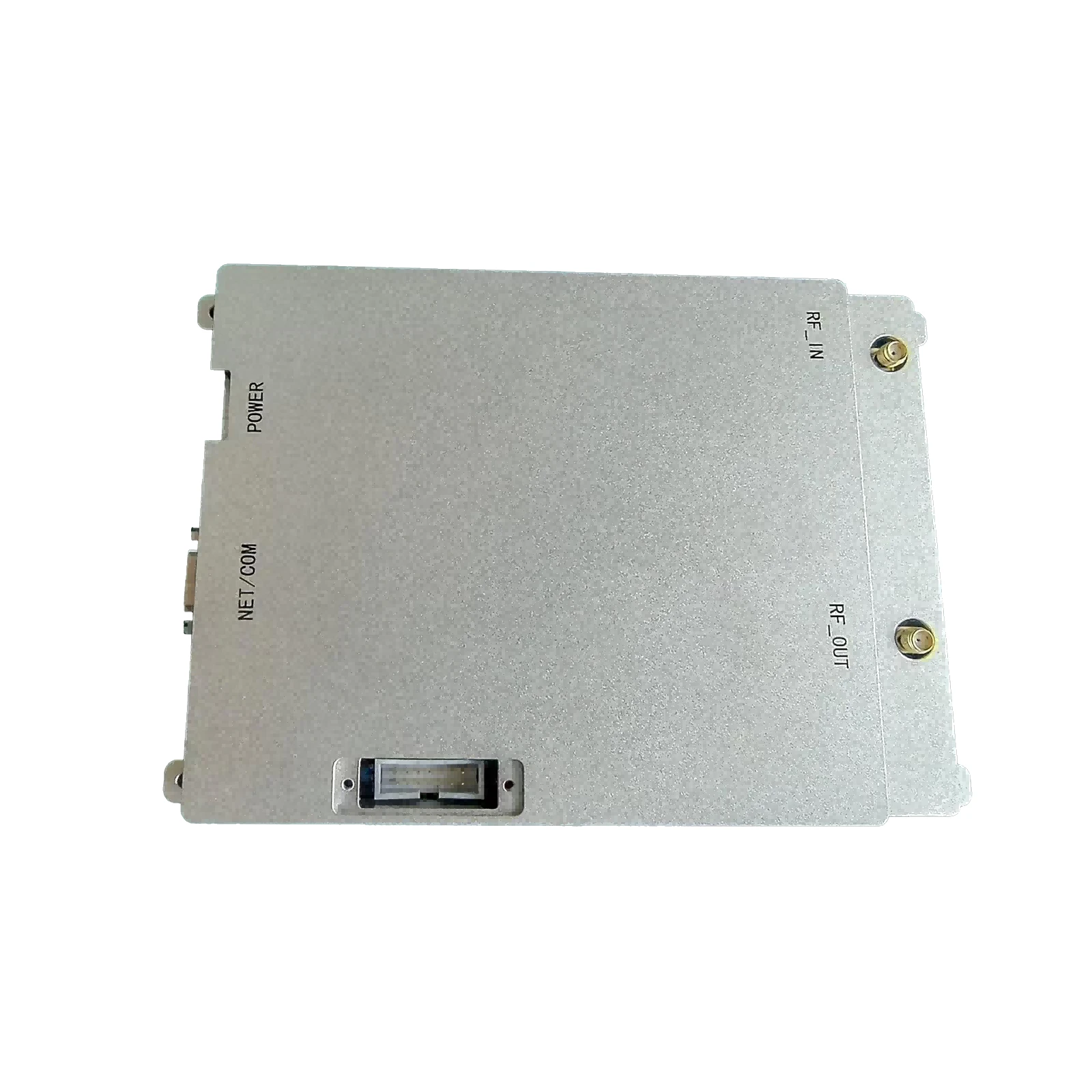
At its core, a UHF RF power amplifier is an electronic device that boosts signals in the Ultra High Frequency (300 MHz to 3 GHz) range. Think of it as a force multiplier for radio waves — taking a relatively weak input and increasing its power so the signal can travel farther without losing strength.
Technically, it sits between the signal source and the antenna, making sure that the transmitted signal is powerful enough to handle obstacles like buildings, weather, and distance. This simple role cascades into huge impacts in modern sectors: from keeping air traffic control crisp to supporting satellite uplinks and even enabling amateur radio enthusiasts worldwide.
In humanitarian uses, these amplifiers help maintain connection links in remote or disrupted environments. Often, they're built tough — radiation-resistant, energy-efficient — to withstand harsh conditions, which ties into humanitarian reliability and sustainability.
Core Components and Key Factors in UHF RF Power Amplifiers
1. Power Output & Efficiency
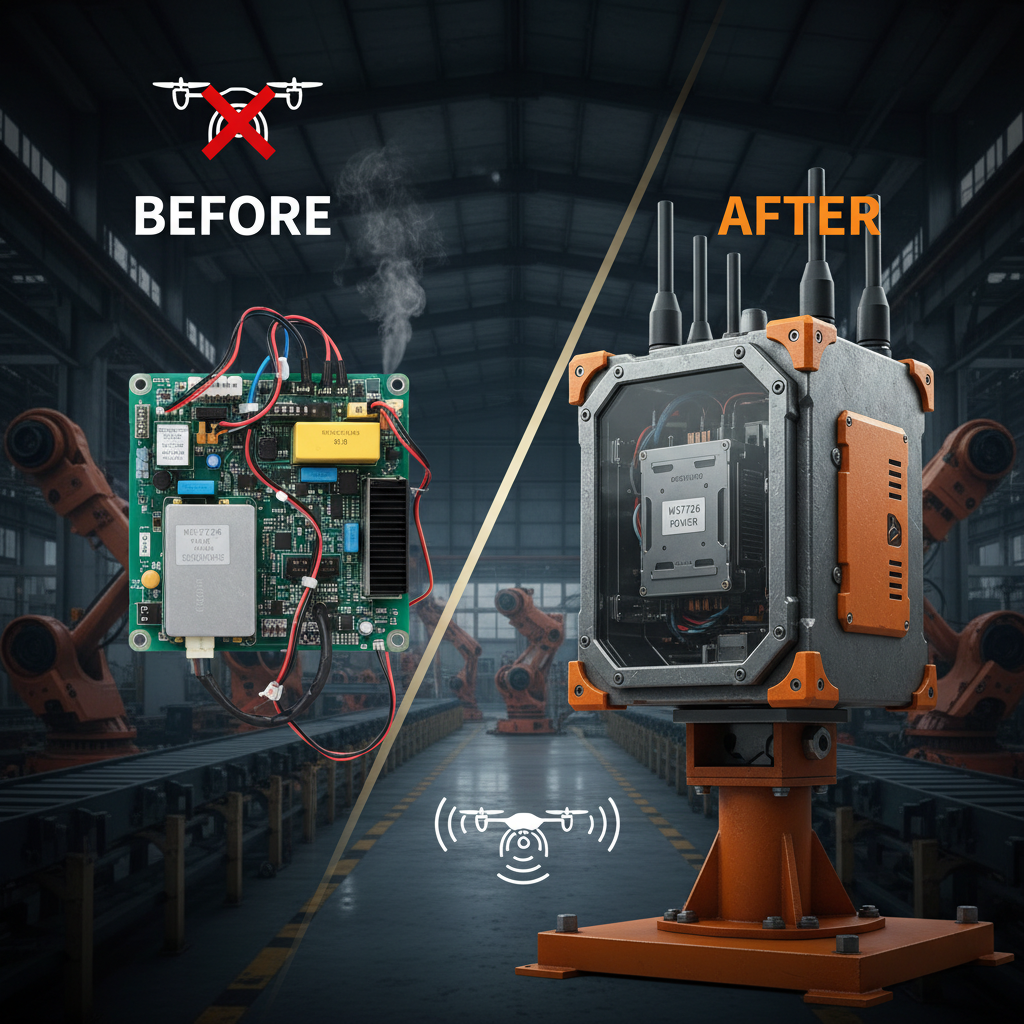
The primary function is power amplification, obviously. But the sweet spot comes from balancing output wattage with power efficiency. Higher output means longer transmission range, but it often eats power. Designs use LDMOS, GaN, or GaAs transistors to optimize this balance — making sure the amplifier doesn’t waste energy or overheat.
2. Linearity
Especially in communication where modulation schemes are complex, linear amplification keeps the signal distortion minimal. Nonlinear outputs may cause interference and degrade signal quality — a big no-no when lives and business depend on clear communication.
3. Bandwidth & Frequency Stability
Though the UHF range spans hundreds of MHz, many applications only require a narrow band. Tunable and broadband amplifiers mean flexibility across multiple frequencies — a boon for multi-purpose deployments.
4. Thermal Management & Durability
Amplifiers generate heat — lots of it. Efficient heat sinks, ventilation, or liquid cooling are common. Durability also comes in with rugged housing for outdoor, remote, and high-impact environments.
5. Scalability & Modularity
Being able to stack or link amplifier modules makes it easier to customize power output to project needs, saving upfront costs and adapting over time.
6. Cost-Effectiveness
Long-term reliability and energy use impact total ownership costs. Many engineers say investing upfront in a higher-quality amplifier pays off better than cutting corners with cheap components.
Common Specifications of a Typical UHF RF Power Amplifier
| Specification | Typical Value | Details |
|---|---|---|
| Operating Frequency | 300 MHz – 3 GHz | Covers full UHF band |
| Output Power | 100 W – 1 kW | Amplifies low-level inputs effectively |
| Gain | ≥40 dB | Signal amplification factor |
| Efficiency | 50% – 70% | Depends on transistor tech |
| Impedance | 50 Ω | Standard RF system impedance |
| Cooling | Fan or liquid cooling | Ensures reliability |
How Different Vendors Stack Up
| Vendor | Power Range | Efficiency | Modularity | Global Support | Price Range |
|---|---|---|---|---|---|
| AmpTech Solutions | 100W – 800W | 65% | High – Modular units | Worldwide | $$$ |
| RF Dynamics | 200W – 1 kW | 70% | Medium | EMEA, Americas | $$$ |
| WaveMax Amplifiers | 100W – 500W | 60% | Low – Fixed models | Asia Pacific | $ |
UHF RF Power Amplifier in Real Life: Applications Around the Globe
- Broadcasting: TV and radio stations, especially for regional coverage, depend on these amplifiers to push signals over large areas.
- Emergency response: In disaster zones, amplified communications keep rescue teams coordinated despite infrastructure damage.
- Telecommunications: Many cellular towers use UHF amplifiers to enhance signal quality and reach, particularly in rural or mountainous regions.
- Public Safety: Police and fire agencies rely on UHF amplifiers for uninterrupted communication during crises.
- Satellite communications: Ground stations use these amplifiers for reliable uplinks in weather-extreme environments.
For example, during the 2019 Amazon wildfires, relief agencies used mobile units equipped with uhf rf power amplifier technology to maintain communication lines where cellular networks had failed. These reliable devices allowed real-time coordination despite difficult terrain and infrastructure damage.
Why Investing in a Quality UHF RF Power Amplifier Pays Off
You could say these amplifiers are the trustworthy workhorses of radio communication. Their benefits go beyond pure performance:
- Cost Efficiency: Better efficiency means less energy consumed, especially important for solar/battery-powered remote sites.
- Sustainability: Durable designs reduce electronic waste and system downtime.
- Reliability & Safety: Seamless communication supports emergency response, fosters public trust, and saves lives.
- Innovation: Modern designs use smarter semiconductors offering higher power at smaller footprints.
- Social Impact: Connecting isolated communities with dependable networks improves education, healthcare, and economic opportunities.
There’s a quiet comfort knowing the signals you depend on have been powered by something carefully engineered with precision and resilience.
Anticipating the Future: Trends in UHF RF Power Amplifiers
The future of these amplifiers might surprise those who only think of them as simple boosters. We’re seeing some fairly cool shifts underway:
- Gallium Nitride (GaN) Components: These promise higher efficiency, smaller size, and greater thermal tolerance than traditional silicon.
- Digitally-Controlled Amplifiers: Allow remote tuning and adaptive power output, improving network flexibility.
- Eco-friendly Designs: Increasing pressure to meet sustainability standards means greener materials and smarter cooling.
- Integration with 5G/6G: Amplifiers will need to handle wider bandwidths and complex modulations.
In all, it feels like these amplifiers are quietly evolving alongside broader digital transformations — the evolution is subtle but pretty impactful.
Challenges in UHF RF Power Amplifier Deployment (and How to Solve Them)
Of course, no technology is without its hurdles. Common issues include:
- Heat Dissipation: Overheating can degrade components — effective cooling systems remain key.
- Signal Distortion: Non-linear amplification causing interference must be carefully managed.
- Cost vs. Performance Balance: High-end amplifiers can be pricey; operational budgets may limit access.
- Environmental Factors: Humidity, dust, or vibrations challenge durability in remote installations.
Experts suggest modular systems allow targeted upgrades, while innovations in GaN materials and smarter cooling add resilience and efficiency. Partnerships with vendors offering global support and warranties also make big differences.
Frequently Asked Questions About UHF RF Power Amplifiers
- Q1: What frequency range does a UHF RF power amplifier typically cover?
- A1: Usually, these amplifiers cover from 300 MHz to 3 GHz, which is the Ultra High Frequency band. This range supports many applications including TV, mobile networks, and emergency radios.
- Q2: How do I choose the right power output for my amplifier?
- A2: It depends on your coverage needs. For local communication, 100 to 500 watts might suffice. Broader or obstruction-heavy areas often require 1 kW or more. Factor in efficiency and environmental conditions too.
- Q3: Are UHF RF power amplifiers energy-efficient?
- A3: Modern designs using GaN or LDMOS transistors generally achieve between 50% and 70% efficiency, balancing output power with lower energy consumption compared to older models.
- Q4: Can these amplifiers withstand harsh weather?
- A4: Yes, many models feature ruggedized casings and advanced cooling to endure high humidity, dust, and temperature variations common in outdoor installations.
- Q5: How do I maintain a UHF RF power amplifier?
- A5: Regular inspections focusing on connections, cooling systems, and heat sinks are recommended. Also, ensure firmware or digital controls are updated if applicable.
Conclusion: Why Your Next Communication Setup Needs a UHF RF Power Amplifier
In a nutshell, UHF RF power amplifiers are essential cogs in the grand machine that keeps our world connected. From broadcasting news to coordinating emergency teams in crisis areas, their role is bigger than most realize. Their blend of power, efficiency, and adaptability makes them a smart long-term investment.
If you’re stepping into telecommunication infrastructure, emergency services equipment, or even remote site networking, an efficient, reliable amplifier is your gateway to stronger, clearer, and more dependable signal transmission.
Interested in learning more or upgrading your system? Check out our comprehensive UHF RF power amplifier solutions — tailored for performance and resilience. Because when it comes to communication, every watt counts.
References:
1. International Telecommunication Union (ITU) - ITU Telecom Stats
2. Wikipedia - Ultra High Frequency - https://en.wikipedia.org/wiki/Ultra_high_frequency
3. IEEE Xplore - Advances in GaN Technology for RF Amplification (journal overview)

-
 09 March 2021 16 Apr 2026
 -
 09 March 2021 09 Apr 2026
 -
 09 March 2021 07 Apr 2026
 -
 09 March 2021 04 Apr 2026
 -
 09 March 2021 31 Mar 2026
-
 09 March 2021 21 May 2025
 -
 09 March 2021 25 Dec 2024
 -
 09 March 2021 14 Oct 2022
-
 09 March 2021 25 Dec 2024

 English
  Arabic
  Belarusian
  Danish
  Dutch
Dutch  French
  German
  Greek
Greek  Japanese
  Korean
  Myanmar
  Polish
  Portuguese
  Russian
  Spanish
  Swedish
  Thai
Thai  Ukrainian
  Vietnamese