

Exploring RF Transmitter and Receiver Technologies for Wireless Communication Systems
RF Transmitter and Receiver: A Comprehensive Guide
Radio Frequency (RF) transmitters and receivers are fundamental components in a vast range of wireless communication systems. From remote controls to sophisticated data transmission networks, these devices enable communication without physical connections. Understanding the principles, applications, and latest advancements in RF transmitter and receiver technology is crucial for professionals and enthusiasts alike. This article will provide a detailed overview of these technologies, exploring their functions, types, applications, and future trends.
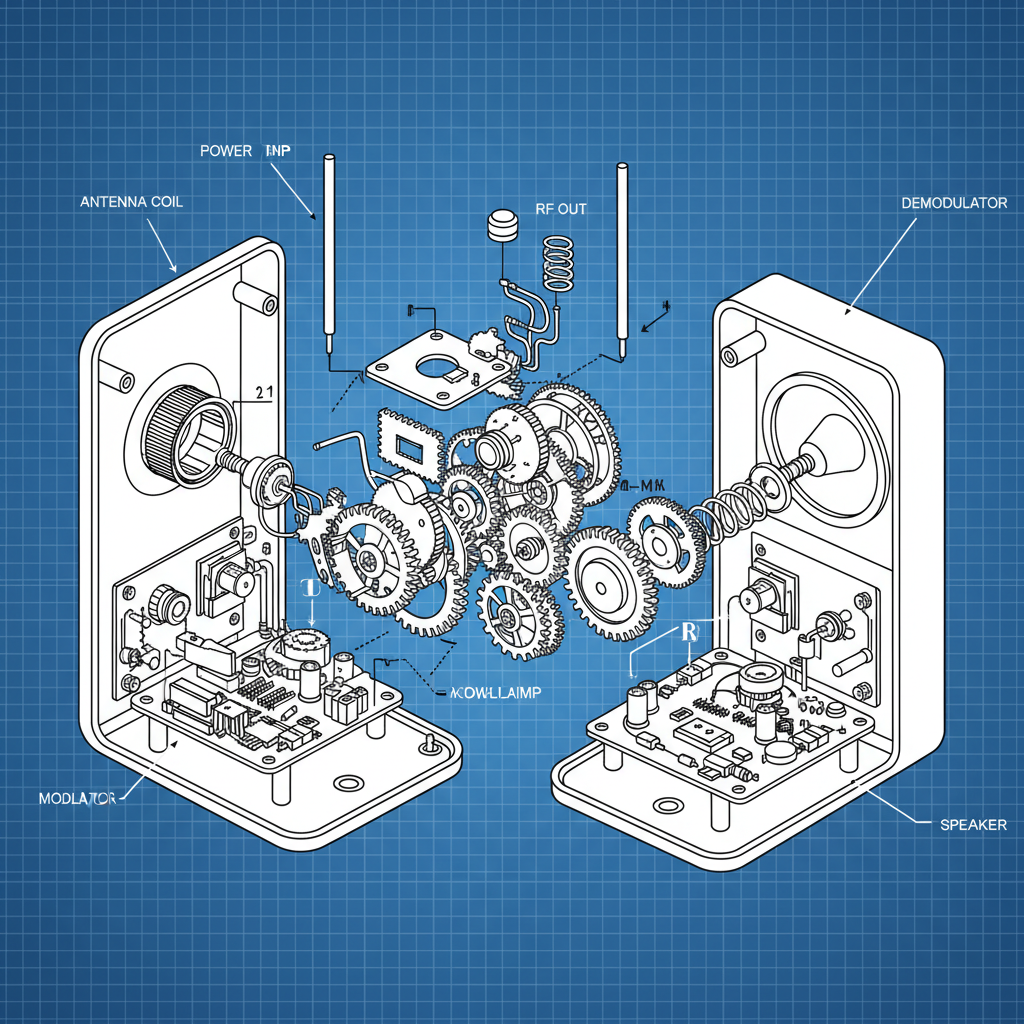
Understanding RF Transmitters and Receivers
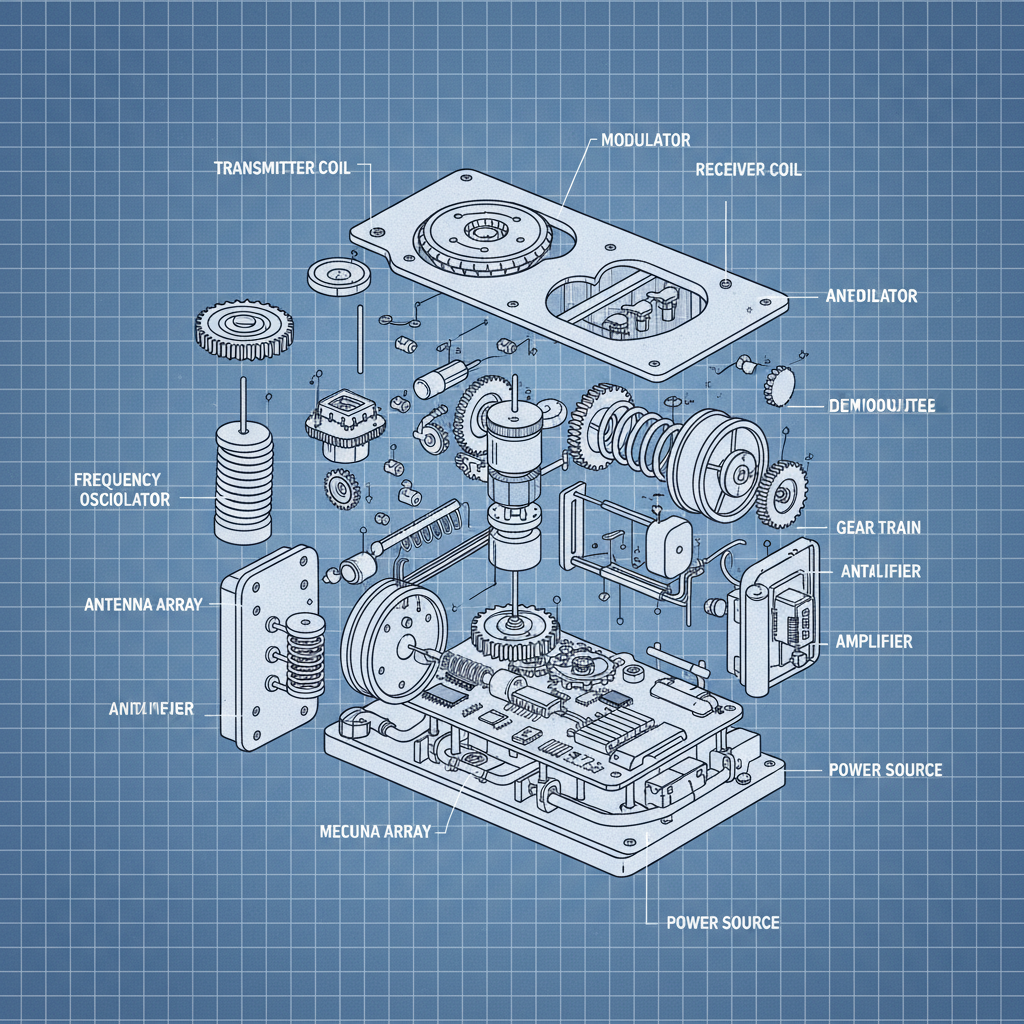
An RF transmitter converts electrical signals into electromagnetic waves that can travel through the air. It accomplishes this through modulation, which encodes information onto a carrier frequency. Key components include oscillators, amplifiers, and antennas. Conversely, an RF receiver captures these electromagnetic waves, demodulates the signal to extract the original information, and outputs an electrical signal. Essential receiver components include antennas, amplifiers, mixers, and demodulators. The efficiency and performance of both transmitter and receiver are crucial for reliable wireless communication. The choice of frequency band, modulation technique, and antenna design significantly impacts the range, data rate, and power consumption of the system.
Key Takeaway: RF transmitters convert electrical signals to radio waves, while receivers do the opposite, enabling wireless communication.
Types of RF Transmitters and Receivers
RF transmitters and receivers come in various forms, each tailored for specific applications. Some common types include:
- Amplitude Modulation (AM) Transmitters/Receivers: Simple and widely used, but susceptible to noise.
- Frequency Modulation (FM) Transmitters/Receivers: Offer better noise immunity than AM.
- Phase Shift Keying (PSK) Transmitters/Receivers: Employ phase variations to encode data, providing higher data rates.
- Quadrature Amplitude Modulation (QAM) Transmitters/Receivers: Combine amplitude and phase modulation for even higher data rates.
- Software Defined Radio (SDR) Transmitters/Receivers: Flexible systems where many components are implemented in software, enabling adaptability and reconfigurability.
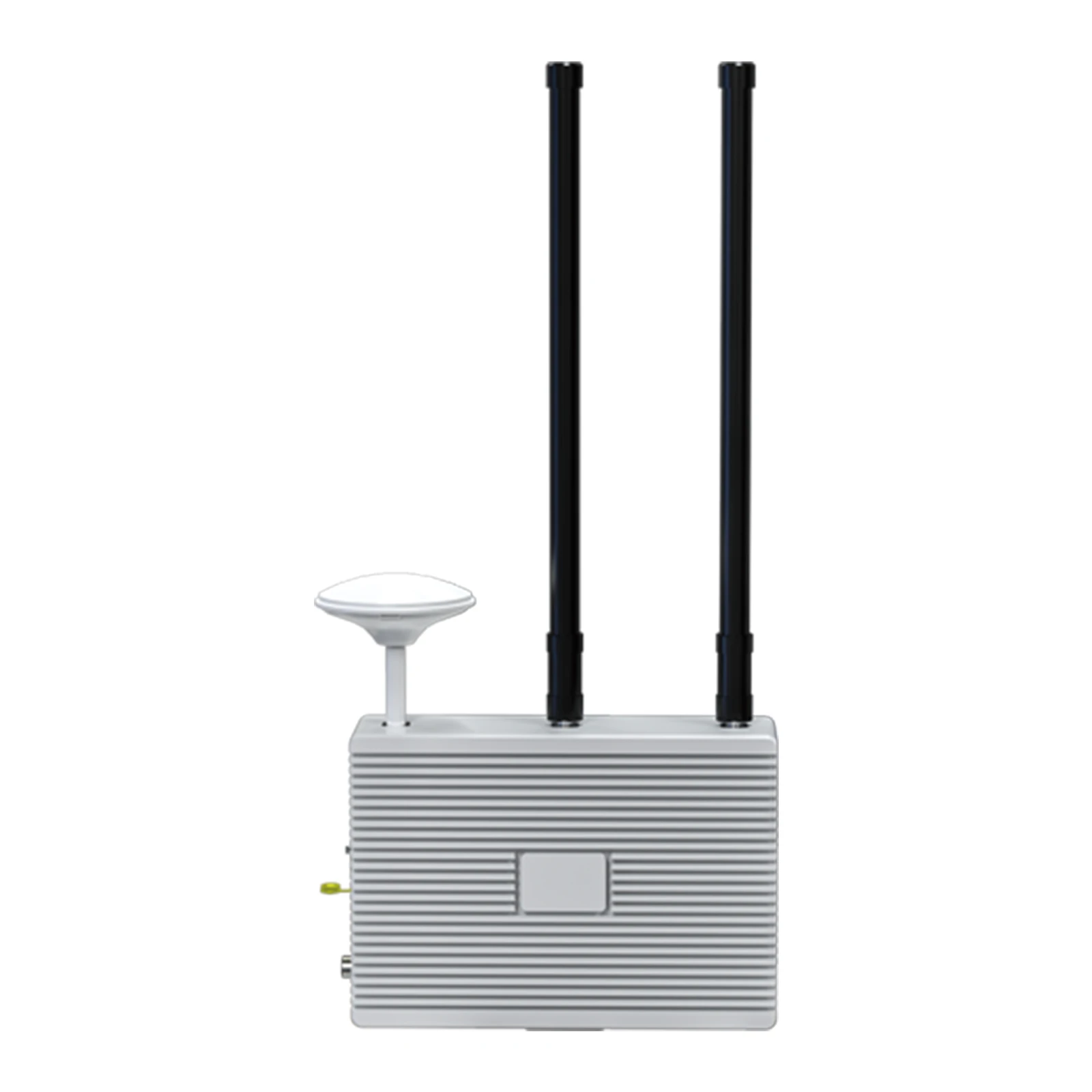
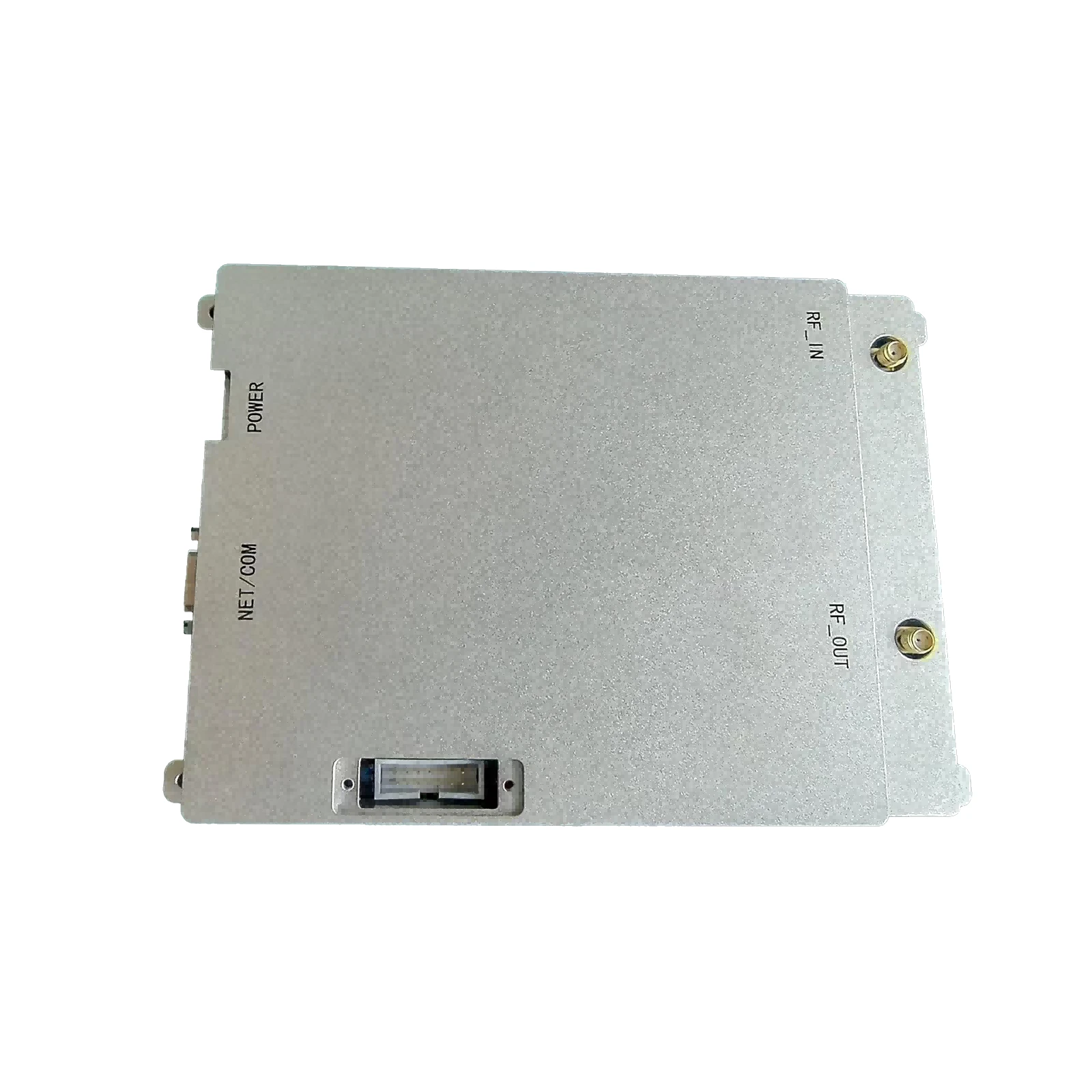
The selection depends on factors such as the required data rate, operating range, power consumption, and cost. Drone-system offers a variety of these types tailored to specific drone applications.
Applications of RF Transmitter and Receiver Technology
The applications of RF technology are incredibly diverse. Here are just a few examples:
- Wireless Communication: Cell phones, Wi-Fi, Bluetooth.
- Remote Control Systems: TV remotes, drone control, garage door openers.
- Industrial Automation: Wireless sensors and control systems.
- Medical Devices: Wireless patient monitoring and telemetry.
- RFID (Radio Frequency Identification): Asset tracking and inventory management.
- Satellite Communication: Broadcasting, GPS, and data transfer.
Key Application Areas:
• Wireless communication infrastructure.
• Industrial and IoT applications.
• Automotive systems (keyless entry, tire pressure monitoring).
RF Transmitter and Receiver Performance Comparison
Different modulation schemes exhibit varying performance characteristics. The table below provides a comparison:
Future Trends in RF Technology
The field of RF technology is constantly evolving. Key trends include:
- 5G and Beyond: Development of higher frequency bands and advanced modulation schemes for faster data rates and lower latency.
- Massive MIMO (Multiple-Input Multiple-Output): Using a large number of antennas to improve spectral efficiency and signal quality.
- AI and Machine Learning: Applying AI to optimize RF system performance, including interference mitigation and resource allocation.
- Energy Harvesting: Developing RF transmitters and receivers that can operate with minimal power consumption or even harvest energy from the environment.
Conclusion: Embracing the Future of Wireless Communication
RF transmitters and receivers are the backbone of modern wireless communication. As technology advances, we can expect even more innovative applications and improved performance. Understanding the fundamentals of RF technology is essential for engineers, researchers, and anyone interested in the future of connectivity. Explore the comprehensive range of RF solutions at Drone-system to find the perfect technology for your needs.
Frequently Asked Questions (FAQs)
What is the importance of antenna selection in RF systems?
Antenna selection is crucial because it directly impacts the range, signal strength, and directionality of the RF system. The antenna must be matched to the operating frequency and impedance of the transmitter and receiver for efficient power transfer. Different antenna types, such as dipole, Yagi-Uda, and patch antennas, offer varying performance characteristics. Factors like gain, bandwidth, and radiation pattern must be considered based on the application's requirements. Choosing the right antenna can significantly improve the overall performance and reliability of the wireless communication link. Drone-system offers guidance on antenna selection to ensure optimal system performance.
What are some common sources of interference in RF systems?
RF systems are susceptible to interference from various sources, including other wireless devices, electrical noise, and atmospheric disturbances. Common interferers include Wi-Fi routers, Bluetooth devices, microwave ovens, and industrial equipment. Interference can degrade signal quality, reduce data rates, and even disrupt communication. Techniques to mitigate interference include using frequency hopping, spread spectrum modulation, and shielding sensitive components. Proper site surveys and spectrum analysis are essential for identifying and addressing interference issues.
What is the role of modulation in RF communication?
Modulation is the process of encoding information onto a carrier signal for transmission. It's essential because the baseband signal (the original information) typically has a low frequency and cannot be efficiently radiated by an antenna. Modulation shifts the signal to a higher frequency band suitable for transmission. Different modulation schemes, like AM, FM, PSK, and QAM, offer trade-offs between data rate, bandwidth efficiency, and noise immunity. The choice of modulation scheme depends on the specific application requirements.
How can I improve the range of my RF transmitter/receiver system?
Improving the range of an RF system involves several strategies. Increasing transmit power (within regulatory limits) can extend the range, but also increases power consumption. Optimizing the antenna design and placement is crucial, ensuring a clear line of sight and minimizing obstructions. Using a low-noise amplifier (LNA) at the receiver can improve sensitivity. Selecting a lower frequency band generally provides better propagation characteristics. Finally, employing techniques like diversity reception can mitigate the effects of fading and multipath interference.

-
 09 March 2021 16 Apr 2026
 -
 09 March 2021 09 Apr 2026
 -
 09 March 2021 07 Apr 2026
 -
 09 March 2021 04 Apr 2026
 -
 09 March 2021 31 Mar 2026
-
 09 March 2021 21 May 2025
 -
 09 March 2021 25 Dec 2024
 -
 09 March 2021 14 Oct 2022
-
 09 March 2021 25 Dec 2024
 English
  Arabic
  Belarusian
  Danish
  Dutch
Dutch  French
  German
  Greek
Greek  Japanese
  Korean
  Myanmar
  Polish
  Portuguese
  Russian
  Spanish
  Swedish
  Thai
Thai  Ukrainian
  Vietnamese