

Exploring the World of RF Products and Their Diverse Applications
RF Products: A Comprehensive Guide
In today’s interconnected world, Radio Frequency (RF) products are the invisible backbone of countless technologies. From wireless communication and navigation to medical devices and industrial automation, RF technology permeates nearly every aspect of modern life. Understanding the nuances of RF products is crucial for businesses operating in the global marketplace. This article provides a detailed exploration of RF products, their applications, key considerations for sourcing, and emerging trends. We will cover what RF products are, their common uses, how to choose the right components, and the importance of quality assurance for international trade.

What are RF Products?
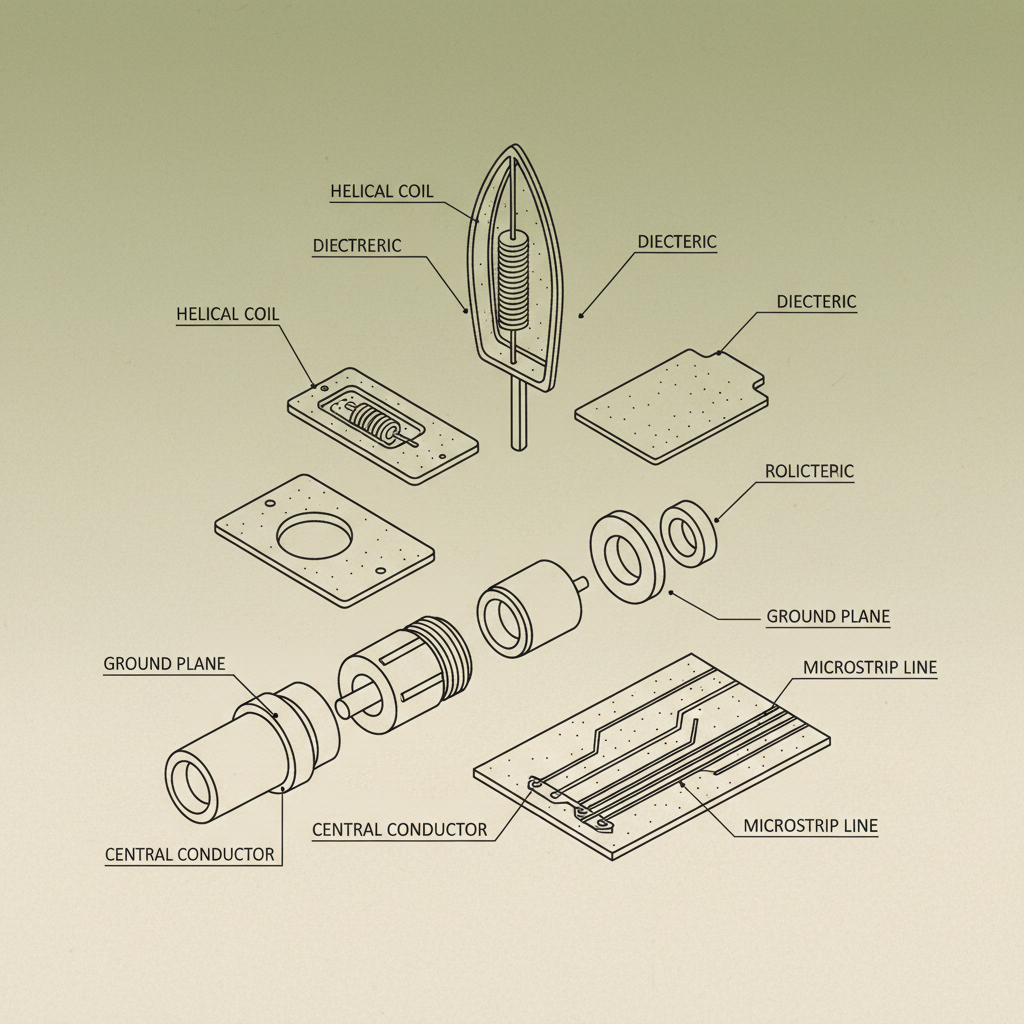
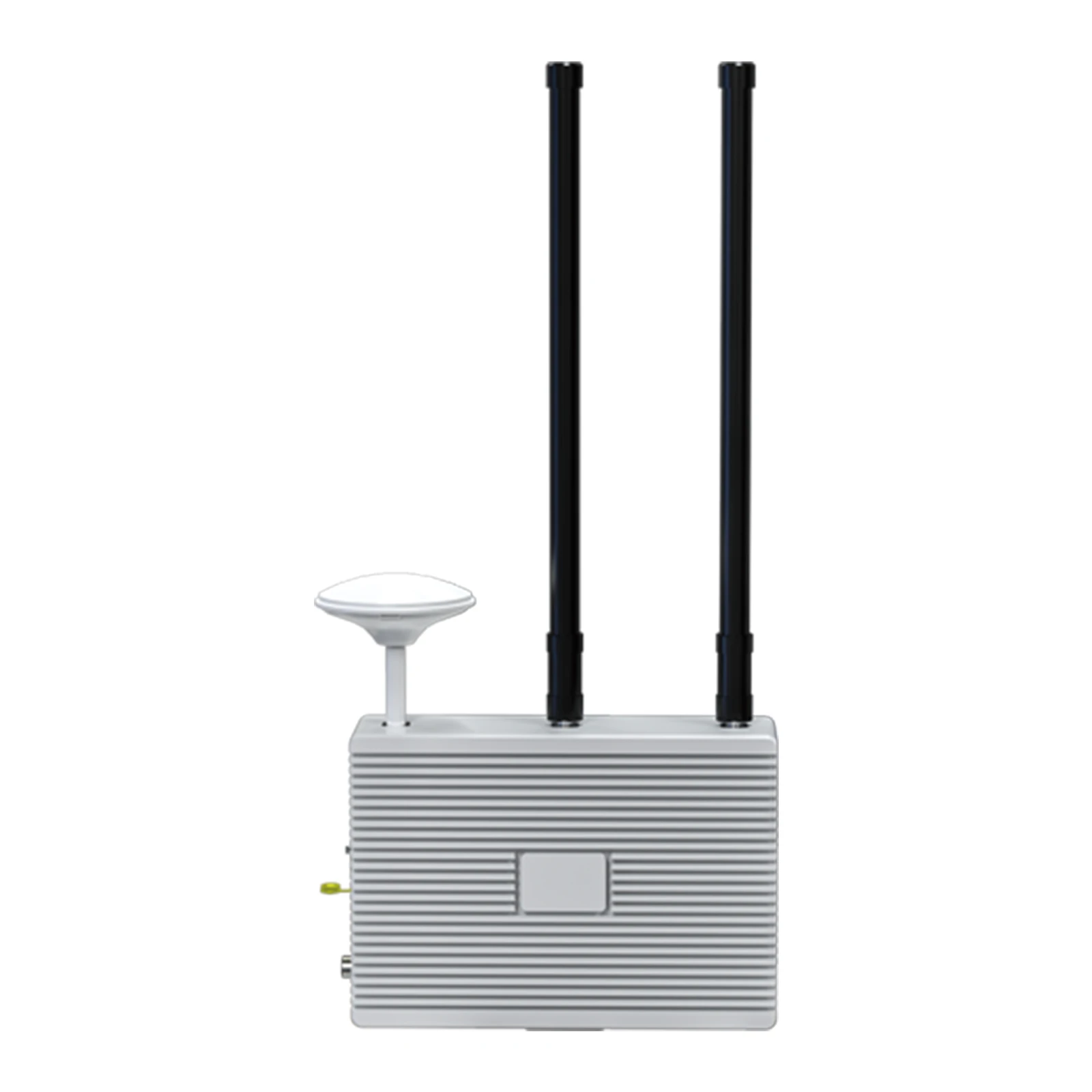
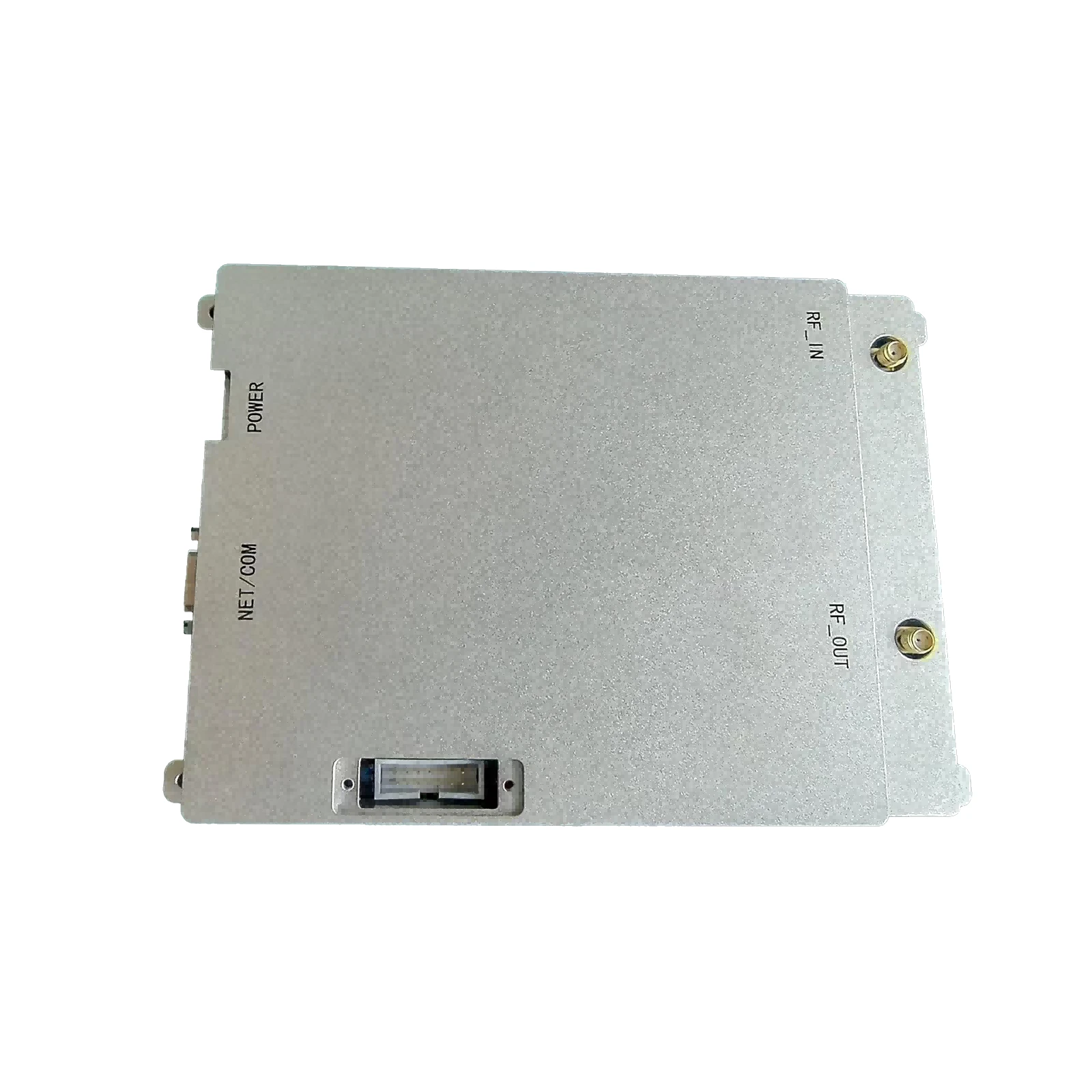
RF products encompass a wide range of components and systems that operate using radio frequency electromagnetic waves. These include antennas, filters, amplifiers, mixers, oscillators, and integrated circuits (ICs) specifically designed for RF applications. RF components are essential for transmitting and receiving wireless signals, enabling communication between devices. The frequency range of RF products typically spans from 3 kHz to 300 GHz, covering a vast spectrum of applications. Drone System specializes in providing high-quality RF solutions tailored to various industry needs.
Key Takeaway: RF products are the building blocks of wireless communication, facilitating data transfer and enabling remote control capabilities across diverse sectors.
Common Applications of RF Products
The applications of RF products are incredibly diverse. Some of the most prominent include:
- Wireless Communication: Cellular networks, Wi-Fi, Bluetooth, and satellite communication rely heavily on RF technology.
- Navigation: GPS, GLONASS, and other global navigation satellite systems utilize RF signals for accurate positioning.
- Broadcasting: Radio and television broadcasting depend on RF waves to transmit audio and video content.
- Medical Devices: MRI machines, pacemakers, and other medical equipment often incorporate RF components.
- Industrial Automation: RF-based sensors and controllers are used in industrial processes for monitoring and control.
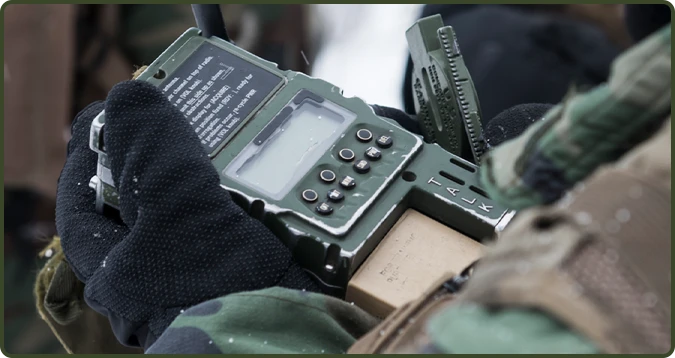
- Aerospace & Defense: Radar systems, electronic warfare equipment, and communication systems leverage RF technology.
Choosing the Right RF Components
Selecting the appropriate RF components is crucial for ensuring optimal performance and reliability. Key factors to consider include frequency range, power handling capability, impedance matching, and signal-to-noise ratio. It's also vital to assess the environmental conditions in which the components will operate, such as temperature and humidity. Understanding the specific requirements of your application will guide your selection process. Contacting our experts at Drone System can provide tailored guidance.
Critical Component Considerations:
• Frequency Range: Ensure the component supports the desired operating frequency.
• Impedance Matching: Proper impedance matching maximizes power transfer and minimizes signal reflections.
• Power Handling: Select components capable of handling the required power levels without distortion.
• Signal-to-Noise Ratio (SNR): Higher SNR values indicate better signal quality and reduced interference.
RF Product Sourcing and Quality Control
When sourcing RF products internationally, rigorous quality control is paramount. Counterfeit components and substandard manufacturing can lead to system failures and significant financial losses. It’s essential to work with reputable suppliers who adhere to strict quality standards, such as ISO 9001. Implementing thorough inspection procedures, including testing for electrical performance, mechanical dimensions, and material composition, is crucial. Drone System provides comprehensive quality assurance services to mitigate these risks.
Emerging Trends in RF Products
The field of RF technology is constantly evolving. Some key trends shaping the future include:
- 5G and Beyond: The rollout of 5G networks is driving demand for advanced RF components operating at higher frequencies.
- Beamforming Technology: Beamforming enhances signal strength and coverage in wireless networks.
- GaN and SiC Materials: Gallium Nitride (GaN) and Silicon Carbide (SiC) offer superior performance in high-power RF applications.
- Miniaturization: Demand for smaller and more integrated RF components is increasing.
Conclusion: Navigating the World of RF Products
Staying informed about the latest advancements in RF products and partnering with a reliable supplier like Drone System is essential for success in today's competitive market. By prioritizing quality, understanding application-specific requirements, and embracing emerging technologies, businesses can unlock the full potential of RF solutions and achieve a competitive edge.
Frequently Asked Questions (FAQs)
What is VSWR and why is it important in RF systems?
VSWR, or Voltage Standing Wave Ratio, is a measure of impedance matching between a transmission line and the load it’s connected to. A VSWR of 1:1 indicates a perfect match, meaning all power is transferred from the source to the load. High VSWR values indicate a mismatch, causing reflected power, signal loss, and potential damage to the transmitter. Maintaining low VSWR is crucial for efficient and reliable RF communication. Factors like cable length, connector quality, and antenna impedance play a significant role in VSWR.
What are the key differences between GaN and traditional silicon RF components?
Gallium Nitride (GaN) offers significant advantages over traditional silicon in high-frequency and high-power RF applications. GaN components exhibit higher electron mobility, enabling faster switching speeds and improved efficiency. They also have a wider bandgap, allowing them to operate at higher temperatures and voltages without breakdown. While GaN is generally more expensive than silicon, its superior performance makes it ideal for demanding applications like 5G base stations and radar systems.
How do I ensure proper grounding in an RF system?
Proper grounding is critical for minimizing noise, preventing interference, and ensuring the safe operation of RF systems. A solid ground plane provides a low-impedance path for unwanted currents to flow to earth. Use star grounding techniques, connecting all ground points to a central point. Avoid ground loops, which can introduce noise and instability. Ensure all enclosures and shielded cables are properly grounded. Drone System can provide guidance on optimal grounding strategies.
What are the common causes of RF interference?
RF interference can arise from various sources, including unintentional radiation from electronic devices, intentional jamming signals, and atmospheric disturbances. Common causes include poor shielding, inadequate grounding, harmonic emissions from switching power supplies, and nearby transmitters operating on the same or adjacent frequencies. Employing shielding techniques, filtering, and proper cable management can help mitigate RF interference.

-
 09 March 2021 16 Apr 2026
 -
 09 March 2021 09 Apr 2026
 -
 09 March 2021 07 Apr 2026
 -
 09 March 2021 04 Apr 2026
 -
 09 March 2021 31 Mar 2026
-
 09 March 2021 21 May 2025
 -
 09 March 2021 25 Dec 2024
 -
 09 March 2021 14 Oct 2022
-
 09 March 2021 25 Dec 2024

 English
  Arabic
  Belarusian
  Danish
  Dutch
Dutch  French
  German
  Greek
Greek  Japanese
  Korean
  Myanmar
  Polish
  Portuguese
  Russian
  Spanish
  Swedish
  Thai
Thai  Ukrainian
  Vietnamese