To be honest, the whole industry's gone crazy for miniaturization lately. Everything's gotta be smaller, lighter, more integrated. You walk onto a site these days, and it's less about brute force and more about fitting things into tighter spaces. It's… exhausting. But also kinda cool, you know? You see these engineers come up with solutions, and you think, “How did they even think of that?”
Have you noticed how everyone’s obsessed with surface-mount technology? It’s great for density, sure, but try soldering those tiny things in a dusty, windy field. Nightmare fuel, I tell you. Absolute nightmare fuel.
And don't even get me started on the pressure for lower BOM costs. They want the moon on a string, they really do.
Recent Industry Trends in rf module manufacturers
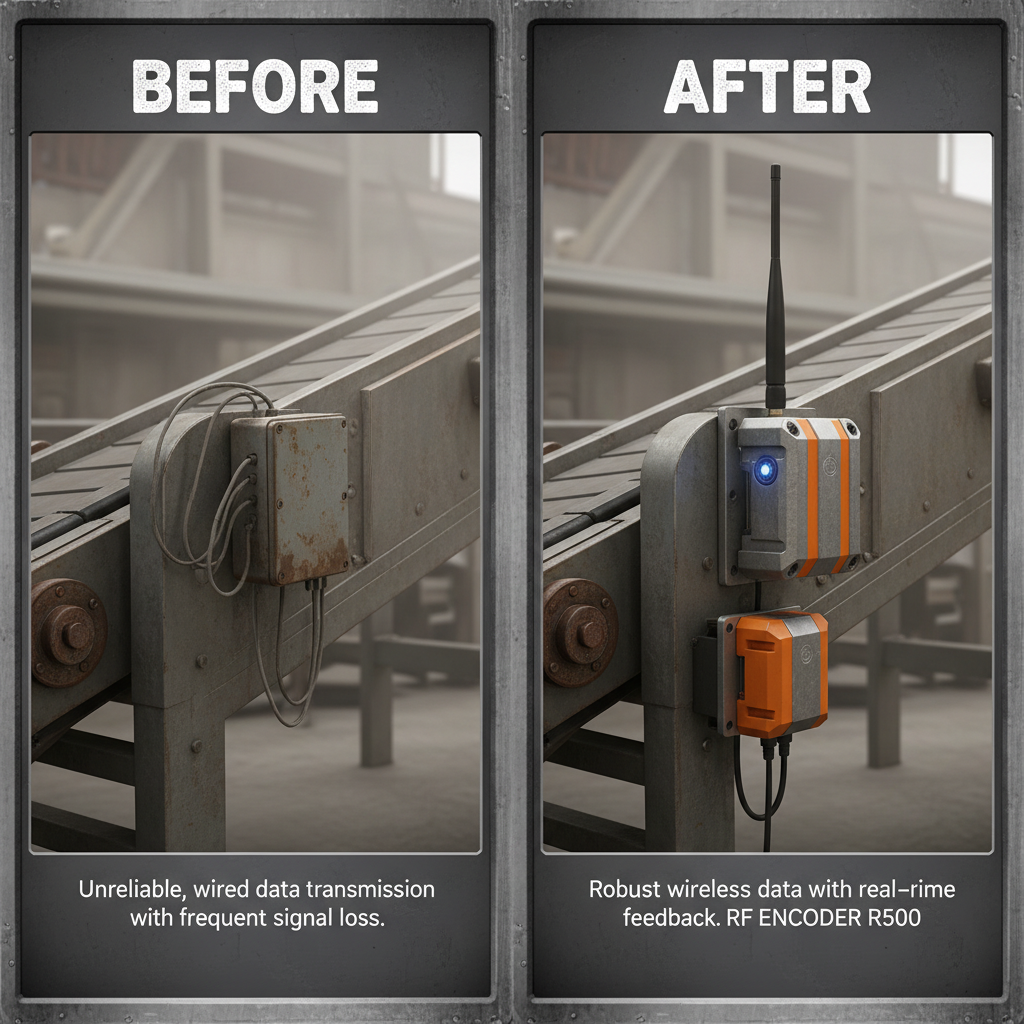
Strangely enough, everyone’s moving to these integrated solutions. Less wiring, more efficiency… in theory. I encountered this at a factory in Dongguan last time; they were boasting about their all-in-one modules, but the troubleshooting was a nightmare. When one part fails, you have to replace the whole thing. It's a headache.
Another trend? Low-power consumption. Batteries are getting smaller, and everyone wants longer run times. It’s pushing the limits of what’s possible. And frankly, it often means sacrificing range or performance. There's always a trade-off, you know?
Design Pitfalls in rf module manufacturers
The biggest trap? Over-optimizing for lab conditions. These guys in their white coats… they design these things in perfect environments, with calibrated equipment, and they think it’s going to work flawlessly in the real world. It never does.
I’ve seen so many modules fail because they didn't account for temperature fluctuations, humidity, or just plain old vibration. You put it in a metal enclosure, expose it to direct sunlight, and suddenly everything goes haywire. Simple stuff, but easily overlooked.
And then there's impedance matching. Oh boy. Get that wrong, and you're looking at signal loss and reduced range. It's subtle, but it'll bite you.
Materials Used in rf module manufacturers
The PCBs… well, they're mostly FR-4 these days. Standard stuff. Feels kinda rough to the touch, you can smell the epoxy when you’re machining it. They’ve got those high-frequency PCBs too, like Rogers, but those are expensive and a pain to work with. They feel… slicker, almost plasticky.
The shielding is usually aluminum or copper. Sometimes they use nickel, especially if they need extra corrosion resistance. You can tell the good stuff by the weight. It should feel substantial, not flimsy. And the connectors… those are either gold-plated or nickel-plated. Gold is better for conductivity, but it's also a lot more expensive.
And the chips themselves? Silicon, mostly. Tiny little things, but they pack a punch. I always worry about static electricity when I'm handling those. Zap! And that's it. Another module bites the dust.
Testing Methodologies for rf module manufacturers
Forget the fancy spectrum analyzers and network analyzers. The real test is sticking it in the actual application. I've seen modules pass all the lab tests but fail miserably when put in a drone, for example. The vibrations just shake everything loose.
We usually do a soak test – leave it running in a hot box for a week, then a cold box for a week. See if anything dies. And then we drop-test it. Not from a great height, mind you, but enough to simulate a real-world bump or knock.
rf module manufacturers Performance Metrics
Real-World Application of rf module manufacturers
You see these things everywhere. Drones, of course. Smart meters. Industrial sensors. I even saw one used in a remote-controlled watering system for a golf course! Who knew?
Anyway, I think the biggest growth area is in IoT – the Internet of Things. Everything’s connected now, and these modules are the backbone of it all. It's kind of scary, actually.
Advantages and Disadvantages of rf module manufacturers
The big advantage is convenience. You don't have to design everything from scratch. Just plug it in and go. They’ve also gotten a lot cheaper over the years, which is always a plus.
But the downside? Limited flexibility. You're stuck with what they offer. And if something goes wrong, good luck figuring it out. It’s a black box, basically. Later... Forget it, I won't mention it.
Customization Options for rf module manufacturers
Some manufacturers will do customization, but it's usually expensive and requires a large order. Last month, that small boss in Shenzhen who makes smart home devices insisted on changing the interface to , and the result was a three-month delay and a significantly higher price. He was convinced it was the future, and wouldn't budge. Stubborn guy.
You can usually tweak the antenna, adjust the power output, and sometimes even change the firmware. But anything beyond that is a major headache.
They’re getting better at offering modular designs though. You can swap out different components to tailor it to your specific needs.
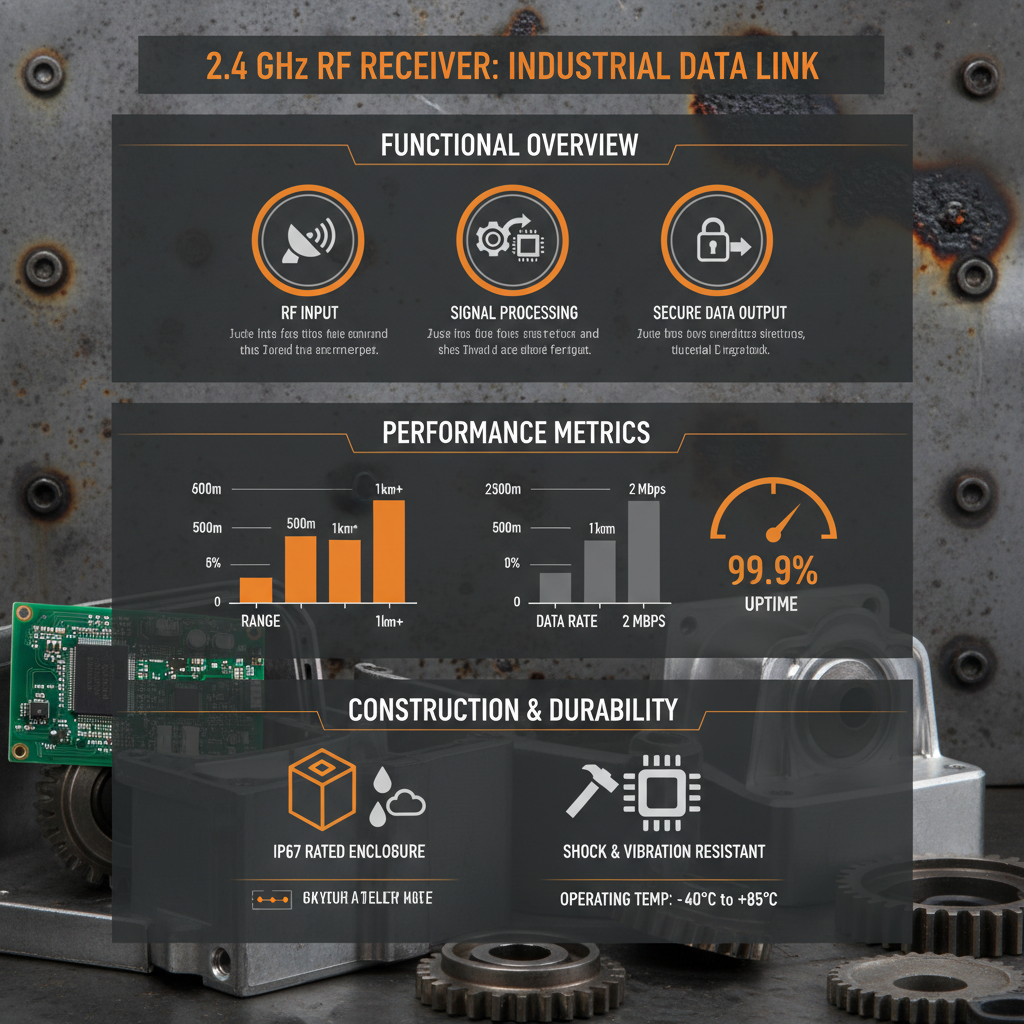
Analysis of rf module manufacturers Key Parameters
| Parameter |
Typical Value |
Impact on Performance |
Troubleshooting Notes |
| Frequency Range |
2.4 GHz |
Determines compatibility with various protocols. |
Check antenna impedance matching. |
| Output Power |
+20 dBm |
Directly impacts range and signal strength. |
Verify power supply voltage. |
| Receiver Sensitivity |
-100 dBm |
Influences ability to detect weak signals. |
Ensure proper antenna placement. |
| Modulation Type |
GFSK |
Affects data rate and robustness. |
Confirm compatible settings on both ends. |
| Power Consumption |
50 mA |
Impacts battery life. |
Optimize transmission frequency and power. |
| Operating Temperature |
-40°C to +85°C |
Determines environmental suitability. |
Provide adequate thermal management. |
FAQS
Range is heavily dependent on several factors – antenna gain, transmit power, environmental interference, and even the weather. Generally, in a clear line-of-sight scenario, you can expect anywhere from a few hundred meters to a couple of kilometers. But realistically, on a crowded construction site, that range can be significantly reduced. It's always best to test in the actual environment.
Absolutely. These modules operate on the 2.4 GHz band, which is a very crowded spectrum. You'll get interference from Wi-Fi routers, Bluetooth devices, microwave ovens… you name it. Proper shielding and careful frequency selection can help mitigate the issue, but you'll never completely eliminate it. Using frequency hopping spread spectrum can improve resilience as well.
Reliability comes down to robust error correction and redundancy. Implement checksums, acknowledge packets, and retransmit if necessary. Also, keep the data packets small. The smaller the packet, the less likely it is to get corrupted during transmission. Don’t try to cram everything into one big message.
It’s critical. The antenna is your window to the world. A poorly matched antenna can severely degrade performance. You need to choose an antenna that's appropriate for the frequency, polarization, and application. Directional antennas offer more range, but require careful alignment. Omni-directional antennas are easier to use, but have less range. Consider the environment too - metal objects can interfere with the signal.
Generally, no. Most of these modules aren't designed for direct exposure to the elements. You'll need to enclose them in a weatherproof housing to protect them from rain, dust, and UV radiation. Pay attention to the IP rating - that tells you how well the enclosure is sealed. And don’t forget about temperature extremes!
First, check the power supply. Then, verify the antenna connections. Next, rule out interference by moving the module to a different location. If that doesn't work, try swapping out the module with a known good one. And finally, use a spectrum analyzer to check for interference or signal blockage. Sometimes, it’s the simplest thing - a loose wire or a dead battery.
Conclusion
So, yeah, rf module manufacturers... they're complicated little beasts. There's a lot more to it than just plugging things together. You've got to understand the fundamentals, account for real-world conditions, and be prepared to troubleshoot.
Ultimately, whether this thing works or not, the worker will know the moment he tightens the screw. And that’s the bottom line. Visit our website: https://www.drone-system.com.