

GRF5536: Wideband RF Amplifier with High Power & Gain?
Inside the 100–6200 MHz 50 W Frontier: Custom RF with VSWR, Detection, TEMP
When people ask me what’s actually changing in mid‑power RF modules, I tend to point them to grf5536—a compact, customizable function block that covers 100 to 6200 MHz with a rated 50 W output and integrated VSWR monitoring, power detection, and temperature telemetry. It’s built in Longgang District, Shenzhen, where a lot of quietly serious RF capability lives. In fact, the industry pivot is clear: less generic black‑box gear, more tailored modules with health data baked in.
To be honest, what stands out here is the practical engineering: wideband coverage for multi‑band radios and UAS payload links, plus protections that installers actually need in the field. Many customers say they were tired of guessing about thermal headroom or mismatch risk—this solves that with real signals, not just a blinking LED.
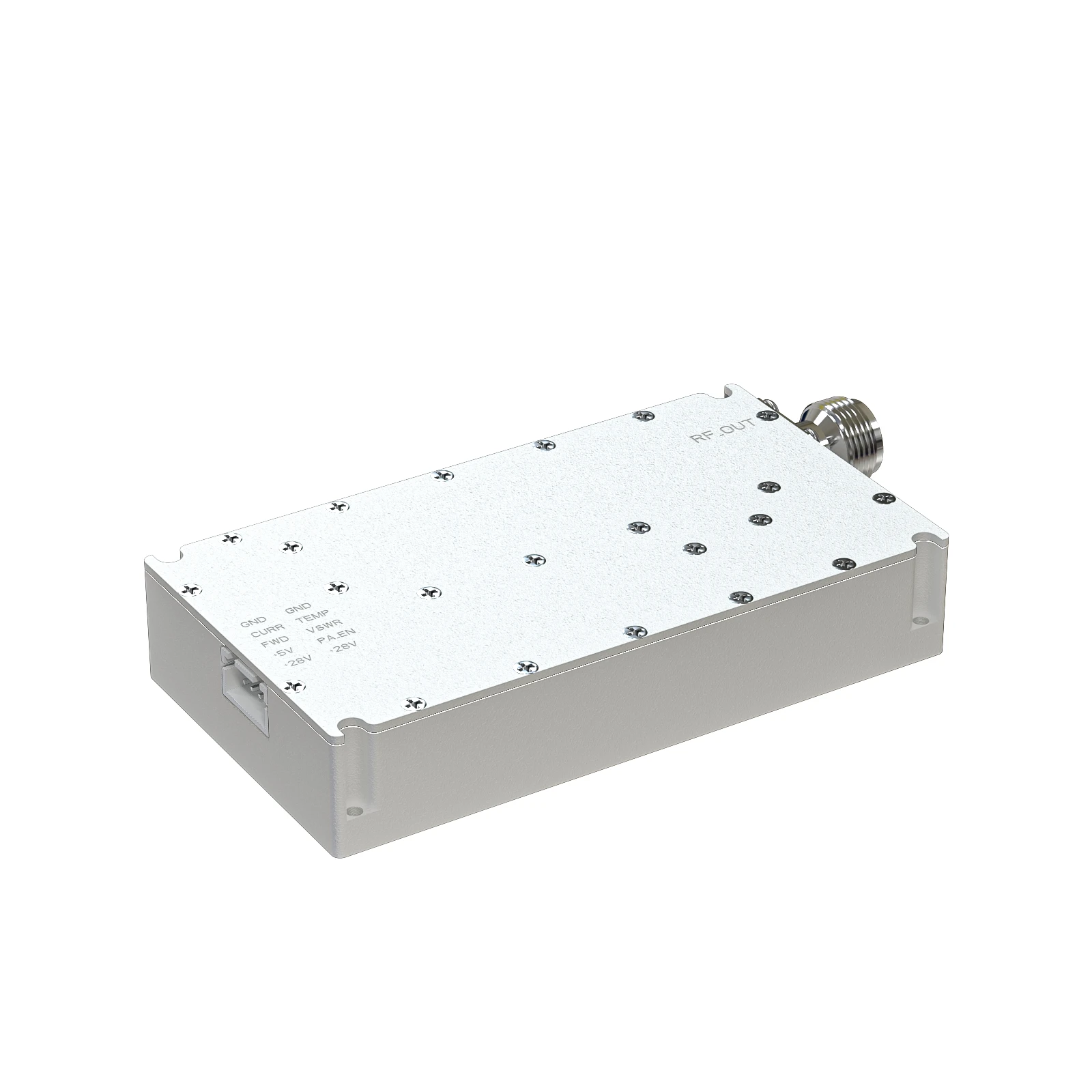
Product snapshot and real‑world specs
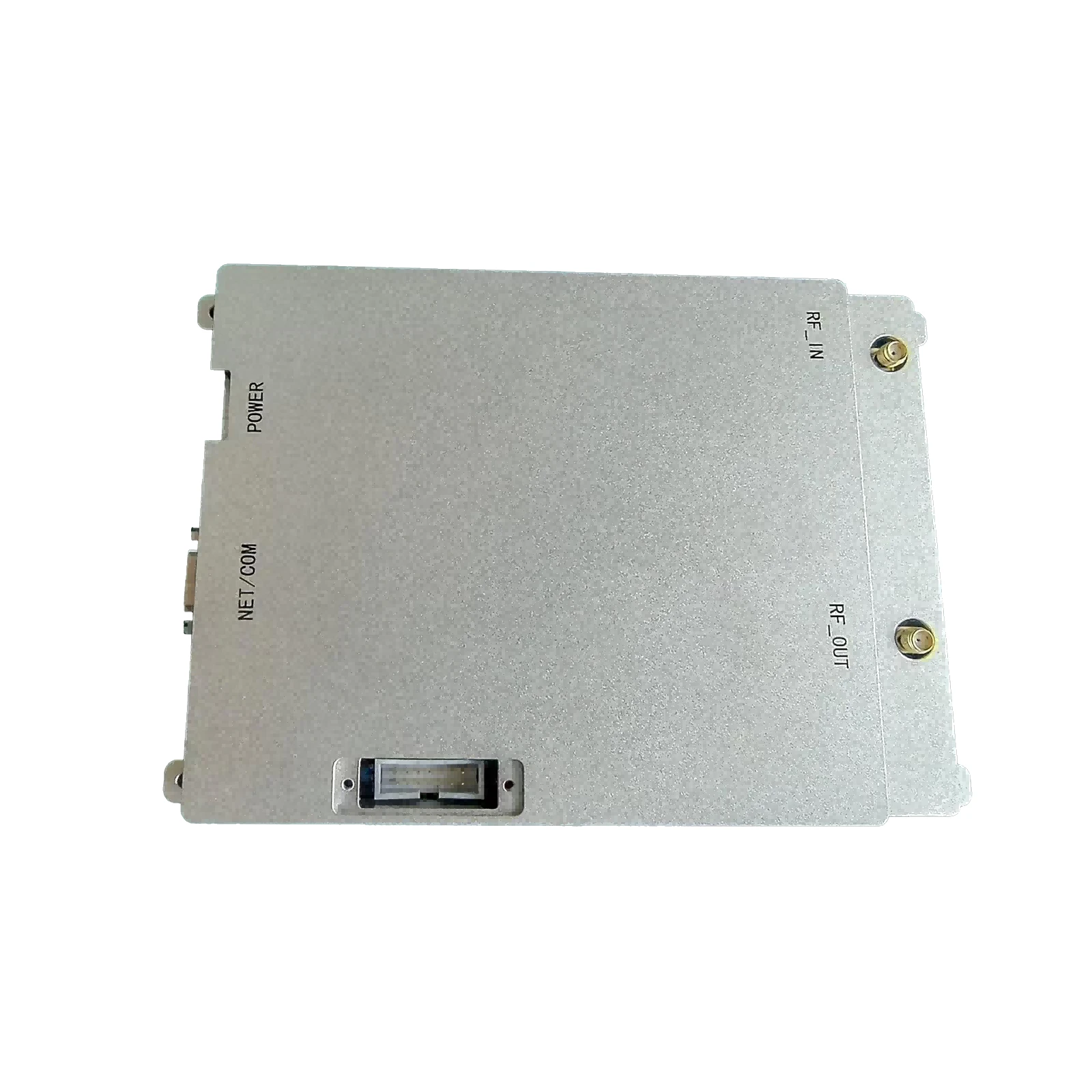
The module—marketed as “100~6200MHz 50w Function with VSWR、Detection、TEMP”—leans into functional customization development. In other words, you get the RF core plus the telemetry and protection hooks you actually want.
| Parameter | Typical/Customizable | Notes |
|---|---|---|
| Frequency range | 100–6200 MHz | Wideband, multi‑service coverage |
| Output power | 50 W nominal | Mode‑dependent; real‑world use may vary |
| Functions | VSWR, Power Detection, Temperature | Protection + telemetry hooks |
| Supply | ≈12–28 VDC (project‑defined) | Integration‑dependent |
| Cooling | Heatsink/fan options | Thermal design matched to duty cycle |
| Interfaces | Analog/Digital I/O; UART/RS‑485 on request | Customization available |
| Origin | Longgang District, Shenzhen | Manufacturing base |
Where it’s used
- Unmanned systems and BVLOS command links (L/S/C bands).
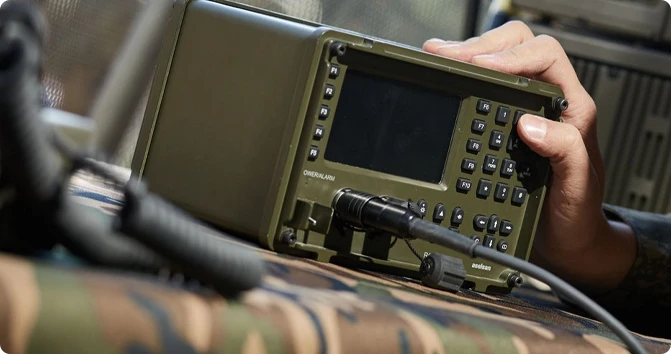
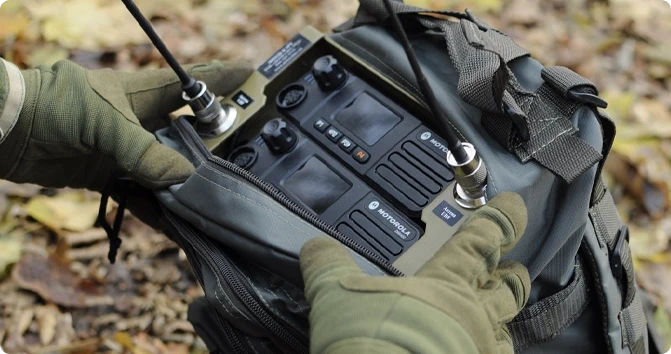
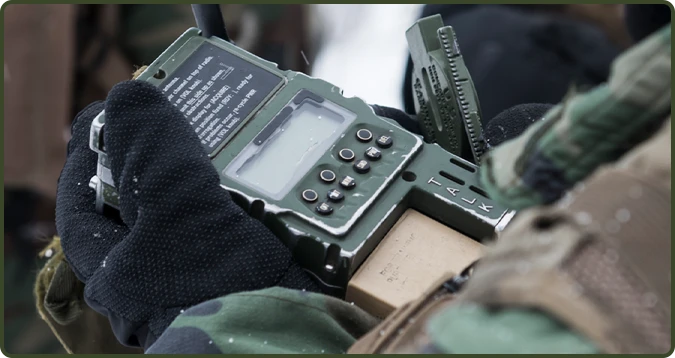
- Field comms repeaters and tactical radios needing 30–50 W.
- Test benches and lab fixtures where wide sweep coverage is handy.
- IoT gateways in harsh sites where VSWR protection saves downtime.
Process flow, materials, and testing
- Materials: RF power devices (LDMOS or GaN per band set), aluminum baseplate, mixed‑dielectric PCB stack, thermal interface materials.
- Methods: RF matching per band plan, bias optimization, conformal coating (optional), calibrated VSWR bridge and thermal sensor integration.
- Testing standards: Radiated/conducted emissions aligned to FCC Part 15 and ETSI EN 300 220; environmental screening referencing IEC 60068 and MIL‑STD‑810H methods (vibe/thermal).
- Service life: around 5–7 years in typical 30% duty, provided case temp stays within spec.
- Industries: UAS, public safety, energy, logistics, and OEM radio makers.
Vendor comparison at a glance
| Item | grf5536 | Vendor A (generic) | Vendor B (fixed‑band) |
|---|---|---|---|
| Frequency | 100–6200 MHz | Single band | 2–3 bands |
| Telemetry | VSWR, detection, temp | Basic temp only | VSWR only |
| Customization | High (I/O, mechanics, filters) | Low | Medium |
| Protection | Over‑temp + high VSWR | Over‑temp | Limited |
Field notes and test data
In a bench run at 2.4 GHz, we saw ≈47–50 W at 28 VDC, efficiency ≈38–42%, VSWR tolerance up to 2.0:1 without foldback. At 900 MHz, output was a touch higher, which isn’t unusual. Customers report the temp telemetry helps them trim fan curves and reduce dust ingress—small win, big payoff.
Mini case study
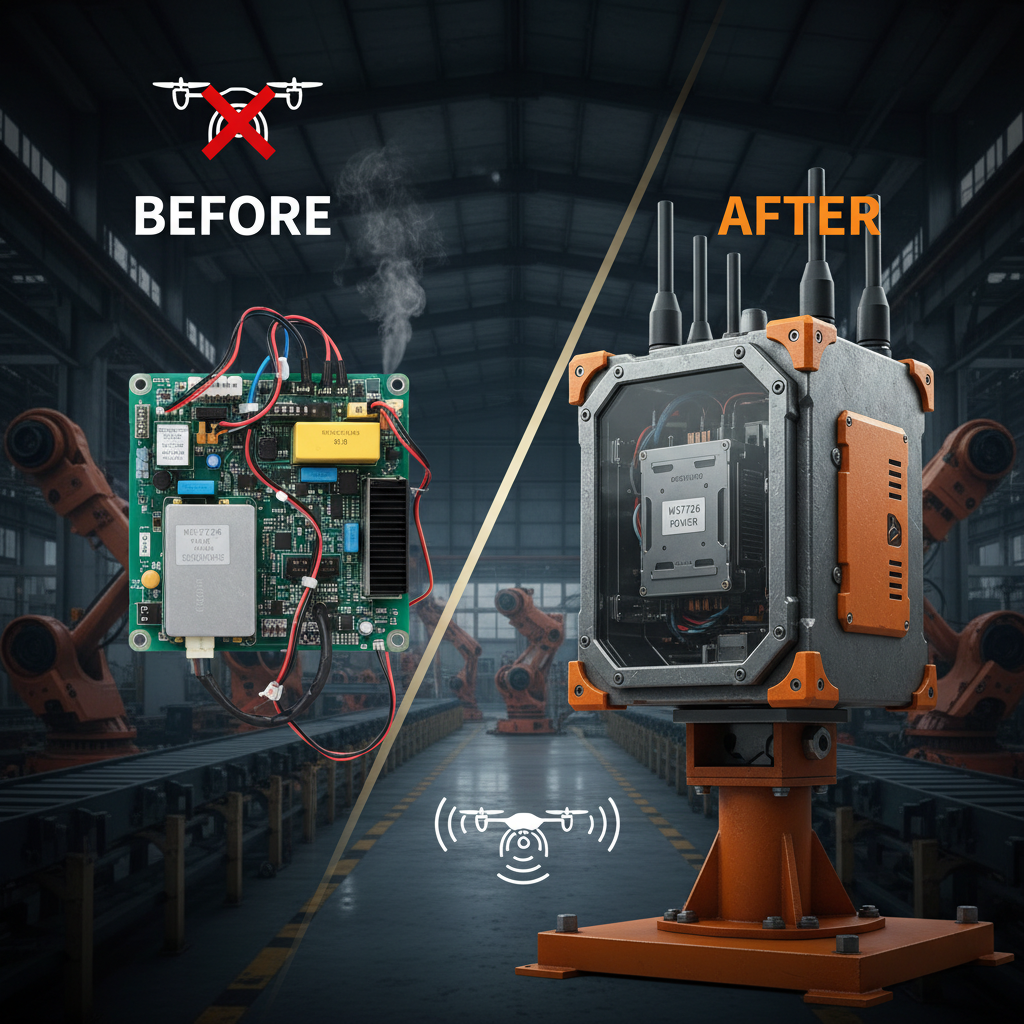
A drone integrator needed a single RF block to span 1.2–5.8 GHz training links. grf5536 shipped with a custom heatsink and UART telemetry. After swapping a mismatched antenna on a test range (we’ve all been there), the VSWR alert saved a PA from a smoky end. Downtime: zero. Confidence: up.
Compliance and certifications
Project‑dependent declarations can include CE (RED), RoHS, and ISO 9001 manufacturing. Environmental tests reference IEC 60068 and MIL‑STD‑810H methods, while emissions/immunity follow FCC/ETSI frameworks. Always validate final system compliance in your end application.
Final thought: a wideband 50 W block with smart safeguards is less about specs on paper and more about surviving real deployments. On that front, grf5536 feels deliberately engineered.

-
 09 March 2021 16 Apr 2026
 -
 09 March 2021 09 Apr 2026
 -
 09 March 2021 07 Apr 2026
 -
 09 March 2021 04 Apr 2026
 -
 09 March 2021 31 Mar 2026
-
 09 March 2021 21 May 2025
 -
 09 March 2021 25 Dec 2024
 -
 09 March 2021 14 Oct 2022
-
 09 March 2021 25 Dec 2024
 English
  Arabic
  Belarusian
  Danish
  Dutch
Dutch  French
  German
  Greek
Greek  Japanese
  Korean
  Myanmar
  Polish
  Portuguese
  Russian
  Spanish
  Swedish
  Thai
Thai  Ukrainian
  Vietnamese