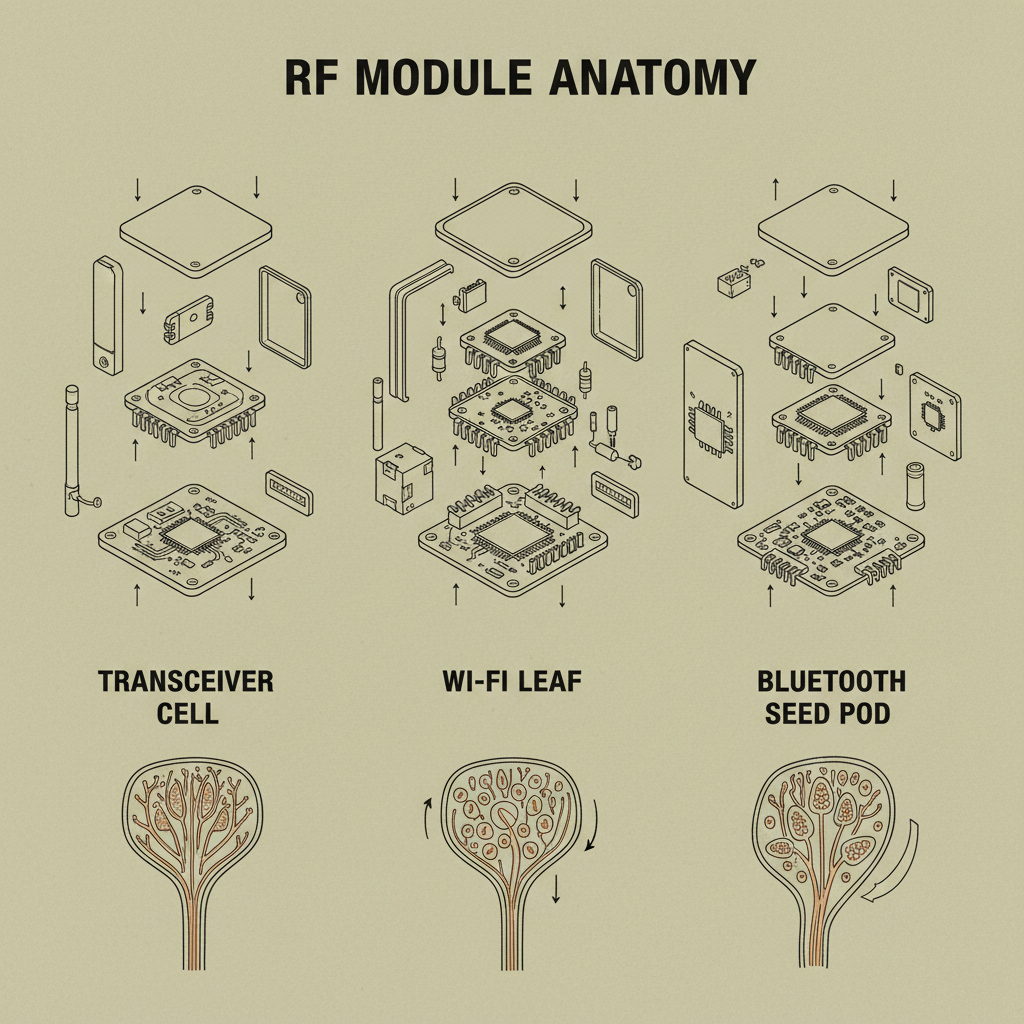
In the rapidly evolving landscape of electronic warfare and signal intelligence, the rf connectorized module serves as a fundamental building block for high-performance transmission systems. These modules provide the critical interface between antennas and processing units, ensuring that high-frequency signals are maintained with minimal loss and maximum precision. As wireless communication becomes more complex, the demand for modular, plug-and-play RF components has surged globally.
Ultimately, the strategic integration of a high-quality rf connectorized module enhances the overall reliability of a signal chain. Whether it is used in a narrowband power amplifier or a complex spoofing chassis, these modules ensure that power levels are optimized and signal integrity is preserved across a wide frequency spectrum, from 300MHz up to 6000MHz.
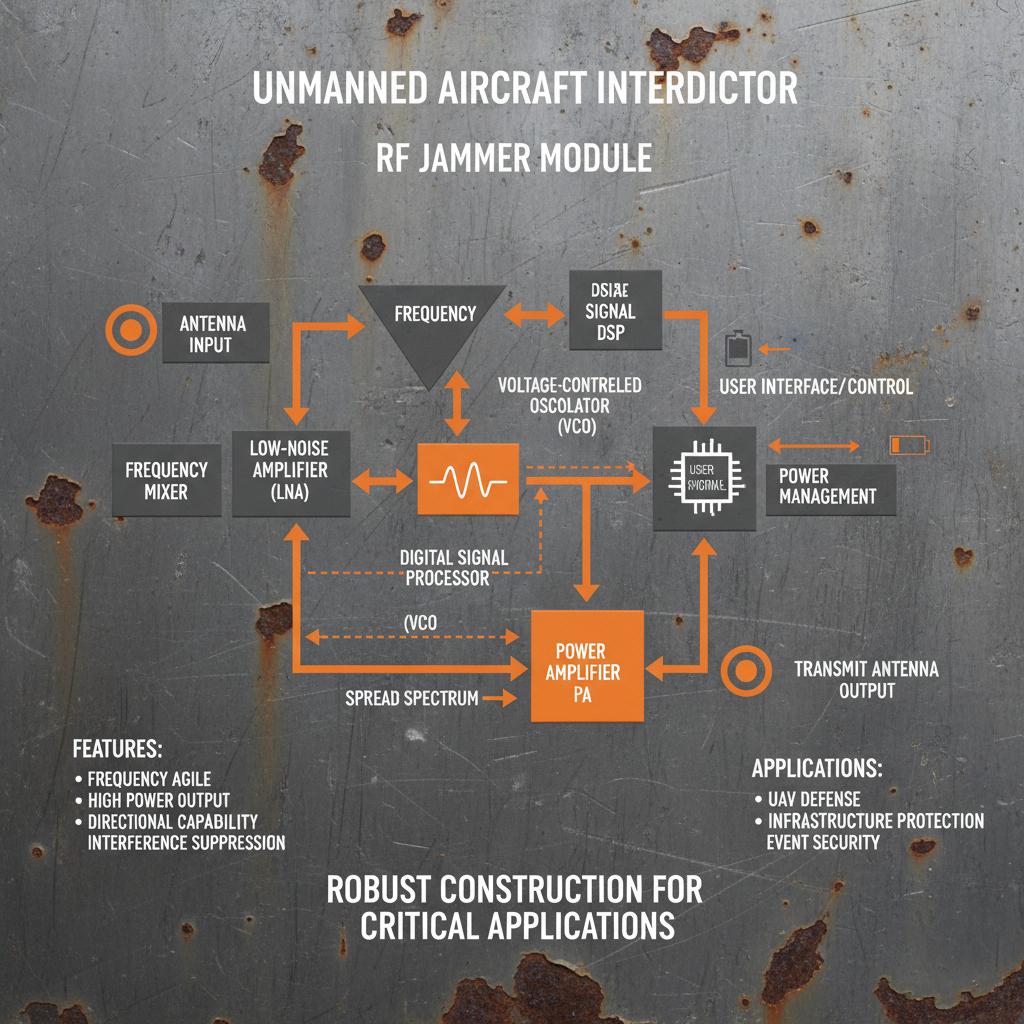
On a global scale, the proliferation of unmanned aerial vehicles (UAVs) and the increasing sophistication of electronic interference have made the rf connectorized module an indispensable asset. According to industry trends mirroring ISO standards for electronic reliability, there is a critical shift toward modularity to combat the "single point of failure" risk in large-scale defense and communication grids.
The primary challenge facing modern signal intelligence is the need for rapid scalability. Traditional fixed-circuitry systems are too rigid for the dynamic nature of modern warfare and spectrum monitoring. By adopting an rf connectorized module approach, organizations can swap components in real-time, adapting to new frequency bands or power requirements without rebuilding the entire infrastructure.
From an industry perspective, these modules are the "bricks" of the RF world. They bridge the gap between raw electronic components and fully assembled systems like the AOA Passive Spectrum Detector or a vehicle-mounted jammer. This modularity allows for a "plug-and-play" architecture, where technical teams can upgrade a single module to increase output power or broaden the bandwidth without altering the chassis design.
The connection to humanitarian and security needs is profound. In emergency response or border security, the ability to quickly deploy a drone detector or a signal jammer depends entirely on the reliability of these connectorized interfaces. When reliability is guaranteed, the transition from a warehouse to a functional field operation is seamless, ensuring the safety of personnel and the integrity of the airspace.
Signal Integrity is the most critical factor for any rf connectorized module. This involves minimizing Return Loss and Insertion Loss to ensure that the signal reaching the antenna is as pure as possible. High-grade shielding is employed to prevent Electromagnetic Interference (EMI), which is vital when operating high-power amplifiers in close proximity to sensitive receivers.
Thermal Management is another pillar of excellence. An rf connectorized module operating at 50W can generate significant heat. Utilizing high-thermal-conductivity aluminum housings and efficient heat-sinking ensures that the module does not suffer from thermal drift, which would otherwise shift the center frequency and degrade performance.
Scalability and Versatility allow a single design to be adapted for various roles. Whether it is a Narrowband Power Amplifier or a Tx/Rx Spoofing Module, the use of standardized connector patterns means that the rf connectorized module can be integrated into a handheld drone detector just as easily as a large fixed chassis system.
In remote industrial zones or post-disaster relief operations, handheld drone detectors relying on these modules provide critical early warnings. For example, in an area with destroyed infrastructure, a rapid-deploy team can use a connectorized amplifier module to extend the range of their spectrum detector, identifying rogue signals that could interfere with emergency coordination frequencies.
The tangible benefit of investing in a high-quality rf connectorized module is a drastic reduction in the Total Cost of Ownership (TCO). Because these modules are replaceable, a system failure doesn't require the replacement of the entire jammer or detector chassis—only the faulty module needs to be swapped. This enhances sustainability by reducing electronic waste.
Beyond the logical financial gains, there is an emotional angle of trust and safety. When security personnel deploy an individual jammer or a GPS spoofer in a high-stakes environment, they rely on the absolute consistency of the RF chain. Knowing that the module is built to military-grade standards provides the confidence needed to operate effectively under pressure, ensuring the mission's success.
Digital transformation is also introducing "smart" modules. Future iterations of the rf connectorized module will likely include embedded sensors for real-time health monitoring, alerting operators to power drops or overheating before a failure occurs. This move toward predictive maintenance will be revolutionary for automated defense grids.
Additionally, the push for green energy is driving the development of GaN (Gallium Nitride) technology within these modules. GaN provides higher power density and efficiency than traditional silicon or GaAs, meaning an rf connectorized module can produce more output power with less energy consumption and lower heat generation.
One of the most common limitations in current practice is "Connector Wear." In environments where modules are frequently swapped, the physical connectors can degrade, leading to signal leakage or intermittent connectivity. The solution lies in adopting high-cycle connectors and implementing a strict torque-wrench policy to avoid over-tightening and damaging the internal pins.
Another challenge is Impedance Mismatch. When connecting an rf connectorized module to a cable or antenna that isn't perfectly matched to 50 Ohms, reflections occur, which can damage the power amplifier. Expert integration involves using precision-tuned cables and utilizing VSWR (Voltage Standing Wave Ratio) meters during the installation process to ensure a perfect match.
Finally, the complexity of multi-module cascading can lead to cumulative noise. To overcome this, engineers should employ strategic filtering between modules. By placing a low-pass or band-pass filter between two rf connectorized module units, the signal-to-noise ratio is preserved, ensuring the end output remains clean and effective.
| Module Category | Typical Power Output | Frequency Range | Reliability Score (1-10) |
|---|---|---|---|
| Narrowband Amplifier | 50W | 300-600MHz | 9.5 |
| Broadband Detector | Passive (N/A) | 300-6000MHz | 8.8 |
| Spoofing Module | 20W | 1.2-1.6GHz | 9.2 |
| Jammer Core Unit | 100W | 400-2400MHz | 8.5 |
| TR Component | Variable | 2-18GHz | 9.0 |
| Customized RF Filter | Low Loss | Custom Band | 9.8 |
The primary advantage is modularity and maintainability. An rf connectorized module allows for the immediate replacement of a failed component without needing specialized soldering equipment in the field. This significantly reduces downtime and allows for rapid technology upgrades by simply swapping one module for a newer version, whereas soldered circuits require a complete board redesign.
To minimize loss, use high-quality, low-loss coaxial cables (like LMR-400) and ensure all connectors are cleaned and tightened to the correct torque. Additionally, incorporating an inline amplifier or using a high-gain rf connectorized module can compensate for the insertion loss that occurs at each connection point in a cascaded system.
Yes, provided the module is housed in an IP67 or IP68 rated chassis. Most professional-grade modules use ruggedized aluminum alloys for heat dissipation and corrosion resistance. When deployed outdoors, ensuring that the connector interfaces are weather-sealed with specialized RF caps or gaskets is essential to prevent moisture ingress and signal degradation.
Absolutely. Most manufacturers offer customized modules to meet specific operational needs, such as narrowing a filter for a specific drone frequency or broadening an amplifier's range to cover multiple bands. Customization typically involves adjusting the internal matching networks and filtering components to optimize performance for the desired frequency.
Under optimal thermal conditions and correct electrical loading, a high-quality module can last for tens of thousands of operational hours. The main limiting factors are thermal cycling and connector wear. By implementing active cooling and using high-grade connectors, the operational lifespan can be extended significantly, often exceeding 5-10 years of service.
A narrowband module is optimized for a very specific, tight frequency range, offering higher efficiency and better signal purity. A broadband module, conversely, covers a wide spectrum (e.g., 300-6000MHz), providing versatility at the cost of slightly higher insertion loss or lower peak gain. The choice depends on whether the priority is precision or flexibility.
Looking forward, the integration of GaN materials and smart monitoring will further elevate the capabilities of these modules, making them more efficient and reliable. For organizations seeking to enhance their signal intelligence or drone defense capabilities, investing in high-standard modular components is not just a technical choice, but a strategic necessity. Explore our full range of professional RF solutions today. Visit our website: www.drone-system.com