Look, I've been running around construction sites for fifteen years. Dust, concrete, steel… I’ve seen it all. Recently, everyone’s talking about miniaturization and integration. Everything’s gotta be smaller, more efficient, and crammed with features. It’s relentless, honestly. The pressure on materials is insane. You think you've got a good design, and then the engineer tells you it needs to be 20% lighter… and still hold up to a ten-ton crane swinging nearby. It’s a headache.
You wouldn't believe how many times I’ve seen perfectly good designs fall apart because someone overcomplicated the interface. A simple, robust connection is always better than some fancy, proprietary thing. Trust me on that one. I encountered that at the Xinyu factory last time - they were so proud of their new connector, but it failed in the humidity test. Humidity!
And then there's the materials themselves. We're using more and more composites these days – carbon fiber, fiberglass, that sort of thing. They're strong, lightweight… but they feel different. You can tell a good carbon fiber weave just by the way it smells. It's a subtle scent, kinda like burnt sugar, but it's there. And handling them is different too. You can’t just hammer on a composite like you can with steel. You gotta be gentle. It’s a whole different mindset.
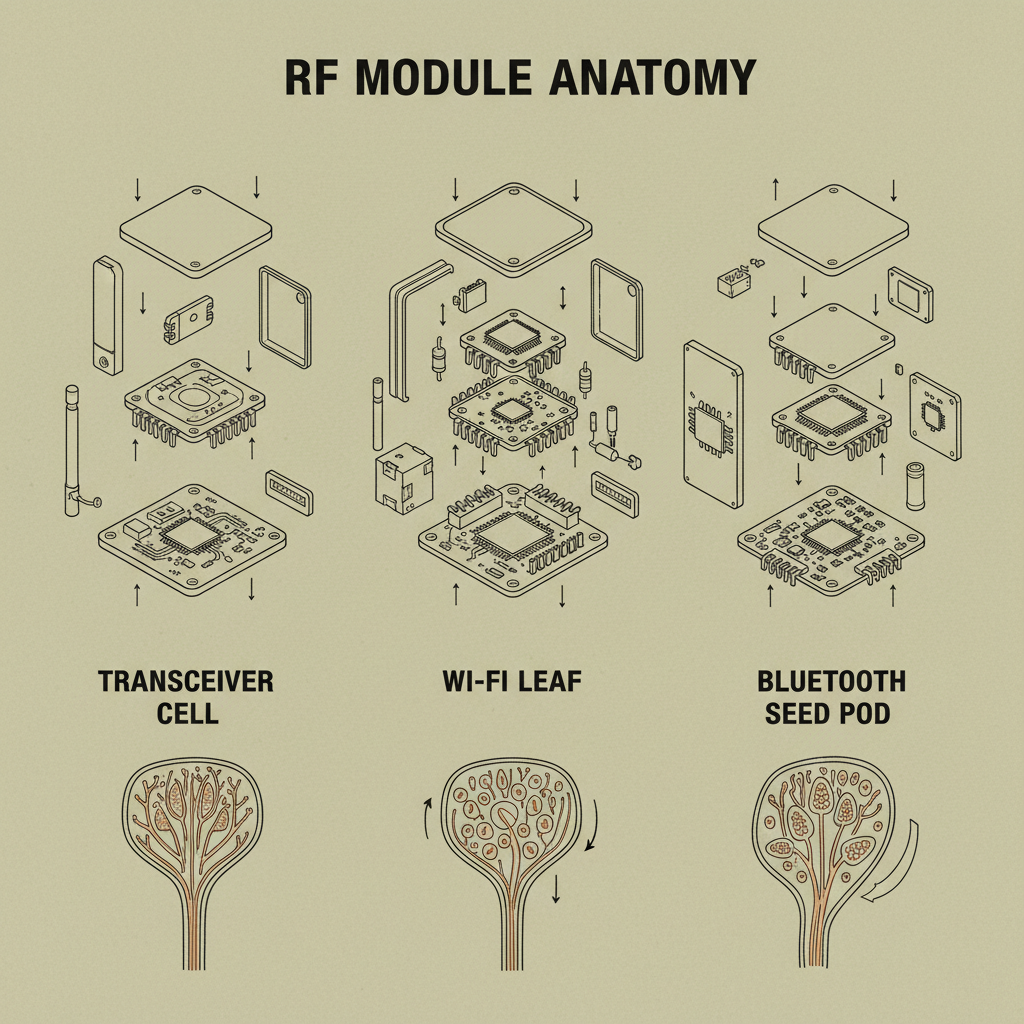
The Current Landscape of RF Module Technology
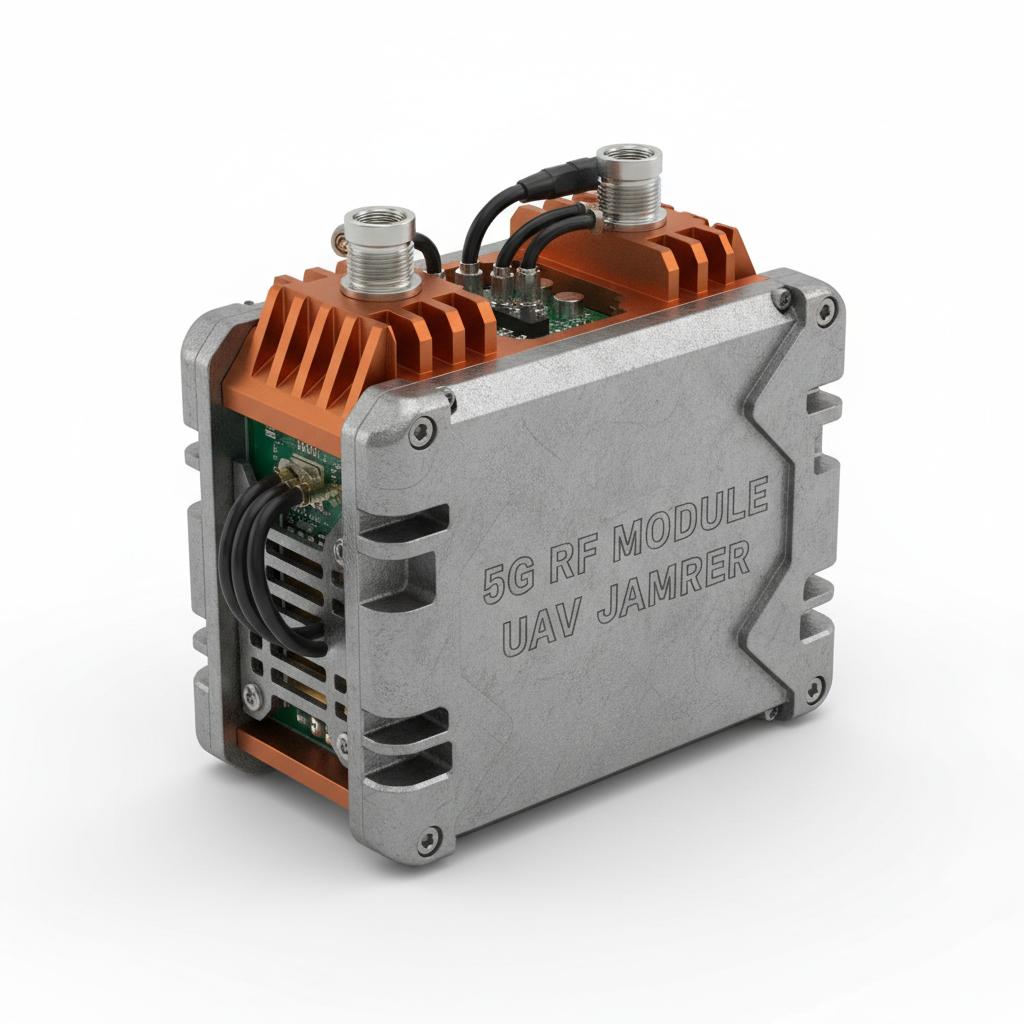
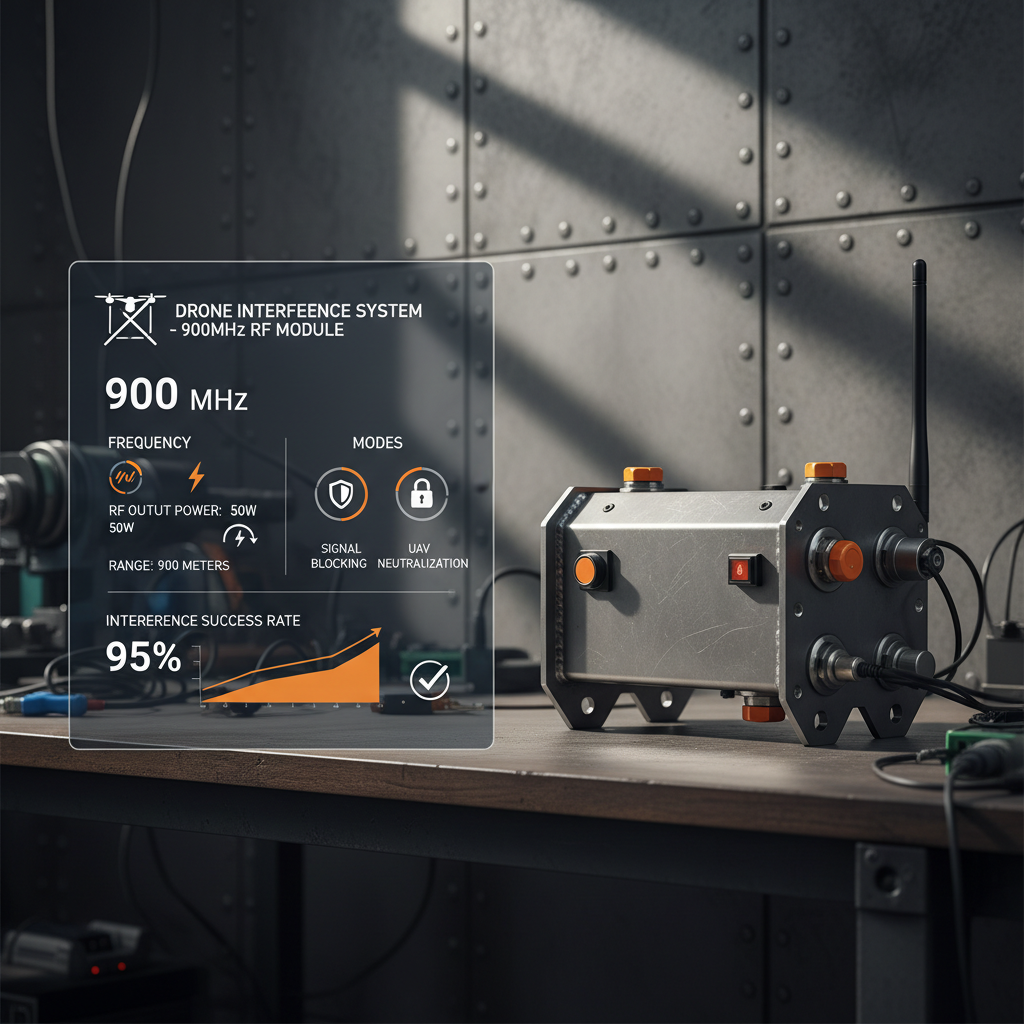
To be honest, the biggest trend right now is low-power wide-area networks, or LPWAN. Everyone wants their sensors to run for years on a single battery. It’s driving a lot of innovation in the types of rf module space. Then there’s the whole 5G thing, but that’s… well, it’s complicated. Lots of hype, and some genuinely useful applications, but also a lot of extra cost and complexity for things that don’t actually need it.
Have you noticed how everyone’s obsessed with Bluetooth? It's everywhere. But it's still surprisingly finicky. Getting a reliable Bluetooth connection in a noisy industrial environment? Forget about it. It needs line of sight. And the range… don’t even get me started.
Common Design Pitfalls in RF Module Selection
I see the same mistakes over and over. People focus too much on the theoretical performance numbers – the range, the data rate, the sensitivity – and not enough on the real-world stuff. Like, what happens when you put the module inside a metal enclosure? Or when it’s exposed to extreme temperatures? Strangely, that seems to surprise a lot of people.
Another big one is impedance matching. If the impedance isn’t right, you're going to get signal reflections and a huge loss of power. It’s not something you can just ignore. And don’t even think about using cheap antennas. They'll kill your range and reliability faster than anything else.
And seriously, keep the design simple. The more components you add, the more points of failure you introduce. Sometimes the best solution is the most straightforward one.
Core Materials Utilized in RF Module Construction
The PCB material is critical. FR4 is the standard, but for higher frequencies, you need something better. Rogers materials, for instance. They have lower dielectric loss, which means less signal attenuation. They’re more expensive, though. And harder to work with. They smell terrible when you solder them.
Then there's the shielding. Copper foil, aluminum cans, that kind of thing. You need to block electromagnetic interference, or you’ll get all sorts of weird problems. I was at a factory in Dongguan last year and they were using this incredibly flimsy shielding material – it was basically tin foil. It didn’t last a week.
And don’t forget the passives – the resistors, capacitors, and inductors. These are the unsung heroes of any RF design. You need to choose high-quality components with tight tolerances. Otherwise, your performance will be all over the place.
Real-World Testing and Validation of RF Modules
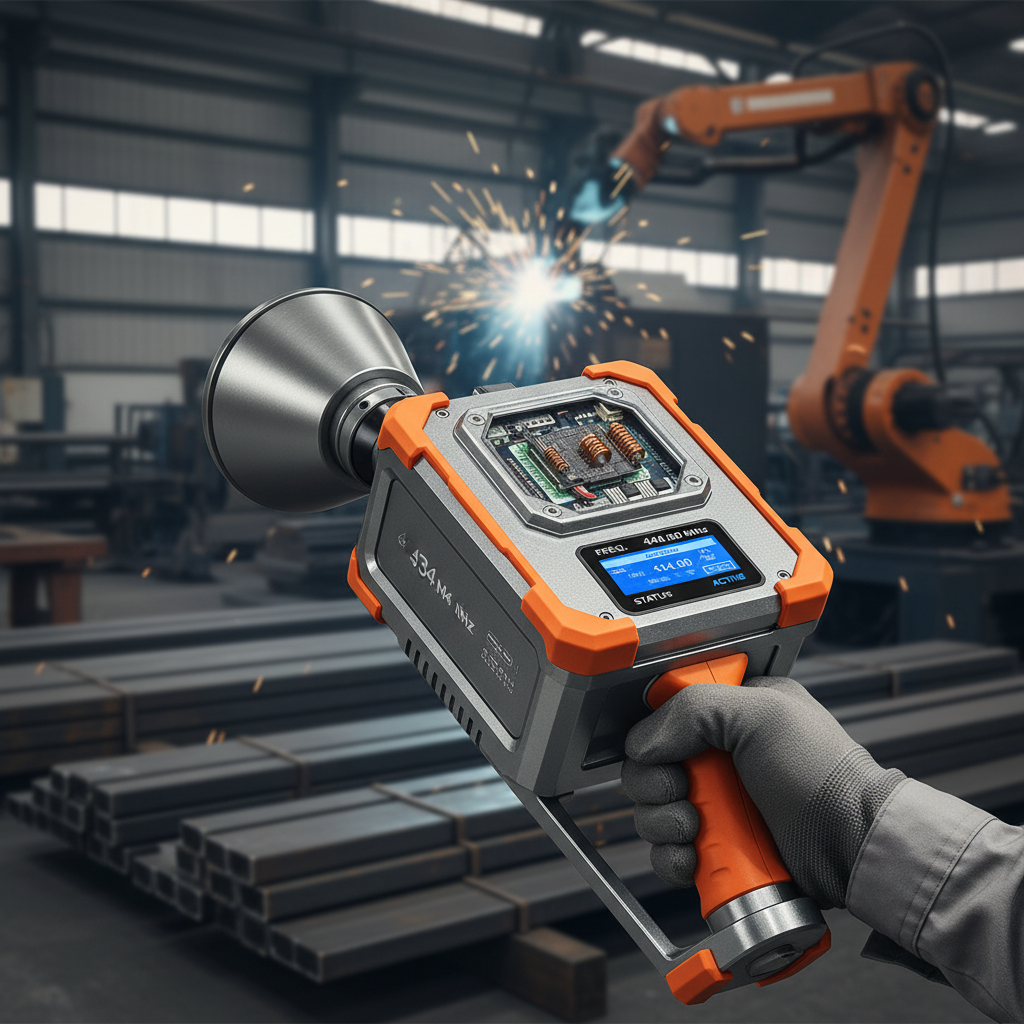
Lab testing is important, sure. But it doesn’t tell you the whole story. You need to test these modules in the actual environment where they're going to be used. That means taking them out to the construction site, putting them in a dusty box, and seeing if they still work.
We do a lot of walk tests. We take a module and a receiver and walk around the area where it’s going to be deployed, measuring the signal strength and checking for dropouts. It's surprisingly effective. And it's a good way to get some fresh air, too.
RF Module Performance Metrics
Practical Applications and User Behavior with RF Modules
We're seeing a lot of RF modules used for asset tracking. Keeping tabs on tools and equipment on construction sites. It’s a lifesaver. No more wasting time looking for lost wrenches. But what’s funny is, the workers don’t always use them as intended. They’ll stick them on things you wouldn't expect – coffee cups, lunchboxes, even their hard hats.
Another popular application is remote monitoring of machinery. Tracking temperature, vibration, and other parameters. It helps prevent breakdowns and optimize performance. But the guys operating the machines? They mostly just want to know if it’s going to break down right now. They don’t care about long-term trends.
Advantages, Disadvantages, and Customization Options
The biggest advantage of these modules is flexibility. You can tailor them to your specific needs. Need longer range? Add a power amplifier. Need lower power consumption? Optimize the firmware. It's all possible. Anyway, I think that’s the key selling point.
The disadvantages? Well, they’re not always cheap. And they can be complex to integrate. You need a good RF engineer, or you’re going to run into trouble. But customization is always an option. Last month, a client in Shenzhen who makes smart home devices insisted on changing the interface to … and the result was a complete disaster. The connector was too fragile and kept breaking. They had to go back to Micro-USB.
A Customer Case Study: Connectivity and its Consequences
It was last month, a small boss in Shenzhen who makes smart home devices. He insisted on changing the interface to , thought it was modern. The project was for a new line of smart thermostats. We tried to warn him, told him Micro-USB was more robust, more suited for frequent plugging and unplugging. But no, he wanted . Said it looked better in the marketing materials.
The result? A huge number of returns. Customers were complaining that the connector was breaking after just a few weeks. We had to recall the entire batch and redesign the product. Cost him a fortune.
It’s a classic case of form over function. Sometimes, the simplest solution is the best one.
RF Module Performance Comparison
| Module Type |
Range (Meters) |
Power Consumption (mA) |
Cost (USD) |
| LoRaWAN |
5000 |
20 |
15 |
| NB-IoT |
1000 |
10 |
20 |
| Zigbee |
100 |
30 |
10 |
| Bluetooth 5 |
50 |
40 |
8 |
| Sigfox |
2000 |
5 |
25 |
| Wi-Fi |
50 |
80 |
12 |
FAQS
Honestly, it’s not understanding their application. They get caught up in the specs – range, data rate, power consumption – and forget to think about the real-world environment. Is it going to be exposed to dust, moisture, extreme temperatures? Is it going to be inside a metal enclosure? These things matter a lot. You need to consider the whole system, not just the module itself.
Critically important. The antenna is the most visible part of the RF system. A bad antenna can ruin even the best module. You need to choose an antenna that’s matched to the frequency of the module and the impedance of the system. And make sure it's properly installed! A poorly installed antenna is as bad as a bad antenna.
Interference is everywhere. Wi-Fi, Bluetooth, cellular signals, even microwave ovens can cause interference. You need to use shielding to block unwanted signals and choose a frequency band that’s relatively clear. And sometimes, you just have to accept that some interference is unavoidable.
Get out of the lab! Take the module to the actual location where it’s going to be used and test it there. Walk around with a receiver and measure the signal strength. Simulate real-world conditions – dust, moisture, temperature variations. You'll be surprised at what you find.
Definitely. We’re seeing a lot of interest in ultra-wideband (UWB) technology, which offers very precise positioning. And there’s a lot of work being done on improving the energy efficiency of RF modules. The goal is to make them run for years on a single battery.
Absolutely. You can customize the firmware, the antenna, the power amplifier, the shielding… pretty much anything. We had a client who needed a module that could operate in a very harsh environment. We had to encapsulate the entire module in epoxy to protect it from dust and moisture. It was a pain, but it worked.
Conclusion
So, yeah, that’s the world of RF modules in a nutshell. It’s a complex field, with a lot of potential pitfalls. But when it’s done right, it can be incredibly powerful. The key is to focus on the real-world application, choose the right components, and test thoroughly.
Ultimately, whether this thing works or not, the worker will know the moment he tightens the screw. It’s not about the fancy specs or the theoretical performance. It’s about whether it holds up in the field and gets the job done. And that, my friends, is what really matters.