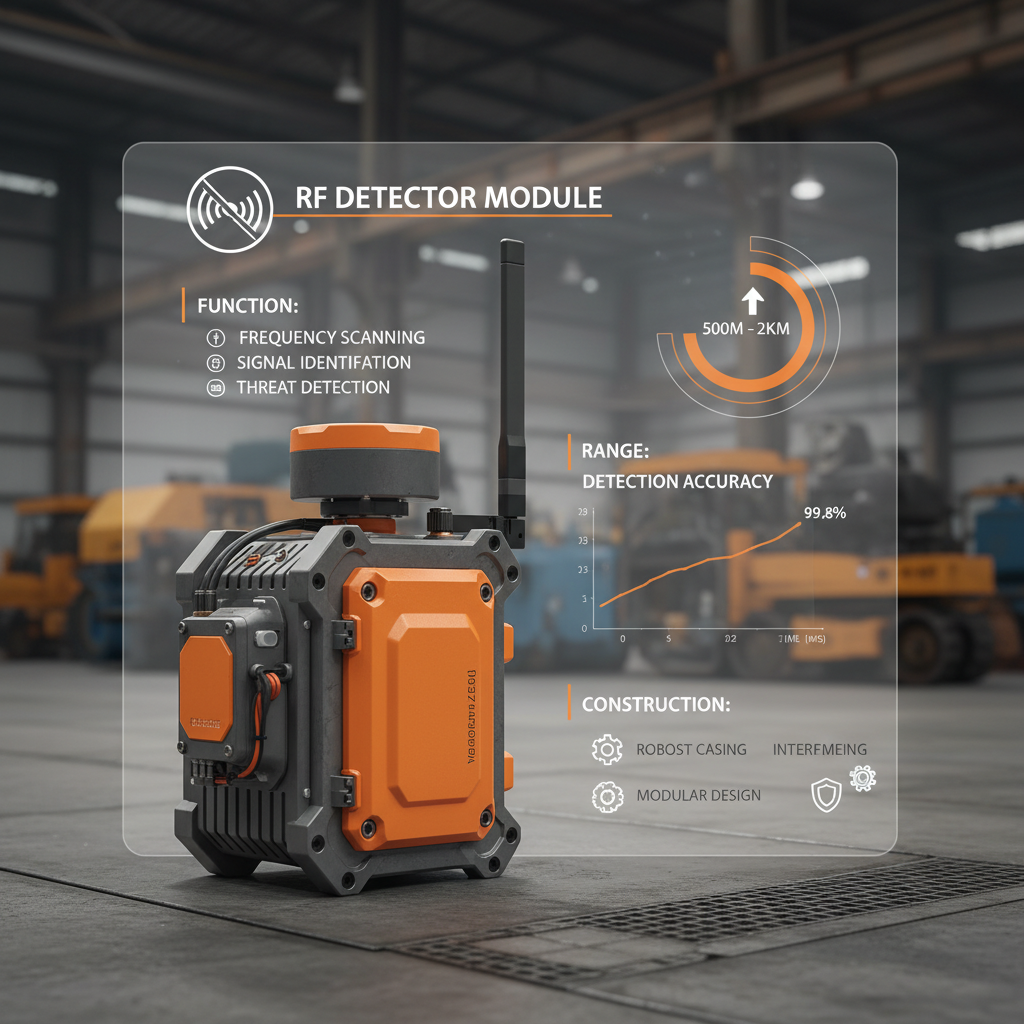
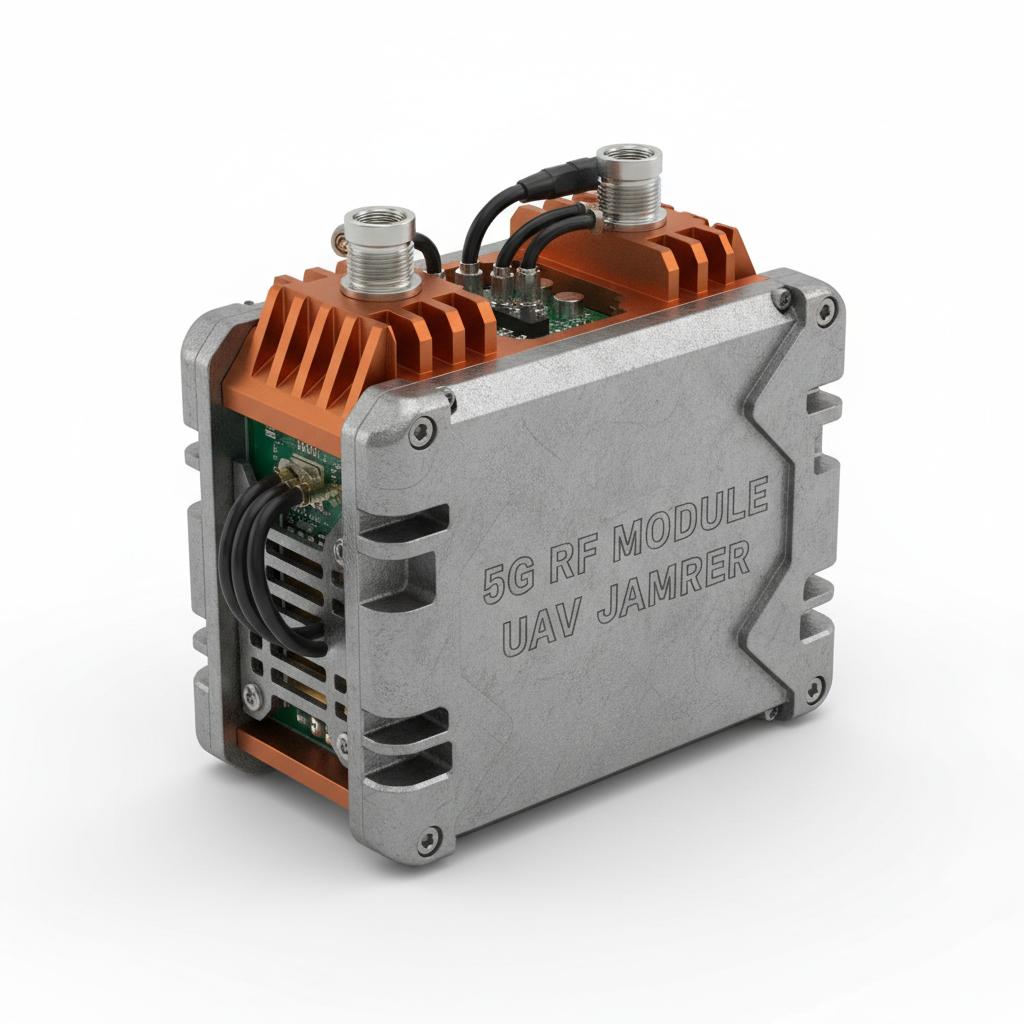
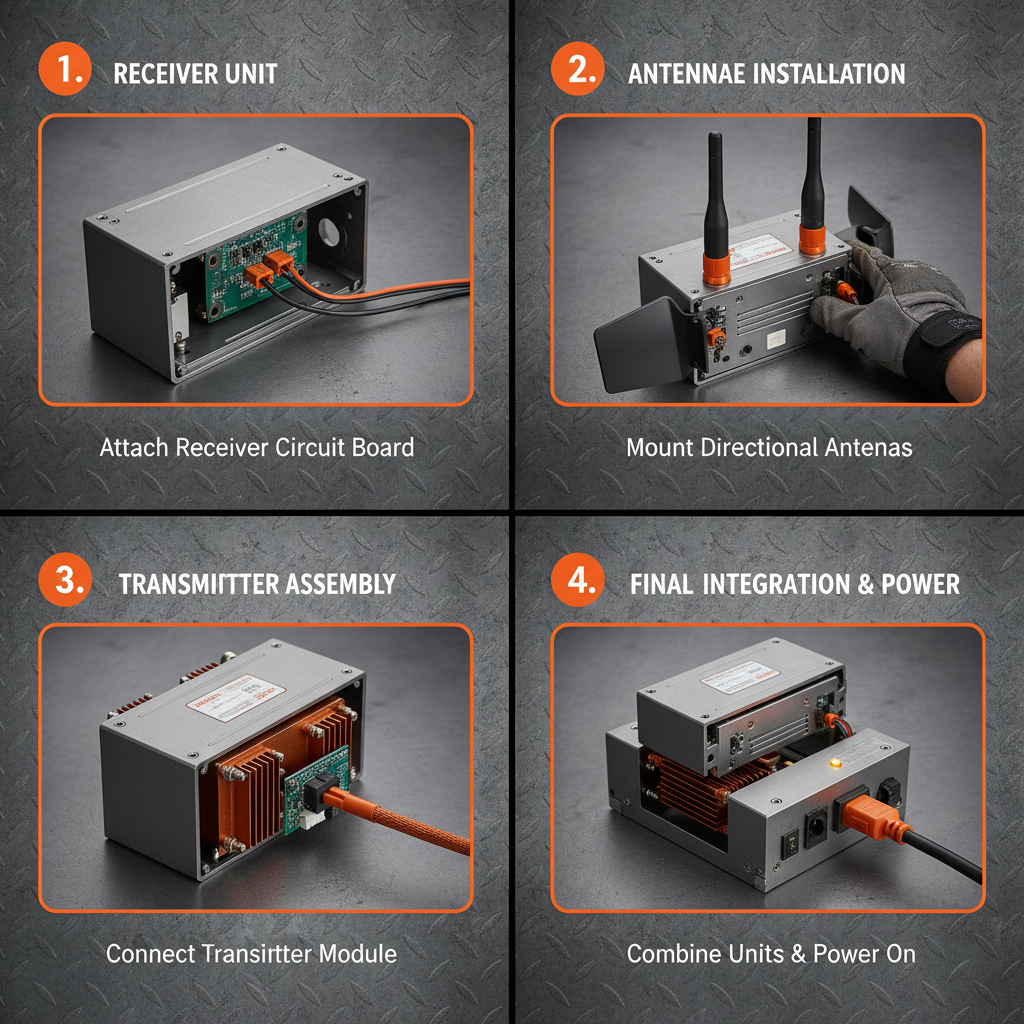
In the rapidly evolving landscape of electronic warfare and signal intelligence, the rf detector module serves as the fundamental building block for identifying and analyzing wireless transmissions. As the proliferation of unmanned aerial vehicles (UAVs) and sophisticated communication arrays increases, the ability to precisely detect Radio Frequency (RF) energy has transitioned from a niche military requirement to a critical security necessity for global infrastructure.
Understanding the operational mechanics of an rf detector module is essential for engineers and security professionals who aim to safeguard restricted airspaces or protect sensitive data from intercept. By converting high-frequency electromagnetic waves into measurable DC voltages, these modules provide the real-time visibility required to trigger countermeasures, such as jammers or spoofing systems, ensuring a proactive rather than reactive defense posture.
Ultimately, the integration of high-performance detection hardware allows organizations to mitigate the risks associated with unauthorized drone activity and signal interference. Whether deployed in handheld devices or large-scale fixed chassis systems, the efficacy of the detection chain determines the overall success of any spectrum monitoring strategy in an increasingly crowded RF environment.
Global Relevance of RF Detection Technology
On a global scale, the reliance on wireless communication has created a double-edged sword; while connectivity drives economic growth, it also expands the attack surface for illicit signals. International regulatory bodies, including the ITU (International Telecommunication Union), have highlighted the increasing congestion of the 300-6000MHz spectrum, making the precise role of an rf detector module paramount in preventing signal collisions and detecting unauthorized transmissions.
The challenge today lies in the "noise" of the modern city. Distinguishing between a legitimate Wi-Fi signal and a malicious drone control link requires a level of precision that only industrial-grade detection modules can provide. Without this capability, critical infrastructure such as airports and government buildings remain vulnerable to "invisible" threats that can bypass traditional physical security.
Defining the RF Detector Module and Its Purpose
At its simplest, an rf detector module is an electronic component designed to sense the presence of radio frequency energy within a specific bandwidth and convert that energy into a usable electronic signal. Unlike a full spectrum analyzer, which provides a detailed visual map of all frequencies, a detector module is often optimized for speed and efficiency, acting as a "trigger" that alerts a larger system when a threshold of RF energy is exceeded.
In the context of modern humanitarian and security needs, these modules are the "eyes" of drone detection systems. By integrating these modules into AOA (Angle of Arrival) passive spectrum detectors, security teams can not only know that a signal exists but can begin the process of triangulating the source of the emission, thereby neutralizing threats before they reach a target.
The versatility of the rf detector module allows it to be scaled from small, handheld drone detectors used by individual security guards to massive, vehicle-mounted jammer systems used for perimeter defense. This scalability ensures that regardless of the budget or the operational environment, a baseline of electromagnetic awareness is maintained.
Core Technical Components for High Sensitivity
The efficiency of an rf detector module depends heavily on its dynamic range and noise figure. To achieve high sensitivity, the module must utilize low-noise amplifiers (LNAs) that can boost weak signals without introducing significant electronic noise, allowing the system to detect drones from several kilometers away.
Another critical aspect is the diode detection circuit. High-quality Schottky diodes are typically employed within the rf detector module to ensure fast switching speeds and low forward voltage drops, which is essential for capturing the rapid bursts of data characteristic of modern frequency-hopping spread spectrum (FHSS) signals.
Finally, the integration of high-precision filtering prevents the module from being "blinded" by strong nearby signals, such as cellular towers. A robust rf detector module employs band-pass filters that isolate the target frequency range (e.g., 2.4GHz or 5.8GHz), ensuring that only relevant threats trigger the alarm.
Performance Metrics in Real-World Deployment
When evaluating the effectiveness of an rf detector module, professionals look beyond the datasheet to see how it performs in "dirty" RF environments. Key metrics include the detection latency—the time between the signal hitting the antenna and the system triggering a response—and the false-positive rate, which can be a significant operational burden if not minimized.
Comparing different detection methodologies reveals that wideband modules offer better coverage but may sacrifice some sensitivity compared to narrowband, tuned modules. The balance between coverage and precision is the primary engineering challenge in designing a reliable rf detector module for diverse terrains.
Comparison of RF Detector Module Methodologies
Global Applications Across Security Sectors
In high-security zones, the rf detector module is often the first line of defense for critical infrastructure. For instance, in petrochemical plants or nuclear facilities, these modules are integrated into fixed chassis systems that monitor the entire perimeter, ensuring that any unauthorized drone approach is detected instantly, regardless of the drone's size or stealth capabilities.
Beyond fixed installations, the technology is widely used in mobile rapid-response units. Vehicle-mounted jammer systems use high-sensitivity detection modules to identify the specific frequency of an incoming threat and then automatically switch the jamming frequency to match, creating a dynamic "shield" that protects moving convoys or VIP transport from signal-based attacks.
Long-Term Value and Strategic Reliability
Investing in a high-grade rf detector module provides more than just immediate security; it offers long-term operational sustainability. By reducing the reliance on human surveillance and mitigating the risk of catastrophic security breaches, organizations can lower their overall insurance costs and enhance their institutional trust.
Reliability in these modules is not just a technical specification—it is a matter of safety. A failure in a detection module during a critical event can lead to a complete breach of airspace. Therefore, the shift toward industrial-grade components with high Mean Time Between Failures (MTBF) ensures that security systems remain operational 24/7, even in harsh environmental conditions.
Furthermore, the ability to upgrade these modules without replacing the entire system provides significant cost efficiency. As new drone protocols emerge, the modular nature of the rf detector module allows for firmware updates or simple hardware swaps, extending the lifecycle of the total defense system.
Future Innovations in Spectrum Sensing
The future of the rf detector module is being shaped by Artificial Intelligence and Machine Learning. Future modules will not only detect RF energy but will be capable of "fingerprinting" signals, allowing the system to distinguish between a commercial DJI drone and a custom-built military UAV based on the subtle nuances of its transmission pattern.
We are also seeing a transition toward Software Defined Radio (SDR) integration. By moving more of the detection logic from hardware to software, the next generation of rf detector module implementations will be able to adapt to new frequencies in real-time without requiring physical component changes, significantly increasing agility.
Sustainability is also playing a role, with new Gallium Nitride (GaN) materials allowing for higher power efficiency and smaller footprints. This enables the creation of even more discreet, battery-operated handheld detectors that can operate for days without recharging, providing essential security for field operations in remote regions.
Technical Analysis of RF Detector Module Specifications
| Module Type |
Freq Range |
Sensitivity |
Response Time |
| Entry-Level Analog |
400-2000MHz |
-60 dBm |
< 10ms |
| Industrial Wideband |
300-6000MHz |
-85 dBm |
< 5ms |
| Precision Narrowband |
Custom Tuned |
-100 dBm |
< 2ms |
| SDR Integrated |
10MHz-6GHz |
-90 dBm |
< 1ms |
| AOA Compatible |
1-6GHz |
-80 dBm |
< 8ms |
| Military Grade |
Ultra-Wide |
-110 dBm |
< 1ms |
FAQS
An RF detector module is a streamlined component designed for rapid detection and triggering; it tells you that a signal is present. A spectrum analyzer is a complex diagnostic tool that tells you exactly what the signal is, including its frequency, modulation, and power level over time. Detectors are used for real-time alerts, while analyzers are used for deep forensics.
Generally, no. An RF detector module relies on the presence of radio frequency emissions (the control link between the pilot and the drone). If a drone is operating in fully autonomous mode via pre-programmed GPS waypoints and is not transmitting or receiving data, it will not emit an RF signal for the module to detect. In such cases, radar or photoelectric detectors are required.
To minimize false positives, you should use a module with adjustable threshold settings and high-quality band-pass filters. Implementing a "baseline" calibration where the system learns the ambient noise of the environment allows the RF detector module to ignore constant signals (like local Wi-Fi) and only trigger on new, anomalous bursts of energy.
Detection range varies based on the antenna gain and the sensitivity of the RF detector module. For industrial-grade modules with high-gain antennas, detection can range from 1km to 5km. However, this is heavily influenced by the "line of sight" and the transmission power of the target device; a low-power drone will be detected much sooner than a high-power transmitter.
Yes, they are designed specifically for that purpose. The RF detector module acts as the "trigger" that sends a signal to the jammer's controller. Once the detector identifies a threat on a specific frequency, the jammer can be automatically activated to disrupt that exact frequency, creating a seamless detect-to-neutralize workflow.
For mission-critical security, quarterly calibration is recommended. Environmental factors, temperature fluctuations, and component aging can cause "drift" in the detection threshold. Regular calibration ensures that the module remains sensitive enough to detect weak signals while remaining stable enough to avoid false triggers.
Conclusion
The rf detector module stands as the cornerstone of modern spectrum awareness, bridging the gap between invisible electromagnetic threats and actionable security responses. From its core technical components—like low-noise amplifiers and Schottky diodes—to its integration into wide-scale drone detection systems, the module ensures that critical infrastructures remain resilient against the increasing threat of unauthorized wireless intrusions.
Looking ahead, the convergence of AI-driven signal analysis and GaN hardware will only further enhance the precision and efficiency of these systems. For organizations seeking to maintain a strategic advantage in security, investing in high-sensitivity, scalable detection hardware is no longer optional—it is a fundamental requirement for operational safety in the digital age. Visit our website: www.drone-system.com