In the rapidly evolving landscape of wireless communication, the receiver and transmitter module serves as the fundamental building block for data exchange, enabling everything from simple remote controls to complex electronic warfare systems. As signal environments become increasingly crowded, the ability to transmit and receive data with precision and resilience has moved from a technical advantage to a critical necessity for national security and industrial automation.
Globally, the demand for high-performance RF components is surging, driven by the proliferation of unmanned aerial vehicles (UAVs) and the need for sophisticated spectrum monitoring. Understanding the intricacies of the receiver and transmitter module allows engineers to optimize signal-to-noise ratios and ensure seamless connectivity in contested electronic environments, where interference is often used as a tactical tool.
By mastering the balance between transmission power and reception sensitivity, organizations can deploy more effective drone detectors and jammer systems. This guide explores the technical depth, practical applications, and future trajectories of the receiver and transmitter module, providing a comprehensive resource for those seeking to enhance their wireless infrastructure.
Global Context of Receiver and Transmitter Module Technology
The global wireless communication market has experienced exponential growth, with RF components now integrated into nearly every sector of modern infrastructure. According to industry trends aligned with ISO standards for electronic equipment, the precision of a receiver and transmitter module is the primary determinant of system reliability in high-interference zones. As urban areas become saturated with signals, the "noise floor" rises, making the ability to isolate specific frequencies a global priority.
This technological pressure is most evident in the rise of counter-UAS (Unmanned Aircraft Systems) operations. In various geopolitical hotspots, the failure of a low-quality receiver and transmitter module can lead to a total loss of situational awareness, as sophisticated adversaries use frequency hopping and signal masking to bypass primitive detection systems.
Defining the Receiver and Transmitter Module
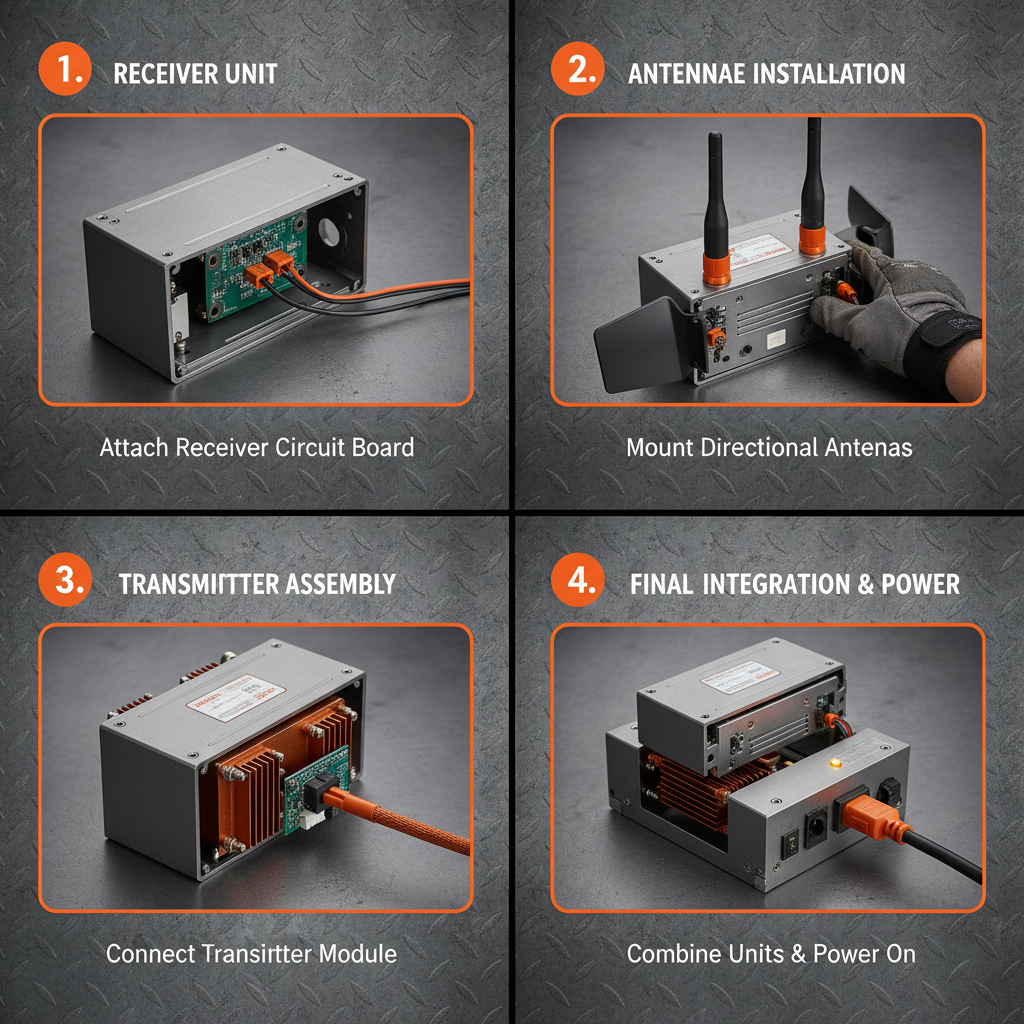
At its core, a receiver and transmitter module is an integrated electronic circuit designed to convert data into electromagnetic waves for transmission and vice versa for reception. While a transmitter focuses on modulation and power amplification to project a signal across a distance, the receiver specializes in filtering, demodulation, and amplification of weak incoming signals to recover the original information.
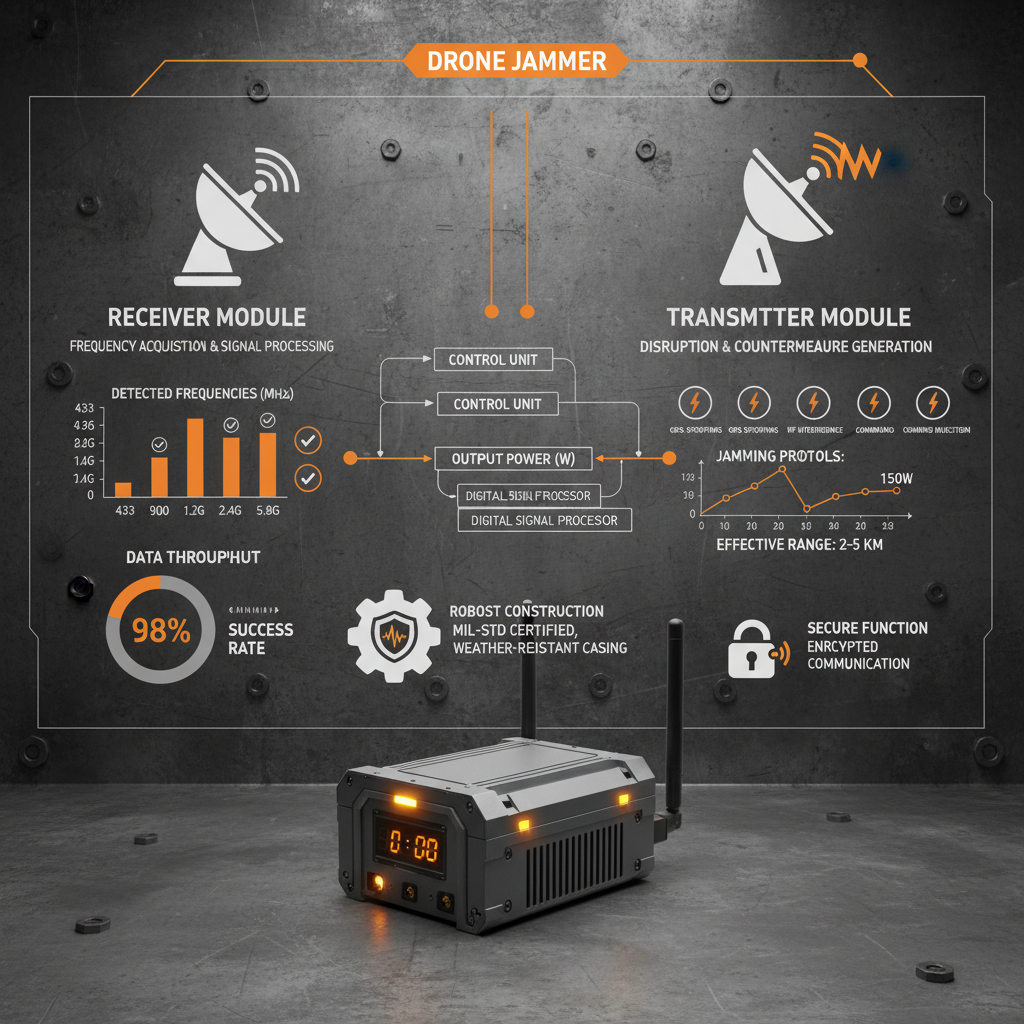
In the context of professional wireless equipment, these modules are rarely standalone; they are typically paired with Narrowband Power Amplifiers or TR components to enhance range and stability. For instance, in a drone detector system, the module must be capable of scanning vast spectrums (such as 300-6000MHz) to identify the unique signatures of control links.
The connection to modern humanitarian and security needs is profound. Whether it is providing communication for disaster relief in remote zones or protecting critical infrastructure from rogue drones, the efficiency of the receiver and transmitter module ensures that life-saving data reaches its destination without corruption or delay.
Core Components and Technical Factors
One of the most critical factors for any receiver and transmitter module is Frequency Stability. Utilizing high-precision oscillators ensures that the module does not drift from its assigned channel, which is essential for maintaining a lock on a target signal in spectrum detection or spoofing operations.
Signal-to-Noise Ratio (SNR) is where the true quality of a receiver and transmitter module is tested. High-grade modules employ advanced Low Noise Amplifiers (LNA) to amplify weak signals without introducing significant internal noise, allowing for the detection of distant drones or the successful execution of a GPS spoofing sequence.
Finally, Scalability and Integration allow these modules to be housed in various forms, from handheld drone detectors to fixed chassis systems. The ability to integrate the receiver and transmitter module with external antennas and power amplifiers determines the ultimate operational radius of the entire wireless system.
Global Applications and Use Cases
The real-world application of a receiver and transmitter module spans across defense, security, and industrial monitoring. In border security, these modules are integrated into AOA Passive Spectrum Detectors to pinpoint the location of unauthorized transmitters. By analyzing the phase difference of incoming signals, the module helps operators determine the exact bearing of a threat.
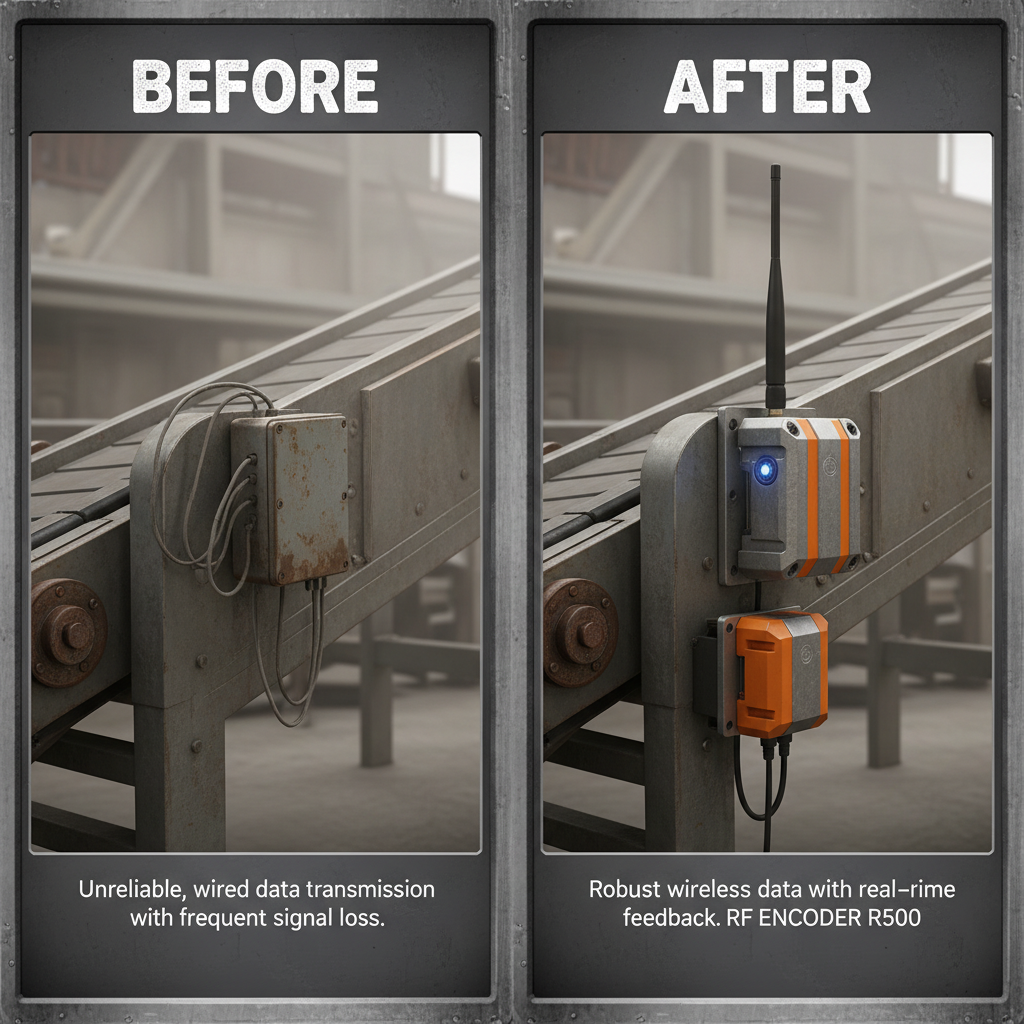
In industrial zones, particularly oil and gas refineries, receiver and transmitter module technology is used in automated monitoring systems. For example, vehicle-mounted jammers utilize these modules to create a protective "bubble" around high-value assets, preventing the remote detonation of improvised devices or the surveillance of sensitive sites by commercial drones.
Performance Efficiency of Different Receiver and Transmitter Module Configurations
Advantages and Long-Term Strategic Value
Investing in high-quality receiver and transmitter module technology provides a tangible increase in operational reliability. From a logical standpoint, the cost of a premium module is offset by the reduction in signal failure and the elimination of costly system redesigns. When a module can handle a wider bandwidth with lower distortion, the entire system becomes more sustainable and adaptable to new threats.
Beyond the technical specs, there is an emotional and ethical dimension to this technology: safety and trust. For security personnel tasked with protecting civilians from drone-borne threats, the reliability of their receiver and transmitter module is the difference between a successful interception and a catastrophic breach. This reliability fosters a sense of security and professional confidence in the field.
Future Trends in RF Module Innovation
The future of the receiver and transmitter module is leaning heavily toward Software Defined Radio (SDR). By shifting the modulation and filtering processes from hardware to software, modules can now be updated in real-time to counter new frequencies used by evolving drone technologies, drastically increasing the lifecycle of the hardware.
Furthermore, the integration of AI-driven signal analysis directly into the receiver and transmitter module is becoming a reality. Automated "fingerprinting" allows modules to distinguish between a friendly drone and a hostile one based on minute variations in the transmission pattern, reducing false alarms in complex urban environments.
Sustainability is also playing a role, with a shift toward Gallium Nitride (GaN) materials in the transmitter stage. GaN allows for higher power density and better thermal efficiency, meaning the receiver and transmitter module can operate at higher power levels without requiring massive cooling systems, enabling smaller, more portable handheld detectors.
Challenges and Expert Solutions
One of the primary challenges facing current receiver and transmitter module deployments is electromagnetic interference (EMI) from other electronic devices. In a dense city, the "spectral noise" can drown out a weak drone signal, rendering a standard receiver ineffective. Expert solutions involve the use of adaptive filtering and beamforming antennas that focus the receiver's "vision" on specific directions.
Another limitation is the trade-off between range and power consumption, especially in handheld units. To overcome this, developers are implementing intelligent sleep modes and "trigger-based" activation, where a low-power receiver and transmitter module monitors the environment and only wakes the high-power amplifier when a potential threat is detected.
Finally, the challenge of signal spoofing requires the receiver and transmitter module to have an extremely high clock accuracy to detect "time-of-arrival" discrepancies. By implementing multi-channel correlation, modern modules can identify when a signal is being mirrored or spoofed, providing a critical layer of defense for GPS-dependent systems.
Comparative Analysis of Receiver and Transmitter Module Technical Specifications
|
Module Type
|
Frequency Range
|
Sensitivity (dBm)
|
Reliability Score
|
| Narrowband Fixed |
433/868 MHz |
-110 |
7/10 |
| Broadband Scanning |
300-6000 MHz |
-95 |
9/10 |
| SDR-Integrated |
Dynamic |
-105 |
10/10 |
| GPS-Specific |
1.2-1.6 GHz |
-120 |
8/10 |
| Industrial Low-Power |
2.4 GHz |
-90 |
6/10 |
| Military-Grade Custom |
Custom Range |
-115 |
10/10 |
FAQS
A narrowband module focuses on a very specific, small range of frequencies, which typically results in higher sensitivity and lower noise for that specific channel. A broadband module, however, can scan and operate across a wide spectrum (e.g., 300-6000MHz), making it ideal for drone detection where the threat's frequency is unknown. While broadband modules offer more versatility, they often require more complex filtering to maintain signal purity.
The module itself handles the signal generation and reception. The range is primarily influenced by the module's ability to maintain a clean signal and its integration with a Power Amplifier. A high-quality module ensures that the jamming signal is precisely centered on the target frequency without "bleeding" into other bands, which allows the amplifier to push the signal further and more effectively against the target's receiver.
Yes, customized modules are often designed for specific operational environments. By optimizing the LNA (Low Noise Amplifier) and using superior oscillators, a customized module can offer significantly better sensitivity and stability. This is particularly useful in electronic warfare or high-security installations where standard commercial-off-the-shelf (COTS) components are susceptible to interference or easily bypassed by advanced frequency-hopping techniques.
Transmitter stages, in particular, generate significant heat during high-power operations. In fixed chassis systems, this is managed through heat sinks and active cooling. Using modern materials like GaN (Gallium Nitride) in the module helps reduce heat generation. However, professional installations always pair the module with a thermal management system to prevent frequency drift caused by temperature fluctuations.
While a receiver and transmitter module typically detects active signals, some advanced systems use "passive" detection. They look for very faint RF leakage from the drone's internal electronics or use the module to send out a signal and listen for the reflection (radar). In the case of passive spectrum detectors, the module is tuned to an extreme level of sensitivity to pick up the minimal emissions required for the drone to maintain basic stability.
TR (Transmit/Receive) components act as a switch. Since a single antenna is often used for both sending and receiving, the TR component prevents the high-power signal from the transmitter from flowing back into and destroying the sensitive receiver stage of the receiver and transmitter module. This protects the hardware and allows for rapid switching between monitoring and jamming modes.
Conclusion
The receiver and transmitter module is far more than a simple piece of hardware; it is the heart of modern wireless security and communication. From the precision of frequency stability and SNR to the adaptability of SDR technology, these modules enable the critical detection and neutralization of airborne threats. By integrating high-performance modules with power amplifiers and intelligent software, organizations can build resilient systems capable of operating in the most challenging electronic environments.
Looking forward, the convergence of AI and wide-spectrum RF hardware will redefine our ability to secure the skies. We recommend that engineers and security professionals prioritize modules with high scalability and thermal efficiency to ensure their systems remain future-proof. As threats evolve, the quality of your RF foundation will be the ultimate deciding factor in operational success. Visit our website for professional solutions: www.drone-system.com