

High Power RF Amplifier Design: Boosting Communication Efficiency and Reliability
High Power RF Amplifier Design: Powering the Future of Communication
High power RF amplifier design might sound like a niche engineering topic, but in reality, it has a vast impact across industries and global communications systems. Simply put, these amplifiers boost radio frequency signals to reach farther with more strength—letting signals travel long distances or penetrate tough environments. Given the explosion of wireless communications, satellite tech, public safety networks, and even humanitarian aid efforts, understanding high power RF amplifier design and its nuances is essential. It helps engineers build more reliable, energy-efficient, and cost-effective amplifiers that underpin critical systems around the world.
Global Context: Why High Power RF Amplifiers Matter Today
Worldwide, wireless communication infrastructure is growing rapidly. According to the International Telecommunication Union (ITU), over 5 billion people were using mobile cellular subscriptions as of 2023, and the demand keeps climbing. That surge pressures devices and infrastructure to maintain clear, powerful signals. Meanwhile, industries like aerospace, defense, and remote energy deploy systems where robust RF amplification is vital.
However, designing amplifiers that deliver high power while remaining energy-efficient and reliable remains a challenge. Amplifier inefficiency wastes power and generates heat. Moreover, with stricter regulations on electromagnetic emissions and sustainability goals, the amplifiers must evolve. This makes the field of high power RF amplifier design inherently a cutting-edge and dynamic area in engineering.
What Is High Power RF Amplifier Design?
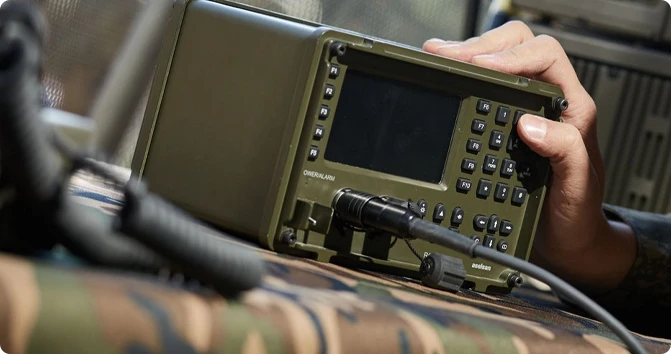
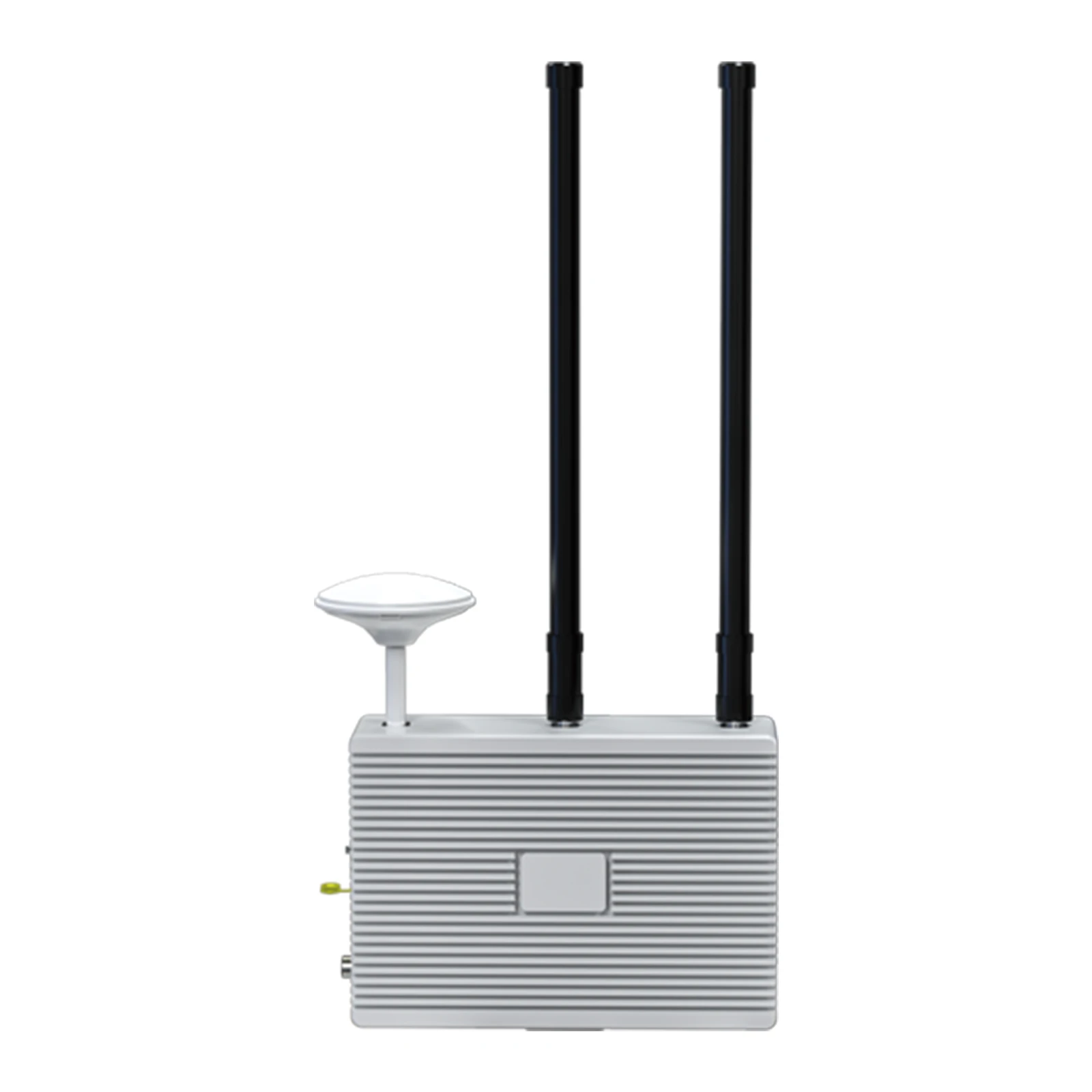
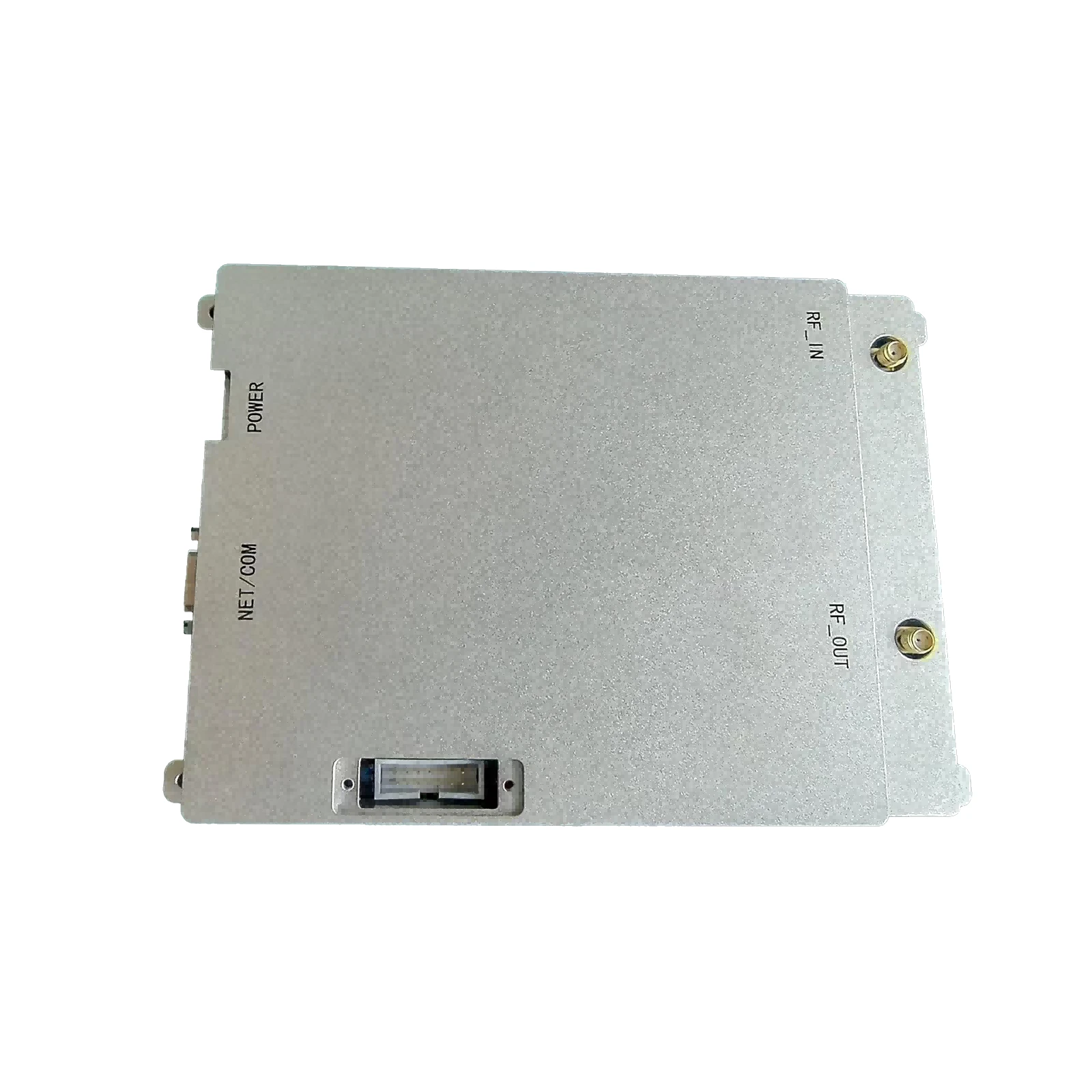
At its core, high power RF amplifier design refers to creating electronic devices that take low-power radio frequency signals and amplify them to much higher power levels. These amplifiers are critical in broadcasting, radar, satellite links, and wireless infrastructure where signals need to travel long distances or through obstacles.
But it’s not just cranking up the volume—designing these amplifiers involves choices that affect efficiency, heat management, linearity (or signal clarity), and durability. The best designs balance those needs, often tailored to specific industries like telecommunications, defense, or scientific research.
Core Components of Effective High Power RF Amplifier Design
1. Efficiency
High power amplifiers traditionally consume a lot of energy, throwing off heat and losing power as waste. Improved efficiency means less energy cost and better sustainability — especially important in remote or on-the-go setups.
2. Linearity
Maintaining the signal’s fidelity is key. Non-linear amplifier behavior causes distortion, which can degrade communication quality or fail regulatory requirements.
3. Thermal Management
Given the heat generated, integrating effective cooling solutions – like heat sinks or advanced materials – prevents breakdowns and extends device lifespan.
4. Reliability & Durability
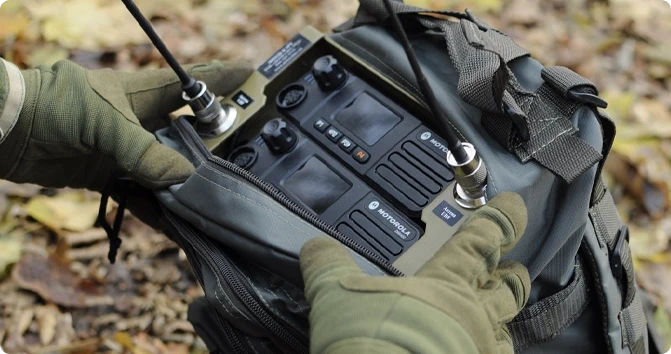
Amplifiers often operate in harsh environments—extreme temperatures, dust, or vibrations—so rugged designs are necessary, especially in aerospace or defense contexts.
5. Scalability & Integration
Designing amplifiers that can be modular or integrated with other systems allows for customization and upgrades, future-proofing investment.
Product Specification Overview: Typical High Power RF Amplifier
| Specification | Typical Range | Notes |
|---|---|---|
| Output Power | 100 W – 1 kW | Varies by application |
| Frequency Range | 400 MHz – 6 GHz | Covers common RF bands |
| Efficiency | 40% – 65% | Higher is more energy-efficient |
| Impedance | 50 Ω | Standard for RF components |
| Operating Voltage | 12 V – 48 V DC | Depends on device |
Global Applications and Use Cases
High power RF amplifiers are everywhere—even if you don’t see them. Here’s where they practically shine:
- Telecommunications: Essential for cellular base stations and satellite uplinks that must cover great distances reliably.
- Defense and Aerospace: Used in radar and secure communication systems, often in hostile environments.
- Energy and Remote Operations: Power communication in remote oil rigs, mining sites, and disaster zones where infrastructure is limited.
- Disaster Relief & Humanitarian Efforts: Rapid communication setups depend on reliable RF amplification to coordinate rescue and aid.
- Scientific Instrumentation: Particle accelerators, astrophysics satellites, and radar installations benefit from precision amplifiers.
For example, in earthquake-stricken regions with damaged mobile towers, portable high power RF amplifiers help establish emergency communications faster. Similarly, satellite internet providers use cutting-edge amplifier designs to beam connectivity to underserved areas.
Vendor Comparison: Popular High Power RF Amplifier Suppliers
| Vendor | Frequency Range | Max Power Output | Efficiency | Price Range |
|---|---|---|---|---|
| AmplifyTech | 500 MHz – 3 GHz | 800 W | 58% | $$$ |
| RF Power Solutions | 400 MHz – 6 GHz | 1 kW | 62% | $$$$ |
| WaveBoost Inc. | 600 MHz – 2.5 GHz | 500 W | 55% | $$ |
Advantages & Long-Term Value of High Power RF Amplifier Design
Understanding and investing in optimized high power RF amplifier design pays off beyond performance metrics. Here’s why:
- Cost Savings: Higher efficiency reduces electricity consumption and cooling needs, especially critical over time.
- Reliability: Well-designed amplifiers prevent outages enabling mission-critical systems to stay online.
- Sustainability: Lower power waste aligns with global carbon reduction goals.
- Enhanced Connectivity: Better signal strength means improved communication in rural and underdeveloped areas, promoting social equity.
- Innovation and Trust: As technologies advance, robust amplifier designs build confidence in new wireless solutions.
It’s subtle but important: when communication systems are trusted and dependable, people can feel safer, businesses can thrive, and governments can coordinate better during crises.
Emerging Trends & Innovations in High Power RF Amplifier Design
The future looks bright (and pretty exciting) for this field. Here are a few innovations brewing:
- GaN Technology: Gallium Nitride transistors offer higher efficiency and power density than traditional silicon.
- Integration with Digital Controls: Smart systems that adapt amplification based on conditions can optimize performance on the fly.
- Eco-Friendly Power Sources: Amplifiers powered by renewable energy or optimized for low power consumption.
- Miniaturization: More compact designs enabling easier integration into small devices or drones.
- Enhanced Cooling Materials: Novel composites and heat pipes to improve thermal management.
Challenges & Solutions in High Power RF Amplifier Design
Oddly enough, despite the technical advancements, several challenges persist:
- Thermal Overload: High power amplifiers naturally generate heat that can quickly degrade components. Innovative heat-dissipation technologies are a must.
- Cost vs Performance: Cutting-edge designs often come with high price tags, complicating budget-conscious deployments.
- EMI and Regulatory Compliance: Balancing power and emissions for strict global regulations is a delicate dance.
- Scalability: Tailoring designs to diverse applications without reinventing everything every time.
Experts often recommend combining GaN transistors with advanced cooling and adaptive digital controls to meet these challenges. Also, partnerships with vendors that prioritize modular designs help solve scalability issues.
FAQ: Practical Questions on High Power RF Amplifier Design
- What factors affect the efficiency of a high power RF amplifier?
- Efficiency hinges on the choice of semiconductor materials (e.g., GaN vs. Si), circuit topology, operating frequency, and thermal management. Good design minimizes power lost as heat, maximizing output relative to input power.
- How do you manage heat in high power RF amplifiers?
- Thermal management uses heat sinks, fans, liquid cooling systems, or advanced materials like graphene composites. Proper heat dispersion prevents device failure and preserves signal quality.
- Are high power RF amplifiers customizable for different frequency bands?
- Yes. Amplifier design can be tailored to specific frequency ranges via component selection and circuit optimization to maximize performance within the intended band.
- What role does linearity play in RF amplifier design?
- Linearity ensures the amplified signal accurately retains its original waveform, crucial especially in communication to prevent distortion and interference with adjacent channels.
- Is it possible to deploy these amplifiers in remote or harsh environments?
- Absolutely. Ruggedized designs with enhanced sealing, vibration resistance, and temperature range help ensure performance in challenging field conditions.
Conclusion: Empower Your Systems with High Power RF Amplifier Design
In real terms, mastering high power RF amplifier design translates to stronger, more reliable communication networks—networks that don’t just connect devices but people, industries, and emergency responders globally. The increased efficiency, improved sustainability, and durability offered by modern designs carry tremendous long-term value.
If you’re looking to innovate or enhance your current systems, exploring the latest in amplifier design technology is a smart move. After all, efficient, dependable signal amplification is a backbone of modern wireless infrastructure.
Visit our website: https://www.drone-system.com to learn more or consult with our experts.
Mini takeaway: High power RF amplifier design is quietly but crucially transforming global communications—efficiency, adaptability, and innovation in every signal amplified.
References

-
 09 March 2021 16 Apr 2026
 -
 09 March 2021 09 Apr 2026
 -
 09 March 2021 07 Apr 2026
 -
 09 March 2021 04 Apr 2026
 -
 09 March 2021 31 Mar 2026
-
 09 March 2021 21 May 2025
 -
 09 March 2021 25 Dec 2024
 -
 09 March 2021 14 Oct 2022
-
 09 March 2021 25 Dec 2024

 English
  Arabic
  Belarusian
  Danish
  Dutch
Dutch  French
  German
  Greek
Greek  Japanese
  Korean
  Myanmar
  Polish
  Portuguese
  Russian
  Spanish
  Swedish
  Thai
Thai  Ukrainian
  Vietnamese