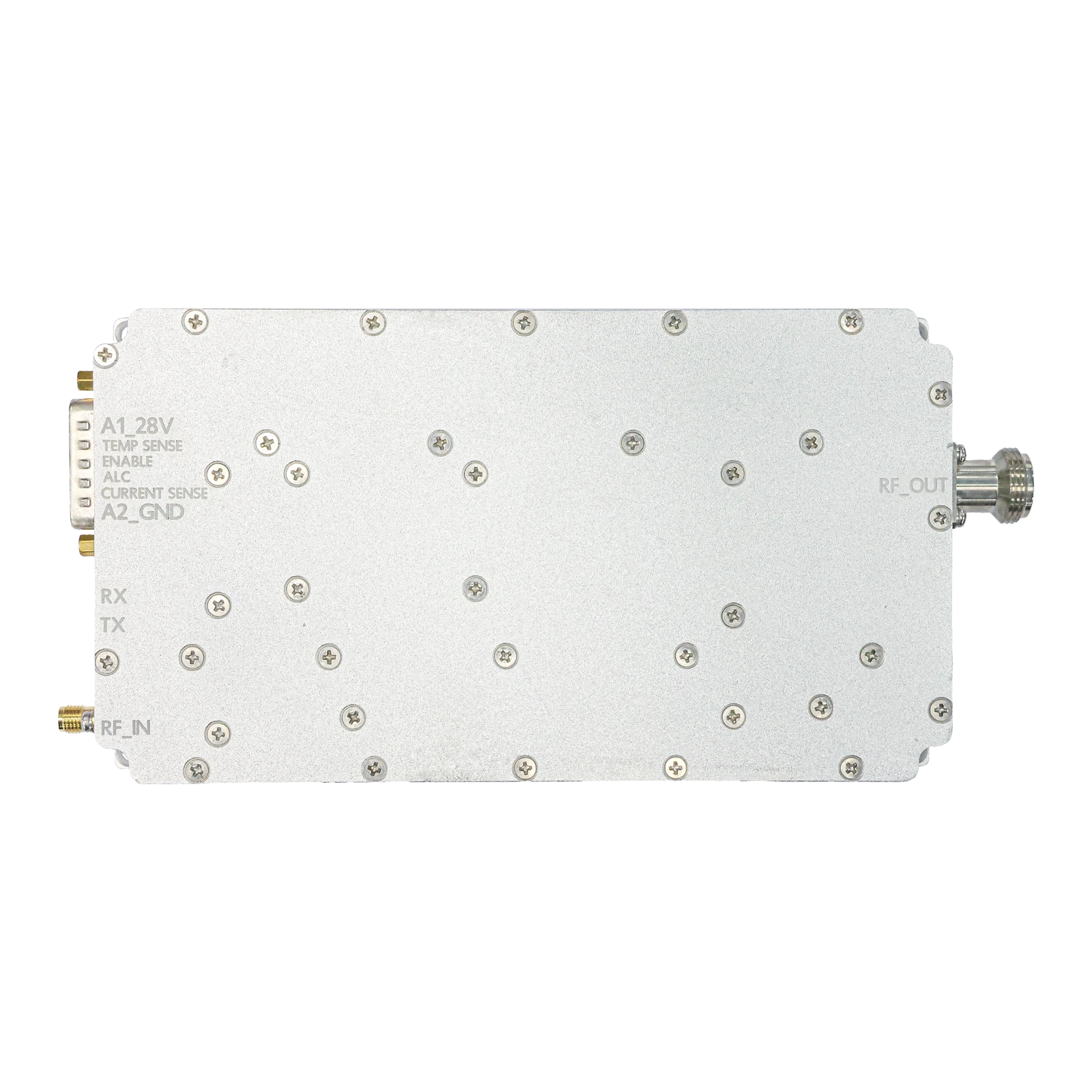
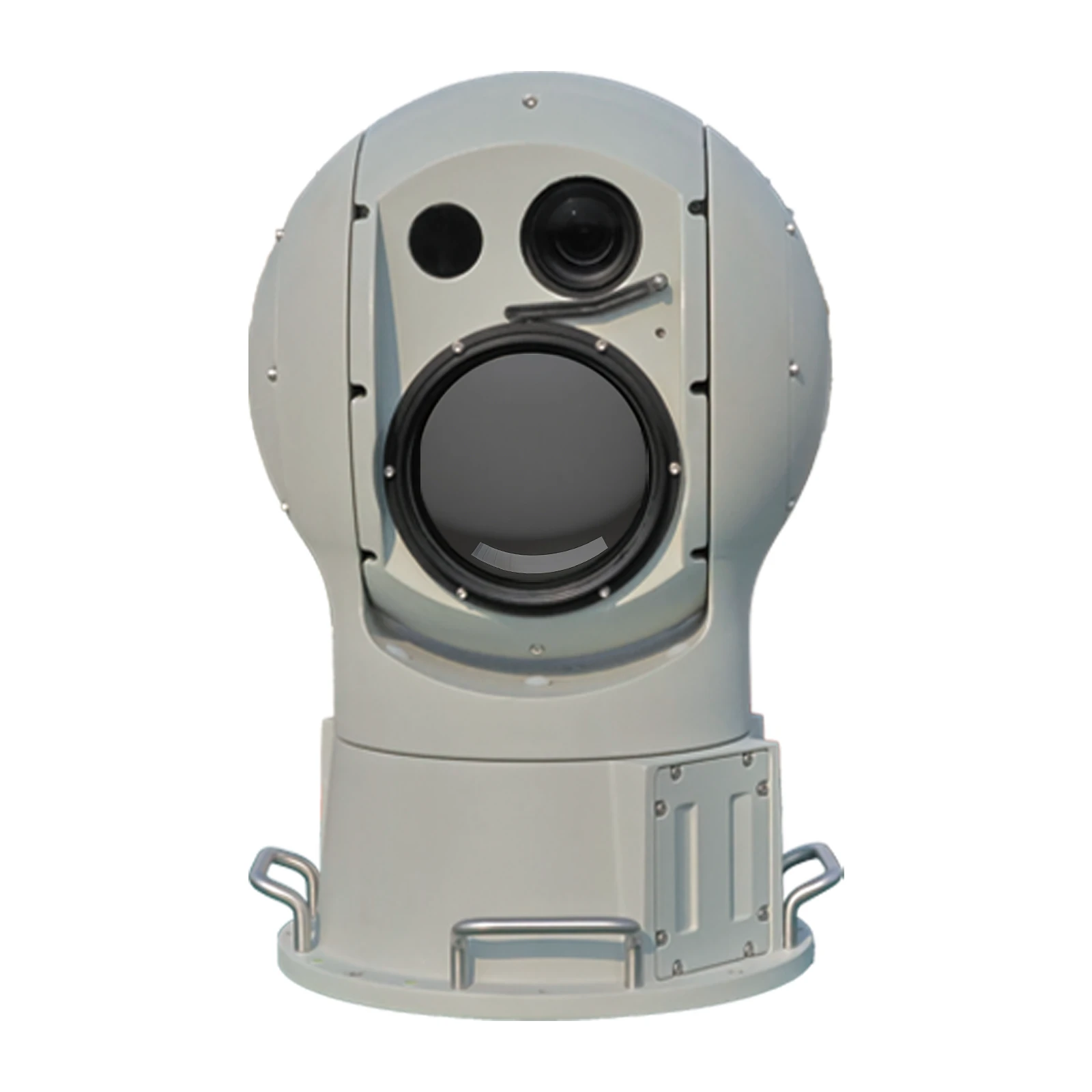
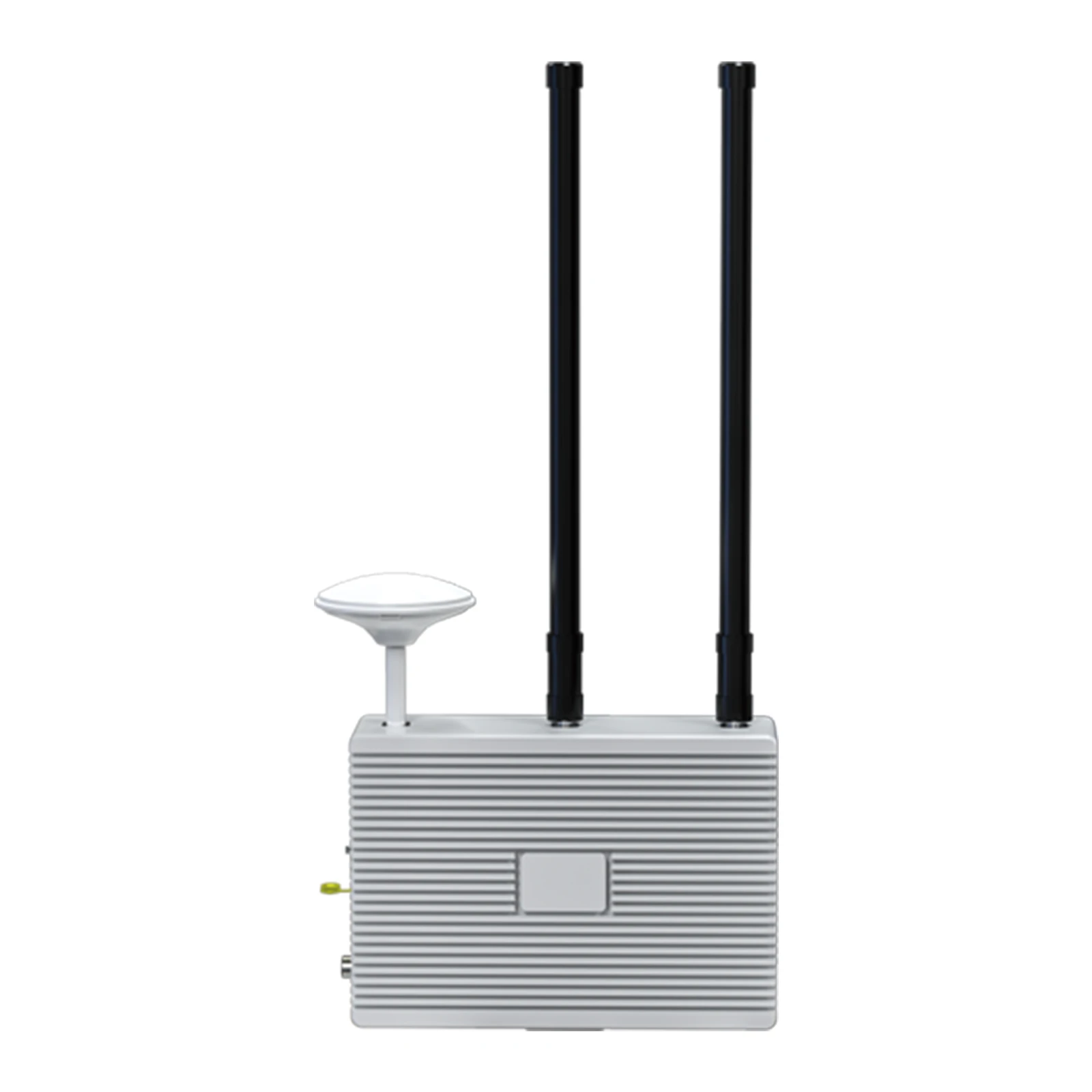
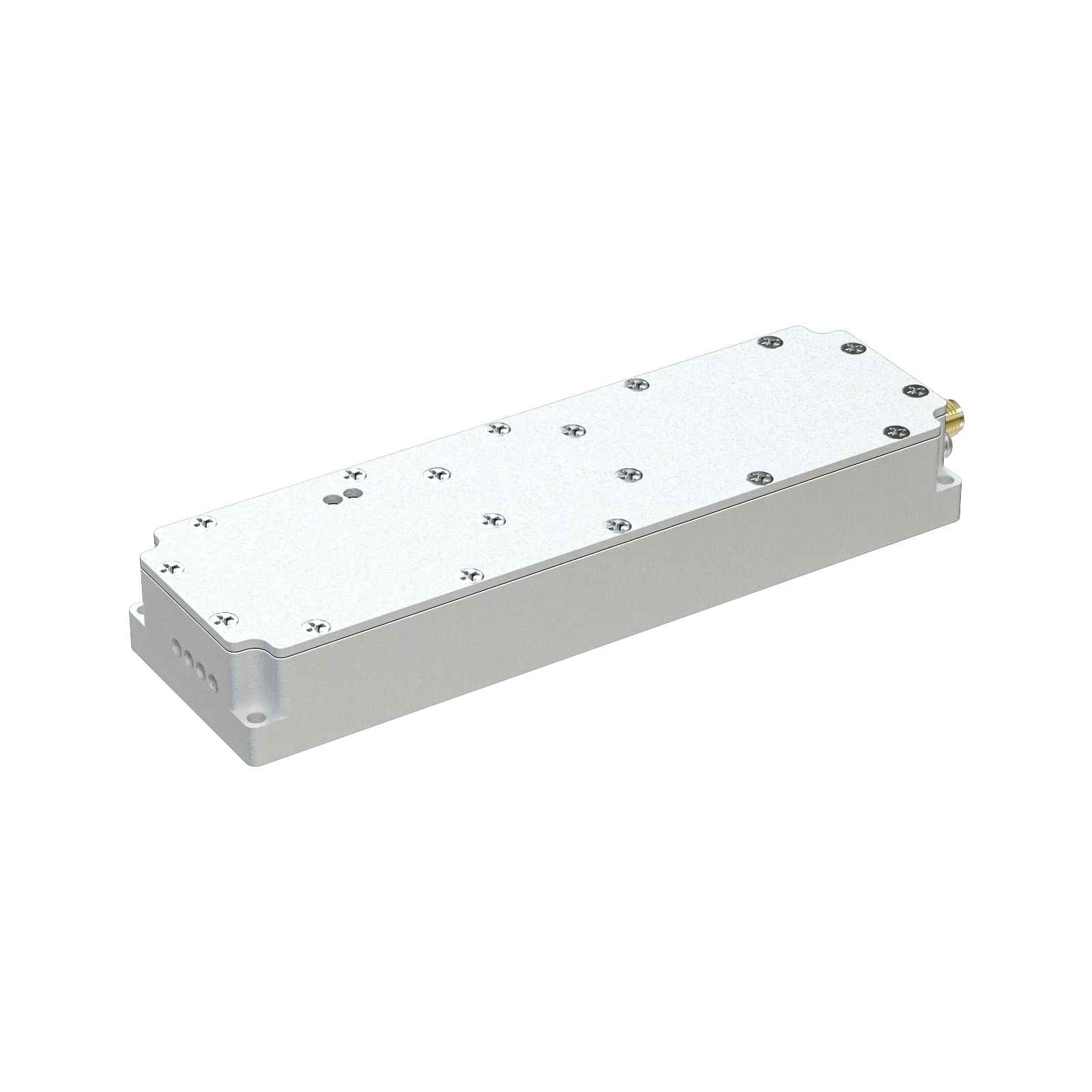
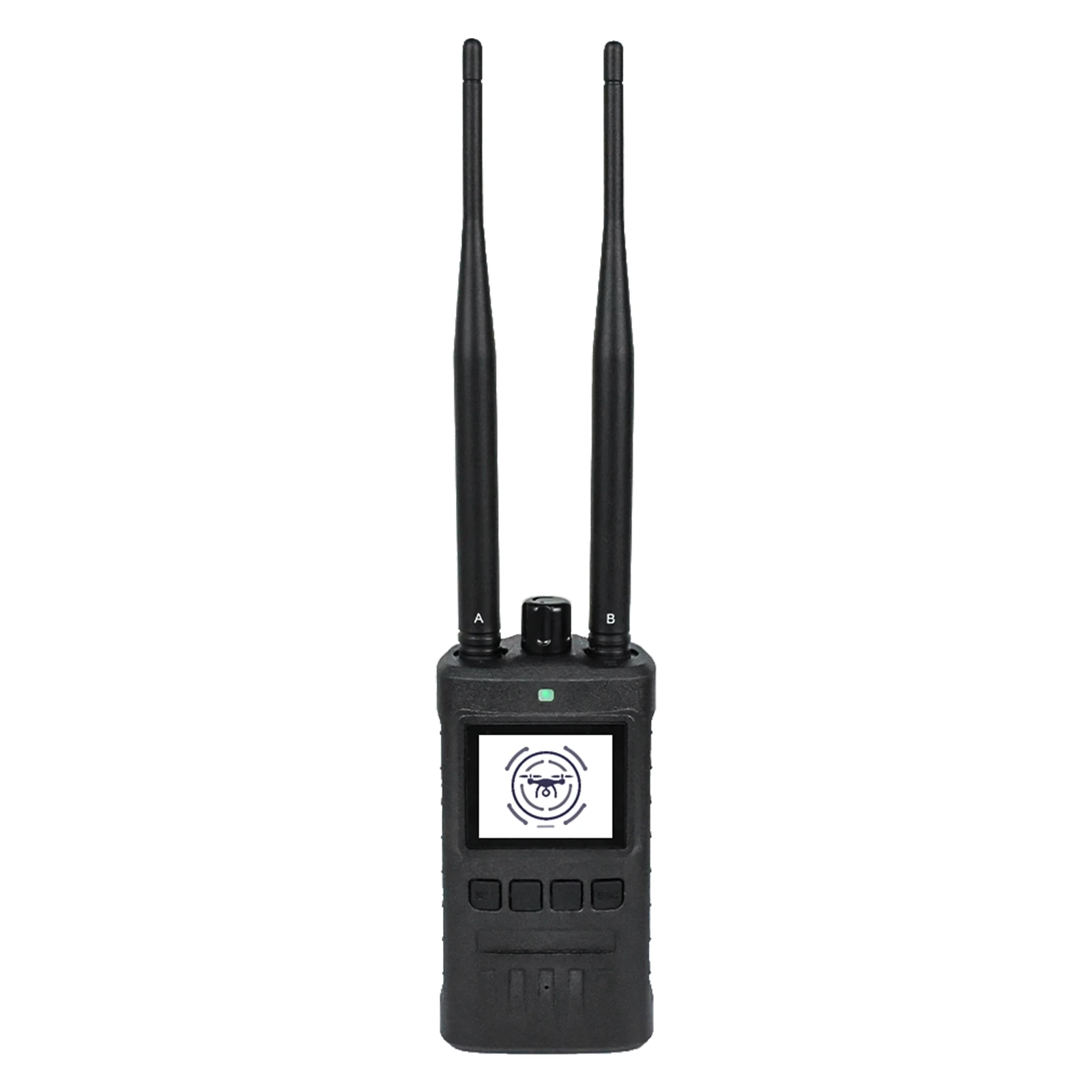
High-Precision Wireless Connectivity with cyrf6936 module for Japan's Industrial Sector

Advanced RF transmission solutions tailored for the Japanese market, integrating reliability, low power consumption, and seamless scalability for smart city infrastructure.

High-Precision Wireless Connectivity with cyrf6936 module for Japan's Industrial Sector

Providing cutting-edge wireless communication components that meet the rigorous technical standards of Japanese automation and precision electronics industries.

RF Communication Landscape in Asia - Japan

Navigating the intersection of precision engineering and strict spectral regulations.

In Japan, the wireless communication sector is characterized by an extreme demand for stability and electromagnetic compatibility (EMC). With a high density of electronic devices in urban centers like Tokyo and Osaka, the deployment of any oem rf module requires precise tuning to avoid interference in a crowded spectral environment.

The Japanese market is currently shifting toward the "Society 5.0" initiative, where the integration of cyber-physical systems demands low-latency connectivity. This has led to a surge in demand for specialized hardware like the cc1120 module, which provides the necessary reliability for industrial telemetry and remote sensing.

Furthermore, Japan's unique climate, featuring high humidity and seismic activity, necessitates ruggedized hardware. RF components are increasingly integrated into disaster prevention systems and infrastructure monitoring, where the ability to maintain long-range, low-power communication is critical for survival and recovery operations.
Evolution of RF Technology and Growth Trajectory

From analog foundations to software-defined wireless intelligence.

Market Development History

During the late 1990s and early 2000s, the Japanese RF market relied heavily on proprietary analog systems. Communication was localized and rigid, focusing on short-range industrial controls with minimal flexibility in frequency management.

Between 2010 and 2020, the transition to digital modulation became standard. The introduction of versatile components like the cellular transceiver module allowed for the integration of wide-area networks, bridging the gap between local sensor data and cloud-based analytics.

In the current era, the trend has shifted toward "Hyper-Customization." The rise of the maker culture in Akihabara and industrial prototyping has popularized the diy rf module, enabling rapid iteration for niche IoT applications before moving to mass production.

Future Development Trends

AI-Driven Spectral Efficiency

We predict a shift toward cognitive radio technologies that automatically detect and switch to the clearest available channel, reducing interference in dense Japanese urban areas.

Ultra-Low Power Edge Integration

Integration of energy harvesting with RF modules to create "battery-less" sensors for structural health monitoring of bridges and skyscrapers.

Sub-GHz Expansion

Increased adoption of Sub-GHz frequencies to penetrate deep into concrete structures, improving the efficacy of smart building management systems across Japan.

Industry Trends and Future Outlook

Analyzing the trajectory of wireless transmission in the high-tech Japanese ecosystem.

Miniaturization of RF Front-ends
Driven by Japan's robotics industry, the demand for smaller footprints without sacrificing signal gain is paramount.
Integration of LPWAN
Merging short-range RF with Long Range Wide Area Networks to cover expansive rural prefectures.
Enhanced EMI Shielding
Implementation of advanced materials to protect critical signals in high-interference industrial zones.
Software-Defined Radio (SDR)
Moving away from fixed-hardware constraints to flexible, programmable RF paths for multi-protocol support.

Industry Outlook

Based on Google search trend analysis for "IoT Industrial Wireless" in Japan, there is a significant spike in interest regarding low-power, high-penetration RF solutions. This suggests a market pivot toward smart factories (Koujou Digitalization) where legacy cabling is being replaced by wireless meshes.

Over the next 3-5 years, we anticipate the convergence of 5G and proprietary RF modules. The focus will be on hybrid gateways that can translate short-range RF sensor data into cellular streams, enabling real-time nationwide asset tracking across Japan's logistics network.

Localized Application Scenarios in Japan

Practical implementations of RF technology within Japanese economic and geographic constraints.

01. Seismic Monitoring Networks

Deploying high-sensitivity RF modules in mountain regions to transmit real-time tectonic shift data to central hubs, utilizing the stability of Sub-GHz transmission.

02. Smart Vending Machine Telemetry

Integrating low-power RF transceivers into Japan's vast vending network to monitor inventory and temperature without relying on expensive high-bandwidth plans.

03. Precision Factory Automation (KOBE/NAGOYA)

Implementing low-latency wireless control for robotic arms in automotive plants to reduce cable wear and tear in high-motion environments.

04. Urban Parking Management (Tokyo/Osaka)

Using RF-based sensor grids to detect vehicle presence in dense underground parking lots, transmitting data via a mesh network to a central cloud.

05. Agricultural IoT for Rice Paddies

Deploying wireless soil moisture and pH sensors across rural prefectures to optimize irrigation schedules through long-range RF connectivity.

Brand Story

Global Development History of Shenzhen Jajin Communication Co., Ltd.

Foundational Engineering

Established with a mission to solve signal instability in industrial environments, focusing on the core physics of RF transmission.

Market Diversification

Expanded product lines to include diverse modules, ensuring compatibility with global frequency standards and industrial protocols.

Quality Certification

Achieved rigorous international quality certifications to enter high-precision markets like Japan and Germany.

Strategic Innovation

Invested in R&D to develop ultra-low-power modules that address the energy crisis in remote IoT deployments.

Global Leadership

Today, we serve as a leading provider of RF solutions, empowering the digital transformation of industries worldwide.

Common RF Technical Questions in Japan

Expert answers regarding deployment and compliance in Asia - Japan.

How does the cc1120 module perform in high-interference urban areas like Tokyo?

The module uses advanced modulation techniques that provide high noise immunity, making it ideal for dense urban environments where spectral congestion is common.

Is the cyrf6936 module compliant with Japan's Radio Law (Giteki certification)?

Our modules are designed to meet strict global standards; however, we recommend verifying specific frequency bands and output power levels to ensure full local compliance.

What is the typical range of a cellular transceiver module in rural Hokkaido?

The range depends on the local carrier's tower density, but our modules are optimized for high sensitivity to maintain connectivity even in low-signal areas.

Can a diy rf module be scaled for industrial mass production?

Yes, our DIY kits are designed as blueprints. Once the prototype is validated, we provide a seamless transition to an oem rf module for scaled manufacturing.

Which RF module is best for battery-powered sensors in Japanese smart farms?

For maximum battery life and penetration through foliage, we recommend our Sub-GHz series due to their exceptional power-to-range ratio.

How do I integrate an oem rf module into existing PLC systems?

Our modules support standard UART and SPI interfaces, allowing for straightforward integration with most industrial PLCs used in Japanese factories.

Get Expert RF Consultation

Ready to optimize your wireless infrastructure in Japan? Our engineers are available to help you choose the right frequency and module for your specific application.

Contact Us Now

If you are interested in our products, you can choose to leave your information here, and we will be in touch with you shortly.


en_USEnglish