

How Does an RF Amplifier Work? Insights from Industry Experience
How Does an RF Amplifier Work?
Having spent more than a decade dabbling and working straight on the shop floors and design benches of the industrial equipment sector, I can tell you that RF amplifiers are rather fascinating devices. At a glance, it might seem like they just boost the radio signals - and well, they do—but the how and why of it feels more like a quiet, clever dance of electrons.
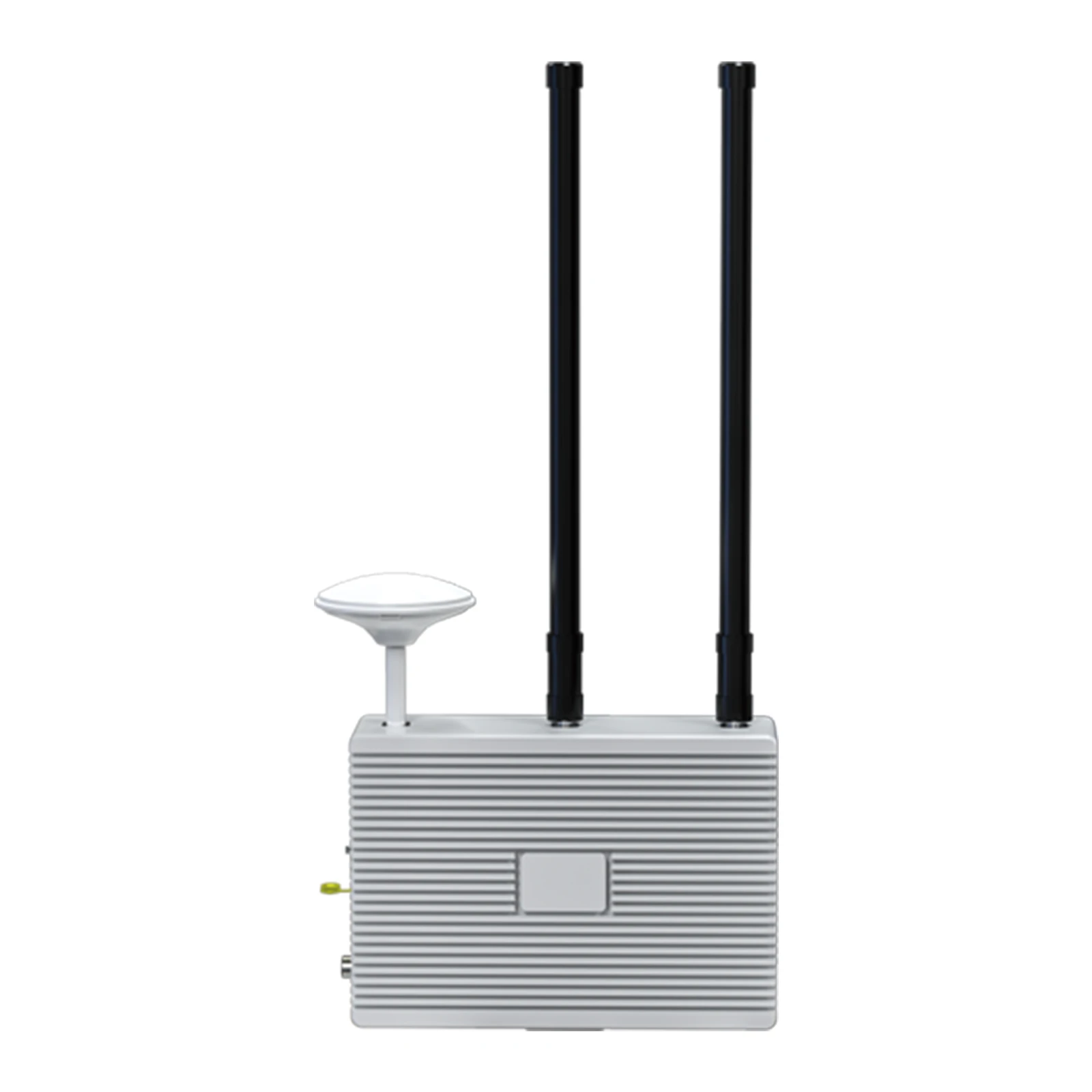
Frankly, the core function is straightforward: an RF amplifier takes a weak radio frequency signal and increases its power without distorting it too much. This is crucial in everything from radio communications, radar systems, to those drone radios you might’ve heard about recently. Naturally, the devil’s in the details; the design has to balance gain, noise, linearity, and efficiency, which—oddly enough—is a juggling act as old as the tech itself.
When I was working on a project involving high-frequency radar, I noticed that the choice of transistor, often MESFET or GaN-based nowadays, really shaped the amplifier’s performance. The material’s electron mobility and heat dissipation capabilities become defining factors. You might say it’s not just about cranking volume: it’s about boosting the signal cleanly, preserving integrity especially in long-distance transmissions.
Production and testing make this even more interesting. Each RF amplifier has to be fine-tuned—tweaked to the expected frequency and power range so it doesn’t saturate or add excessive noise. The testing rigs can look intimidating: oscilloscopes, spectrum analyzers, network analyzers all lined up, verifying specs down to fractions of decibels.
Let’s break down some typical product specs. To give you a concrete feel, here’s an example of a mid-range, widely used industrial RF amplifier:
| Specification | Typical Value |
|---|---|
| Frequency Range | 1 GHz – 3 GHz |
| Gain | 20 dB |
| Noise Figure | 3 dB |
| Output Power (P1dB) | +30 dBm |
| Supply Voltage | 12 V DC |
| Current Consumption | 1.8 A |
What I find especially engaging here is how manufacturers tweak the components in the amplifier chain, perhaps swapping out transistors, or introducing better heat sinks, to optimize this power-consumption tradeoff. Efficiency is king in RF design, because, let’s face it, power amps run hot and eat your energy budget if you’re not careful.
Now, talking about vendors—many engineers, including myself, keep a shortlist of trusted suppliers. Here’s a quick comparison of three well-known vendors specializing in these amplifiers:
| Vendor | Frequency Range | Gain (dB) | Noise Figure (dB) | Output Power | Lead Time |
|---|---|---|---|---|---|
| AmplifyCo | 500 MHz – 3 GHz | 22 | 2.8 | +28 dBm | 2 weeks |
| SignalBoost | 1 – 4 GHz | 20 | 3.2 | +30 dBm | 3 weeks |
| RF PowerHub | 900 MHz – 2.7 GHz | 18 | 2.5 | +32 dBm | 4 weeks |
It’s worth noting that many of us in the field keep an eye on lead times because that really affects project pacing. Of course, if you have very niche requirements, customization is available. Some engineers joke that an RF amplifier can be as bespoke as a tailored suit—and I don’t entirely disagree.
Oh, and here’s a little story: a colleague of mine once had a client struggling with weak signals on drones controlling agricultural equipment across uneven terrain. A modestly customized RF amplifier improved communication range so much that drone operators no longer lost connection halfway through a field. It feels gratifying when something so technical directly helps folks work more effectively.
In real terms, understanding how an RF amplifier works isn’t just academic—it’s a practical key that keeps the wireless world humbling along. If you’re curious or need a boost in your designs, exploring RF amplifiers can open up possibilities you may not have considered yet.
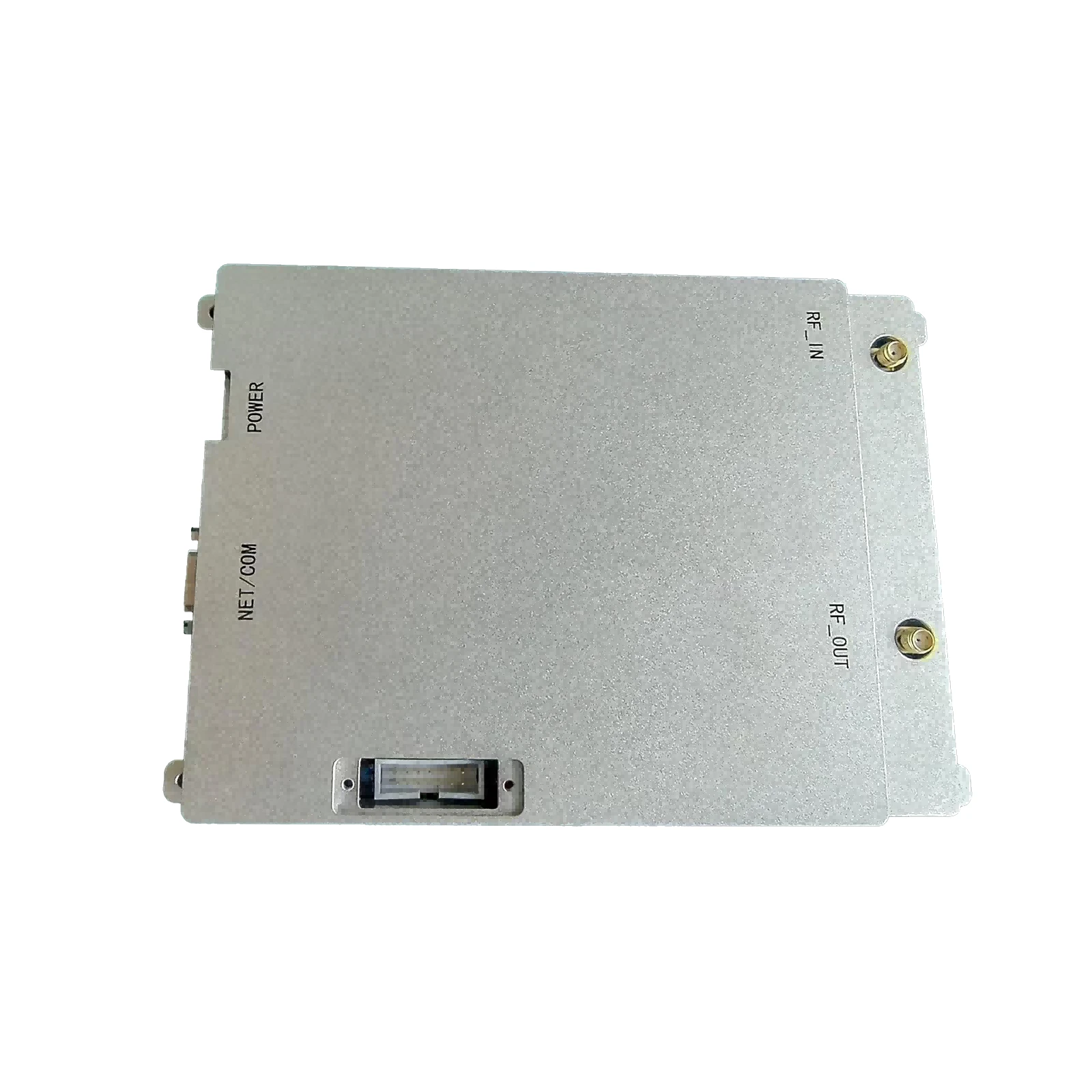
So, whether you’re a seasoned engineer or an intrigued novice, keep in mind: RF amplifiers might look like simple boxes but inside, they’re a blend of physics, engineering wizardry, and sometimes a bit of patience to perfect.
References:
- Advanced RF Circuit Design, R. Ludwig & P. Bretchko, 2007
- Practical RF System Design, W. F. Egan, 2003
- Industry white papers and product manuals from leading RF manufacturers (personal collection)

-
 09 March 2021 16 Apr 2026
 -
 09 March 2021 09 Apr 2026
 -
 09 March 2021 07 Apr 2026
 -
 09 March 2021 04 Apr 2026
 -
 09 March 2021 31 Mar 2026
-
 09 March 2021 21 May 2025
 -
 09 March 2021 25 Dec 2024
 -
 09 March 2021 14 Oct 2022
-
 09 March 2021 25 Dec 2024

 English
  Arabic
  Belarusian
  Danish
  Dutch
Dutch  French
  German
  Greek
Greek  Japanese
  Korean
  Myanmar
  Polish
  Portuguese
  Russian
  Spanish
  Swedish
  Thai
Thai  Ukrainian
  Vietnamese