

RF Amplifier Basics: Key Specs and Vendor Comparison
RF Amplifier Basics: A Practical Guide from the Shop Floor
Having spent over a decade working closely with industrial electronics, I’ve learned that rf amplifiers can feel like a bit of a black box at first glance. They're fundamental to so many communication and sensing systems out there, yet their details often get lost behind technical jargon or datasheets filled with numbers. Frankly, getting your head around the basics can make a huge difference—not just in specifying the right product, but in troubleshooting, deployment, and even future-proofing.
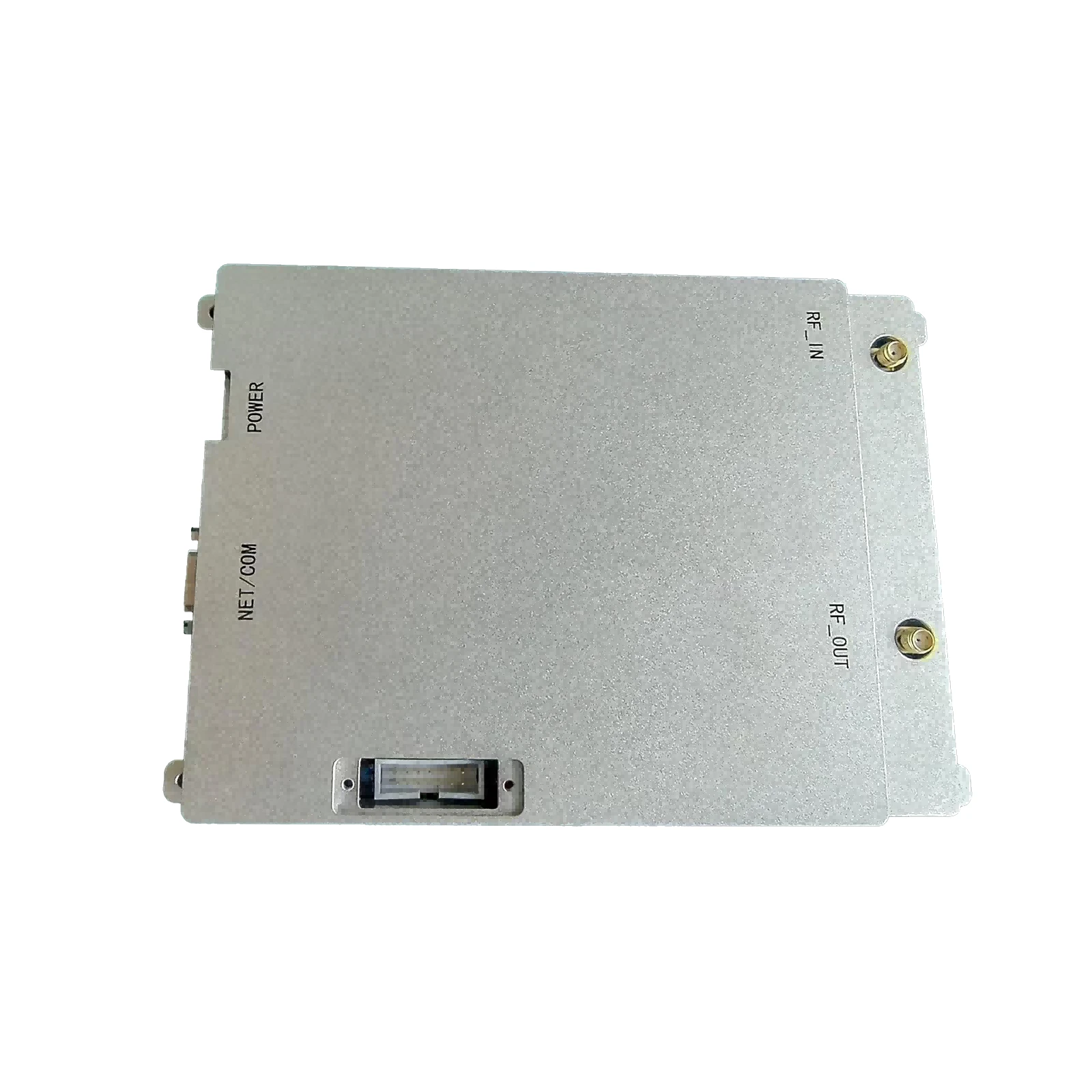
So, what exactly is an RF amplifier? In practical terms, it’s a device designed to boost the power of radio frequency signals without significantly distorting them. You'll often find them integrated in everything from radar systems to telecommunications gear, and more recently, drone communication platforms. I remember a project where we tested amplifiers for remote sensing rigs — reliability and consistent gain were make-or-break factors.
One thing that always struck me: despite the specialized niche, these amplifiers come in many flavors. You have low noise amplifiers (LNAs) aimed at preserving signal fidelity, power amplifiers cranking the output for transmission, and then the all-rounders. Part of the fun, honestly, is choosing which is right for your needs.
Key RF Amplifier Specifications
| Specification | Typical Values | Notes |
|---|---|---|
| Frequency Range | 1 MHz–6 GHz | Varies by model and application |
| Gain | 20–40 dB | Boosts signal strength |
| Noise Figure | 0.5–3 dB | Lower is better for sensitive signals |
| Output Power | +10 to +40 dBm | How strong the amplified signal is |
| Supply Voltage | 5–12 V DC | Typical for industrial-grade amps |
Honestly, the part that often trips up newcomers is noise figure—that's the intrinsic noise the amplifier adds to your signal. If you're working with high-sensitivity receivers, a low noise figure is critical. I remember an engineer once telling me: "It's like trying to hear a whisper in a busy café — the quieter the amp, the better."
Comparing Leading RF Amplifier Vendors
| Vendor | Frequency Range | Gain | Noise Figure | Typical Application | Price Range |
|---|---|---|---|---|---|
| Vendor A | 500 MHz–3 GHz | 30 dB | 1.2 dB | Radar systems | $$$ |
| Vendor B | 1 MHz–6 GHz | 25 dB | 0.8 dB | Commercial communications | $$ |
| Vendor C | 100 MHz–5 GHz | 35 dB | 2.5 dB | Industrial automation | $ |
Choosing the right vendor often depends on what you prioritize. A recent colleague of mine shared how switching from a “cheap but noisy” supplier to a slightly more costly one reduced their signal errors by half — a pretty tangible ROI there. You sort of get what you pay for, though, so it’s worth testing units under your own operating conditions.
In real terms, customization is also key. Many industrial clients ask for tailored amplifiers that fit their power or frequency needs. That’s where companies with strong engineering support shine because off-the-shelf isn’t always good enough — or cost-effective — for complex deployments.
Finally, testing is something I notice doesn't get enough love. Proper load matching, thermal management, and reliability under vibration or shock can make or break a component’s success in the field. Many errors pop up because testing in lab conditions just didn’t catch real-world quirks.
So, to wrap up, those rf amplifiers may seem simple at first, but understanding gain, noise, and power specs — alongside vendor strengths — can dramatically improve both product choice and system performance. Plus, having done it the hard way multiple times, I find it worth spending a bit more time up front to ask the “what if?” questions.
Just a small reflection: industrial electronics never fail to surprise, especially with how subtle design tweaks in something as “standard” as an RF amplifier impact entire systems downstream.
References:
1. Pozar, D. M., Microwave Engineering, 4th Ed., Wiley, 2011.
2. Pozar, D., “RF Power Amplifiers and Transmitters,” IEEE Press publications.
3. Vendor datasheets and user manuals from industry suppliers (anonymous for confidentiality).

-
 09 March 2021 16 Apr 2026
 -
 09 March 2021 09 Apr 2026
 -
 09 March 2021 07 Apr 2026
 -
 09 March 2021 04 Apr 2026
 -
 09 March 2021 31 Mar 2026
-
 09 March 2021 21 May 2025
 -
 09 March 2021 25 Dec 2024
 -
 09 March 2021 14 Oct 2022
-
 09 March 2021 25 Dec 2024
 English
  Arabic
  Belarusian
  Danish
  Dutch
Dutch  French
  German
  Greek
Greek  Japanese
  Korean
  Myanmar
  Polish
  Portuguese
  Russian
  Spanish
  Swedish
  Thai
Thai  Ukrainian
  Vietnamese