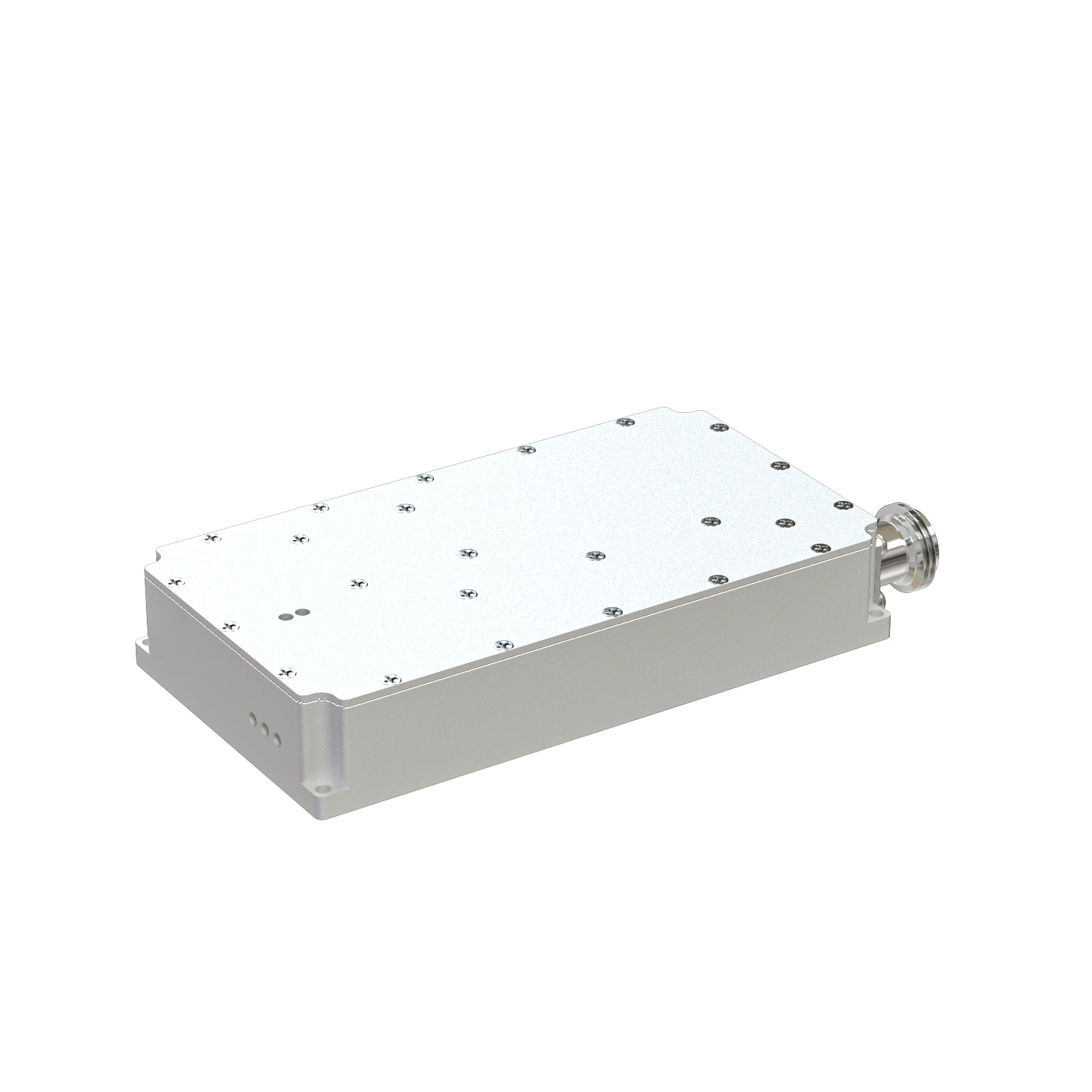
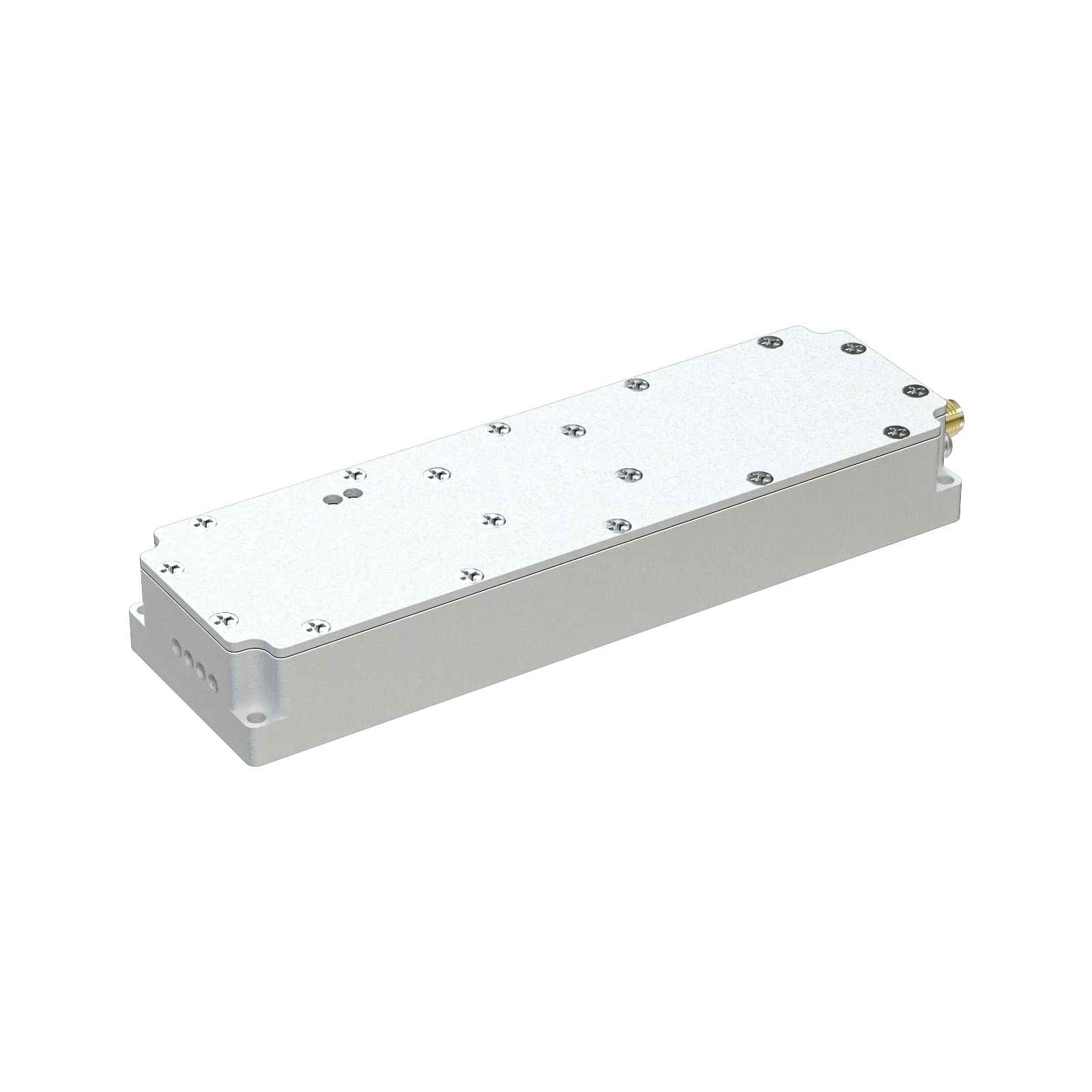
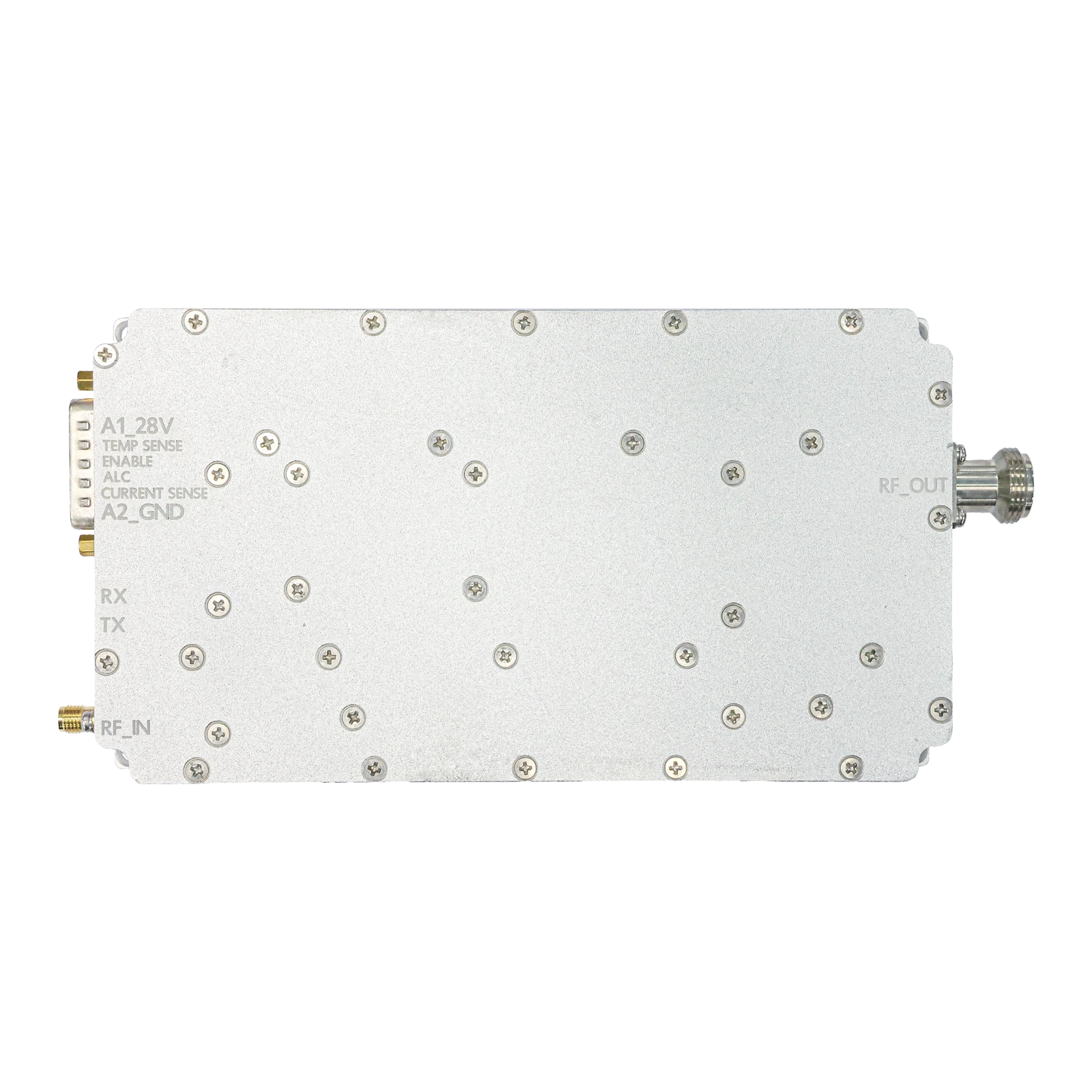
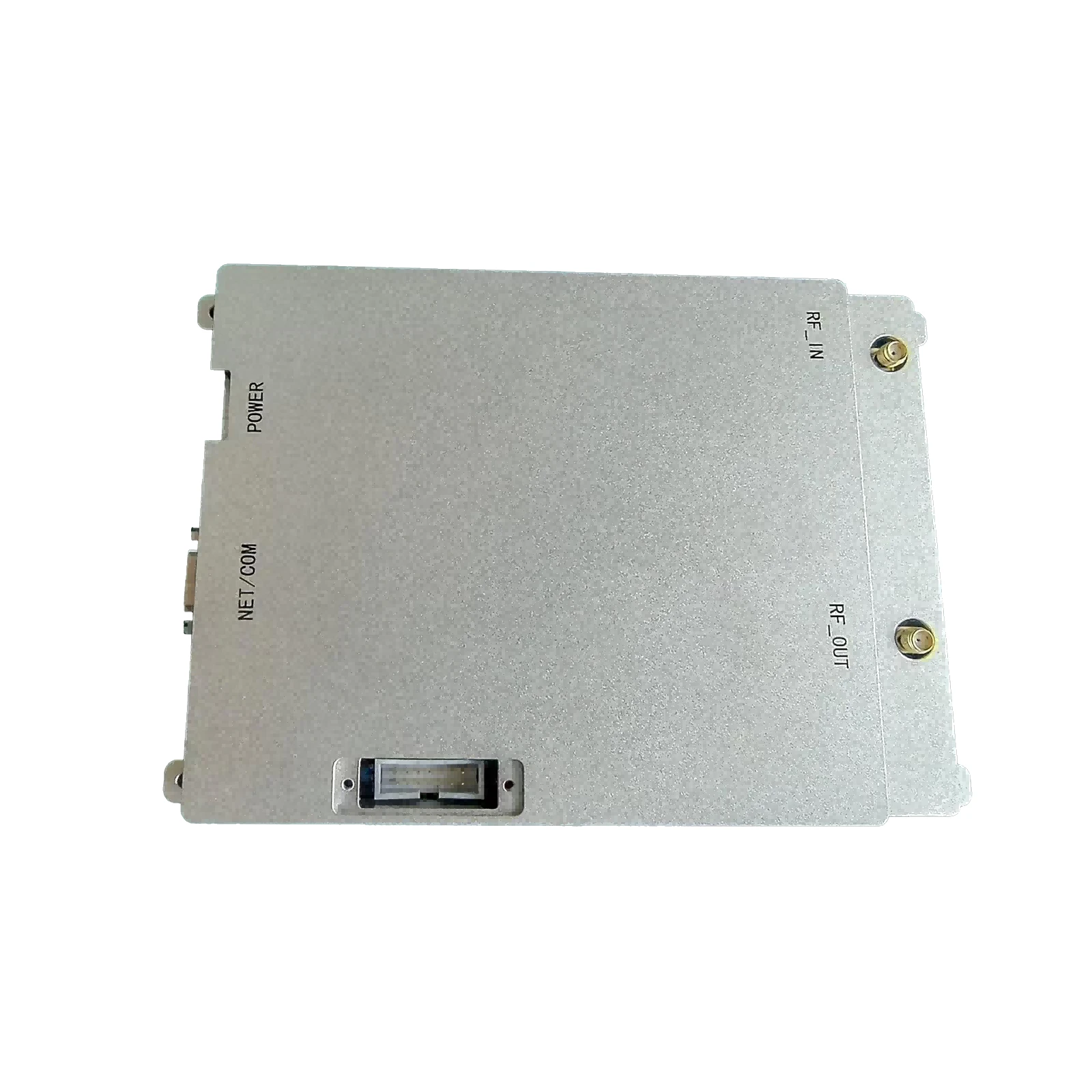
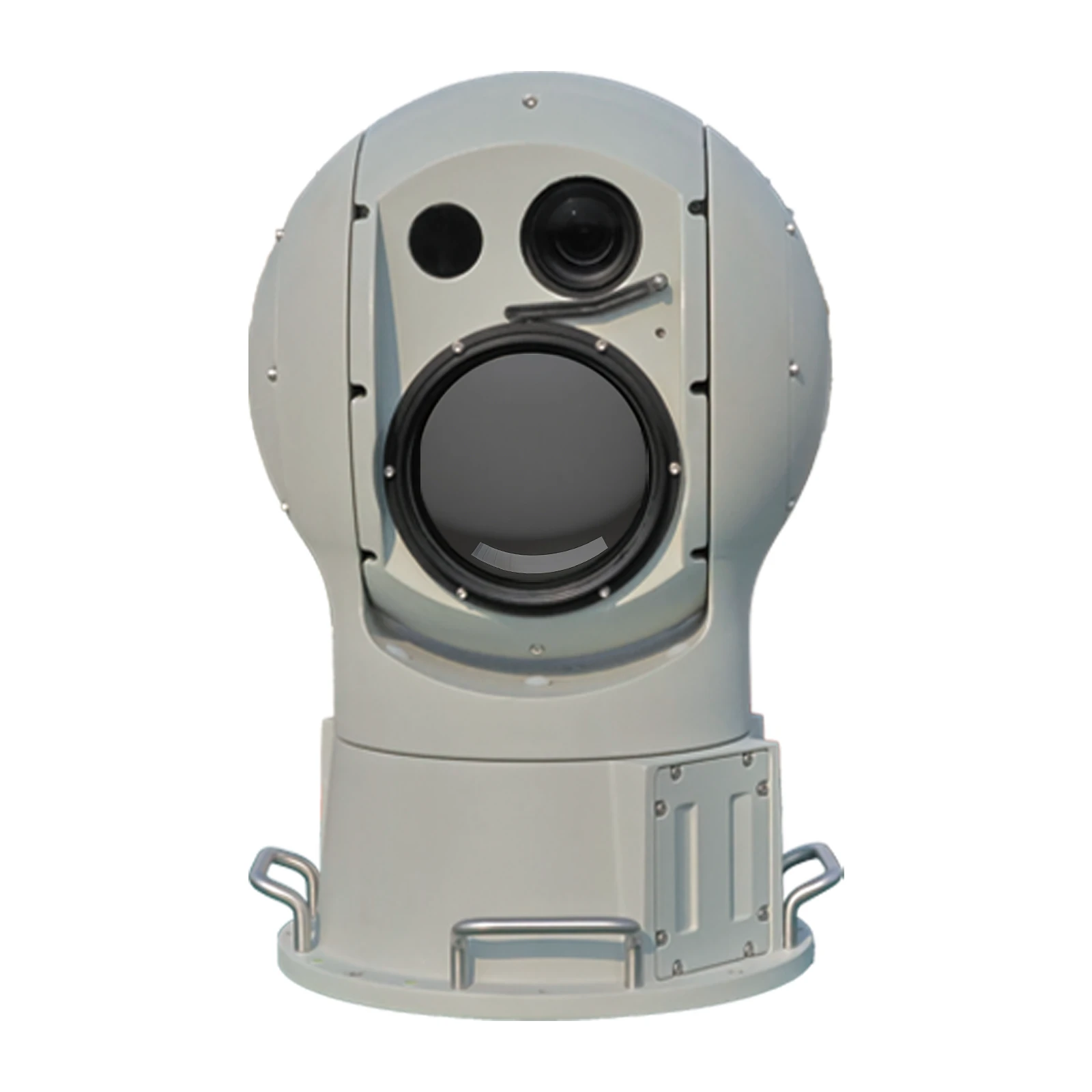
Industrial Wireless Connectivity Solutions with cyrf6936 module for Iran

Providing high-performance RF transmission and cellular integration for the Iranian industrial and software service sector.

Industrial Wireless Connectivity Solutions with cyrf6936 module for Iran

Deploying robust wireless communication infrastructures across Iran's diverse terrain using specialized oem rf module components to ensure seamless data transmission in challenging environments.

Wireless Communication Landscape in Iran

Analyzing the adoption of RF technologies in Iran's software and electronics manufacturing industry.

Iran's geography, characterized by vast deserts and mountainous regions, creates significant signal attenuation challenges. Consequently, there is a high demand for a reliable cellular transceiver module to maintain connectivity between remote industrial sites and urban centers.

The local software and information technology service industry has shifted toward indigenous development of specialized electronic equipment. This has led to an increase in the procurement of diy rf module kits for rapid prototyping of localized communication protocols.

Economic fluctuations and import restrictions have driven Iranian engineers to optimize existing hardware. The use of the cc1120 module has become prevalent due to its flexibility in frequency tuning and energy efficiency in battery-powered sensors.
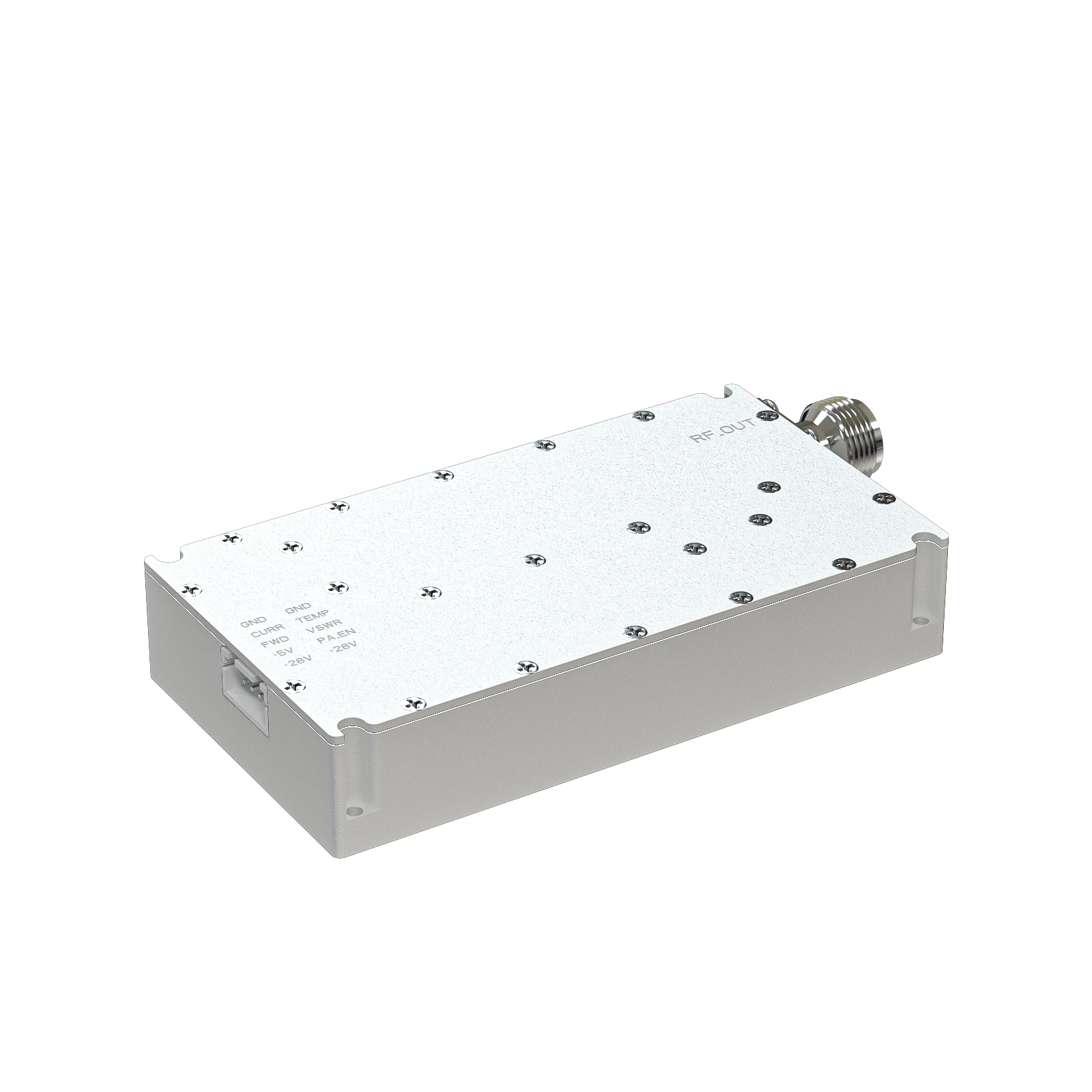
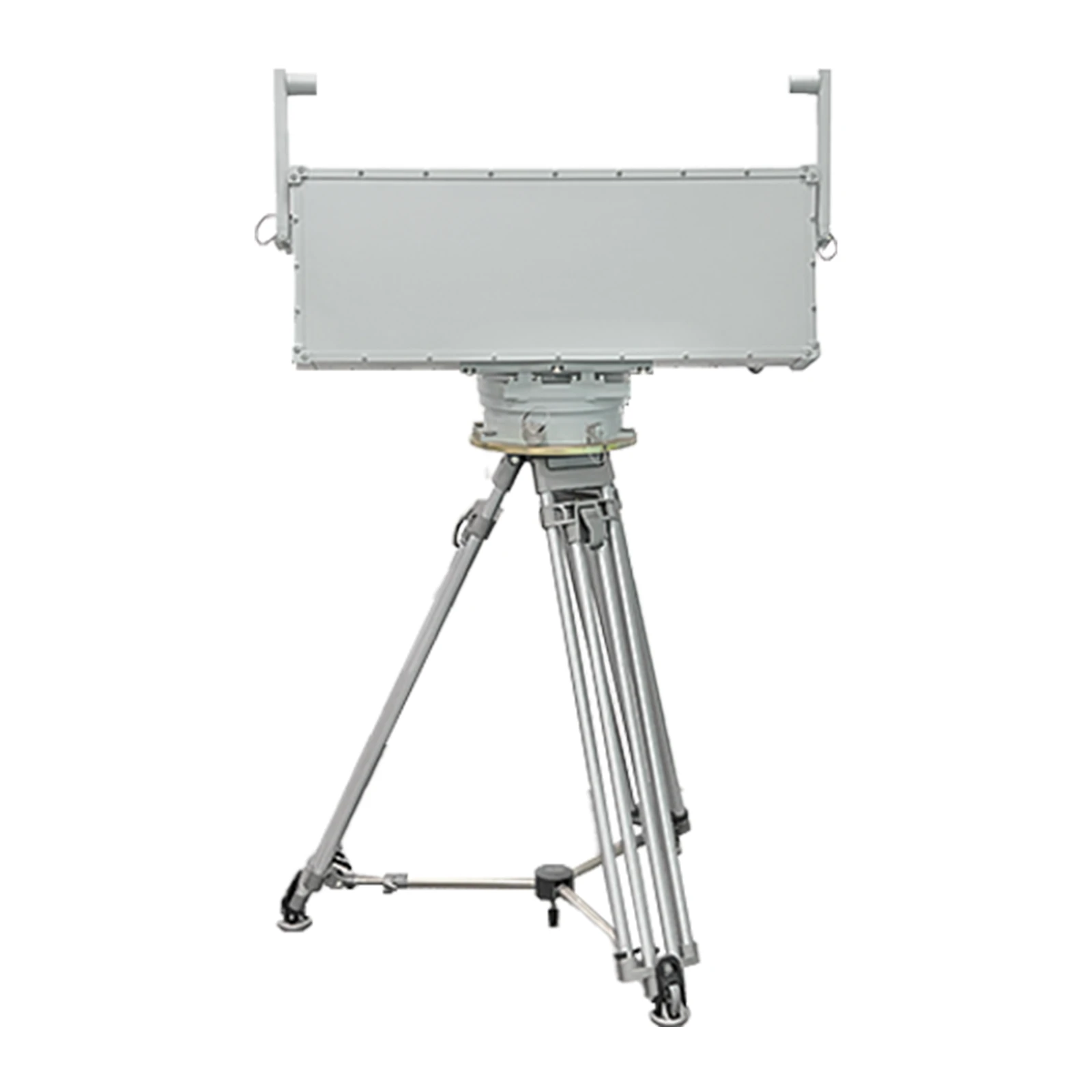
Evolution of RF Infrastructure in Iran

From analog radio links to sophisticated software-defined wireless modules.

Market Development History

In the early 2000s, wireless transmission in Iran relied heavily on fixed-frequency analog systems with limited scalability. The focus was primarily on basic point-to-point telemetry for oil and gas pipelines.

Between 2010 and 2018, a transition occurred toward digital RF modules. The introduction of low-power wide-area networks saw a surge in the adoption of oem rf module designs to standardize industrial automation across the plateau.

From 2019 to the present, the market has entered the era of "Smart Connectivity," where integrated cellular and RF hybrids are used to create redundant communication layers for critical national infrastructure.

Future Development Trends

LPWAN Expansion

Increased integration of Sub-GHz technologies to cover vast rural agricultural zones in Iran, focusing on low energy consumption.

AI-Driven Signal Optimization

Implementation of machine learning algorithms within the software layer to dynamically adjust transmission power and frequency of the cyrf6936 module.

Edge Computing Integration

Moving data processing from central servers to the wireless edge, reducing latency for real-time industrial control systems.

Industry Trends and Future Outlook

Strategic projections for the wireless equipment manufacturing sector in the Iranian market.

Spectrum Diversification
Moving toward multi-band modules to bypass local interference and congestion in urban areas like Tehran.
Energy Autonomy
Developing solar-powered nodes using ultra-low power cc1120 module for remote monitoring.
Hardware Hardening
Enhancing module durability to withstand extreme temperature fluctuations in the Iranian highlands.
Modular Customization
Shift toward diy rf module architectures to allow local software engineers to implement custom encryption.

Industry Outlook

Google search trends indicate a rising interest in "Industrial IoT" and "Private LTE" within the Middle East, particularly for infrastructure monitoring. This suggests a move away from simple RF towards integrated cellular transceiver module solutions.

The future will be defined by the convergence of short-range RF for local clusters and long-range cellular for backhaul, creating a multi-tiered communication ecosystem tailored to the specific regulatory and geographic needs of Iran.

Localized Wireless Applications in Iran

Practical implementations of RF modules in regional industries.

1. Remote Oil Field Monitoring

Using high-gain oem rf module systems to monitor pressure and flow in remote oil wells across the Khuzestan province, ensuring stability without wired cabling.

2. Agricultural Irrigation Control

Implementing a network of cyrf6936 module nodes to automate drip irrigation in arid regions, reducing water waste through precise sensor feedback.

3. Smart City Traffic Management

Deploying a cellular transceiver module in urban traffic controllers in Tehran to provide real-time data to central management hubs.

4. Industrial Security Systems

Developing customized intrusion detection systems using the cc1120 module for secure, low-latency communication in manufacturing plants.

5. Rapid Prototyping for Local Tech Hubs

Utilizing diy rf module sets in university laboratories and tech incubators to develop the next generation of Iranian wireless software.

Brand Story

Global Development History of Shenzhen JIAJIN Communication Co., Ltd.

Founding Vision

Established with the mission to bridge the gap between complex RF hardware and user-friendly software interfaces for industrial clients.

Technical Breakthroughs

Developed proprietary antenna matching circuits that significantly enhanced the range of standard RF modules in harsh environments.

Global Expansion

Extended operations to the Middle East, specializing in customized wireless solutions for the Iranian industrial sector.

Quality Standardization

Achieved international certifications to ensure all modules meet the strict EMI/EMC requirements of global telecommunications.

Future Commitment

Dedicated to solving the "last mile" connectivity problem for industrial IoT through continuous R&D in hybrid transceiver technology.

Wireless Communication FAQ - Iran Region

Answers to common technical queries regarding RF module deployment.

How to optimize the range of a cc1120 module in desert terrain?

For desert environments in Iran, we recommend using a high-gain external antenna and lowering the data rate to increase receiver sensitivity, effectively extending the communication distance.

Can the cellular transceiver module support all Iranian network operators?

Yes, our modules are designed to be multi-band and compatible with the primary GSM/LTE frequency bands utilized by operators within Iran.

What is the best cyrf6936 module configuration for low-power sensors?

To maximize battery life, utilize the sleep mode functions and implement a polling interval strategy, ensuring the module only wakes for critical data transmission.

Are diy rf module kits suitable for industrial-grade prototypes?

They are ideal for the initial R&D phase. However, for final deployment in Iranian industrial sites, we suggest transitioning to our ruggedized OEM versions.

What are the benefits of using an oem rf module for mass production?

OEM modules provide consistency in performance, reduced time-to-market, and pre-certified hardware that simplifies the compliance process for electronic devices.

How does humidity in northern Iran affect RF signal stability?

High humidity in the Caspian region can cause signal absorption. We recommend using IP67-rated enclosures and frequency-hopping techniques to maintain stability.

Consult Our RF Experts

Get customized wireless communication architecture and hardware support for your projects in Iran.

Contact Us Now

If you are interested in our products, you can choose to leave your information here, and we will be in touch with you shortly.


en_USEnglish