

IRF540 RF Power Amplifier | Affordable & Reliable High-Frequency Amplification
The Basics: What is an IRF540 RF Power Amplifier and Why Should You Care?
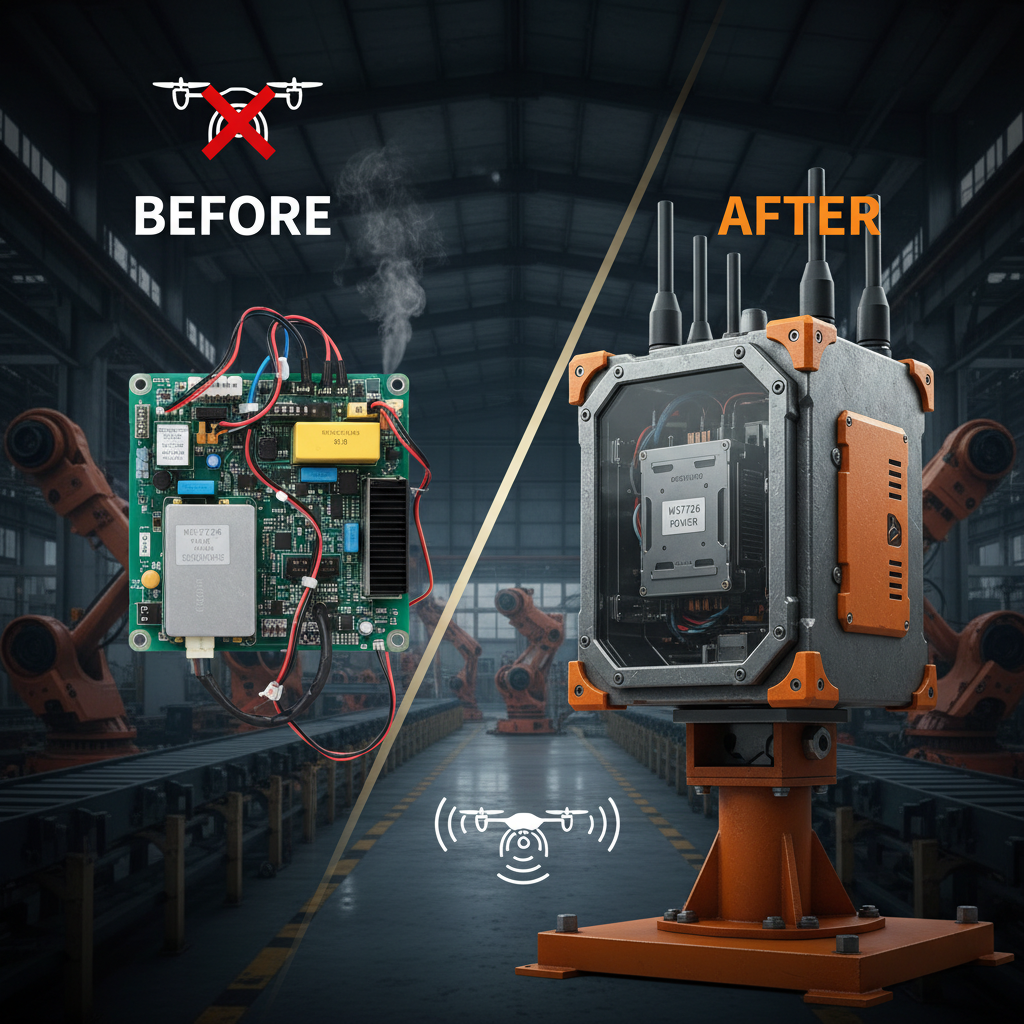
Let’s kick things off with a quick snapshot. The IRF540 RF power amplifier isn’t just some obscure electronic component — it’s a building block in the world of radio frequency amplification. In essence, it’s a device that takes a weak radio signal and boosts its power without significantly distorting it. This is crucial in a wide range of applications from communications gear to industrial machines, and even humanitarian tech.
Why the fuss? In today’s hyper-connected world, reliable amplification means better reach, clearer signals, and more efficient power usage. Whether you’re deploying communication setups in remote areas or dealing with high-frequency industrial tasks, knowing how IRF540 amplifiers work can make a big difference.
Mini takeaway: Understanding these amplifiers is about more than just circuits — it’s about improving connectivity and efficiency globally.
A Global Perspective: Why the IRF540 RF Power Amplifier Matters More Now Than Ever
Globally, the demand for wireless communication and industrial automation keep skyrocketing. As per the International Telecommunication Union (ITU), over 60% of the world's population now uses internet-connected devices, most relying heavily on RF technologies.
But there’s a catch. Wireless systems often struggle with limited signal strength over distance, especially in challenging terrains or disaster zones. Enter the irf540 rf power amplifier — by boosting signal power with efficiency and durability, it helps overcome natural barriers and extends coverage. In power-scarce environments, these amplifiers mean less wasted energy and more uptime.
That practically means NGOs can set up emergency comms faster, factories can optimize production lines better, and researchers can extend sensor networks. The stakes are pretty big.
Defining the IRF540 RF Power Amplifier
Simply put, an IRF540 RF power amplifier is an electronic device built around the IRF540 MOSFET transistor — a robust, high-speed switching component — designed to amplify radio frequency signals. Unlike audio amplifiers, which handle lower frequencies, this amplifier works in the MHz to GHz range, suitable for RF communication bands.
Think of it as the megaphone for radio waves. Without this power boost, few signals would make it far or remain clear.
Modern industries rely on these amplifiers for everything from Bluetooth and Wi-Fi modems to radar systems. On the humanitarian side, reliable RF amplification supports emergency communication networks, saving lives by restoring connectivity when infrastructure fails.
Core Components & Key Factors in IRF540 RF Power Amplifiers
1. Efficiency
Efficiency isn’t just a buzzword here — it’s the bread and butter of amplifier design. The IRF540 is prized for its low on-resistance and fast switching, which translates into less wasted power turned to heat. This means devices run cooler and more economically.
2. Power Handling Capacity
This amplifier can comfortably handle a few tens of watts, enough for small to medium-sized RF applications. That’s a sweet spot for industrial equipment and remote transmission setups.
3. Durability and Thermal Management
One of the challenges with any power transistor is heat. Without proper sinks or design, you risk burnout. IRF540 amplifiers often incorporate advanced heat sinking materials and circuit layouts tailored to keep temperatures manageable.
4. Frequency Range
The IRF540 works well up to the VHF and low UHF bands (~100 MHz to several hundred MHz), making it flexible for many commercial and amateur radio purposes.
5. Cost-Effectiveness
For many engineers, it’s the balance of performance and budget that makes these amplifiers attractive. The IRF540 transistor is widely available and affordable, making prototypes and small production runs feasible.
Mini takeaway: Balancing power, efficiency, and cost is where the IRF540 amplifier shines, particularly for hands-on engineers in diverse fields.
Product Specification Table
| Specification | Value |
|---|---|
| Transistor Model | IRF540 N-Channel MOSFET |
| Max Drain-Source Voltage (Vds) | 100 V |
| Continuous Drain Current (Id) | 33 A |
| Frequency Range | Up to ~110 MHz |
| Power Dissipation | Up to 150 W (with heatsink) |
| Typical Applications | RF Amplification, Switching circuits, Motor Control |
Global Applications & Real-World Use Cases
The versatility of the IRF540 RF power amplifier is quite striking. In North America and Europe, hobbyists and engineers use it extensively in amateur (ham) radio to boost communications over longer ranges. In industrial zones across Asia, the same amplifiers empower automated machinery requiring precise control of RF signals.
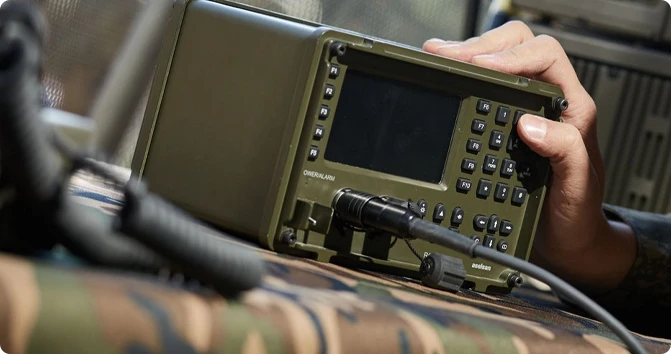
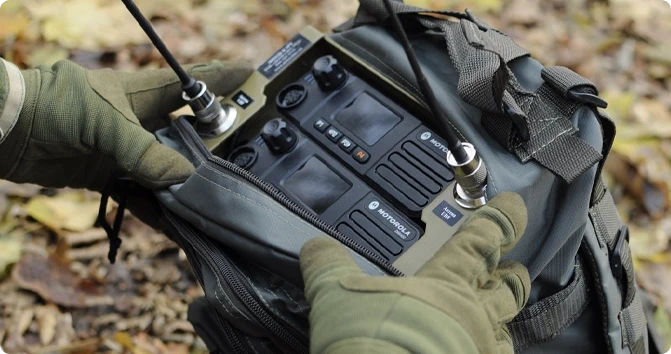
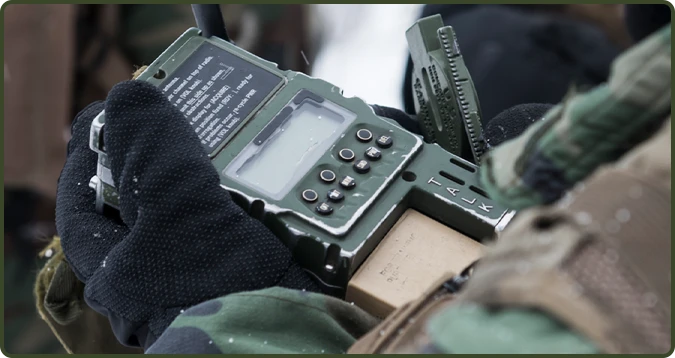
But my favorite example is in humanitarian tech — say a quick deployment of emergency communication hubs after flooding in Southeast Asia. With disrupted infrastructure, aid workers rely on portable radios powered by amplifiers like the IRF540 to keep in touch with each other and coordinate relief efforts efficiently.
Likewise, remote mining operations in Africa use RF amplifiers to maintain contact where cell coverage is weak or non-existent, greatly improving safety.
Advantages & Long-Term Value of IRF540 Amplifiers
- Cost Savings: Low component cost and energy-efficient operation reduce ongoing expenses.
- Reliability: Built to withstand harsh industrial conditions, meaning less downtime.
- Scalability: Modular designs let engineers adapt amplifier stages to different power needs.
- Environmental Impact: By improving efficiency, these amplifiers help reduce overall power consumption.
- User Confidence: When you know your signals won’t drop out, peace of mind follows — an often overlooked benefit.
Mini takeaway: It’s not only about the specs on a datasheet. The IRF540 RF power amplifier supports safer, more sustainable, and more innovative solutions in the real world.
Future Trends and Innovations on the Horizon
Looking ahead, the integration of IRF540-based circuits with digital signal processing (DSP) is a hot area. Imagine smarter amplifiers that adjust gain automatically depending on conditions, improving battery life and signal clarity. Also, new materials like gallium nitride (GaN) transistors are creeping into the scene, offering the promise of even higher frequencies and efficiencies — although at a steeper cost than IRF540s.
Another trend? Pushing RF amplifiers further into renewable energy setups, helping wireless sensor networks monitor remote solar farms or wind turbines, creating a neat synergy between green technology and communications.
Challenges & Solutions: Tackling the Tough Bits of IRF540 Amplifier Use
So, the IRF540 isn’t perfect. Its frequency upper limit (~110 MHz) limits some modern high-frequency applications like 5G. Thermal management remains a design headache wherever you have power amplification.
That said, thoughtful PCB layout, quality heat sinks, and rigorous testing help engineers squeeze the best from these amplifiers. Some creative minds even deploy hybrid designs using the IRF540 alongside more exotic transistors, balancing cost and performance smartly.
Vendor Comparison Table
| Vendor | Cost per Unit | Lead Time | Customer Support | Certification |
|---|---|---|---|---|
| Vendor A | $1.80 | 2 weeks | 24/7 Online Helpdesk | ISO 9001 |
| Vendor B | $1.50 | 1 week | Email Support Only | CE Marked |
| Vendor C | $2.10 | 3 weeks | Phone & Chat Support | UL Certified |
FAQ: Frequently Asked Questions About IRF540 RF Power Amplifier
Q1: What makes the IRF540 suitable for RF amplification compared to other MOSFETs?
A: The IRF540 offers a solid balance of low on-resistance and fast switching speed, enabling efficient high-frequency amplification up to about 110 MHz. Its voltage and current ratings also suit many practical power levels, making it a versatile choice in many RF circuits.
Q2: Can the IRF540 RF power amplifier be used for 5G or higher-frequency applications?
A: Generally, no. The IRF540’s frequency limit is too low for 5G bands, which usually operate in GHz ranges. For those, designers often turn to specialized GaN or LDMOS transistors designed specifically for ultra-high frequencies.
Q3: How do I manage heat dissipation when designing with an IRF540 amplifier?
A: Good question! Use a sizeable heatsink with thermal paste, ensure proper ventilation, and consider PCB layout techniques that spread heat. Sometimes, active cooling like fans might be necessary for high-power applications.
Q4: Is it easy to find replacement IRF540 transistors worldwide?
A: Yes, the IRF540 is a very common component found through electronics distributors globally. However, quality and certification may vary, so buying from reputable vendors is wise to ensure reliability.
Q5: How can NGOs quickly deploy communication equipment using IRF540 amplifiers in disaster zones?
A: Because of its cost-effectiveness and ease of integration, the IRF540 allows engineers to build portable RF amplifiers that enhance signal strength rapidly. Pairing this with modular antennas and power sources results in swiftly deployable, resilient comms networks.
Wrapping It Up: Why IRF540 RF Power Amplifiers Still Matter
To circle back, the irf540 rf power amplifier remains a robust, affordable, and reliable workhorse in the RF world. From enhancing industrial processes to enabling vital communication in disaster zones, it supports a spectrum of critical global needs. Like many fundamental tech components, it quietly underpins innovation and safety every day.
So if you’re dabbling in RF design or looking to improve your communications hardware, remember this little transistor could be the practical hero you need.
Want to learn more or source components? Visit our website for detailed info and expert advice.
References

-
 09 March 2021 16 Apr 2026
 -
 09 March 2021 09 Apr 2026
 -
 09 March 2021 07 Apr 2026
 -
 09 March 2021 04 Apr 2026
 -
 09 March 2021 31 Mar 2026
-
 09 March 2021 21 May 2025
 -
 09 March 2021 25 Dec 2024
 -
 09 March 2021 14 Oct 2022
-
 09 March 2021 25 Dec 2024

 English
  Arabic
  Belarusian
  Danish
  Dutch
Dutch  French
  German
  Greek
Greek  Japanese
  Korean
  Myanmar
  Polish
  Portuguese
  Russian
  Spanish
  Swedish
  Thai
Thai  Ukrainian
  Vietnamese