

Discover the Power of Low Frequency RF Amplifiers | Reliable Signal Boosting Solutions
Understanding the Low Frequency RF Amplifier: Why It Matters Today
The world of radio frequency (RF) technology might feel like black magic to many, but low frequency RF amplifiers are quietly shaping industries you might not even realize. These devices, crucial in boosting weak signals within low-frequency bands, are foundational to modern communication, navigation, and even humanitarian efforts worldwide. Their importance stretches from remote villages connecting to vital networks to industrial sectors relying on reliable, clean signals for complex operations.
So, why should you care? Simply because the efficiency and design of low frequency RF amplifiers directly influence how well information flows, whether it’s in disaster zones or high-tech industries. Understanding these devices unlocks a better grasp on global communication challenges and how technological innovations help overcome them.
The Global Stage: Why Low Frequency RF Amplifiers Are Gaining Attention
The global telecommunication landscape is expanding rapidly. The International Telecommunication Union (ITU) estimates that over 5 billion people now rely on wireless communication, and many operate within frequency bands that demand effective amplification solutions. According to recent ISO studies, low frequency signals—typically defined in the range of 30 kHz to 300 MHz—are prized for their long-range transmission capabilities and penetration through obstructions like buildings or terrain.
Yet, amplifying these signals efficiently is no simple task. Factors like power consumption, signal distortion, and environmental resilience pose challenges. Industries from maritime navigation to remote sensing often face signal degradation in harsh conditions, creating a demand for robust low frequency RF amplifiers. In fact, the low frequency rf amplifier has become a key solution where consistent, clear transmission is mission-critical.
What Exactly Is a Low Frequency RF Amplifier?
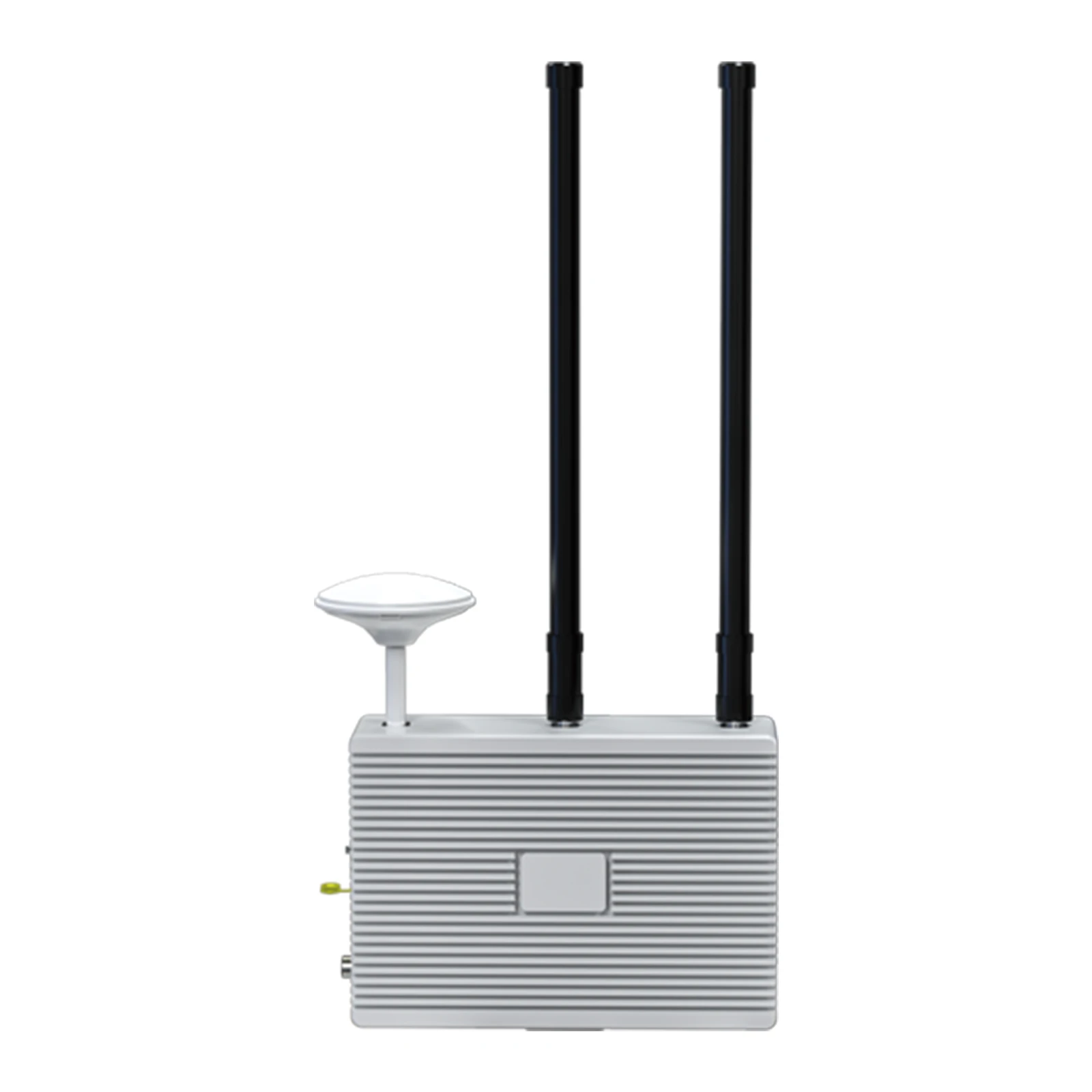
At its simplest, a low frequency RF amplifier is an electronic device that boosts weak radio signals within the low-frequency band. Think of it like a megaphone for radio waves—amplifying their reach without altering the message's content. This device ensures communication devices can send and receive signals effectively over long distances or through difficult environments.
In practical terms, they're vital components in everything from AM radio broadcasting to underwater communications, and even in critical infrastructure monitoring and defense systems. They help maintain signal integrity, which is crucial for safety, data accuracy, and reliable connectivity in our increasingly digital world.
Core Components and Considerations of Low Frequency RF Amplifiers
1. Durability & Environmental Resilience
Many engineers emphasize the need for these amplifiers to withstand temperature extremes, moisture, and mechanical shock—especially in offshore or disaster-relief scenarios. Without rugged designs, the amplifier's performance can degrade quickly.
2. Scalability
From small handheld communication devices to large base stations, a versatile design ensures the amplifier can be adapted across different platforms, reducing costs and engineering effort.
3. Power Efficiency
In remote or battery-powered setups, power consumption is everything. Efficient low frequency RF amplifiers allow for longer operation times and lower operating costs.
4. Signal Clarity and Gain
High gain without distortion is the holy grail. It means the signal arrives clean and strong, keeping the message intelligible even over thousands of kilometers.
5. Cost Efficiency
Oddly enough, balancing top-tier performance with affordability is tricky but essential for widespread adoption, particularly in developing regions.
Mini takeaway:
Clearly, when choosing or designing a low frequency RF amplifier, one must juggle durability, scalability, efficiency, clarity, and cost. Neglecting one often compromises the others.
Around the World: Where Low Frequency RF Amplifiers Make a Difference
In real terms, these amplifiers power everything from deep-sea sensors to emergency communication in disaster zones. For example:
- Post-disaster relief operations: In the aftermath of hurricanes or earthquakes, reliable long-range communication becomes a lifeline. Low frequency RF amplifiers enable rescue teams to maintain contact with remote bases when infrastructure is down.
- Remote industrial zones: Whether mining in northern Canada or drilling in offshore platforms, operators rely on these amplifiers to maintain signal fidelity amidst hostile environments.
- Maritime navigation and communication: Ships use low frequency RF solutions for navigation beacons and collision avoidance systems.
Regions like Sub-Saharan Africa, parts of Asia, and island nations especially benefit from improved low frequency RF amplification—where infrastructure is sparse but long-distance, reliable communication is crucial.
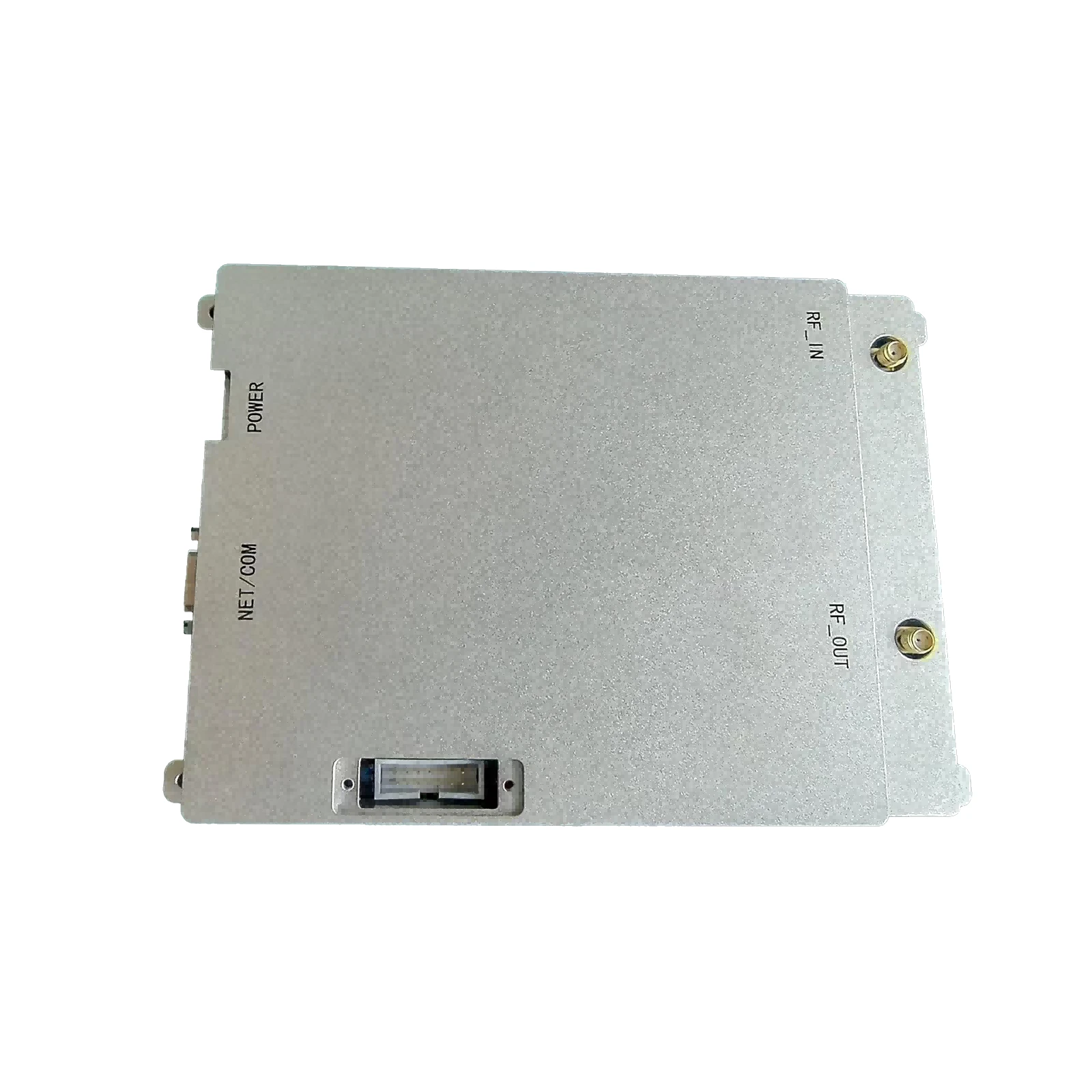
Product Specification Table for a Typical Low Frequency RF Amplifier
| Specification | Value |
|---|---|
| Frequency Range | 30 kHz - 300 MHz |
| Gain | 20 - 40 dB |
| Power Consumption | |
| Operating Temperature | -40 °C to +85 °C |
| Input/Output Impedance | 50 Ω |
| Size | Approx. 160 x 100 x 25 mm |
Advantages and Long-Term Value of Low Frequency Amplification
From a cost perspective, deploying robust low frequency RF amplifiers reduces downtime and lowers maintenance expenses—a real win in field operations. Socially, maintaining communication bolsters safety and dignity, especially during emergencies or in marginalized regions. There's something genuinely reassuring about knowing a reliable signal can be amplified, no matter how dire the context.
For organizations, the long-term value lies not just in immediate performance gains but in trust—knowing equipment will hold up and communication stays intact. It sparks innovation by enabling remote automation in agriculture or industrial monitoring, expanding what’s achievable beyond traditional infrastructural limits.
How Tomorrow Looks: Trends and Innovations in Low Frequency RF Amplification
Green technology is finally bleeding into RF component design — expect lower-power amplifiers that still boast high output without the environmental cost. Digital signal processing (DSP) is increasingly integrated into these amplifiers to provide real-time tuning, noise reduction, and adaptation to changing frequencies.
Materials science also plays a part, with new semiconductors and substrates enabling smaller, more rugged designs—ideal for drone communications or space-bound sensors. Policies favoring sustainable tech encourage manufacturers to produce amplifiers with longer lifecycles and recyclability in mind, a shift industry insiders welcome cautiously but optimistically.
Challenges and How Experts Are Tackling Them
Of course, no tech is perfect. Low frequency RF amplifiers can suffer from thermal management issues at high output powers, and electromagnetic interference may muddy otherwise clean signals. Many designers lean on hybrid approaches, mixing analog and digital tech, plus smart cooling solutions to keep temperature in check.
Another challenge is cost balancing without sacrificing quality. Some companies innovate by modularizing amplifier components, letting users tailor systems according to needs and budgets rather than one-size-fits-all models.
Vendor Comparison: Key Players in Low Frequency RF Amplifiers
| Vendor | Frequency Range | Max Gain (dB) | Power Efficiency | Typical Usage |
|---|---|---|---|---|
| AmplifyTech Ltd. | 30 kHz - 250 MHz | 38 dB | High | Industrial & Marine |
| SignalBoost Corp. | 50 kHz - 300 MHz | 35 dB | Medium | Broadcasting |
| EcoWave Systems | 25 kHz - 280 MHz | 32 dB | Very High | Remote / Eco Projects |
Frequently Asked Questions About Low Frequency RF Amplifiers
Q1: What factors should I consider when selecting a low frequency RF amplifier for remote communication?
When choosing an amplifier for remote setups, prioritize durability, power efficiency, and gain stability. Ensure the unit can operate in your environmental conditions and consumes minimal power if relying on batteries or solar panels. Also, check for ease of integration with your existing radio equipment.
Q2: Can low frequency RF amplifiers be used in urban environments plagued with interference?
Absolutely. Although urban areas have more noise, modern low frequency RF amplifiers often incorporate noise filtering and DSP features that help maintain signal clarity despite interference, ensuring better communications.
Q3: How long do these amplifiers typically last, especially in harsh environments?
With proper design and protective enclosures, low frequency RF amplifiers can last 5-10 years or more. Maintenance, such as checking connectors and cooling systems, extends their lifespan significantly.
Q4: Are eco-friendly low frequency RF amplifiers available?
Yes. Some brands focus on low-power, recyclable components and modular designs to reduce electronic waste. Green energy compatibility is also becoming a priority in newer models.
Q5: How can NGOs or small organizations acquire these amplifiers for their projects?
Most manufacturers offer direct sales or work through distributors worldwide. NGOs should assess their specific needs, reach out to vendors for demos, and consider total cost of ownership, including support and warranty.
Wrapping It Up: Where You Go From Here
Low frequency RF amplifiers might not be the headline-grabbers in tech, but their role is indispensable. For those involved in communications, emergency response, or industrial automation, understanding their capabilities is like having a secret handshake with the pulse of global connectivity. In most ways, these devices bridge gaps—between places, people, and possibilities.
If this piqued your curiosity, or you’re ready to explore solutions tailored to your operations, visit us at https://www.drone-system.com to find state-of-the-art low frequency RF amplifiers and expert advice. Sometimes, a good amplifier isn’t just a tool—it’s peace of mind.
References

-
 09 March 2021 16 Apr 2026
 -
 09 March 2021 09 Apr 2026
 -
 09 March 2021 07 Apr 2026
 -
 09 March 2021 04 Apr 2026
 -
 09 March 2021 31 Mar 2026
-
 09 March 2021 21 May 2025
 -
 09 March 2021 25 Dec 2024
 -
 09 March 2021 14 Oct 2022
-
 09 March 2021 25 Dec 2024

 English
  Arabic
  Belarusian
  Danish
  Dutch
Dutch  French
  German
  Greek
Greek  Japanese
  Korean
  Myanmar
  Polish
  Portuguese
  Russian
  Spanish
  Swedish
  Thai
Thai  Ukrainian
  Vietnamese