

Looking for a High-Speed, Low-Latency Tx/Rx Module?
Inside the race for smarter links: the [Tx/Rx Module]
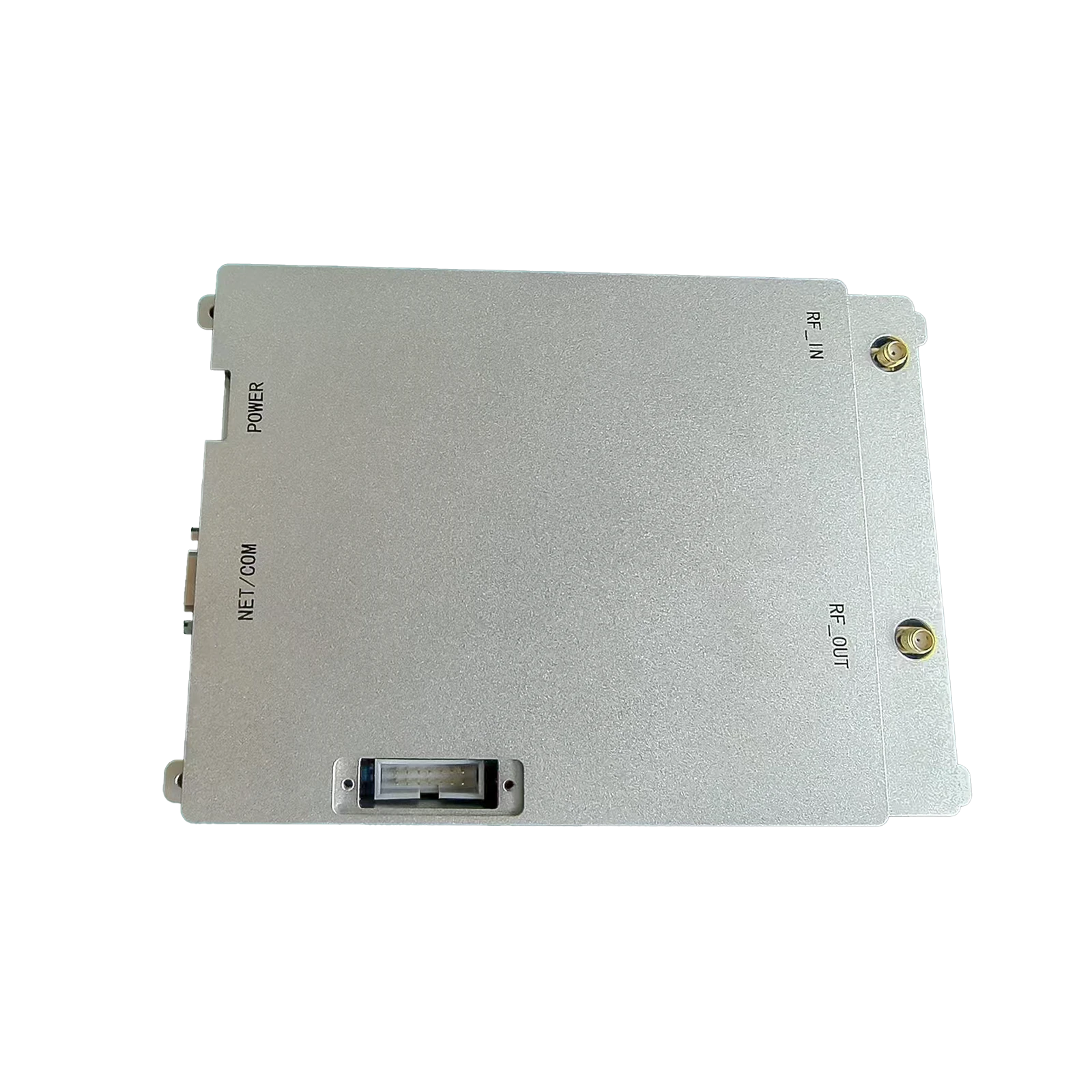
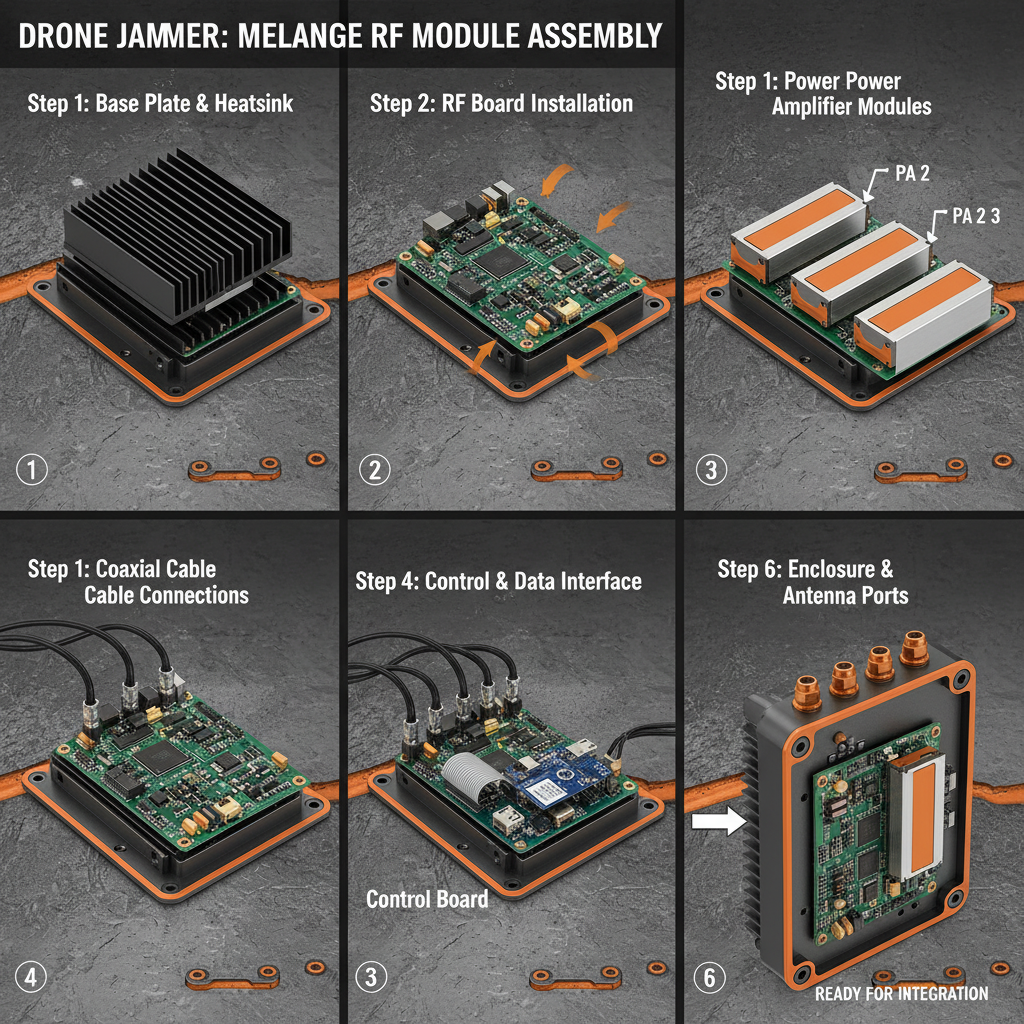
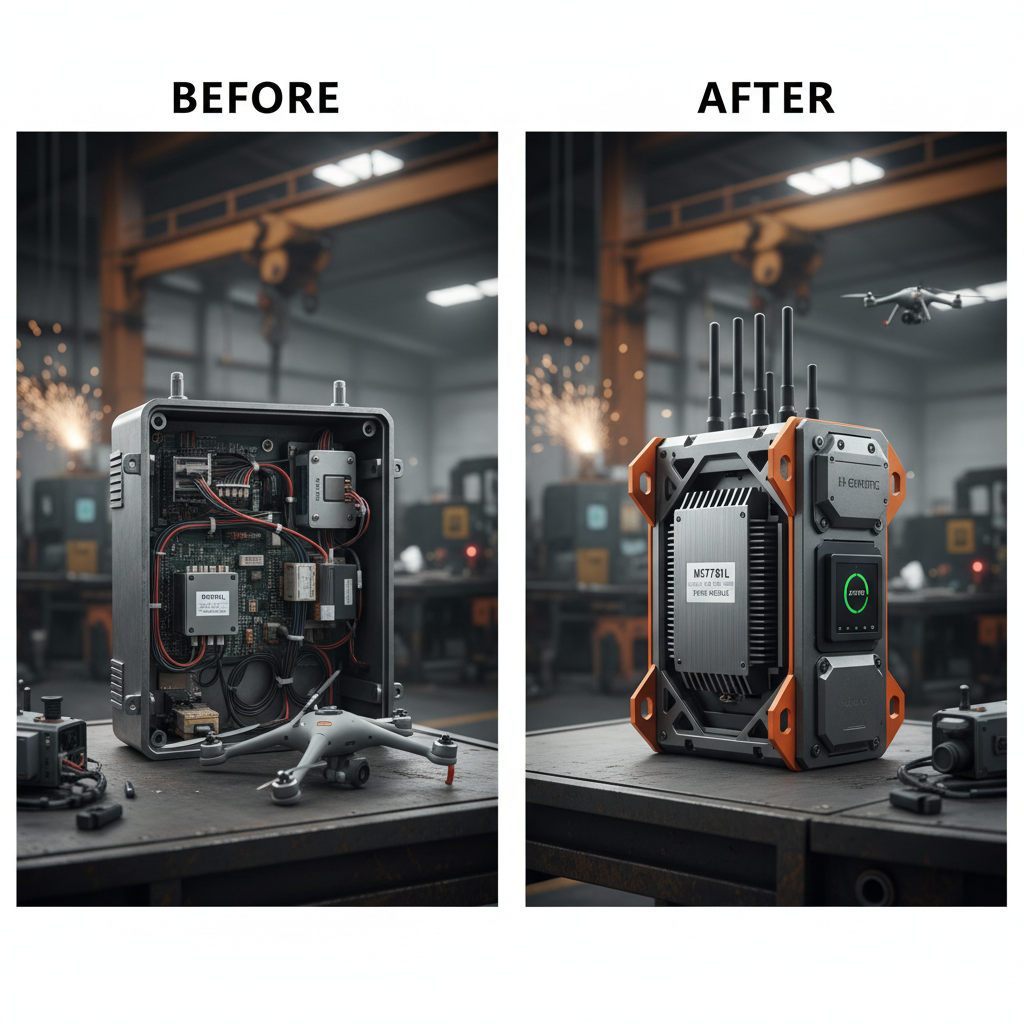
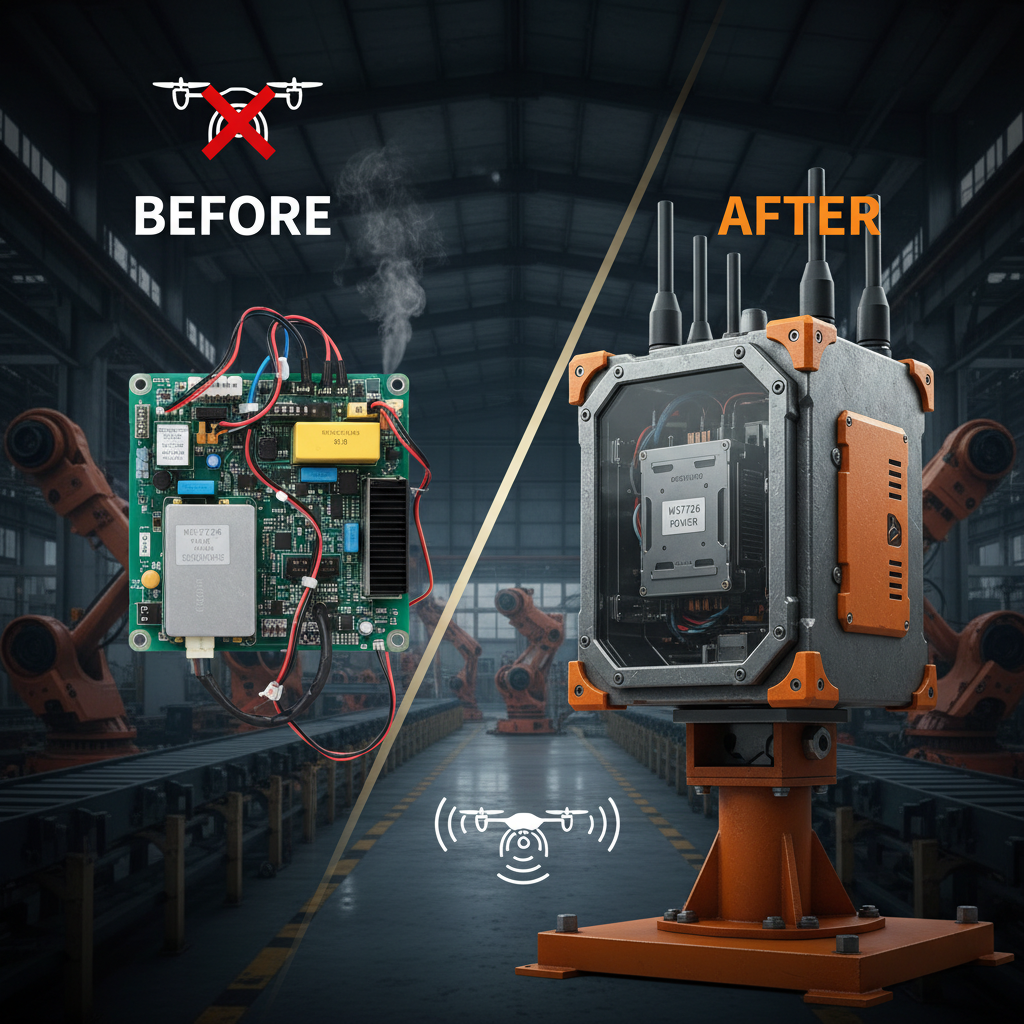
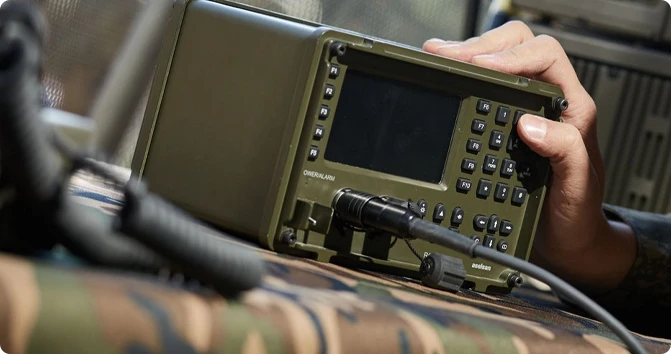
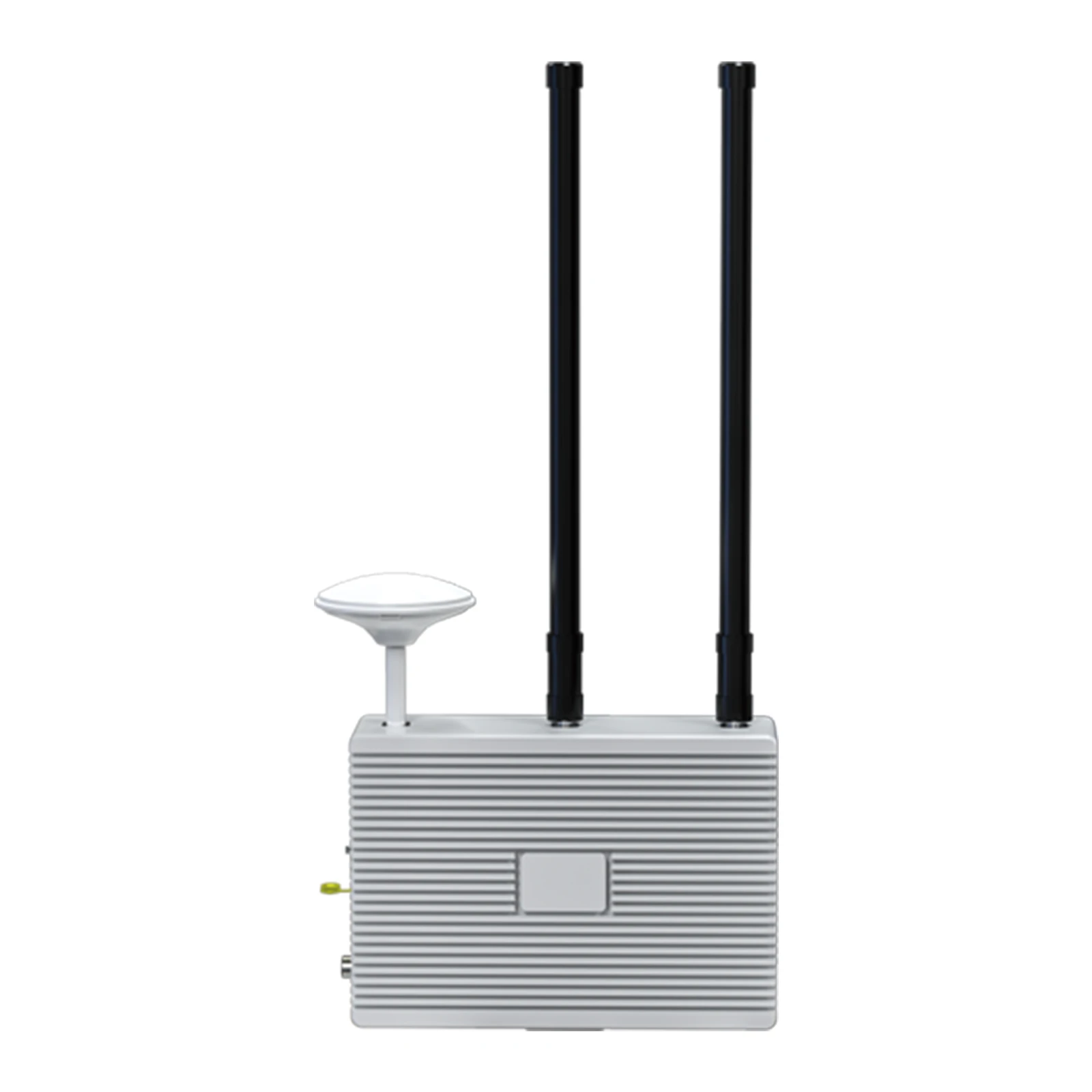
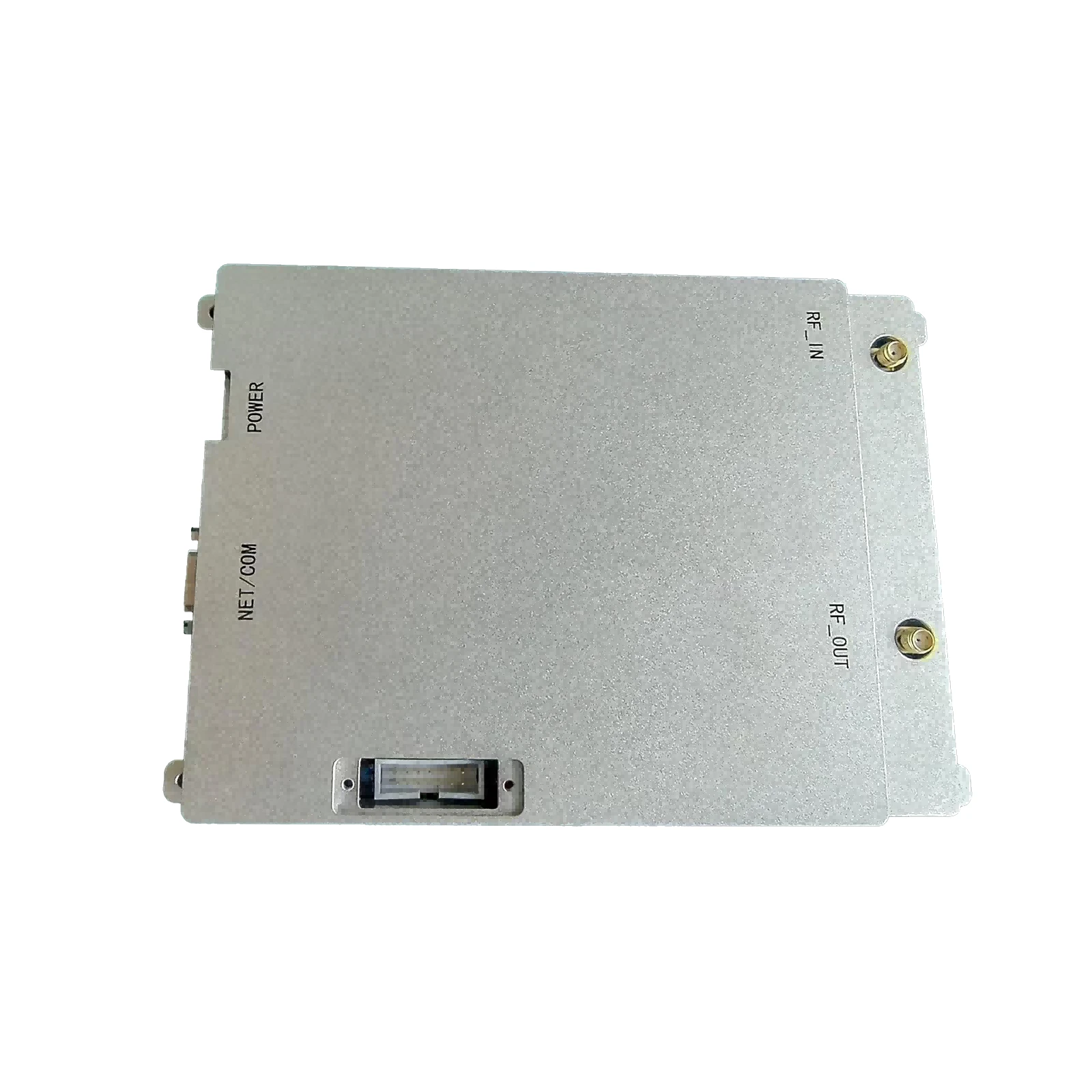
If you’ve been anywhere near modern UAVs, robotics, or mobile sensing, you know the link is the product. To be honest, radio has become software, and that’s where this Tx/Rx Module gets interesting. Built in Longgang District, Shenzhen—where supply chains move faster than traffic at 2 a.m.—it’s a spoofing-capable transceiver that ships with communication protocols, supports self-developed system design, and even arrives with full system solutions. In plain English: it talks, it listens, and it plays well with your stack.
Industry snapshot
Trends? Spectrum agility, edge encryption, and modular SDR blocks. Many customers say procurement now favors open protocols over lock-in. Actually, the market is splitting: ultra-secure links for defense/public safety, and highly integrated, cost-aware links for commercial drones. Shenzhen vendors, surprisingly, are outperforming on lead time and custom form factors.
Core specs (quick take)
| Frequency bands | UHF/L/S/C (≈300 MHz–6 GHz, region-dependent) |
| Channel bandwidth | 1–20 MHz (selectable) |
| Waveforms | OFDM, QPSK/16QAM; FEC options |
| Output power | Up to ≈2 W (configurable, regional limits apply) |
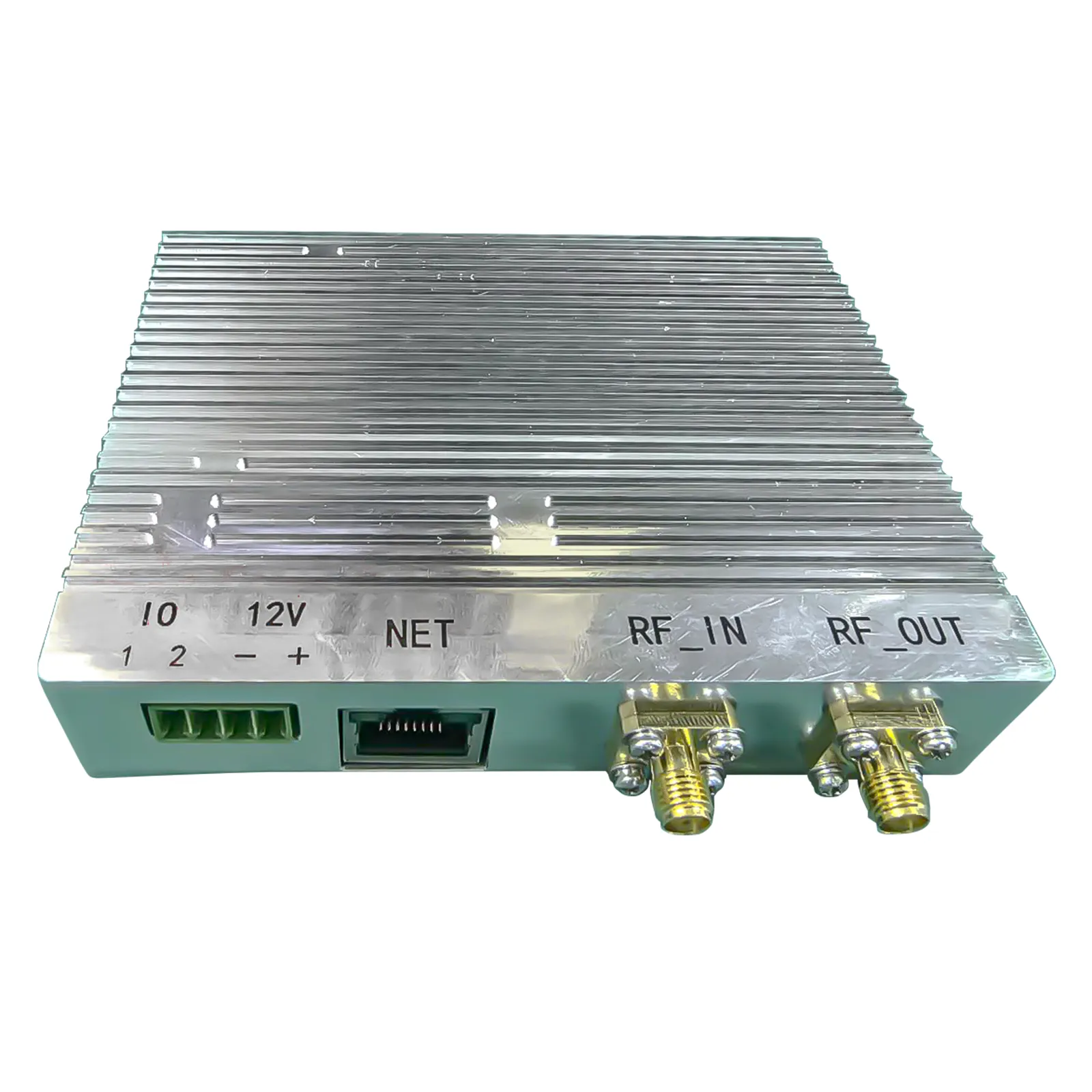
| Interfaces | UART/SPI/CAN, Ethernet, GPIO trigger |
| Security | AES‑256 (optional), rolling keys, whitelist/blacklist |
| Latency | ≈20–80 ms one‑way (real-world use may vary) |
| Operating temp | ‑20°C to +60°C typical |
| Certs/standards | Designed for FCC/CE/ETSI; EMC per CISPR 32; vibe per MIL‑STD‑810 |
Applications and advantages
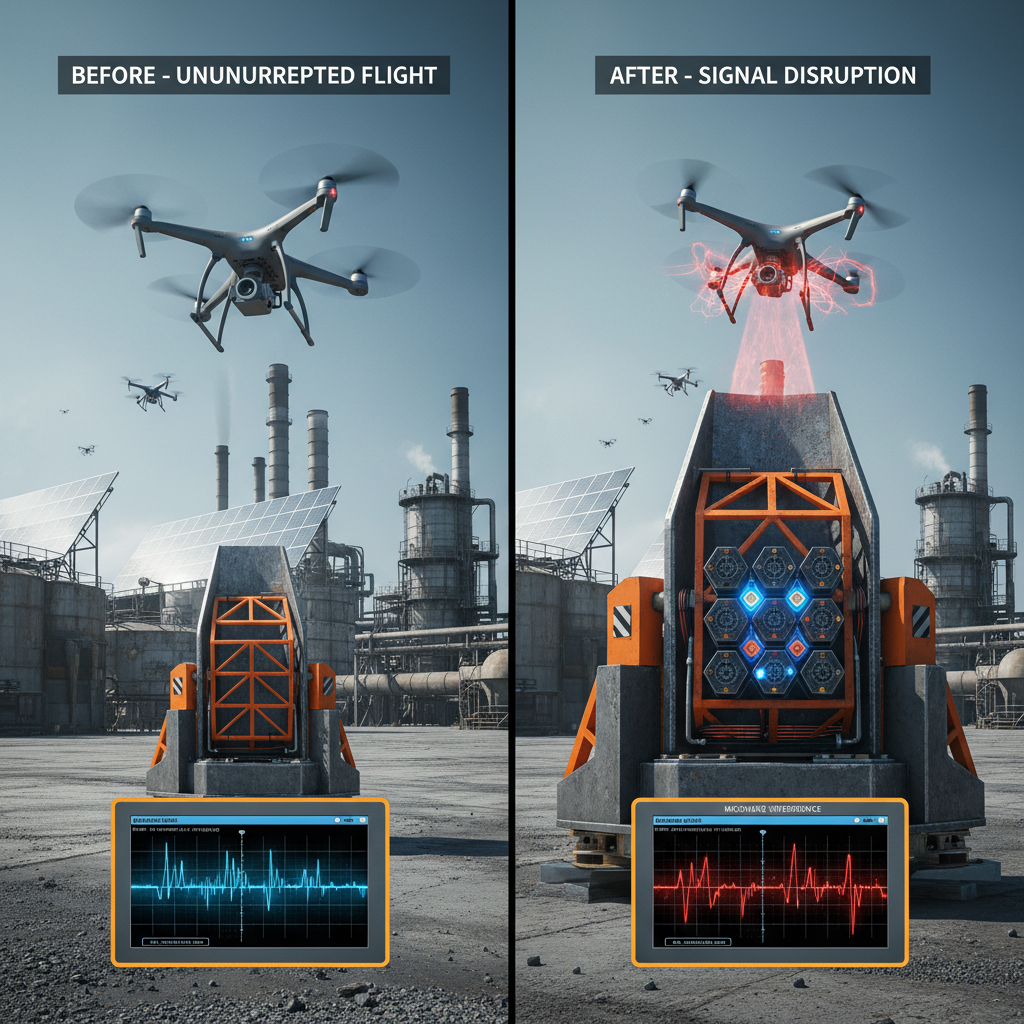
Use cases span BVLOS drone telemetry, anti-spoofing research, robotics fleets, energy inspection, emergency comms, and mobile test rigs. The big wins: protocol openness, fast integration, and spoofing/decoy modes for red-team testing. In fact, integrators tell me setup time dropped from weeks to days.
Process flow and quality
- Materials: RF front-end on GaAs/SiGe, shielded PCB, conformal coating for humidity.- Methods: SMT reflow, AOI/AXI inspection, RF tuning, firmware load, burn-in (48–72 h).
- Testing: Anechoic chamber S-parameters, EVM/BER, conducted/radiated EMC, vibe/thermal cycling (per MIL‑STD‑810G), regional RF masks (ETSI EN 300 328 / FCC Part 15).
- Expected service life: ≈5–7 years with normal duty cycles and passive cooling.
- Industries: defense R&D, public safety, utilities, logistics, UAV/UGV OEMs.
Vendor comparison (shortlist)
| Vendor | Frequency agility | Openness | Security | Lead time | Cost |
|---|---|---|---|---|---|
| Drone‑System Tx/Rx Module | Wide (UHF–C) | SDK + protocol docs | AES‑256 option | ≈2–4 weeks | Value‑focused |
| US Brand A | Mid (L/S) | Closed firmware | FIPS options | 8–12 weeks | Premium |
| EU Brand B | Wide (UHF–C) | Partial APIs | TLS/IPsec | 4–6 weeks | Mid‑high |
Customization
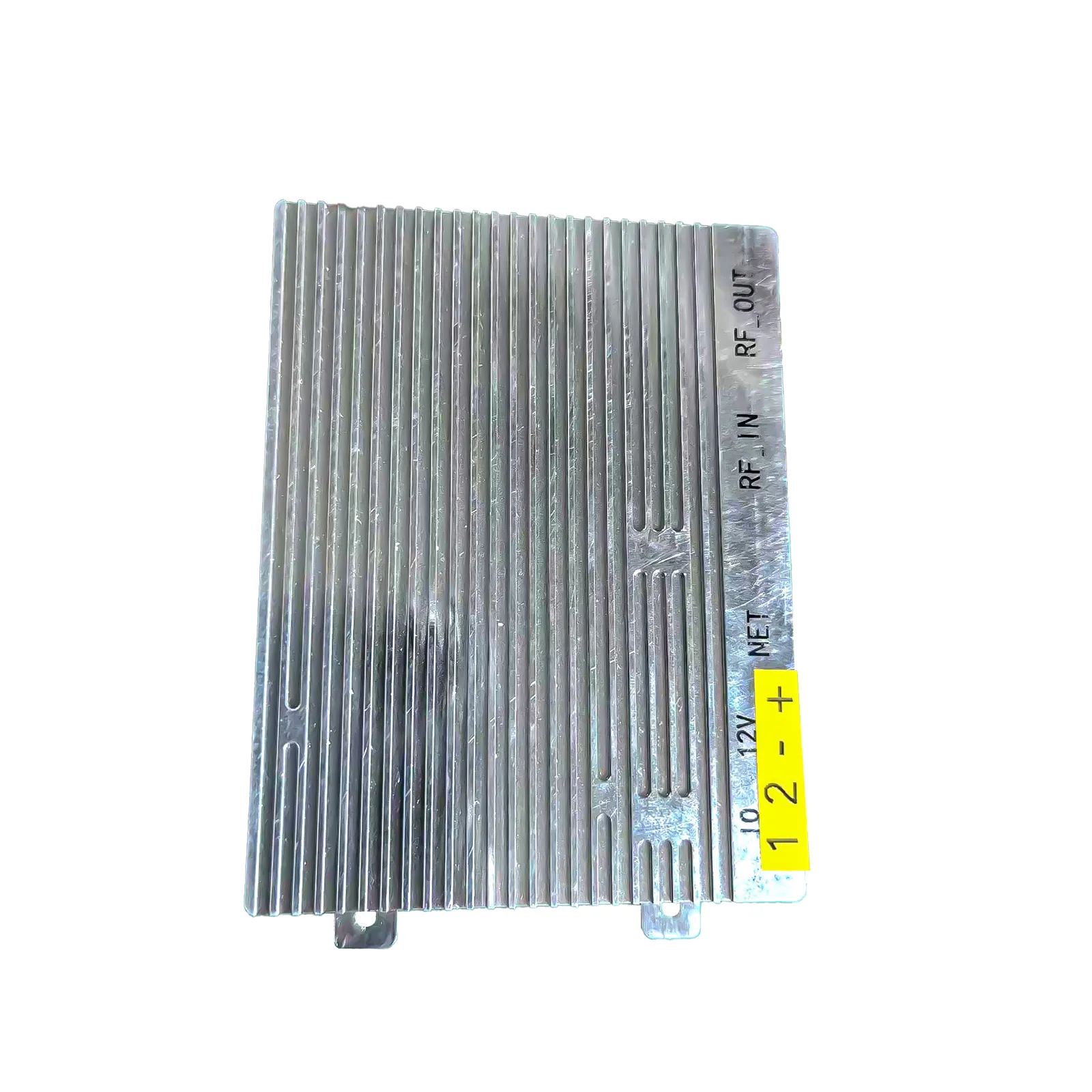
Pick your I/O (UART/CAN/Ethernet), antenna connectors (SMA/MMCX), firmware features (whitelisting, spoofing profiles), and thermal options. OEMs often request size tweaks to fit gimbal bays—frankly, Shenzhen shops turn those around fast.
Field notes and mini case studies
- Utility drones: A power company reported stable telemetry at ≈12 km LOS with PER
Note: Performance depends on antenna gain, local regulations, and RF environment. Always validate against your regional standards.
Standards and references

-
 09 March 2021 16 Apr 2026
 -
 09 March 2021 09 Apr 2026
 -
 09 March 2021 07 Apr 2026
 -
 09 March 2021 04 Apr 2026
 -
 09 March 2021 31 Mar 2026
-
 09 March 2021 21 May 2025
 -
 09 March 2021 25 Dec 2024
 -
 09 March 2021 14 Oct 2022
-
 09 March 2021 25 Dec 2024
 English
  Arabic
  Belarusian
  Danish
  Dutch
Dutch  French
  German
  Greek
Greek  Japanese
  Korean
  Myanmar
  Polish
  Portuguese
  Russian
  Spanish
  Swedish
  Thai
Thai  Ukrainian
  Vietnamese