

Mobile Radio Signal Detector Units
In an era where wireless communication dominates, the ability to detect RF signals efficiently has become critical for professionals across industries. Mobile radio signal detector units, particularly handheld or portable models, are revolutionizing field operations by offering real-time insights into radio frequency environments. This article explores the transformative role of these devices, focusing on their design, applications, and practical benefits.
Remote Frequency Detector: Compact Solutions for On-the-Go Operations
A remote frequency detector is engineered for mobility, combining lightweight design with robust functionality. These devices are indispensable for technicians, security personnel, and emergency responders who require immediate access to RF data in dynamic environments. For instance, during infrastructure inspections, a radio frequency sniffer can swiftly identify signal interference sources without requiring bulky equipment.
The primary advantage of a portable radio frequency detection device lies in its adaptability. Whether deployed in urban settings to locate unauthorized transmissions or used in remote areas to monitor wildlife tracking systems, these tools provide actionable data within seconds. Their user-friendly interfaces ensure that even non-experts can operate them effectively, making them ideal for collaborative field teams.
Moreover, modern remote frequency detectors integrate advanced filtering algorithms to distinguish between legitimate signals and noise. This capability is particularly valuable in crowded RF environments, such as industrial complexes or event venues, where overlapping frequencies can complicate diagnostics. By prioritizing accuracy and portability, these devices empower users to make informed decisions on-site.
Radio Frequency Sniffer: Precision in Signal Identification
The term radio frequency sniffer might evoke images of specialized espionage gear, but these devices serve practical, everyday purposes. For example, property managers use them to detect hidden cameras or unauthorized listening devices, ensuring privacy in rental spaces. Similarly, telecom companies rely on sniffers to troubleshoot network coverage gaps during tower installations.
What sets a high-quality radio frequency detection device apart is its sensitivity. Advanced models can pinpoint weak or intermittent signals, a feature crucial for identifying intermittent interference in critical systems. In healthcare settings, this precision helps maintain the integrity of wireless medical devices, while in aviation, it ensures seamless communication between ground control and aircraft.
Another underrated application of radio frequency sniffers is in environmental monitoring. Researchers employ these tools to study electromagnetic pollution levels in urban areas, contributing to public health studies. By delivering granular insights into RF landscapes, sniffers bridge the gap between technical analysis and real-world problem-solving.
Radio Frequency Detection Device: Versatility Across Industries
From construction sites to disaster response zones, the radio frequency detection device has emerged as a multipurpose tool. In construction, contractors use these units to locate underground cables before excavation, preventing costly accidents. During disaster relief operations, responders leverage them to reestablish communication lines in infrastructure-deprived areas.
The agricultural sector also benefits from RF detection technology. Farmers deploying IoT-based irrigation systems rely on portable detectors to ensure sensors transmit data reliably across vast fields. Meanwhile, law enforcement agencies use these devices to detect illegal jammers or unlicensed transmitters, upholding regulatory compliance.
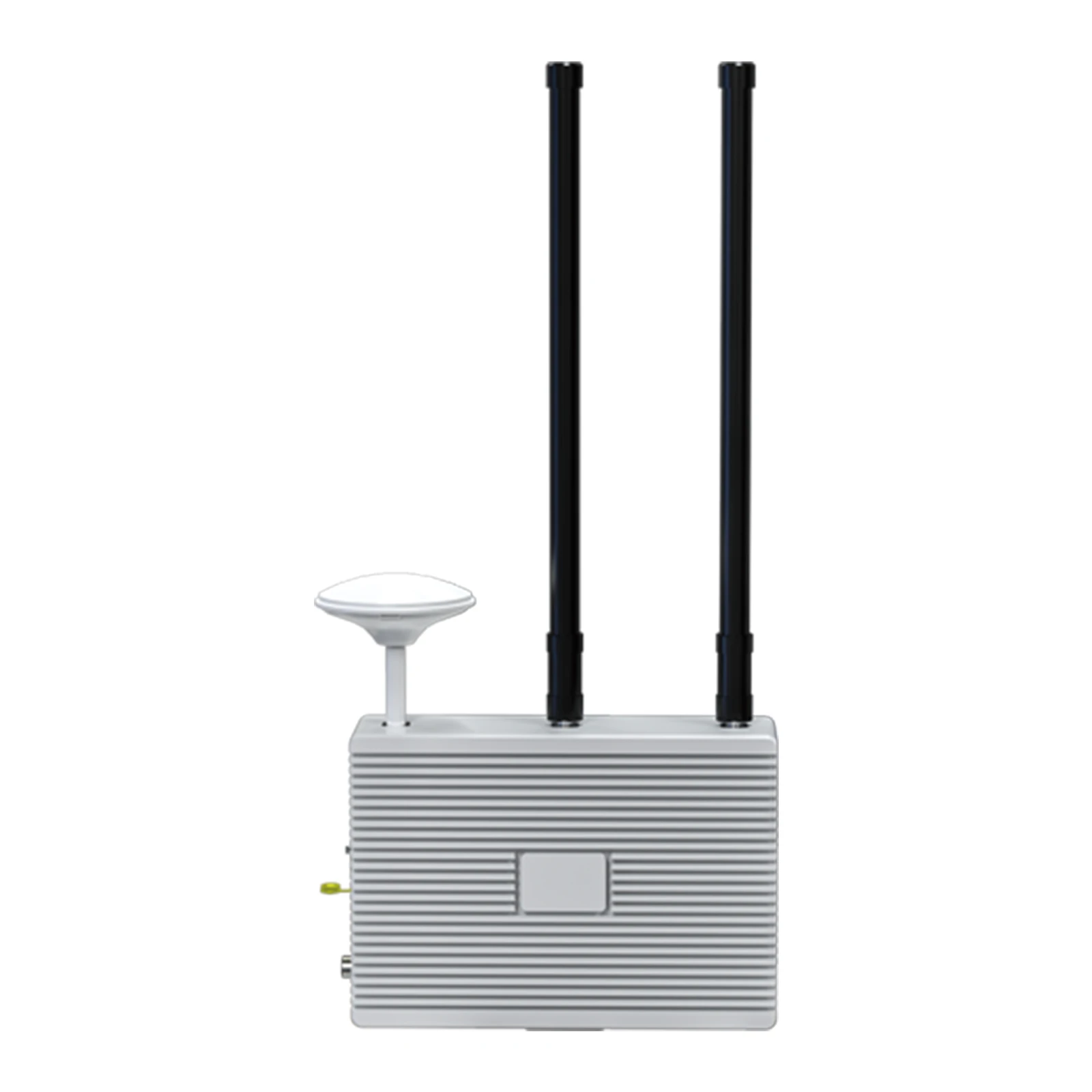
A key strength of modern radio frequency detection devices is their compatibility with supplementary accessories. Antenna upgrades, for instance, extend their range for large-scale surveys, while ruggedized cases protect them in harsh environments. This modularity ensures longevity, allowing users to adapt the tool to evolving needs without frequent replacements.
Detect RF Signals: Enhancing Safety and Efficiency
The ability to detect RF signals transcends technical utility—it directly impacts safety and operational efficiency. In manufacturing plants, identifying rogue emissions from machinery prevents equipment malfunctions and production delays. For event organizers, scanning venues for signal congestion ensures uninterrupted Wi-Fi and audio systems during conferences or concerts.
Personal users also find value in RF detection. Homeowners concerned about smart home device vulnerabilities can use handheld detectors to audit their networks for intrusions. Travelers, too, benefit by verifying the security of public Wi-Fi hotspots, mitigating risks of data theft.
Ultimately, the proliferation of wireless technologies demands tools that simplify RF management. By investing in a reliable radio frequency sniffer or detection device, individuals and organizations alike gain control over their electromagnetic environments, fostering safer and more efficient workflows.
Mobile Radio Signal Detector Units FAQs
How does a remote frequency detector enhance daily field operations?
A remote frequency detector streamlines tasks like locating interference sources or verifying signal presence, reducing downtime. Its portability allows technicians to conduct surveys without returning to a base station, accelerating project timelines.
Can a radio frequency sniffer identify unauthorized devices at home?
Yes. A radio frequency sniffer scans for hidden transmitters, such as covert cameras or eavesdropping tools, making it invaluable for privacy-conscious users. Regular sweeps ensure living or working spaces remain secure.
Why choose a handheld radio frequency detection device over fixed systems?
Handheld models offer unmatched flexibility. Unlike fixed systems, they can be deployed anywhere—indoors, outdoors, or in transit—providing real-time feedback for immediate action.
What industries benefit most from RF signal detection tools?
Telecom, security, aviation, and agriculture are primary beneficiaries. These sectors rely on detecting RF signals to maintain operational integrity, safety, and regulatory compliance.
How do I maintain a radio frequency sniffer for long-term use?
Avoid exposing the device to extreme temperatures or moisture. Regularly calibrate it using manufacturer guidelines and store it in a protective case when not in use.
For professionals seeking dependable mobile radio signal detector units, our website offers a curated selection of industry-grade tools tailored to diverse needs. Explore our range today to find the perfect solution for your field operations.

-
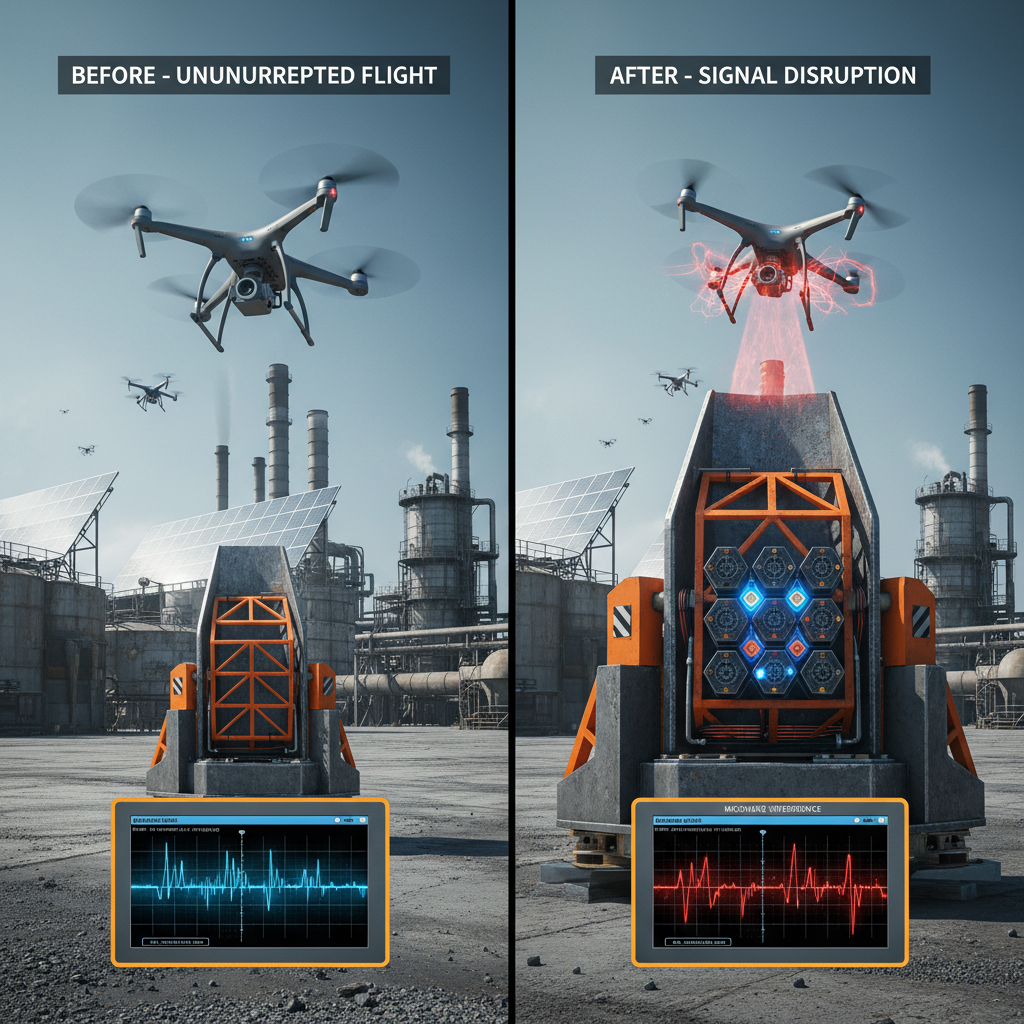 09 March 2021 16 Apr 2026
 -
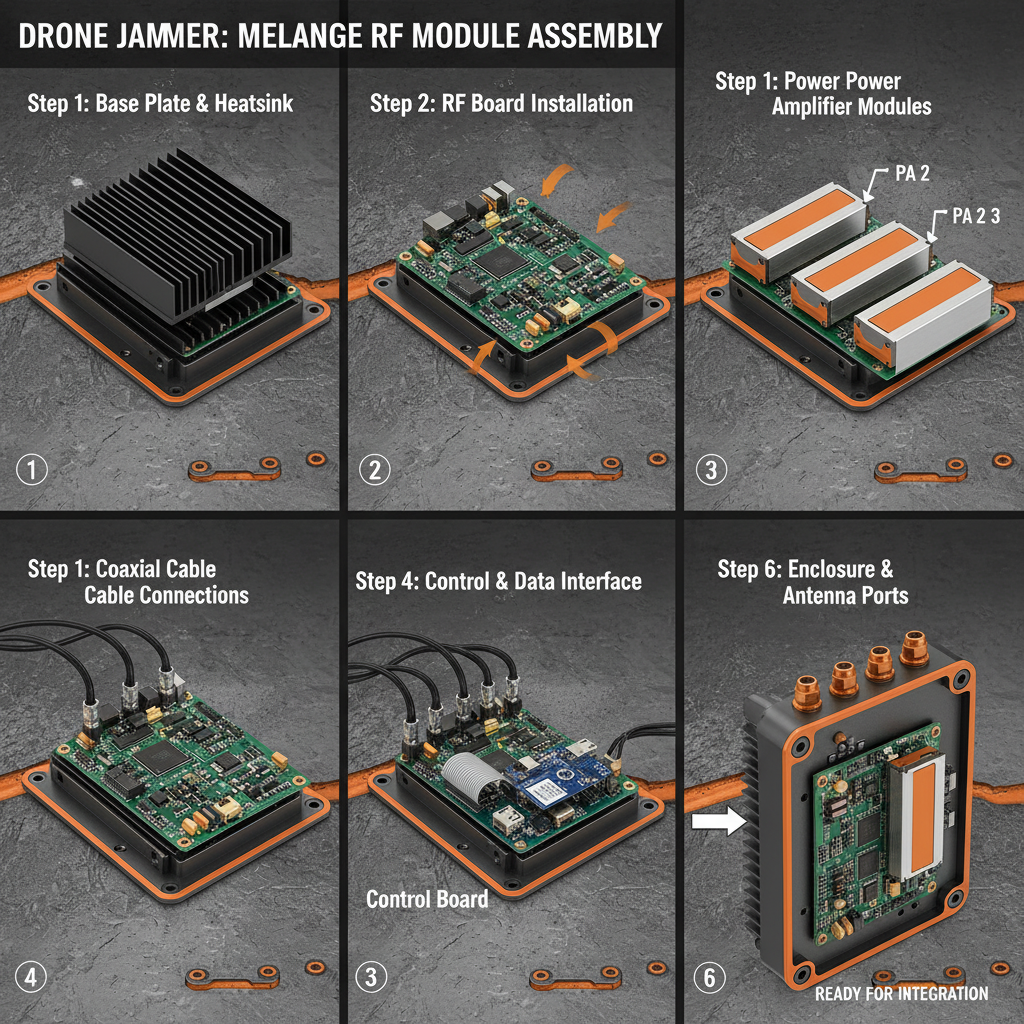 09 March 2021 09 Apr 2026
 -
 09 March 2021 07 Apr 2026
 -
 09 March 2021 04 Apr 2026
 -
 09 March 2021 31 Mar 2026
-
 09 March 2021 21 May 2025
 -
 09 March 2021 25 Dec 2024
 -
 09 March 2021 14 Oct 2022
-
 09 March 2021 25 Dec 2024

 English
  Arabic
  Belarusian
  Danish
  Dutch
Dutch  French
  German
  Greek
Greek  Japanese
  Korean
  Myanmar
  Polish
  Portuguese
  Russian
  Spanish
  Swedish
  Thai
Thai  Ukrainian
  Vietnamese