

Mobile RF Amplifiers: Boosting Connectivity Anytime, Anywhere
The Mobile RF Amplifier: Why It’s More Relevant Than Ever
At its core, the mobile RF amplifier is a device that boosts radio frequency signals on the move. While that might sound niche and frankly a bit technical, its influence is quite broad — spanning from emergency communications in disaster zones to the backbone of mobile internet coverage in remote locations.
Global reliance on wireless communication skyrockets every year. According to the International Telecommunication Union (ITU), over 5 billion people use mobile phones worldwide, and data consumption is doubling roughly every two years. So, optimizing signal strength with tools like mobile RF amplifiers isn’t just convenient; it’s vital. Understanding how these amplifiers work and their role helps industries stay connected — literally — and keep the world turning smoothly.
Mobile RF Amplifiers in a Global Context
Looking at a bigger picture, mobile RF amplification technology addresses several crucial challenges globally. For one, large portions of the population in rural or harsh environments suffer from patchy coverage or outright signal blackouts. The World Bank reiterates that digital inclusion is a significant driver of economic opportunity — but what happens if your signal is weak or entirely absent?
Moreover, in humanitarian emergencies — think earthquakes or floods — communication lines often collapse. Emergency responders rely on rapidly deployable mobile RF amplifiers to restore communication links, enabling coordination and saving lives. The technology also ties into the global push for IoT (Internet of Things) and 5G connectivity, where signal amplification on mobile platforms is often indispensable.
Mini takeaway:
- Mobile RF amplifiers support connectivity in underserved areas.
- They enable emergency and industrial communications.
- Their role is becoming critical with the growth of 5G and IoT.
What Exactly Is a Mobile RF Amplifier?
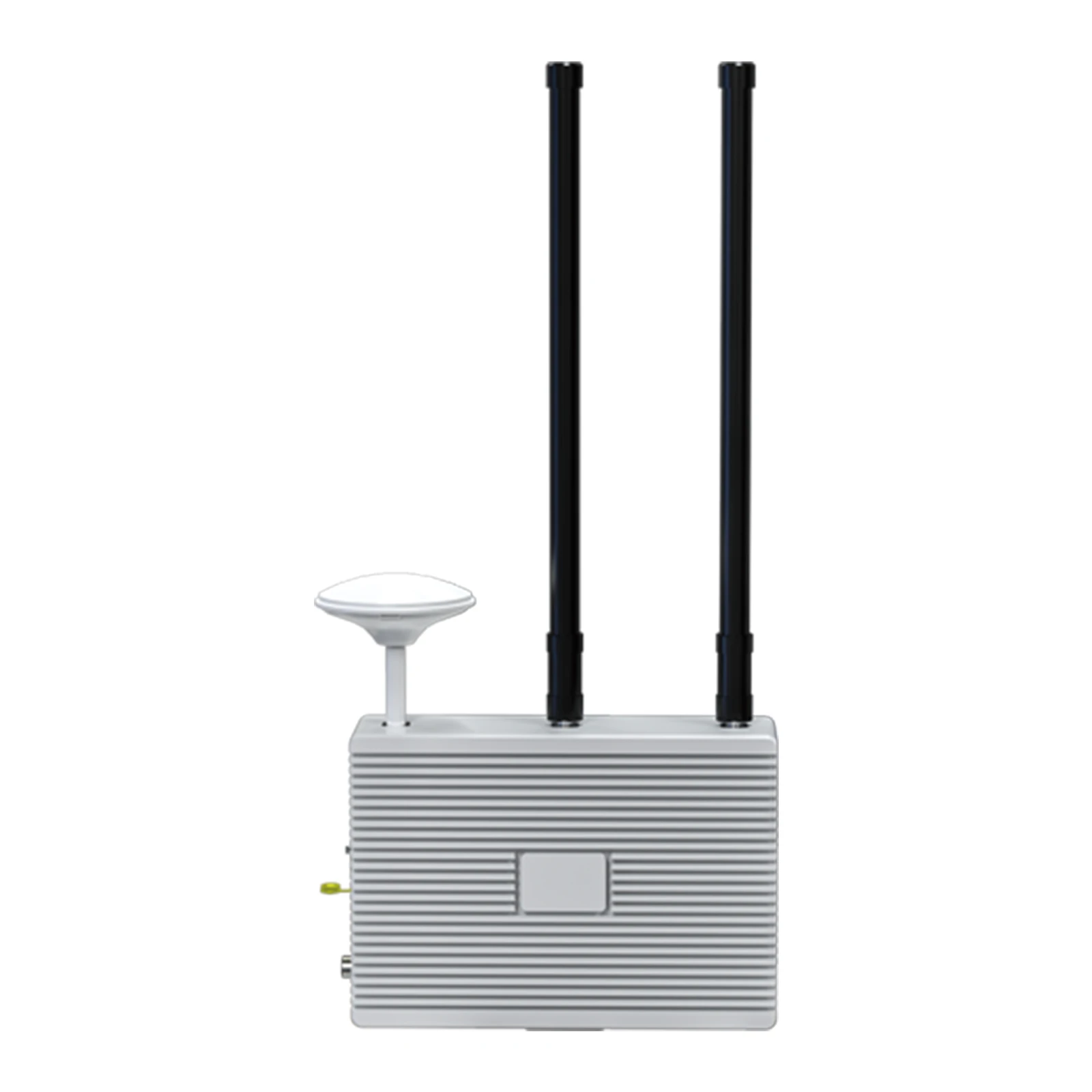
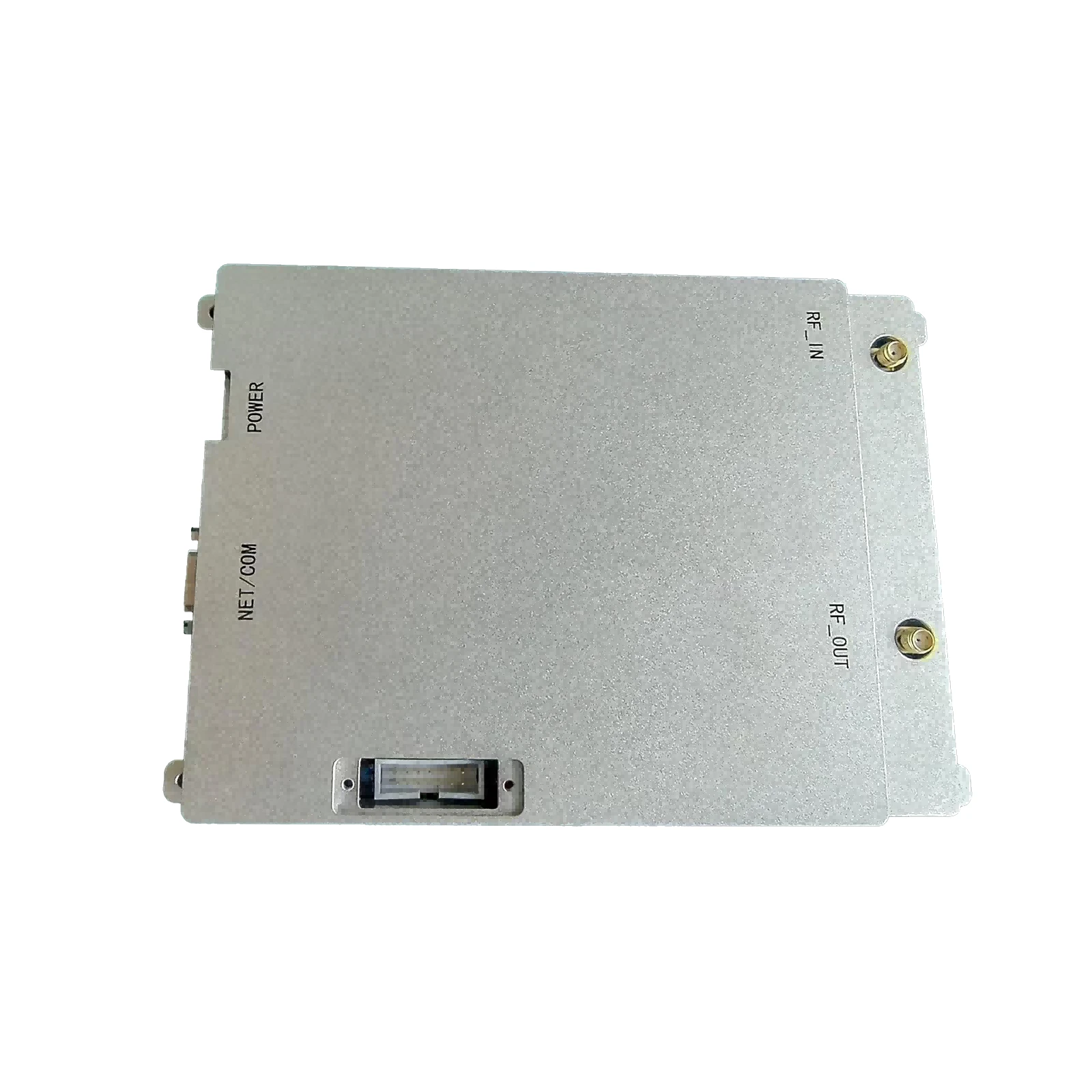
Simply put, a mobile RF amplifier is an electronic device designed to amplify or strengthen radio frequency signals while being portable or mounted on mobile platforms — vehicles, drones, or temporary communication units. Unlike fixed amplifiers installed in cell towers, these are flexible, rugged, and ready to roll wherever the signal needs a boost.
They’re engineered to operate over specific frequency bands pertinent to cellular, satellite, or WiFi networks. Think of them as power-ups for your mobile signal, making weak transmissions stronger and clearer. In industries ranging from telecom to defense, and humanitarian logistics to mining, these amplifiers ensure devices communicate reliably.
Mini takeaway:
- Mobile RF amplifiers boost radio signals on-the-go.
- They operate across multiple frequency ranges.
- Used in critical industrial, commercial, and humanitarian communication.
Core Features that Define a Reliable Mobile RF Amplifier
1. Durability and Environmental Resistance
Since mobile RF amplifiers are often deployed outdoors or on vehicles, they need to withstand harsh weather, dust, and vibrations. Most units come with ruggedized casing, IP ratings (like IP65 or IP67), and temperature tolerance from subzero to scorching hot.
2. Power Efficiency
Energy consumption is no joke, especially in remote deployments. Top-tier mobile RF amplifiers optimize gain without unnecessary power draws. Engineers often integrate power-saving modes or use highly efficient components to extend operational hours with limited battery or fuel supply.
3. Frequency Band Compatibility
Because mobile networks operate on different bands around the world, adaptability is key. Amplifiers must support multiple frequency bands or be quickly configurable to fit local telecommunication standards.
4. Scalability and Easy Deployment
Modular designs allow for quick scaling — adding more amplifiers to cover larger areas or boosting specific frequency ranges. Rapid installation minimizes downtime, essential in fast-paced scenarios like disaster relief or military operations.
5. Signal Clarity and Low Noise Figure
Amplifiers do more than just increase power; they must preserve signal integrity. A low noise figure means they introduce minimal distortion, ensuring clear voice and data transmissions.
Mini takeaway:
- Top mobile RF amplifiers are rugged, efficient, and adaptable.
- Easy scalability and clean signal handling enhance real-world use.
Where Mobile RF Amplifiers Make Their Mark Worldwide
It’s odd how some technologies fly under the radar, but these amplifiers play starring roles all over. In sub-Saharan Africa, where cellular towers are sparse, NGOs use mobile RF amplifiers in mobile RF amplifier kits to build pop-up communication hubs. This dramatically improves healthcare outreach and emergency alerts in rural communities.
In Southeast Asia, industries like oil and gas rely on rugged amplifiers mounted on vehicles to sustain communications in jungles or offshore platforms. And during natural disasters — whether the recent hurricanes in the Americas or earthquakes in Asia — the Red Cross and similar groups deploy these devices to revive communication lines quickly.
Even modern drone fleets now incorporate mobile RF amplifiers to extend command-and-control links, making remote inspection and delivery missions smoother and safer.
Example Use Case: Post-Disaster Communication Restoration
After the 2019 cyclone in Mozambique, emergency teams used mobile RF amplifiers to set up temporary relay stations. Within days, connectivity restored to crucially disconnected regions, facilitating coordinated evacuation and resource delivery.
Mini takeaway:
- Mobile RF amplifiers empower connectivity in rural, industrial, and disaster-hit areas.
- NGOs, industry leaders, and governments rely on them extensively.
Advantages and Lasting Impact of Mobile RF Amplifiers
The benefits go beyond just stronger signals. First, they deliver immediate cost savings: deploying a mobile RF amplifier is often cheaper than erecting a new cell tower. Plus, their transportable nature offers unmatched flexibility.
From a sustainability standpoint, many modern amplifiers incorporate green technologies like solar power compatibility or low-energy circuits — an important angle given rising environmental concerns.
Not to mention the social impact. Reliable communication means improved safety, better emergency response, educational access, and dignity for marginalized communities. For enterprises, that translates into increased productivity, innovation potential, and trustworthiness.
Mini takeaway:
- Cost-effective and sustainable with long-term social benefits.
- Enhances safety, access to information, and industrial efficiency.
On the Horizon: Future Trends in Mobile RF Amplification
Tech advances won’t slow here. Researchers are developing lightweight, flexible amplifiers with advanced semiconductor materials like gallium nitride (GaN), promising higher efficiency and wider bandwidths.
We’re also seeing AI-driven adaptive amplifiers that dynamically adjust gain based on signal environment — smart and efficient. And centralized, cloud-managed amplifier networks could soon make deployment a breeze.
Plus, increased focus on sustainability means more power-efficient systems powered by renewable energy or integrated with energy-harvesting tech.
Common Challenges & How They're Overcome
Obviously, no tech is perfect. Signal interference from adjacent frequency bands can degrade amplifier effectiveness. To fix this, engineers apply filtering technologies or use directional antennas.
Power constraints remain a hurdle in remote areas but integrating solar or kinetic energy harvesting helps extend operation time.
There’s also the issue of balancing amplification with regulatory compliance. Governments restrict maximum output power for health and safety, requiring careful system design and certification.
Product Specification Table: Sample Mobile RF Amplifier
| Specification | Details |
|---|---|
| Frequency Range | 700 MHz – 2700 MHz |
| Gain | 40 dB ±1 dB |
| Noise Figure | |
| Power Consumption | 15 W typical |
| Operating Temperature | -40 °C to +60 °C |
| Weight | 1.8 kg |
Vendor Comparison for Mobile RF Amplifier Solutions
| Vendor | Frequency Coverage | Power Output | Deployment Type | Price Range |
|---|---|---|---|---|
| AmpTech Solutions | 600 MHz – 3000 MHz | Up to 20W | Vehicle-mounted & Portable | $$$ |
| SignalBoost Corp | 700 MHz – 2600 MHz | 15W | Backpack & Drone-mounted | $$ |
| MobilePulse Inc | 800 MHz – 3500 MHz | 10W | Rapid Deploy Kits | $$$$ |
Frequently Asked Questions About Mobile RF Amplifiers
1. What types of devices can benefit from a mobile RF amplifier?
Basically, any device relying on radio frequency signals in areas with weak coverage—smartphones, radios, drones, and IoT sensors—can benefit. Portable amplifiers boost signal strength without needing permanent infrastructure, making them ideal for fieldwork or emergency setups.
2. How quickly can mobile RF amplifiers be deployed in disaster zones?
Deployment time varies but many modern amplifiers are designed for rapid setup—often within an hour. Their modular and lightweight design allows emergency teams to establish communication hubs swiftly, restoring critical links in early response phases.
3. Are mobile RF amplifiers compatible with 5G networks?
Many are, especially the latest models supporting frequency bands used by 5G. However, it’s important to check specific band compatibility since 5G operates across a range of frequencies that may differ by region.
4. Can mobile RF amplifiers operate on renewable energy sources?
Absolutely. Numerous units integrate with solar panels or have batteries optimized for renewable charging. This is particularly useful in remote locations lacking regular power supply, promoting sustainability along with connectivity.
5. What are the maintenance requirements for mobile RF amplifiers?
Maintenance is typically minimal but should include regular cleaning of connectors, firmware updates if applicable, and battery checks. Ruggedized models are built to minimize downtime, but periodic inspections extend lifespan and performance.
Wrapping Up: Why Mobile RF Amplifiers Matter Long-Term
The mobile RF amplifier isn’t just a piece of hardware tucked away in some telecom corner. It’s a linchpin for expanding connectivity, bridging gaps between urban centers and those remote spots where life still goes on — often under tougher conditions. It supports emergency response, fuels industrial productivity, and helps close digital divides with tangible tech.
If you’re curious to explore the latest in mobile RF amplification technology or need tailored solutions to amplify your signal footprint, take a moment to visit our website. There’s plenty happening in this space, and frankly, you never know when a stronger signal could be a real lifesaver.
References

-
 09 March 2021 16 Apr 2026
 -
 09 March 2021 09 Apr 2026
 -
 09 March 2021 07 Apr 2026
 -
 09 March 2021 04 Apr 2026
 -
 09 March 2021 31 Mar 2026
-
 09 March 2021 21 May 2025
 -
 09 March 2021 25 Dec 2024
 -
 09 March 2021 14 Oct 2022
-
 09 March 2021 25 Dec 2024

 English
  Arabic
  Belarusian
  Danish
  Dutch
Dutch  French
  German
  Greek
Greek  Japanese
  Korean
  Myanmar
  Polish
  Portuguese
  Russian
  Spanish
  Swedish
  Thai
Thai  Ukrainian
  Vietnamese