

What is a Low Power RF Amplifier & Why It’s Crucial for Global Wireless Networks
Understanding the Low Power RF Amplifier: Why It Matters Globally
If you’ve ever fiddled with radios, Wi-Fi routers, or even remote sensors, there’s a chance you unknowingly relied on a low power RF amplifier at some point. These little devices might not appear glamorous, but they play a huge role in boosting signals — without draining too much energy or creating excess heat. As our world becomes increasingly connected, mastering low power RF amplifier technology means better communication, smarter devices, and ultimately, more efficient networks around the globe.
Globally, with an explosion of IoT devices and wireless sensors, the need for efficient low power RF amplification is soaring. The International Telecommunication Union (ITU) reports that wireless technology adoption is expanding at a breathless pace, placing immense demands on hardware to be compact, cost-effective, and energy-saving. By understanding the low power RF amplifier, industries can cater to these needs, making networks more reliable and devices more sustainable.
Setting the Stage: The Role of Low Power RF Amplifiers in Today’s Industry
Wi-Fi, Bluetooth, GPS, and cellular networks all rely on radio frequency (RF) signals. But these signals weaken with distance or interference. That’s where RF amplifiers — especially the low power variants — come in: they amplify weak signals without bloating energy budgets.
Consider this: By 2025, analysts predict there will be more than 75 billion connected devices worldwide (source: Statista). Nearly all require some form of wireless communication, often in energy-restricted environments like battery-powered gadgets or remote sensors. Without efficient, low power RF amplifiers, these devices would struggle to maintain signal clarity or drain batteries rapidly.
One major challenge here is balancing amplification strength with energy consumption. Industrial IoT parks in remote regions, for example, often operate off-grid, relying on solar or limited power sources. Using high-power RF amplifiers can be costly and unsustainable. The low power RF amplifier addresses this gap — providing just enough power boost while keeping energy requirements low.
What Is a Low Power RF Amplifier? Demystifying the Basics
Simply put, low power RF amplifiers are electronic circuits specifically designed to increase the strength of weak RF signals using minimal electrical power. They maintain the integrity of the original signal while expanding its reach, all without the bulk and heat typically associated with more powerful amplifiers.
Think of it as a subtle megaphone for your wireless signals — enhancing without overwhelming. They’re essential in environments where space, battery life, and heat dissipation are critical factors. Industries ranging from telecommunications to environmental monitoring heavily rely on these amplifiers to keep data flowing smoothly.
What makes them tick? Mostly specialized transistors and careful circuit design that targets optimal gain, low noise, and energy efficiency. You’ll find such amplifiers embedded inside everything from compact IoT sensors and wearable devices to base stations handling local network traffic.
Core Components of Low Power RF Amplifiers That Matter
1. Gain and Linearity
Gain is the amplifier's ability to boost a signal’s power, but it’s a double-edged sword — increasing gain too much can distort signals, leading to errors downstream. Linearity ensures the output signal’s shape mirrors the input, a critical factor for data integrity. The best low power RF amplifiers balance both, so signals stay clean without guzzling energy.
2. Noise Figure
In RF terms, noise figure measures unwanted signal interference introduced by the amplifier itself. A low noise figure means clearer communication, especially important in applications like long-range sensors or precise medical equipment.
3. Power Consumption
Since these amplifiers often serve battery-operated devices, minimizing power draw is non-negotiable. Engineers focus on semiconductor materials and circuit layouts that reduce energy waste, which prolongs device operation — sometimes for years without recharging!
4. Frequency Range
RF applications cover a vast spectrum: from MHz for legacy satellite comms to GHz ranges used in modern Wi-Fi and 5G. A versatile low power RF amplifier supports the frequency bands relevant to its target ecosystem, enhancing compatibility and reducing design complexity.
5. Physical Size & Thermal Management
Compactness is key. Devices shrink year-over-year, yet they shouldn’t overheat. Quality low power RF amplifiers incorporate clever packaging and heat dissipation techniques to keep cool, even with sustained use.
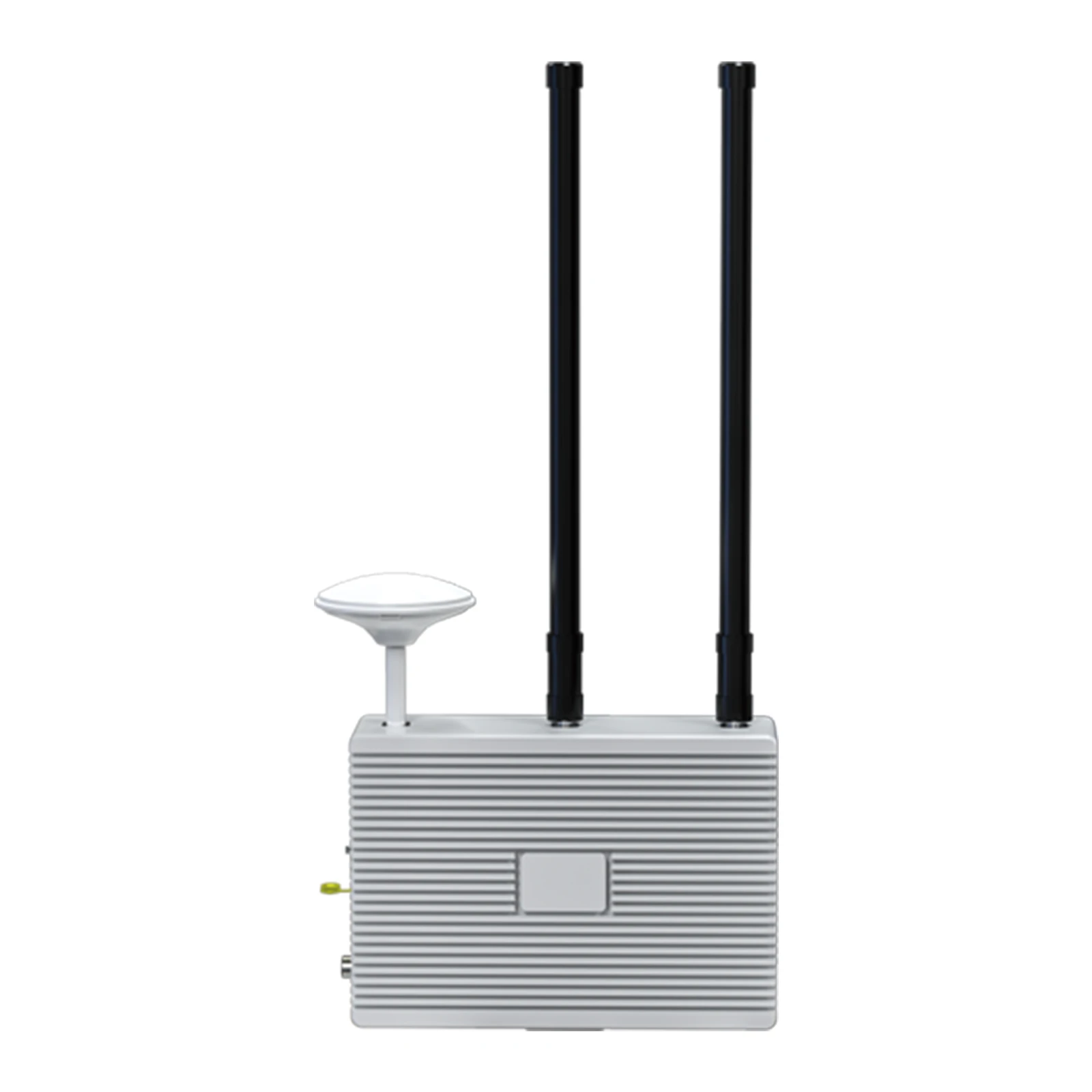
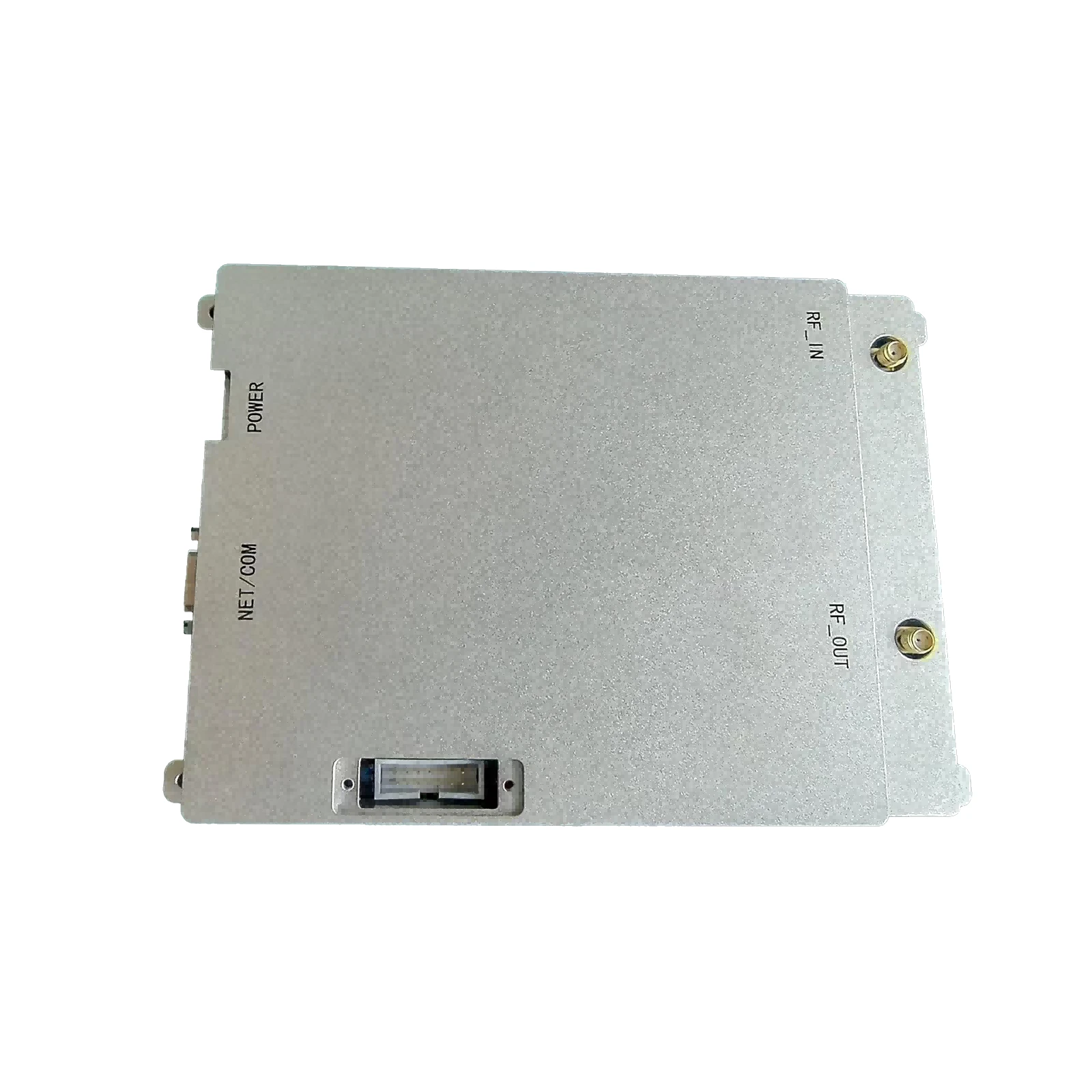
Product Specification: Example of a Low Power RF Amplifier Module
| Specification | Details |
|---|---|
| Frequency Range | 800 MHz – 2.4 GHz |
| Typical Gain | 15 dB |
| Noise Figure | |
| Supply Voltage | 3.3 V |
| Current Consumption | |
| Operating Temperature | -40 °C to 85 °C |
Who’s Using Low Power RF Amplifiers — Real-World Applications Around the Globe
It’s fascinating to see how these modest amplifiers find their way into diverse sectors worldwide. For example:
- Disaster Relief Networks: NGOs setting up temporary comms in remote disaster zones use low power RF amplifiers to extend the range of handheld radios and sensor networks, ensuring aid teams stay connected when it counts most.
- Smart Agriculture: In countries like Australia and Brazil, low power RF amplifiers enable IoT sensors to monitor crops and soil conditions remotely, often powered by solar arrays.
- Healthcare Wearables: Medical devices monitoring vital signs depend on these amplifiers to feed clear data to doctors without frequent battery changes.
- Urban IoT Infrastructure: Smart city deployments in Europe use low power RF amplification to maintain seamless mesh networks for traffic sensors, street lighting, and environmental monitoring.
So it's not just “radio geeks” who care — this tech quietly powers effectiveness far beyond the lab.
Comparing Industry Leaders: Low Power RF Amplifier Vendors & Their Offerings
| Vendor | Frequency Range (GHz) | Gain (dB) | Noise Figure (dB) | Typical Use Cases | Unique Strength |
|---|---|---|---|---|---|
| AlphaAmplify Inc. | 0.8 – 3.0 | 14 – 18 | 1.8 – 2.2 | Wearables, IoT Sensors | Ultra-low noise designs |
| EchoWave Solutions | 1.0 – 2.5 | 15 | 2.0 | Smart Cities, Agriculture | Great thermal stability |
| NextGen Amplifiers | 0.7 – 2.0 | 13 – 16 | Industrial Automation | Cost-effective, scalable modules |
Advantages and Long-Term Value of Low Power RF Amplifiers
There’s something quietly powerful about the low power RF amplifier’s mix of efficiency and performance. They don’t just amplify signals; they amplify opportunities — from extending network lifespans to enabling technology in places off the power grid. Here’s why they matter:
- Cost Efficiency: Lower power needs mean smaller batteries and less frequent maintenance, which translates to long-term savings.
- Sustainability: Reduced power consumption aligns perfectly with green technology initiatives and helps shrink carbon footprints in telecommunications.
- Reliability: Stable signal boosts ensure data integrity, vital in emergency services or health monitoring.
- Social Impact: Better, low-cost connectivity fuels education, healthcare, and economic inclusion in underserved regions.
Honestly, the safety and dignity aspect often goes unmentioned but is critical. When communications don’t drop out in a crisis or a health device reliably reports a critical alert, trust in technology—and the people behind it—grows.
Future Trends and Innovations on the Horizon
What’s next for low power RF amplifiers? The path points to intelligent automation, smarter materials like gallium nitride (GaN), and integration with digital power management. GaN-based amplifiers, for instance, promise higher efficiency and smaller footprints — perfect for ultra-compact IoT devices.
Another exciting development is the merging of RF amplification with AI-driven adaptive systems that can tweak power output in real-time depending on environmental conditions. This dynamic approach could push battery life even further.
On the sustainability front, designers are exploring ultra-low power components paired with renewable energy harvesting techniques, creating self-sufficient wireless nodes. The future feels like a harmonic chord of ecology, economics, and tech advancement.
Common Challenges and How Industry is Overcoming Them
Of course, low power RF amplifiers aren’t without their quirks:
- Limited Range: Because they operate at low power, range is naturally limited, sometimes requiring complex network topologies to maintain coverage.
- Signal Distortion Risks: Poorly designed amplifiers can introduce noise or distortions.
- Thermal Issues in Tiny Packages: Managing heat without bulky heat sinks remains tricky.
To tackle these, engineers focus on:
- Advanced semiconductor materials improving linearity and noise performance
- Miniaturized adaptive filters and impedance matching circuits
- Innovative packaging solutions with nano-scale thermal management
- Hybrid networks that combine low power nodes with strategic high power relays to balance load
It’s not perfect yet, but progress feels tangible.
FAQ: Common Questions About Low Power RF Amplifiers
Q1: How does a low power RF amplifier differ from a standard RF amplifier?
A low power RF amplifier is designed to boost signal strength without consuming much energy or generating heat, ideal for battery-powered and compact devices. Standard RF amplifiers usually provide higher power outputs but require more electrical energy and cooling.
Q2: Can low power RF amplifiers be used in outdoor remote sensing?
Absolutely. Many IoT and environmental monitoring systems in remote areas rely on low power RF amplifiers to maintain communications over medium distances while preserving device battery life.
Q3: What key parameters should I look for when choosing one?
Focus on gain, noise figure, frequency coverage, and power consumption. Also consider your device’s operating environment and size constraints.
Q4: Are these amplifiers compatible with modern protocols like 5G?
Many designs cover frequencies relevant to 5G’s sub-6 GHz bands, but check product specs carefully. Higher frequency mmWave bands often require specialized hardware.
Q5: How can one ensure long-term reliability of low power RF amplifiers?
Opt for products tested across temperature ranges, with robust packaging, and sourced from reputable vendors. Proper circuit integration and environmental protection play a big role too.
In Closing: Why Low Power RF Amplifiers Will Keep Us Connected
Looking ahead, as wireless tech becomes embedded in every facet of life, the demand for low power RF amplification won’t fade. If anything, it rises with urgency — driven by sustainability goals, IoT growth, and a global push for smarter networks that don’t cost the earth.
Interested in learning more or sourcing high-quality devices? Visit our website for detailed low power RF amplifier options that fit today’s demanding use cases.
Before I forget — it’s funny how such a small component quietly supports so much progress. Sometimes the little things truly make the biggest difference.
References

-
 09 March 2021 16 Apr 2026
 -
 09 March 2021 09 Apr 2026
 -
 09 March 2021 07 Apr 2026
 -
 09 March 2021 04 Apr 2026
 -
 09 March 2021 31 Mar 2026
-
 09 March 2021 21 May 2025
 -
 09 March 2021 25 Dec 2024
 -
 09 March 2021 14 Oct 2022
-
 09 March 2021 25 Dec 2024

 English
  Arabic
  Belarusian
  Danish
  Dutch
Dutch  French
  German
  Greek
Greek  Japanese
  Korean
  Myanmar
  Polish
  Portuguese
  Russian
  Spanish
  Swedish
  Thai
Thai  Ukrainian
  Vietnamese