

Power Amplifier RF Design: Efficiency and Innovation in Modern Wireless Systems
Understanding Power Amplifier RF Design: The Backbone of Modern Wireless Communication
In the sprawling ecosystem of wireless communications, power amplifier RF design sits at a fascinating intersection of engineering science and everyday life. You might not realize it, but every call you make, every data packet Zooming through the air, depends on these tiny yet mighty electronic components. Globally, with rising internet usage and expanding IoT networks, efficient RF power amplifiers are more than a technical necessity—they are foundational to connectivity, economic growth, and social progress.
The Global Context: Why Power Amplifier RF Design Matters
According to the International Telecommunication Union (ITU), over 5 billion people worldwide use mobile devices in 2023, and this number continues to grow (1). Behind this connectivity lies the unsung hero of signal strength: power amplifiers within RF systems, responsible for boosting signals for effective transmission over the air. Yet, designing these amplifiers isn't trivial. As network demands increase—think 5G, satellite internet, rural electrification—the challenge is to build units that balance high efficiency, minimal distortion, and reasonable cost.
Moreover, the energy consumption of telecom infrastructure is under scrutiny. With global sustainability targets (like those promoted by the UN SDGs), improving amplifier efficiency directly affects carbon footprints—making power amplifier RF design a keystone in greener tech evolution.
What Is Power Amplifier RF Design?
Simply put, power amplifier RF design involves engineering circuits that boost the power of radio frequency signals without excessively distorting or wasting energy. These devices ensure that information can reliably travel over long distances—from cell towers to smartphones, satellite links to remote sensing devices.
Beyond commercial uses, robust power amplifiers support humanitarian and industrial operations—remote medical clinics, disaster response networks, and critical infrastructure in isolated zones all rely on solid RF amplification.
Core Aspects of Power Amplifier RF Design
1. Efficiency
The primary goal is to maximize output power relative to power consumed. Less wasted energy means longer battery life for portable devices and lower operational costs for communication towers.
2. Linearity
Amplifiers must avoid signal distortion—especially in digital communication where precise signal shapes carry data. Poor linearity leads to errors and interference.
3. Thermal Management
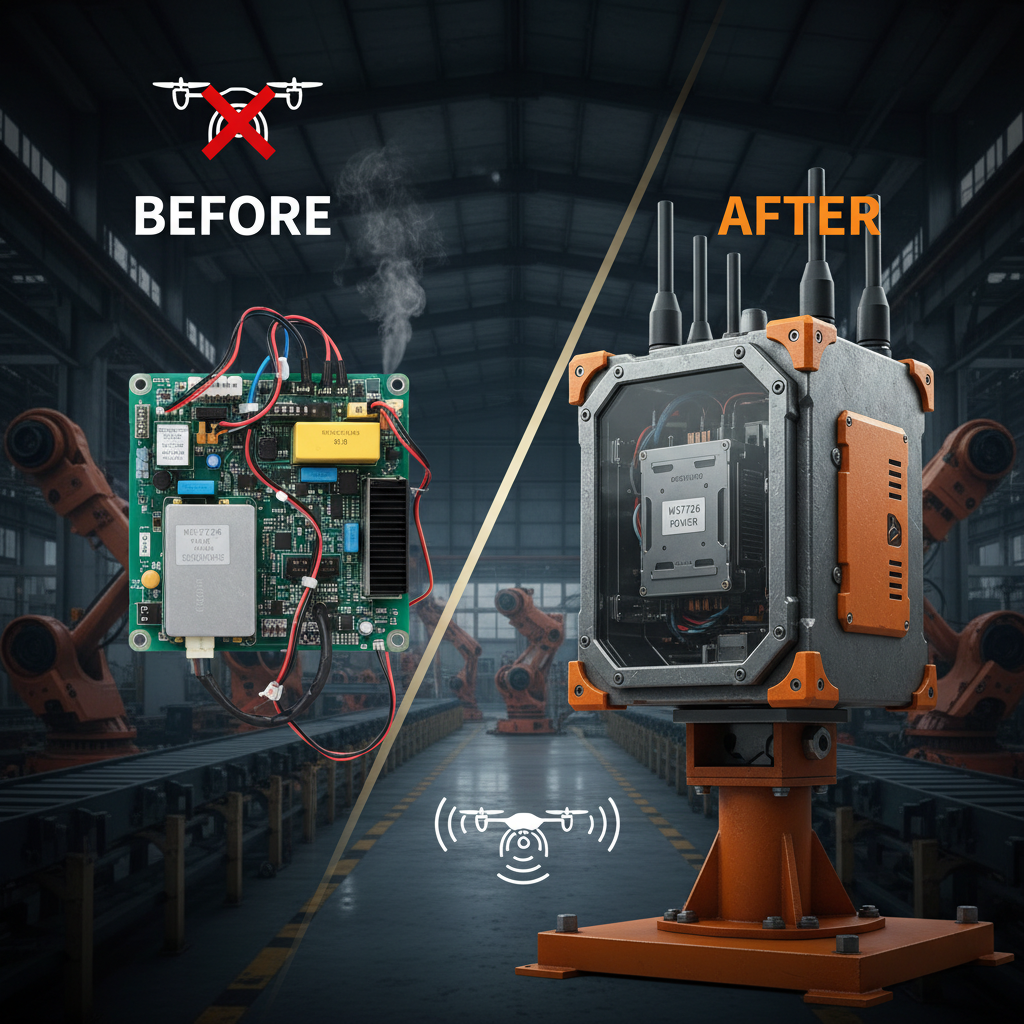
High power devices generate heat. Designers integrate heat sinks or thermally conductive materials to protect circuits and maintain performance over time.
4. Frequency Range
Amplifiers must handle specific frequency bands (e.g., 700 MHz to 3.5 GHz for 5G). Versatility or tunability can benefit multi-band devices.
5. Cost Effectiveness
Especially in emerging markets or high-volume products, balancing performance with affordability is crucial.
6. Durability and Reliability
Applications like satellite communication or disaster relief networks demand rugged designs that perform under extreme conditions.
Mini takeaway: The art of power amplifier RF design is juggling efficiency, signal fidelity, cost, and endurance—all while meeting diverse technical demands.
Product Specification Snapshot
| Specification | Typical Values |
|---|---|
| Frequency Range | 700 MHz – 3.5 GHz |
| Output Power | Up to 50 W |
| Efficiency | 60% – 75% |
| Linearity (IP3) | +30 dBm |
| Supply Voltage | 28 V DC |
| Operating Temperature | -40°C to +85°C |
Global Applications and Real-World Use Cases
Oddly enough, power amplifier RF designs differ noticeably depending on where you’re deploying them.
- Urban 5G Networks: High-efficiency amplifiers drive base stations that need to manage vast data traffic without overheating.
- Remote Industrial Zones: Mining or oil extraction sites use rugged RF amplifiers to maintain communication amidst harsh conditions.
- Disaster Relief Operations: Portable RF amp units empower emergency responders by establishing temporary network infrastructure quickly.
- Satellite Communications: Amplifiers built for ultra-high frequencies enable global broadband access, including underserved regions.
For example, one disaster relief NGO reported that their RF amplifiers allowed seamless coordination post-hurricane in the Caribbean, where conventional power was unreliable (2). This is a fascinating intersection of engineering and social impact.
Vendor Comparison: Key Players in Power Amplifier RF Design
| Feature | Vendor A | Vendor B | Vendor C |
|---|---|---|---|
| Frequency Range | 0.7-2.7 GHz | 0.8-3.5 GHz | 1.0-2.5 GHz |
| Max Output Power | 40 W | 50 W | 45 W |
| Efficiency (%) | 65 | 72 | 68 |
| Thermal Solution | Passive Heatsink | Active Cooling Fans | Advanced Heat Pipes |
| Price Range (USD) | $1200 - $1600 | $1500 - $1800 | $1300 - $1700 |
Advantages and Long-Term Value of Power Amplifier RF Design
When well designed, these amplifiers bring multiple benefits. Operational costs go down because of lower energy waste, devices last longer thanks to less heat stress, and users receive clearer, more reliable signals—improving safety and trust, frankly. For companies, this translates into innovation leadership and stronger customer loyalty. For social programs, it means dignity restored through technology—when communications work even in extreme circumstances.
Emerging Trends and Future Innovations
Technological progress marches on. Gallium Nitride (GaN) semiconductors now supplement traditional Silicon-based designs—a game changer for amplifier efficiency and power handling. Similarly, digital predistortion and AI-driven adaptive tuning are cutting distortion and boosting performance.
Moreover, efforts are underway to make RF amplifiers greener by integrating renewable energy harvesting or ultra-low power circuitry. Honestly, it feels like we're just scratching the surface of what power amplifier RF design might achieve in the next decade.
Challenges & Smart Solutions
Of course, challenges remain. High-frequency design involves complex electromagnetic modeling, and balancing cost with top-tier specs isn’t easy. Plus, manufacturing at scale brings variability that designers must anticipate.
One promising solution lies in modular component design that can be customized per application, and in leveraging machine learning to predict failure before it happens—reducing downtime in mission-critical deployments.
Frequently Asked Questions About Power Amplifier RF Design
- What makes a power amplifier RF design suitable for 5G networks?
- 5G demands amplifiers with wide bandwidth, high efficiency, and excellent linearity to handle complex modulations. Devices often use GaN technology to meet these needs.
- How can thermal management impact amplifier performance?
- Poor heat dissipation can cause signal distortion or device failure. Effective cooling solutions maintain consistent performance and longevity.
- Are power amplifier RF designs reusable across different frequency bands?
- Some designs are tunable or cover multiple bands, but often amplifiers are optimized for specific frequency ranges to maximize efficiency.
- How is power amplifier design affecting sustainability goals?
- Improved efficiency reduces power consumption and emissions from telecom infrastructure, supporting global sustainability initiatives.
- What role does cost play in selecting an RF power amplifier?
- Cost impacts deployment scale—solutions need to balance performance and affordability, especially in emerging markets or large networks.
Conclusion: Why Power Amplifier RF Design Deserves Your Attention
In the grand tapestry of modern communications, efficient and reliable power amplifier RF design is undeniably pivotal. From bridging digital divides to enabling cutting-edge technologies, understanding and investing in better amplifier designs pay dividends in connectivity, sustainability, and resilience. Whether you’re an engineer, policymaker, or tech enthusiast, exploring this domain means embracing the future of communication—robust, responsible, and ready.
If you want to dive deeper into this, do check out our site for more expert resources and solutions.
Reflecting on all this, it seems clear: power amplifier RF design is not just a niche technical topic; it’s a crucial enabler of modern life as we know it.
References:
- International Telecommunication Union (ITU) – Mobile subscriptions statistics
- Case Study: Disaster Relief Communications – Emergency Network Deployments, Telecommunications Journal, 2022
- United Nations Sustainable Development Goals – Global sustainability framework

-
 09 March 2021 16 Apr 2026
 -
 09 March 2021 09 Apr 2026
 -
 09 March 2021 07 Apr 2026
 -
 09 March 2021 04 Apr 2026
 -
 09 March 2021 31 Mar 2026
-
 09 March 2021 21 May 2025
 -
 09 March 2021 25 Dec 2024
 -
 09 March 2021 14 Oct 2022
-
 09 March 2021 25 Dec 2024

 English
  Arabic
  Belarusian
  Danish
  Dutch
Dutch  French
  German
  Greek
Greek  Japanese
  Korean
  Myanmar
  Polish
  Portuguese
  Russian
  Spanish
  Swedish
  Thai
Thai  Ukrainian
  Vietnamese