

Comprehensive RF Amplifier Design Tutorial for Engineers and Enthusiasts
RF Amplifier Design Tutorial: A Practical Guide to Modern RF Systems
Let's kick things off with a quick overview. RF amplifier design tutorials serve as foundational resources for engineers and electronics enthusiasts aiming to build, optimize, or troubleshoot RF amplifiers—key components in wireless communications, radar, and more. Understanding this topic matters globally because efficient RF amplification enables everything from satellite links to emergency radio communications that save lives. Getting a grip on RF amplifier design means you can contribute to faster, clearer, and more reliable wireless networks, which are critical in our interconnected world.
Introduction: Why RF Amplifier Design Tutorials Are Crucial Industry Wide
Wireless technology is an unstoppable force. According to the ITU (International Telecommunication Union), over 5 billion people use mobile internet worldwide today—a figure set to climb further. This explosion in usage means RF amplifiers are everywhere, boosting weak wireless signals for smartphones, IoT networks, and even deep-space communications. But here’s the rub: designing these amplifiers presents challenges like ensuring low noise, adequate power output, and energy efficiency. That’s where rf amplifier design tutorials come in handy—demystifying a complex engineering puzzle at a vital time for telecommunications and emergency response sectors alike.
Defining RF Amplifier Design Tutorial
Simply put, an RF amplifier design tutorial is an educational guide that walks you through the principles, components, and methods to create radio frequency amplifiers. These amplifiers increase the power of RF signals so they can travel greater distances or penetrate obstacles. The tutorials often balance theory with hands-on examples, helping learners apply concepts ranging from transistor selection to impedance matching. The connection to modern industry? RF amplifiers are the heartbeat of wireless infrastructure that supports everything from your local Wi-Fi to global satellite broadcast.
Core Components of RF Amplifier Design
1. Gain and Linearity
Gain is the amplifier’s ability to boost a signal, but it must be linear to avoid distortion. This balance is vital in applications requiring clean and faithful signal reproduction, like cellular base stations or satellite transponders.
2. Noise Figure
Noise figure determines how much interference the amplifier adds to the signal. Lower noise figures contribute to clearer signal reception—making all the difference in sensitive radar or medical telemetry.
3. Power Efficiency
RF amplifiers consume significant power. Designing for efficiency translates to longer device lifespans and reduced cooling needs—a must in remote or battery-powered systems.
4. Thermal Management
Amplifiers generate heat, which can degrade performance or damage components. Implementing effective heat dissipation strategies improves longevity and reliability.
5. Bandwidth
The frequency range over which the amplifier operates matters greatly, especially as modern wireless systems juggle multiple bands simultaneously.
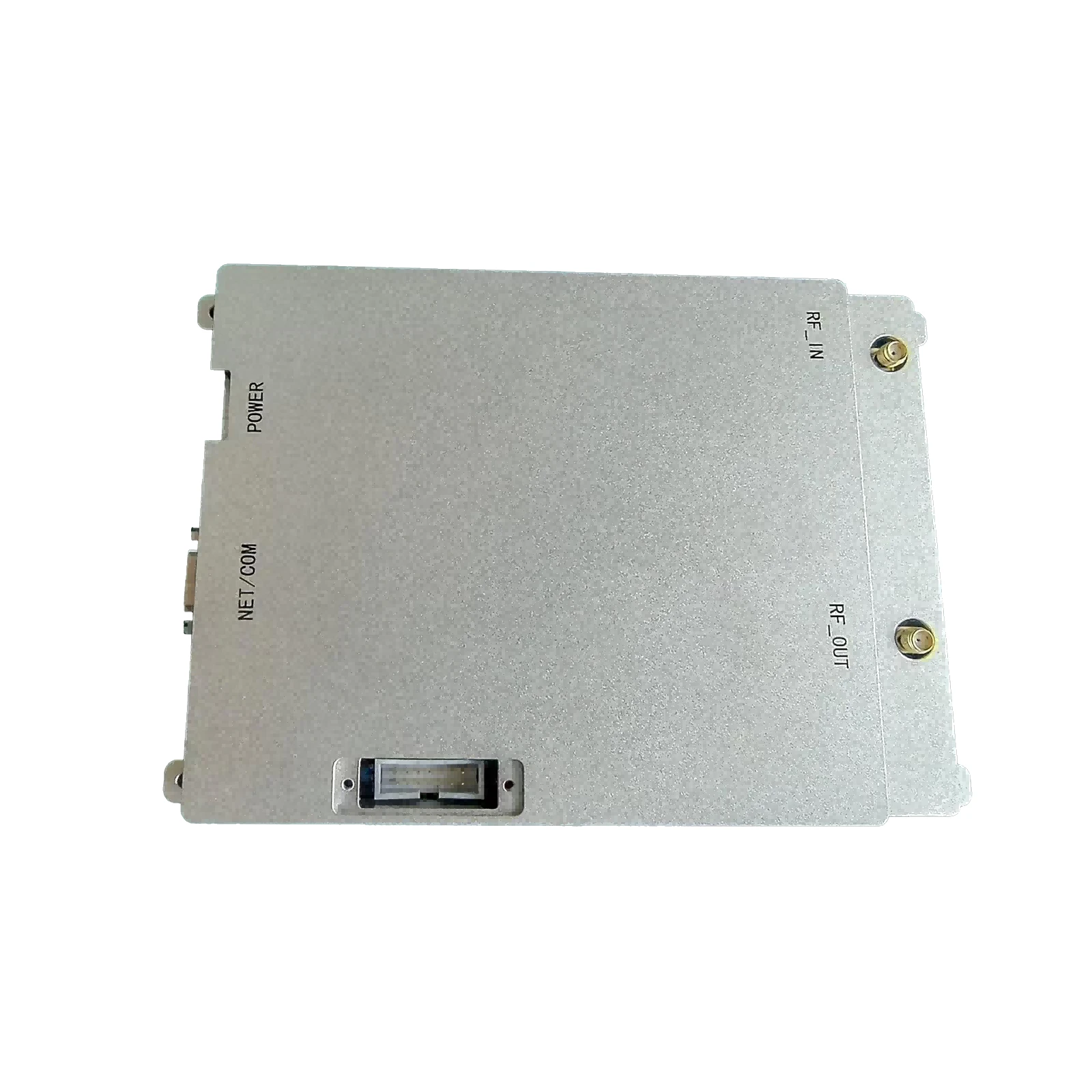
Product Specification Table: Typical RF Amplifier Module
| Specification | Value |
|---|---|
| Frequency Range | 1 MHz – 3 GHz |
| Gain | 15 dB |
| Noise Figure | 2.5 dB |
| Output Power | +25 dBm |
| Power Consumption | 5 W |
Mini takeaway: Successful RF amplifier design hinges on balancing gain, noise, efficiency, and thermal management to fit the intended application. It really is a juggling act of physics and practical engineering.
Global Applications and Use Cases
It’s honestly fascinating how pervasive RF amplifiers are across sectors and geographies. In sub-Saharan Africa, for example, telecommunication firms leverage low-noise RF amplifiers to extend connectivity to rural communities, enabling education and commerce. Post-disaster relief efforts in Southeast Asia rely on mobile RF amplifiers that maintain emergency communications when infrastructure is damaged. Even space agencies in North America depend on high-precision RF amplifiers to receive faint signals from probes millions of miles away.
Vendor Comparison Table
| Vendor | Frequency Range | Typical Gain | Noise Figure | Price Range (USD) |
|---|---|---|---|---|
| AmplifyCo | 500 MHz – 2.5 GHz | 12-18 dB | 2.0 – 3.0 dB | $200 – $500 |
| RadioWave Inc. | 1 MHz – 3 GHz | 14-16 dB | 2.3 – 2.7 dB | $250 – $600 |
| WaveTech Solutions | 800 MHz – 3.5 GHz | 15-20 dB | 1.8 – 2.5 dB | $300 – $700 |
Advantages and Long-Term Value
Why fuss over designing RF amplifiers properly? Well, efficiency improvements save significant energy over millions of devices worldwide, contributing to sustainability goals. Better noise control means fewer dropped calls or miscommunication in mission-critical systems, supporting safety and trust. Plus, the emotional comfort of seamless connectivity—whether chatting with loved ones abroad or receiving timely disaster updates—is truly priceless.
Future Trends and Innovations in RF Amplifier Design
Things are moving fast. GaN (Gallium Nitride) and SiC (Silicon Carbide) semiconductors are ushering in more efficient, higher power amplifiers at lower costs. Artificial Intelligence is beginning to optimize amplifier parameters dynamically for changing signals. There's also a drive towards greener designs powered by renewable energy, which is good news for off-grid uses. You can see a bit of this unfolding in rf amplifier design tutorial updates that incorporate these tech shifts.
Challenges and Solutions
Despite all progress, hurdles remain. Managing thermal dissipation still frustrates many engineers, especially in compact devices. Integration with 5G’s ultra-wideband frequencies requires novel circuit topologies. And cost pressures counterbalance high-tech improvements. Innovative solutions like advanced heat sinks, on-chip sensors, and modular circuit design are gaining traction to address these.
FAQ: Frequently Asked Questions About RF Amplifier Design Tutorials
- Q: What is the best transistor type for RF amplifier design?
A: Bipolar Junction Transistors (BJTs) are common for low noise stages, whereas GaN transistors are favored for high power and efficiency. The right choice depends on your frequency range and power needs. - Q: How harsh are thermal challenges in compact RF amplifiers?
A: Quite significant. The small size limits airflow and increases heat density. Heat sinks and thermal vias often help, but careful PCB layout is crucial to avoid hot spots. - Q: Can beginners use RF amplifier design tutorials effectively?
A: Absolutely. Many tutorials start with basic principles and build up complexity, making them accessible for learners with modest background in electronics. - Q: How does impedance matching affect RF amplifier performance?
A: Proper impedance matching minimizes signal reflection and maximizes power transfer, improving amplifier efficiency and reducing distortion.
Conclusion
All told, mastering an rf amplifier design tutorial isn't just about geeky ambition—it’s about contributing to the invisible infrastructure that powers communication worldwide. Whether you’re a design engineer, a student, or a hobbyist, diving deeper into this field unlocks long-term benefits: from energy savings and reliability to enabling innovation across industries.
Curious? Explore more and sharpen your skills today by visiting our website: https://www.drone-system.com. Your next RF project awaits.
In reflection, RF amplifier design is one of those quiet, powerful technologies that shape our everyday lives. The intricate craft behind boosting signals sounds technical, but it does boil down to connecting people and ideas—an endlessly inspiring pursuit.

-
 09 March 2021 16 Apr 2026
 -
 09 March 2021 09 Apr 2026
 -
 09 March 2021 07 Apr 2026
 -
 09 March 2021 04 Apr 2026
 -
 09 March 2021 31 Mar 2026
-
 09 March 2021 21 May 2025
 -
 09 March 2021 25 Dec 2024
 -
 09 March 2021 14 Oct 2022
-
 09 March 2021 25 Dec 2024

 English
  Arabic
  Belarusian
  Danish
  Dutch
Dutch  French
  German
  Greek
Greek  Japanese
  Korean
  Myanmar
  Polish
  Portuguese
  Russian
  Spanish
  Swedish
  Thai
Thai  Ukrainian
  Vietnamese