

Reliable 50 Watt RF Amplifiers for Industrial Power Needs
What Makes a 50 Watt RF Amplifier Stand Out in Industry
After spending well over a decade in the industrial equipment trenches, I can tell you that not all 50 watt RF amplifiers are created equal — and that’s putting it mildly. These units pack just enough punch to make a difference in signal strength without the headaches of oversized gear or those little amplifiers that just barely get the job done.
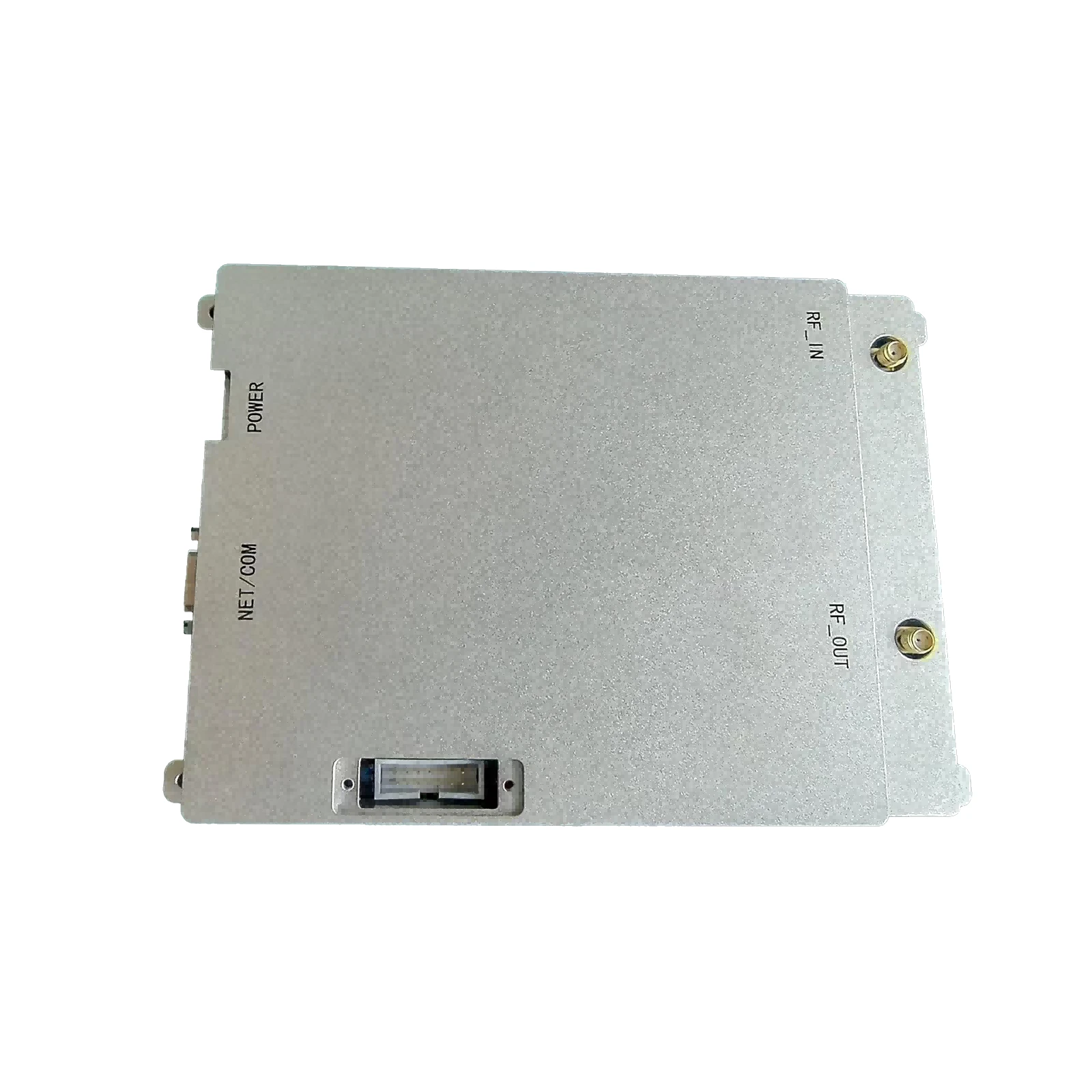
In many industrial setups—from wireless control panels to telemetry and even UAV communication—50 watt RF amplifiers hit a bit of a sweet spot. They’re powerful enough to push signals through interference-heavy environments but also compact and efficient enough to avoid turning your rack into a furnace.
Oddly enough, many engineers overlook the importance of construction materials. I once saw a batch of amplifiers with poor heat sinks shipped to a client, and in the summertime, their failure rate jumped dramatically. Thermal management isn’t just a checkbox; it’s almost a deciding factor on long-term reliability.
Key Specifications Every Engineer Should Look For
| Specification | Typical Values |
|---|---|
| Output Power | 50 Watts (Nominal) |
| Frequency Range | 100 MHz – 1 GHz (Typical) |
| Gain | ~20 dB |
| Efficiency | 50-60% |
| Input/Output Impedance | 50 Ohms |
| Operating Voltage | 12V – 28V DC |
| Thermal Management | Aluminum Heat Sink + Fan |
Comparing Vendors: What You Should Keep an Eye On
Let me say this — the specs tell part of the story, but vendor reliability, support, and real-world testing count for a lot more. I juggled products from three well-known vendors recently and noted some pretty distinct differences beyond the spec sheets.
| Vendor | Typical Price (USD) | Warranty | Customer Support | Field Reliability |
|---|---|---|---|---|
| AmplifyPro | $350 | 2 Years | 24/7 Phone + Email | Very Good |
| SignalMax | $300 | 1 Year | Business Hours Only | Good |
| WaveTech | $380 | 3 Years | Phone + Email (Business Hours) | Excellent |
A Quick Story from the Field
One time, while installing a communications array on a seismic research rig, the standard amplifiers kept overheating after a few hours in direct sun. We swapped in a robust 50 watt 50 watt RF amplifier model with enhanced cooling and native over-voltage protection, and the problem evaporated. It felt almost like magic—the signal held steady, and the downtime dropped sharply.
That was a practical reminder: in real terms, an amplifier’s specs often underplay how vital build quality and smart added features are.
Final Thoughts on Choosing Your Amplifier
The ideal 50 watt RF amplifier marries power with reliability and decent service. For those of us in industrial environments where signals matter as much as uptime, it’s a tool that pays for itself many times over.
So, if you’re on the market, don’t just chase the cheapest price or the highest wattage. Take your time sizing up specs, vendor reputation, and warranty terms. Your future self will thank you when everything just works.
References & Musings
- Field observations: Thermal issues with amplifiers in harsh environments
- Vendor datasheets and reliability reports, 2023–2024
- Conversations with RF engineers on practical installation tips

-
 09 March 2021 16 Apr 2026
 -
 09 March 2021 09 Apr 2026
 -
 09 March 2021 07 Apr 2026
 -
 09 March 2021 04 Apr 2026
 -
 09 March 2021 31 Mar 2026
-
 09 March 2021 21 May 2025
 -
 09 March 2021 25 Dec 2024
 -
 09 March 2021 14 Oct 2022
-
 09 March 2021 25 Dec 2024
 English
  Arabic
  Belarusian
  Danish
  Dutch
Dutch  French
  German
  Greek
Greek  Japanese
  Korean
  Myanmar
  Polish
  Portuguese
  Russian
  Spanish
  Swedish
  Thai
Thai  Ukrainian
  Vietnamese