

Reliable 50 Watt UHF Amplifiers for Industrial Use
The Industrial Edge: Why a 50 Watt UHF Amplifier Still Makes Sense
Having spent more years than I care to count working alongside radio and broadcast equipment in the industrial sector, the 50 watt UHF amplifier often pops up as a reliable workhorse in all sorts of setups. It's curious how such “small” power levels can still command respect. You think of megawatt stations, and then realize—sometimes that compact 50 watt box is the linchpin.
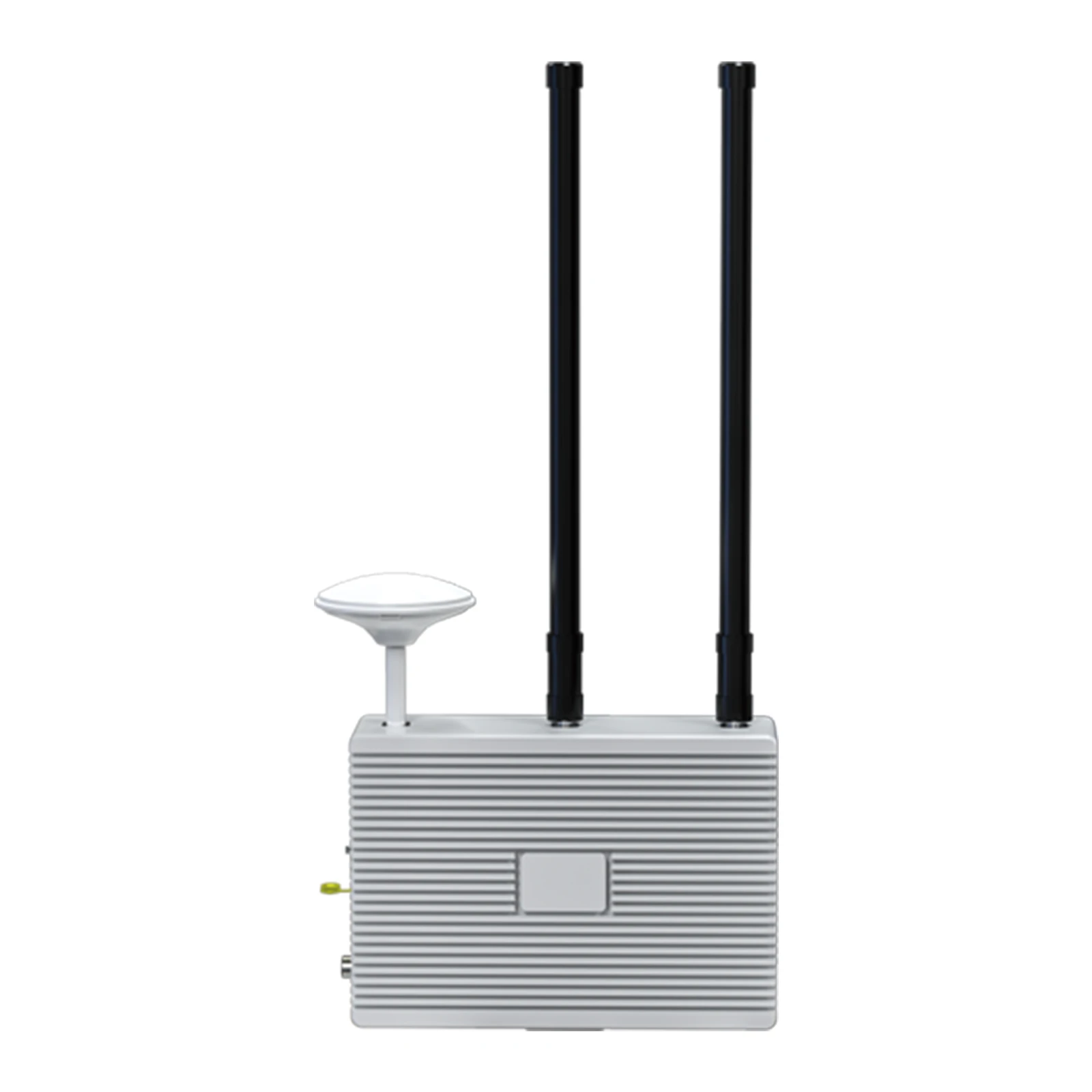
What to Expect from a 50 Watt UHF Amplifier
Let’s get real. In environments where signal clarity over medium distances matters—whether it’s for a drone control base, remote monitoring, or certain types of industrial communications—a 50 watt UHF amplifier usually hits the sweet spot between manageable size and enough power to overcome interference. Sure, stepping up to 100 watts sounds tempting, but you pay in heat, weight, and power consumption.
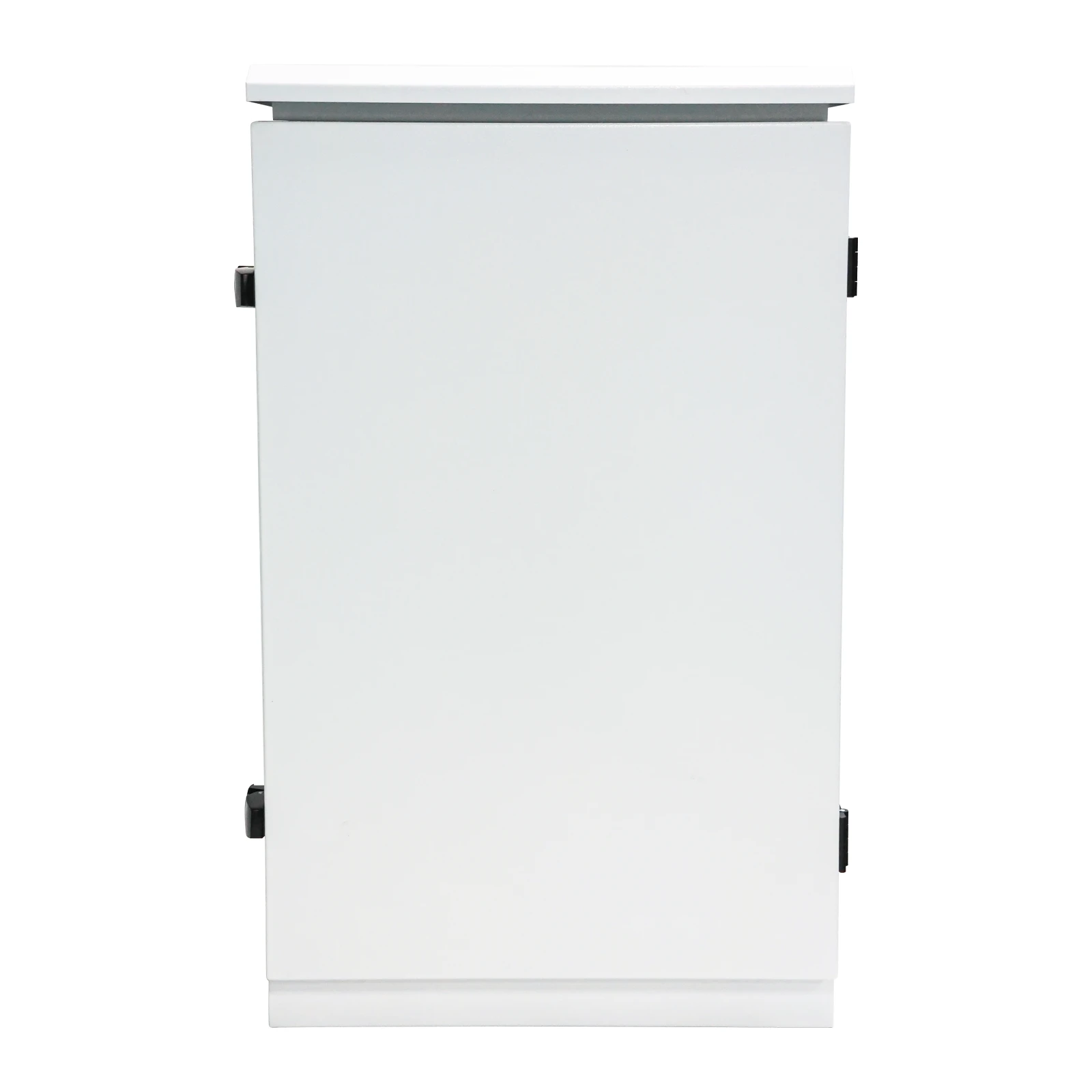
I remember one project where we installed a dozen of these amps scattered across a sprawling site. Oddly enough, their robust metal casing and internal build quality really stood out. These aren’t your run-of-the-mill hobbyist toys. Many are designed for harsh environments—dust, temperature swings, humps of vibration—the kind of stuff that would send lesser gear packing.
| Specification | Typical Value |
|---|---|
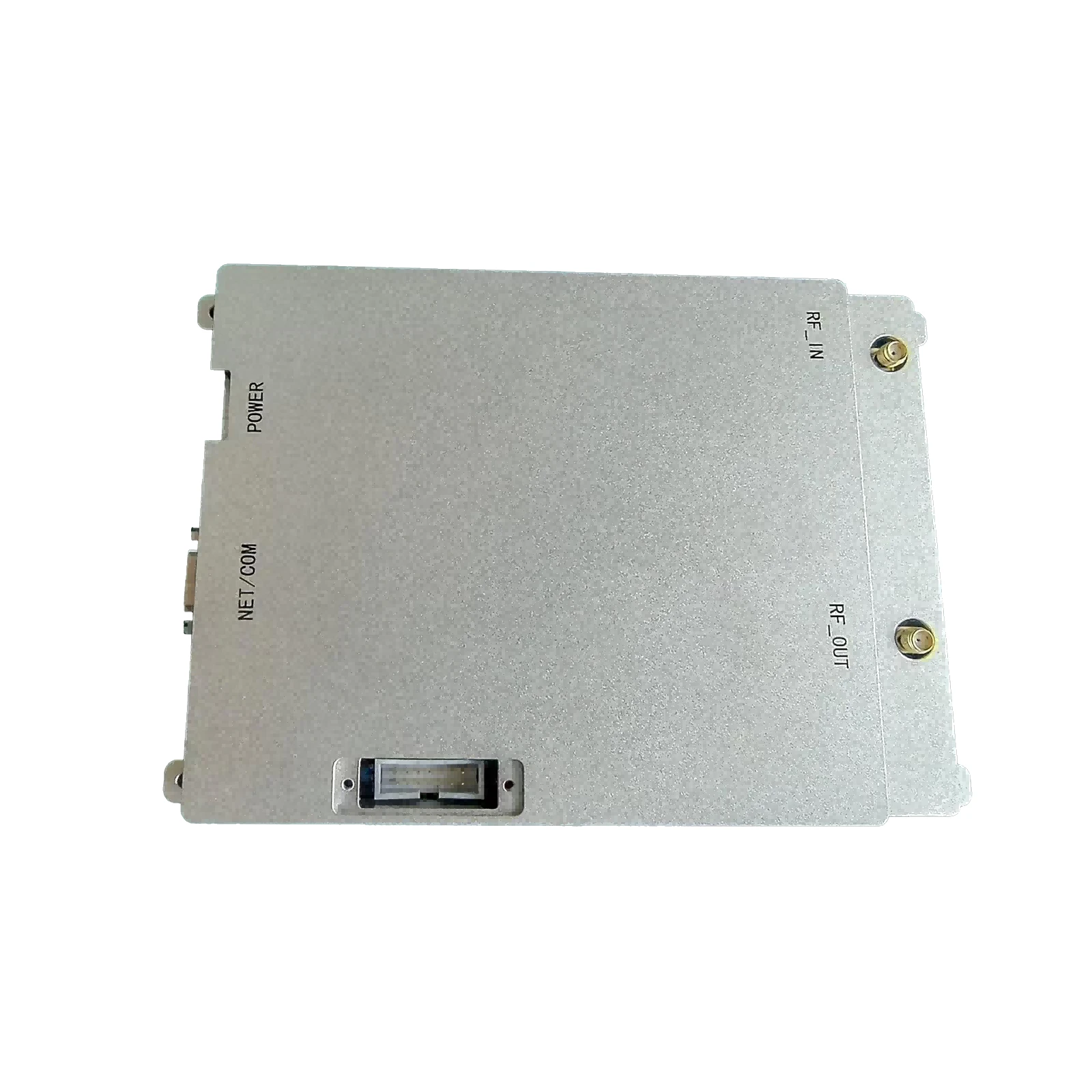
| Output Power | 50 Watts (typical) |
| Frequency Range | 400 – 470 MHz (UHF Band) |
| Gain | 20 – 30 dB |
| Power Supply | 12–28 V DC |
| Noise Figure | |
| Dimensions | 200 x 150 x 50 mm (roughly) |
| Weight | About 1.2 Kg |
Choosing the Right Amplifier: Vendor Comparison Snapshot
Now, I’ve seen quite a handful of manufacturers touting 50 watt UHF amplifiers, but the devil’s always in the details. Price, support, warranty, and even the small things—like connector type or mounting options—can turn an otherwise solid purchase into a pain later on. Here's a rough rundown based on my notes and industry chatter:
| Vendor | Price (USD) | Warranty | Support (Response Time) | Build Quality |
|---|---|---|---|---|
| AmplifyTech | $290 | 2 Years | 1 Day | Excellent |
| SignalBoost Pro | $325 | 1 Year | 2 Days | Very Good |
| RadNet Components | $265 | 1 Year | 3 Days | Good |
| DroneTech UHF | $310 | 2 Years | 1 Day | Excellent |
Why I Often Recommend the 50 Watt Model
Honestly, it boils down to balance. When I’m dealing with projects that need a 50 watt UHF amplifier, I value gear that’s reliable under pressure—not something flashy but fragile. Industrial sites, construction yards, and mobile communication setups rarely offer the luxury of climate control or gentle handling.
From a practical perspective, these amplifiers also tend to be better tested for compliance with regional RF emission standards, which is a pain point I’ve run into more times than I care to admit. You want your amplifiers to boost signal strength without stepping on the neighbor’s frequency, or, worse, tripping safety protocols.
One little story: A client wanted to improve communication between remote drone operators and base stations in a forestry project. We plugged in several 50 watt amps—robust, easy to integrate, and they survived the rough outdoor environment for months. Not a single unit failed. That kind of dependability is gold.
So yeah, for those of us who’ve spent time knee-deep in RF amplifiers, the 50 watt category isn’t just a specification. It’s a bit of a sweet spot that balances power, size, cost, and reliability like few others.
Wrapping Up on 50 Watt UHF Amplifiers
It may seem like a niche product to some, but for those involved in industrial communication, remote signal boosting, or even drone-control applications, a high-quality 50 watt amplifier can make all the difference. Pay attention to build quality, frequency range, power consumption, and warranty. And if you ask me, don’t overlook the vendor’s support network—because in the field, when downtime bites, you want a lifeline.
What’s your experience been like? It’s funny how some tools just quietly become the unsung heroes over years of use...
References and thoughts:
1. Field notes from various industrial RF projects, 2014–2024.
2. Vendor datasheets and user manuals (AmplifyTech, DroneTech UHF, SignalBoost Pro).
3. Conversations with radio engineers and field technicians over the last decade.

-
 09 March 2021 16 Apr 2026
 -
 09 March 2021 09 Apr 2026
 -
 09 March 2021 07 Apr 2026
 -
 09 March 2021 04 Apr 2026
 -
 09 March 2021 31 Mar 2026
-
 09 March 2021 21 May 2025
 -
 09 March 2021 25 Dec 2024
 -
 09 March 2021 14 Oct 2022
-
 09 March 2021 25 Dec 2024
 English
  Arabic
  Belarusian
  Danish
  Dutch
Dutch  French
  German
  Greek
Greek  Japanese
  Korean
  Myanmar
  Polish
  Portuguese
  Russian
  Spanish
  Swedish
  Thai
Thai  Ukrainian
  Vietnamese