

Reliable and Compact 5W RF Power Amplifiers for Industrial Use
Why the 5W RF Power Amplifier Remains a Workhorse in Industry
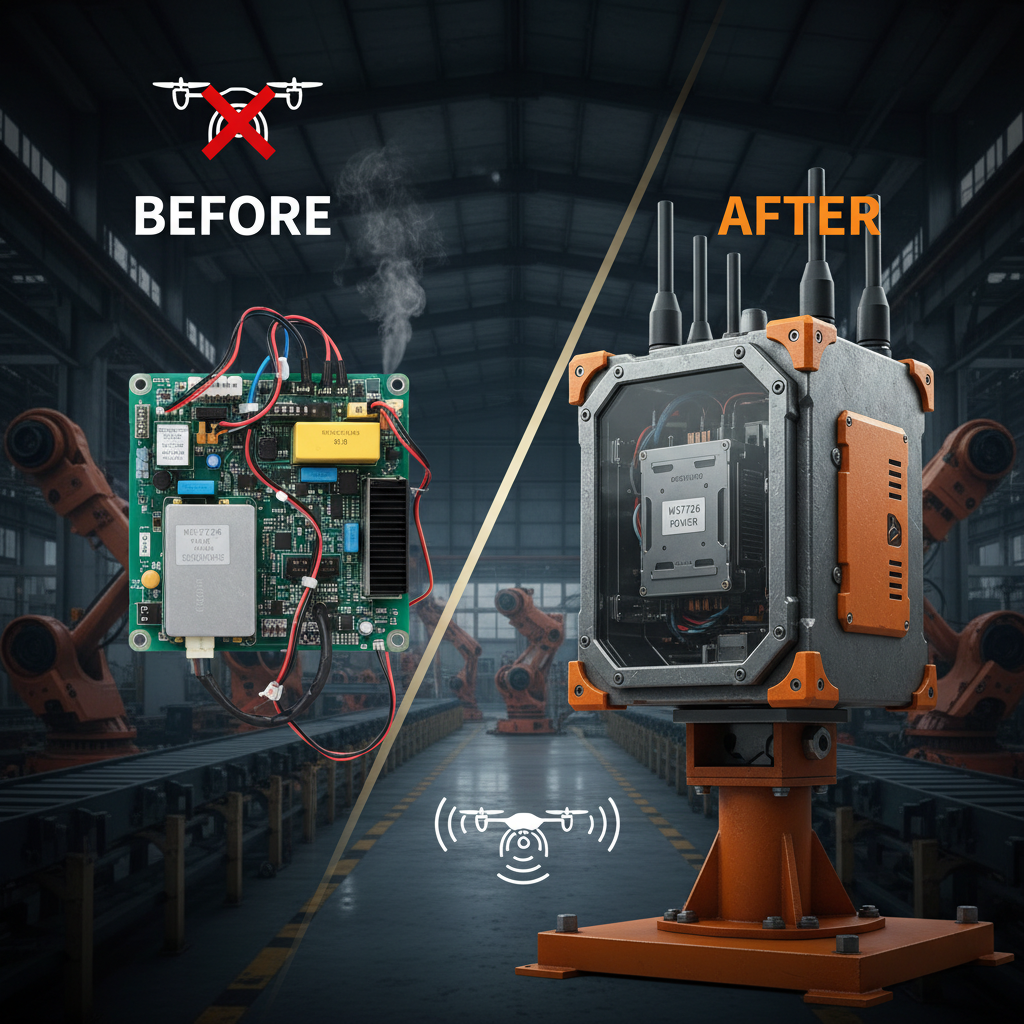
In my years tinkering with radio frequency systems, one thing’s clear: the 5W RF power amplifier often flies under the radar but remains indispensable. Whether you’re driving a modest transmitter or powering up test benches, it’s this little beast that delivers just enough punch without screaming for attention — at least for many field applications.
It feels like these amplifiers strike a fine balance: compactness, reliability, and enough power. Not too much, not too little. I’ve seen setups where a 5-watt amplifier kept communication lines crisp on remote inspections and drone control for tight industrial inspections. It’s not glamorous, but it just works. And over the years, it’s evolved — the newer models push better linearity and durability without bulking up the size.
Key Product Specifications of a Typical 5W RF Power Amplifier
| Specification | Typical Value | Notes |
|---|---|---|
| Output Power | 5 Watts (37 dBm) | Continuous wave (CW) operation |
| Frequency Range | 100 MHz – 3 GHz | Varies by model, some narrowband |
| Gain | +30 to +40 dB | Depends on frequency and design |
| Power Supply | +12V DC typical | Some units support up to 24V input |
| Impedance | 50 Ω | Standard RF system impedance |
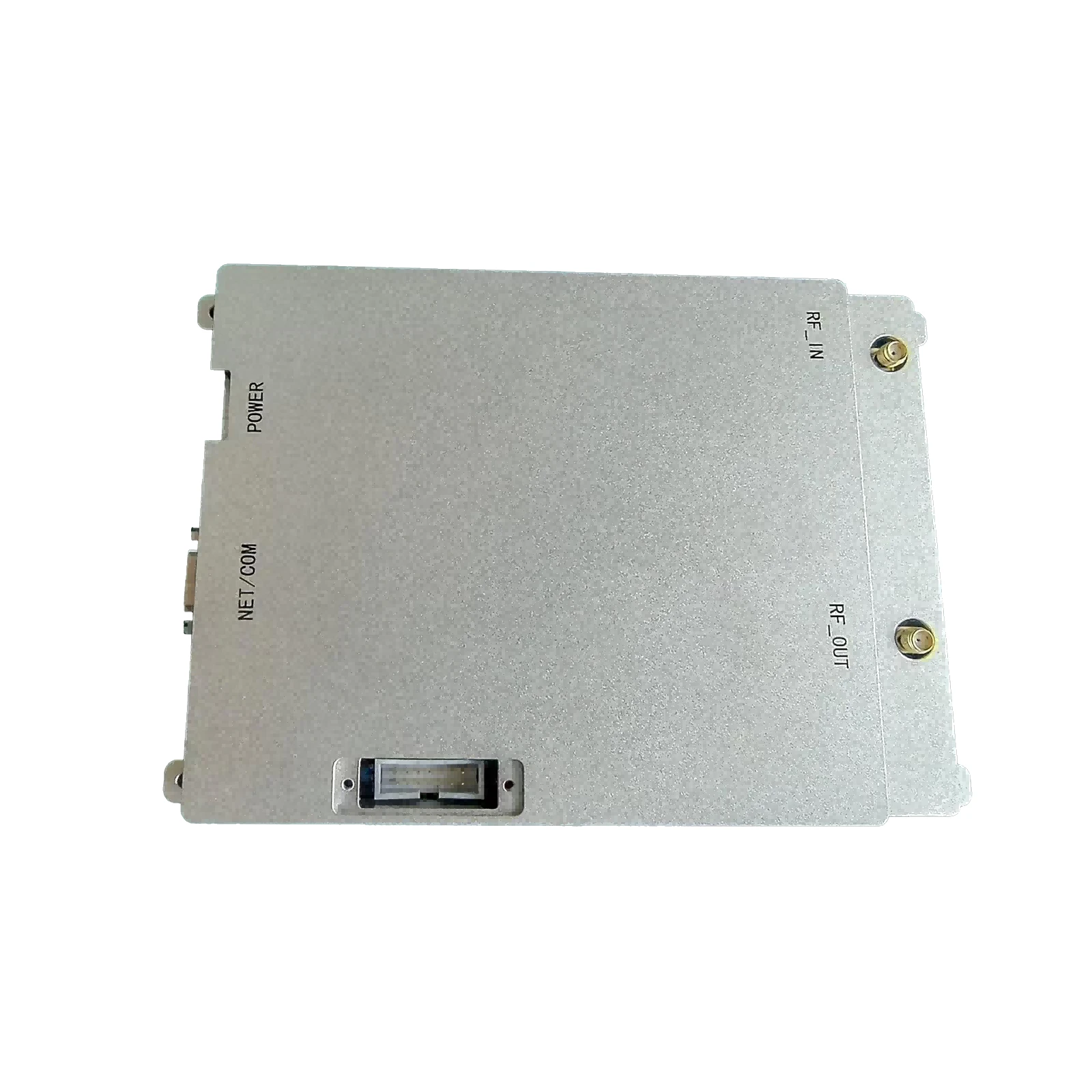
| Dimensions | 65 x 45 x 20 mm | Compact metal enclosure typical |
| Cooling | Convection or small fan | Depends on power dissipation |
Navigating the Vendor Landscape: Choosing the Right 5W RF Power Amplifier
Frankly, with so many options these days, it's a maze. But in industrial circles, a few names tend to pop up repeatedly. Vendors differ not just by price but reliability, tuning options, and how well their gear stands up in challenging environments — think dust, temperature swings, vibration.
| Vendor | Frequency Range | Typical Gain (dB) | Cooling Method | Ruggedness | Price Range |
|---|---|---|---|---|---|
| AmpTech Solutions | 100 MHz – 2.5 GHz | 32 dB | Convection | Standard industrial grade | $$ |
| RF Power Systems | 300 MHz – 3 GHz | 38 dB | Fan-cooled | Enhanced ruggedness, dustproof | $$$ |
| MicroAmp Corp. | 50 MHz – 1 GHz | 30 dB | Passive cooling | Basic ruggedness | $ |
Real-World Impressions and Usage Tips
From what I’ve seen, the best 5W RF power amplifiers aren’t always the flashiest specs on paper. In one case, a maintenance crew at a refinery was using a compact amp to boost signal for handheld radios inside a complex metal structure — where signals normally fade to almost nothing. The chosen unit didn’t have the highest gain, but its stability and quick thermal recovery made it unbeatable.
Oddly enough, the amp’s metal casing also helped dissipate heat beyond what the basic specs suggested. It’s a reminder that sometimes materials and design factors—not just raw numbers—are just as important. For anyone hunting this gear, consider the operating environment carefully. If your power amplifier overheats or can’t hold up to vibration, you might end up replacing it sooner than expected.
Customization is another thing many overlook — some vendors offer tweaks for frequency bands or gain presets tailored to your exact use case. Certainly worth asking.
Wrapping it all up, when thinking about a 5W RF power amplifier, look beyond just output power. Think about how it fits into your system, the environment it’ll endure, and the vendor’s support. It feels like small stuff like that often makes the difference between a smooth operation or repeated headaches.
A Few Final Thoughts
To me, these 5-watt amps are classic industrial gear — humble, quiet, but utterly critical for reliable RF systems. If you’re stepping into this arena, give yourself some room to experiment with vendors and models. These are often the kind of devices where one size really doesn’t fit all.
And yes, the little things matter. Like how well the enclosure handles dust, or how quickly it warms up. Because when you’re out in the field, those nuances become what keep your whole system humming along.
References and musings for the curious:
- Industrial RF Amplifier Trends – Journal of RF Electronics, 2023.
- Field Case Studies from Remote Inspection Units – Tech Monthly, 2024.
- Vendor Data Sheets and User Feedback – compiled over 5 years of RF projects.

-
 09 March 2021 16 Apr 2026
 -
 09 March 2021 09 Apr 2026
 -
 09 March 2021 07 Apr 2026
 -
 09 March 2021 04 Apr 2026
 -
 09 March 2021 31 Mar 2026
-
 09 March 2021 21 May 2025
 -
 09 March 2021 25 Dec 2024
 -
 09 March 2021 14 Oct 2022
-
 09 March 2021 25 Dec 2024
 English
  Arabic
  Belarusian
  Danish
  Dutch
Dutch  French
  German
  Greek
Greek  Japanese
  Korean
  Myanmar
  Polish
  Portuguese
  Russian
  Spanish
  Swedish
  Thai
Thai  Ukrainian
  Vietnamese