

Reliable Gadget for Detection of Radio Waves | Expert Review
Gadget for Detection of Radio Waves: An Insider’s Perspective
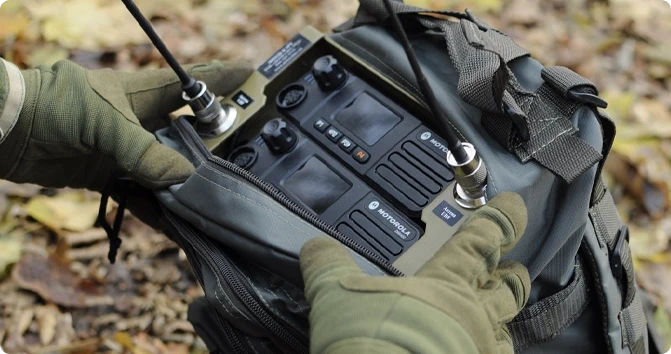
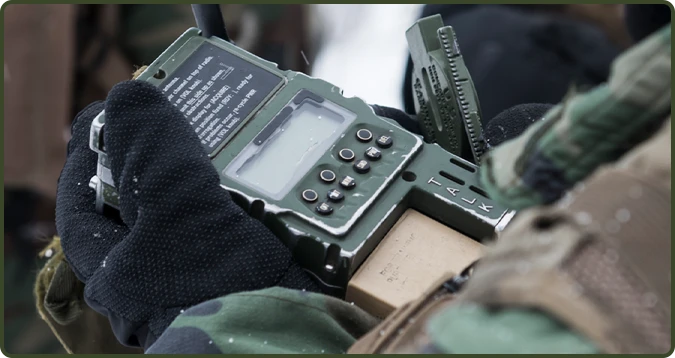
Having spent more than a decade in the industrial equipment sector, I’ve handled a fair share of gadgets designed to sniff out radio waves. Oddly enough, the better devices don’t just detect radio frequency signals—they almost become an extension of your hands, intuitively telling you what’s going on around. These gadgets are more than just tools; they’re a kind of sixth sense for engineers and technicians alike.
When looking for a reliable gadget for detection of radio waves, what immediately matters is sensitivity, accuracy, and ease of use. One thing I’ve observed over time is that many engineers undervalue how the build quality and interface affect day-to-day performance, especially in tough industrial environments—dust, moisture, and electromagnetic interference don’t play fair.
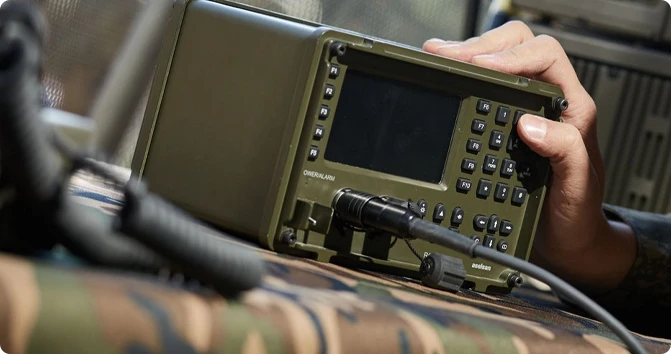
In real terms, these devices come packed with features: from frequency range coverage to signal strength meters and sometimes GPS tagging—added perks that can be a game changer when you’re mapping signal sources in the field or diagnosing interference issues. A personal favorite is a handheld detector I tested two years ago, which felt like it was made with fieldwork at the forefront—robust, with a clear display, and an interface that didn’t require flipping through dense manuals.
| Specification | Details |
|---|---|
| Frequency Range | 100 kHz to 6 GHz |
| Display | OLED Touchscreen, 2.8 inches |
| Battery Life | 8 Hours Continuous Use |
| Weight | 350 grams |
| Connectivity | USB-C / Bluetooth 5.0 |
| Additional Features | Signal Strength Meter, GPS tagging, Audio Alerts |
Now, the industry isn’t short on options—vendors tend to target slightly different niches. I’ve tried popular gadgets from brands like Tektronix, Aaronia, and a few lesser-known European manufacturers. What stood out over time wasn't just accuracy but the after-sale support and software ecosystem. For example, one vendor had a somewhat steep learning curve but excellent firmware updates; another’s hardware felt cheaper but was great value for the price.
| Vendor | Frequency Range | Ease of Use | Durability | Price (€) |
|---|---|---|---|---|
| Tektronix | 100 kHz – 4 GHz | High | Very High | ~4500 |
| Aaronia | 1 MHz – 6 GHz | Medium | High | ~3200 |
| DroneSystem | 100 kHz – 6 GHz | Very High | High | ~2800 |
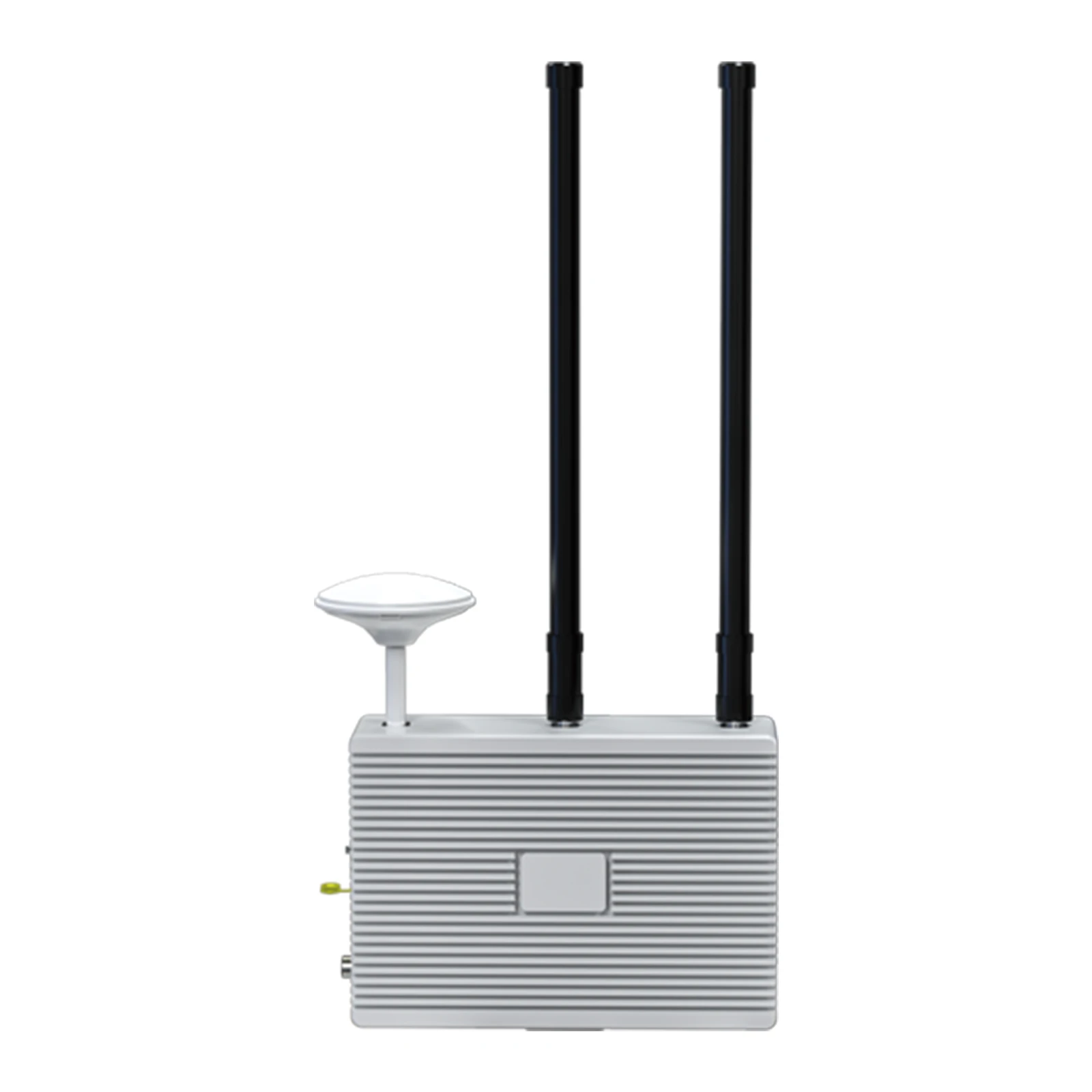
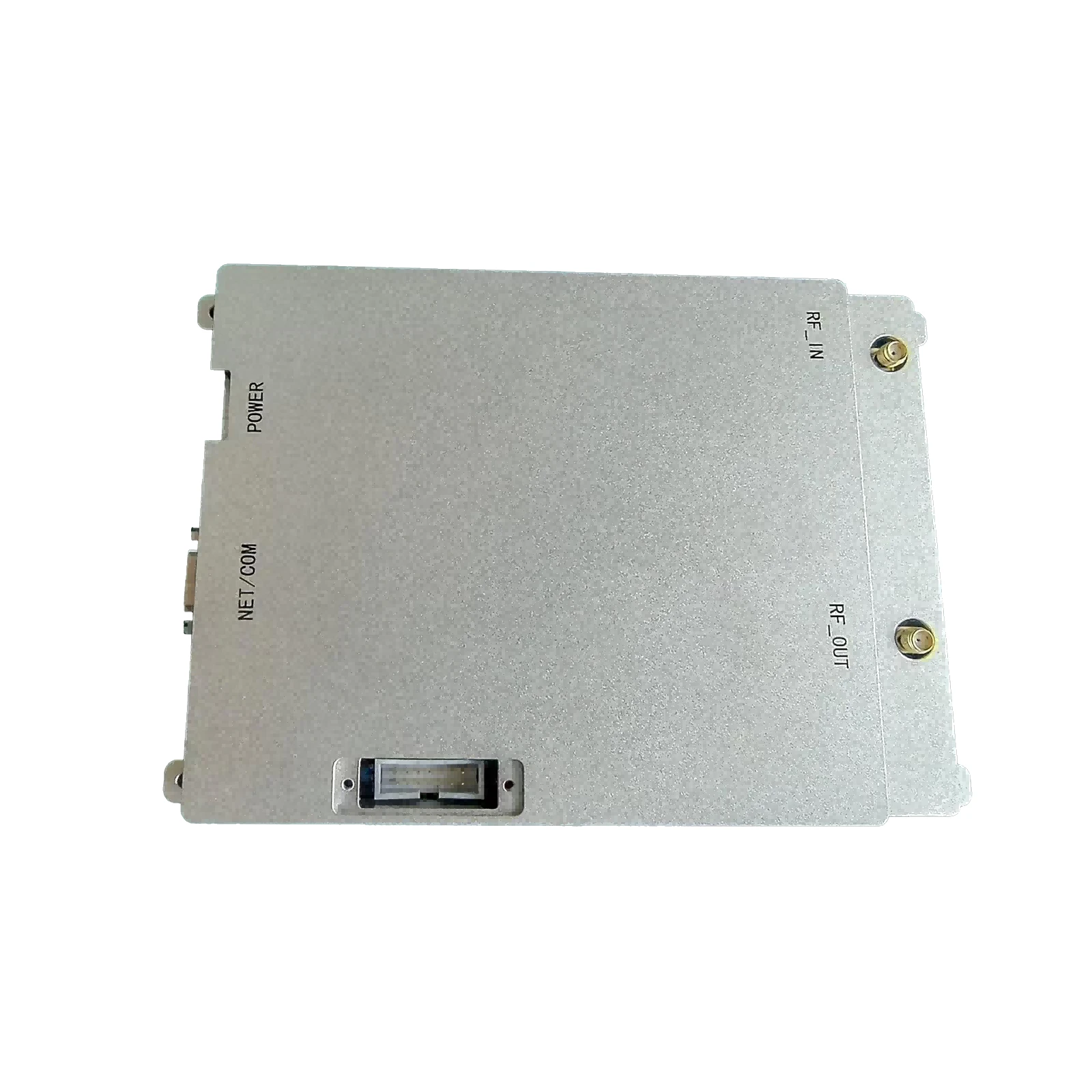
Frankly, when I first encountered the gadget for detection of radio waves from DroneSystem, I was pleasantly surprised by how it felt balanced between affordability and practical features. During a recent troubleshooting job at a telecom site, I noticed it instantly picked up hidden interference that other devices glossed over. It’s a small thing, but those moments really stick with you.
Many engineers say that no gadget is perfect—but this one gets surprisingly close for everyday industrial use. And the combination of its compact size, decent battery performance, and intuitive interface means less training, more getting the job done. You know, sometimes these things tend to overpromise and underdeliver in the field, but this device? Solid performer all around.
In closing, whether you’re diving into signal hunting, interference mapping, or simply need an on-the-go radio wave detector, it’s worth looking closely at specs beyond just the frequency range. Sturdiness, interface design, and vendor support count just as much. If I had to pick a recommendation for someone stepping into this niche, I’d say start with something you can trust to last and deliver consistent results. And oddly enough, that often means a bit of a middle ground rather than the wild top-of-the-line beast.
References:
- "Industrial Radio Frequency Detection: A Field Guide," Journal of Applied Electronics, 2022
- Tektronix Product Manuals and Field Reports, 2021-2023
- Aaronia Spectrum Analysis Case Studies, 2020

-
 09 March 2021 16 Apr 2026
 -
 09 March 2021 09 Apr 2026
 -
 09 March 2021 07 Apr 2026
 -
 09 March 2021 04 Apr 2026
 -
 09 March 2021 31 Mar 2026
-
 09 March 2021 21 May 2025
 -
 09 March 2021 25 Dec 2024
 -
 09 March 2021 14 Oct 2022
-
 09 March 2021 25 Dec 2024
 English
  Arabic
  Belarusian
  Danish
  Dutch
Dutch  French
  German
  Greek
Greek  Japanese
  Korean
  Myanmar
  Polish
  Portuguese
  Russian
  Spanish
  Swedish
  Thai
Thai  Ukrainian
  Vietnamese