

High Frequency EMF Detector – Essential Industrial Tool for Safety
The Practical Edge of a High Frequency EMF Detector in Industrial Settings
After spending over a decade in various industrial environments, I’ve gained a certain respect for tools that seem simple yet make a big difference. One such tool that’s quietly essential is the high frequency EMF detector. Maybe you don’t hear much about it outside of safety and engineering circles, but I assure you, its role is crucial — and oddly satisfying to use when things get technical.
Frankly, with the surge of electronic equipment on factory floors and even in warehouses, the electromagnetic environment is denser than ever. High frequency electromagnetic fields (EMFs), commonly generated by wireless communications, induction heating, or even some older industrial machinery, pose subtle hazards. Monitoring them accurately isn’t just a “nice-to-have,” it’s about compliance, safety, and ultimately protecting personnel and sensitive devices.
From my experience, reliability is pivotal. The best detectors aren’t just sensitive; they must deliver consistent readings over a range, from MHz to the low GHz spectrum. And yes, calibration is key. In one plant audit I conducted, we found a detector with poor calibration—its readings were off by nearly 20%. That’s huge when you’re assessing exposure risks or determining if shielding solutions are adequate.
Inside a High Frequency EMF Detector: What Makes it Tick?
Most of these units use specialized antennas — often isotropic sensors — to capture EMF signals regardless of direction. The signal passes through filters and amplifiers before a microcontroller processes it, showing results on a digital display. Materials-wise, the casing tends to be rugged plastic composites or light metals, balancing durability and weight since these tools often get tossed in toolkits or used on the go.
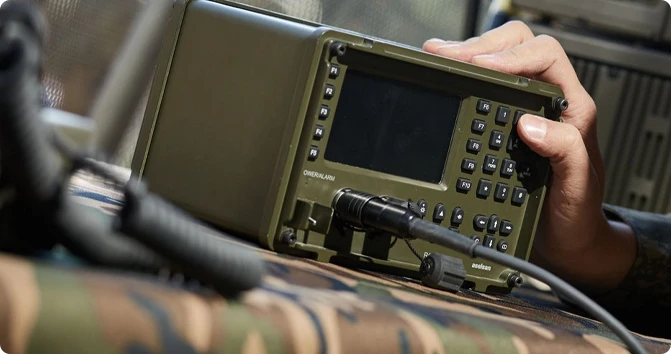
Another thing I noticed is user interface sophistication has improved in recent years: backlit LCD screens, data logging features, even Bluetooth connectivity to sync with mobile devices. Definitely a convenience when you need to log multiple readings without paper notebooks.
| Feature | Specification |
|---|---|
| Frequency Range | 100 MHz – 6 GHz |
| Measurement Units | V/m (Volts per meter), mW/cm² |
| Display | Backlit LCD, digital readout |
| Data Logging | Internal memory + USB export |
| Power Source | Rechargeable Li-ion battery |
| Dimensions | Approx. 150 x 60 x 30 mm |
| Weight | ~180 grams |
Comparing Leading High Frequency EMF Detector Vendors
Picking a vendor can feel like a bit of a maze. You’ll find plenty of manufacturers touting “professional-grade” or “cutting-edge” gadgets, but in real terms, the differences boil down to accuracy, usability, and support. Based on several products I’ve tested or worked with, here’s a quick vendor comparison to keep in mind:
| Vendor | Frequency Coverage | Accuracy | Ease of Use | Price Range | Support |
|---|---|---|---|---|---|
| Vendor A | 100 MHz – 6 GHz | ±3% | Intuitive, touchscreen | $$$ | Comprehensive, 24/7 |
| Vendor B | 200 MHz – 5 GHz | ±5% | Basic buttons, clear menu | $$ | Business hours only |
| Vendor C | 50 MHz – 7 GHz | ±2.5% | Mixed controls + app | $$$$ | Premium, dedicated tech support |
Customers I’ve advised tend to go for either Vendor A for balanced features or Vendor C if budget’s less of a concern. I suppose it depends on how critical your use case is — are you doing routine safety checks or involved in high-stakes electromagnetic compliance assessments? Either way, don’t skimp on verified accuracy.
Speaking of real-life, I recall working at a facility where a brand-new wireless communication system caused unexpected interference with older sensitive equipment. Thanks to a trusted high frequency EMF detector, we quickly pinpointed hotspots exceeding recommended exposure levels and advised shielding solutions. That kind of proactive measurement saves headaches — maybe even lives.
Finally, for those considering investing in one, keep in mind device durability, ease of calibration (or recalibration), and data handling. You want a detector that feels right in hand, responds quickly, and plays well with your existing maintenance software. When you find one that ticks those boxes, time on site suddenly feels more productive.
In the end, a high frequency EMF detector is one of those quiet champions in the industrial toolkit; a device whose worth becomes crystal clear only after you rely on it in the thick of complex operations.
References:
1. IEEE Std C95.1-2019 – Safety levels with respect to human exposure to radio frequency electromagnetic fields.
2. Occupational Safety and Health Administration (OSHA) guidelines on EMF exposure.
3. Manufacturer product datasheets and user manuals, various.

-
 09 March 2021 16 Apr 2026
 -
 09 March 2021 09 Apr 2026
 -
 09 March 2021 07 Apr 2026
 -
 09 March 2021 04 Apr 2026
 -
 09 March 2021 31 Mar 2026
-
 09 March 2021 21 May 2025
 -
 09 March 2021 25 Dec 2024
 -
 09 March 2021 14 Oct 2022
-
 09 March 2021 25 Dec 2024
 English
  Arabic
  Belarusian
  Danish
  Dutch
Dutch  French
  German
  Greek
Greek  Japanese
  Korean
  Myanmar
  Polish
  Portuguese
  Russian
  Spanish
  Swedish
  Thai
Thai  Ukrainian
  Vietnamese