

Reliable Radio Frequency Detection Device for Industrial Use
Understanding the Radio Frequency Detection Device
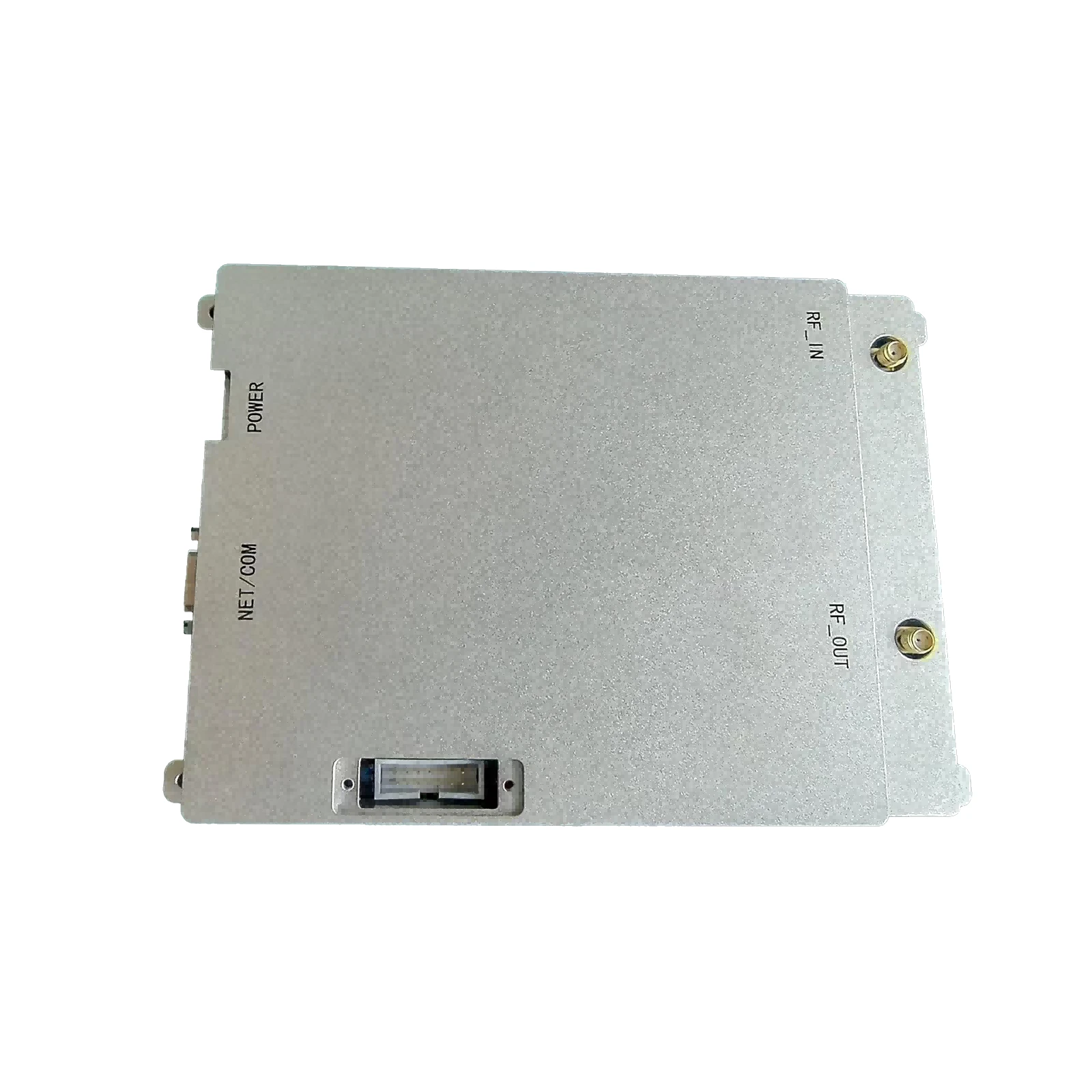
Having spent quite some years in the industrial equipment sector, I’ve come across plenty of tools that at first glance might seem simple, but quickly reveal layers of complexity. The radio frequency detection device is one such piece of equipment. It’s fairly straightforward in concept — detecting radio frequency signals — yet its design and application can be surprisingly nuanced.
In real terms, these devices are indispensable for industries ranging from security to telecommunications to drone detection. Over time, the technology has evolved to not just detect but also analyze the frequency, signal strength, and sometimes even the direction of a transmission. When you’re dealing with sensitive environments where unauthorized RF signals can disrupt operations or pose security risks, having a reliable RF detector feels like an insurance policy you don't want to skimp on.
Oddly enough, despite the critical role they play, many engineers I’ve worked with mention that the user experience can vary wildly between products. Some units are a bit clunky or limited by their design, while others feel like they’ve been crafted from lessons learned on the front lines, with portability, ease of use, and accuracy baked right in.
Key Product Specifications
| Specification | Details |
|---|---|
| Frequency Range | 20 MHz – 6 GHz (covers most RF bands used in commercial/industrial settings) |
| Detection Sensitivity | -100 dBm (enabling detection of very faint RF signals) |
| Display | OLED with Signal Strength Meter and Frequency Readout |
| Power Source | Rechargeable Li-ion Battery (up to 8 hours runtime) |
| Dimensions | 155 x 70 x 28 mm (compact, handheld) |
| Weight | Approx. 220 grams |
Speaking of design, the compactness is something I really appreciate. When you’re out on a job site, lugging heavy gear is a drag — you want a device you can tuck into a bag or even a large pocket. The almost toy-like size might fool a newbie, but inside, these units pack fairly sophisticated electronics.
Vendor Comparison
| Feature | Vendor A | Vendor B | Vendor C |
|---|---|---|---|
| Price Range | $350 - $450 | $400 - $550 | $300 - $400 |
| Frequency Coverage | 20 MHz – 6 GHz | 50 MHz – 5 GHz | 100 MHz – 6 GHz |
| Battery Life | 8 hours | 6 hours | 7 hours |
| Portability | Handheld, lightweight | Bulky, requires case | Compact, pocketable |
| Additional Features | OLED display, frequency readout | Analog meter only | Bluetooth integration |
From my experience, when you compare these vendors, it’s clear that Vendor A strikes a good balance between features and ease of use — those OLED displays and detailed frequency readouts really mattered on the field. Vendor C’s addition of Bluetooth is cool for data logging, but honestly, I found myself rarely needing it during typical site scans. Vendor B’s devices felt a bit old school and cumbersome, but in some test scenarios, their analog meters provided surprisingly reliable feedback – a sort of tactile reassurance for the old guard.
Customization is another underrated aspect. As one project manager put it to me while inspecting a telecom tower installation, “It’s all about matching the right tool to the right job.” In this case, selecting a radio frequency detection device that allows for sensitivity tuning or specific frequency band limiting can save engineers precious time, especially in cluttered RF environments.
One memorable anecdote I often share was during a drone interdiction project last year. Operators used these devices to detect and localize unauthorized drone transmitters in a restricted airspace. That moment when the detector’s signal spiked – and the drone pilot quickly realized they were spotted – was oddly satisfying. It’s a testament to how vital these devices are becoming, not just for detection but for deterrence as well.
In wrapping up, it feels like the radio frequency detection device is no longer niche equipment but a staple in industrial safety and surveillance arsenals. Its evolution reflects growing concerns over signal security and the expansion of wireless tech everywhere. Whether you’re an engineer, security professional, or equipment buyer, investing in a good RF detector can really pay off — both in reliability and peace of mind.
So, next time you see one of these handheld detectors, remember: behind that modest frame lies a piece of gear built from years of innovation and real-world feedback.
References:
- Industrial Wireless Systems, 3rd Edition - Wiley
- Radio Frequency Detection in Security Operations - TechSecure Journal, 2023
- Interview with RF Engineers, International Telecom Conference 2022

-
 09 March 2021 16 Apr 2026
 -
 09 March 2021 09 Apr 2026
 -
 09 March 2021 07 Apr 2026
 -
 09 March 2021 04 Apr 2026
 -
 09 March 2021 31 Mar 2026
-
 09 March 2021 21 May 2025
 -
 09 March 2021 25 Dec 2024
 -
 09 March 2021 14 Oct 2022
-
 09 March 2021 25 Dec 2024

 English
  Arabic
  Belarusian
  Danish
  Dutch
Dutch  French
  German
  Greek
Greek  Japanese
  Korean
  Myanmar
  Polish
  Portuguese
  Russian
  Spanish
  Swedish
  Thai
Thai  Ukrainian
  Vietnamese