

Comprehensive Guide to Radio Frequency Sniffer for Industry Professionals
Radio Frequency Sniffer is a key solution in the industry, specifically within security, surveillance, and drone operations. This article explores how https://www.drone-system.com supports professionals with durable, high-performance products, and explains why this product is an ideal choice for businesses in these sectors.
Table of Contents
- Radio Frequency Sniffer Overview
- Benefits & Use Cases of Radio Frequency Sniffer
- Cost, Maintenance & User Experience
- Sustainability & Market Trends
- Frequently Asked Questions about Radio Frequency Sniffer
- Conclusion on Radio Frequency Sniffer from China
Radio Frequency Sniffer Overview
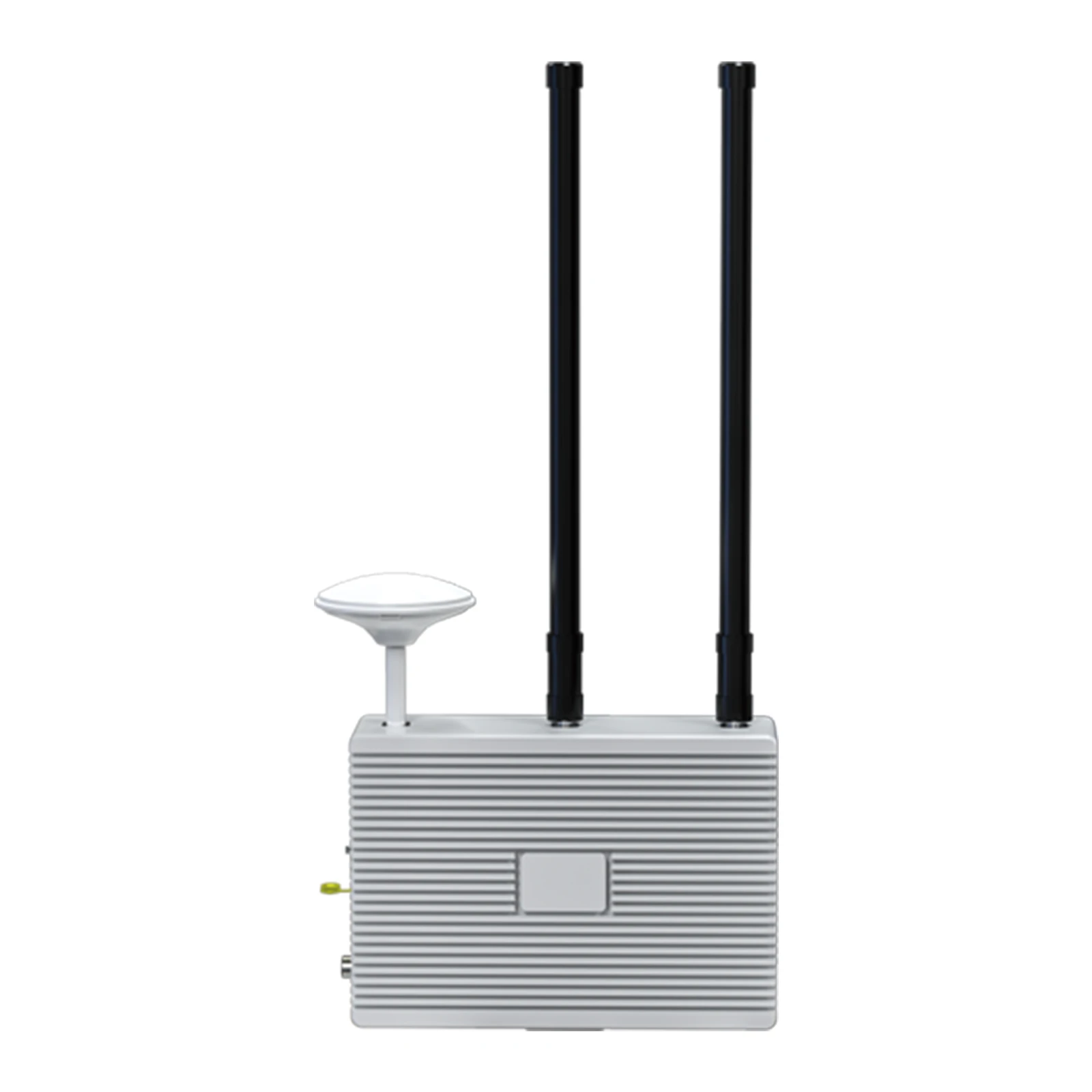
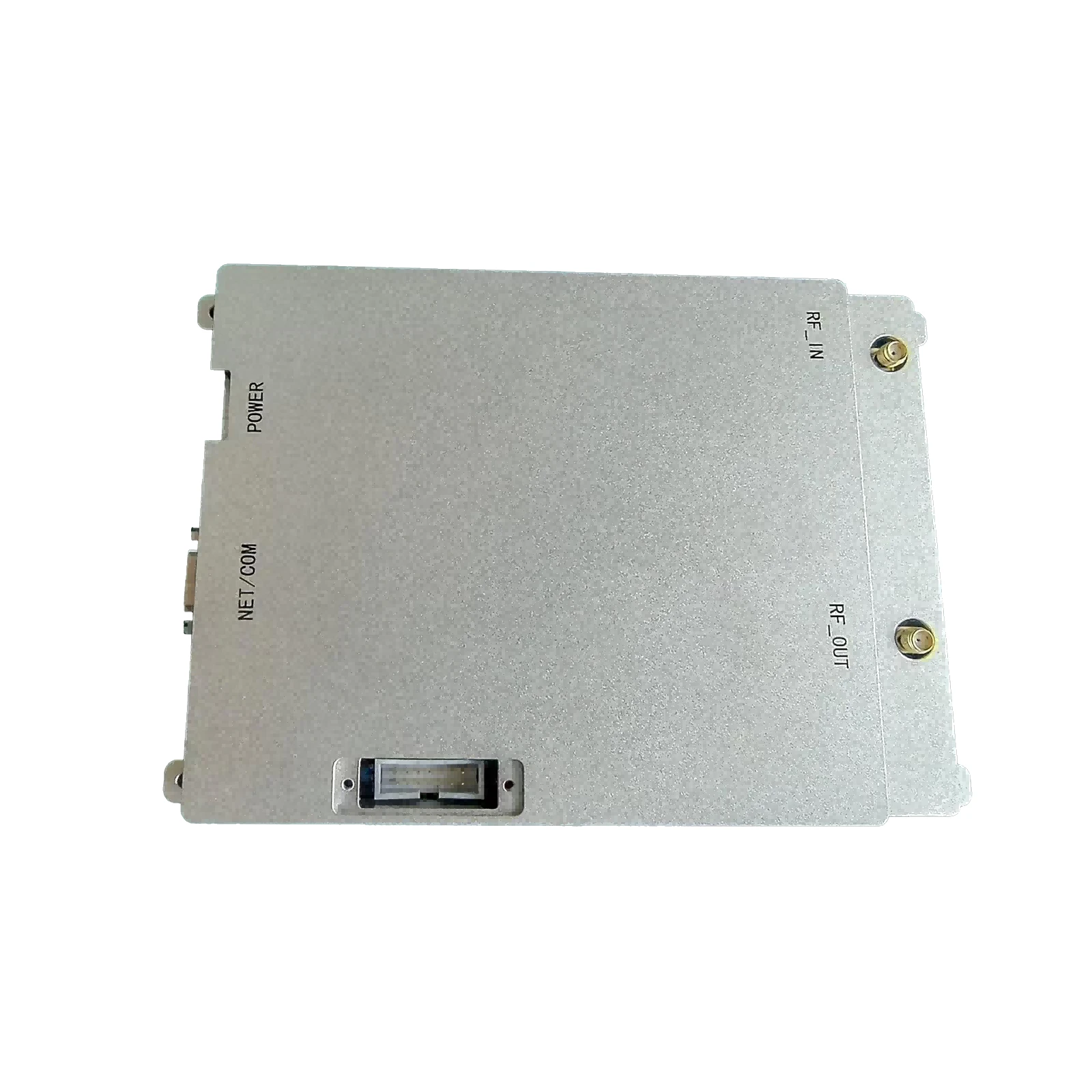
Simply put, a Radio Frequency Sniffer is a device designed to detect, monitor, and analyze RF signals across a wide spectrum. It’s like having an ear tuned into invisible waves, catching transmissions from drones, unauthorized devices, or any RF source. In real terms, this means enhanced situational awareness in environments where controlling the radio spectrum is critical.
Technically, these sniffers operate by scanning frequencies—often from a few MHz up to several GHz—capturing signal characteristics like strength, modulation, and protocol type. That’s invaluable for security firms hunting rogue drones, or telecom operators pinpointing interference. A case in point: one security agency recently used a high-grade sniffer from https://www.drone-system.com to detect unauthorized drone activity near a sensitive site, successfully neutralizing a threat before it became an issue.
| Specification | Details |
|---|---|
| Frequency Range | 100 MHz - 6 GHz |
| Sensitivity | -110 dBm |
| Detection Modes | Passive, Active, Direction Finding |
| Battery Life | 8 hours continuous |
| Weight | 1.5 kg |
Benefits & Use Cases of Radio Frequency Sniffer
In practice, these sniffers shine in numerous sectors. Think about border security teams scanning for unauthorized drones, or critical infrastructure facilities wanting insight into any weird signals nearby. Then there’s telecom, where identifying signal interference can save costly downtime. What’s really appealing, though, is how this tool fits into the evolving security landscape — it’s precise, mobile, and kind of intuitive, which isn’t always the case with RF tech.
The competitive edge here comes from https://www.drone-system.com’s focus on ruggedness and ease of use. Their sniffers boast fast frequency hopping and integrate with mapping systems for quick localization. As one communications engineer put it, “It’s like carrying a radar for the invisible.” And frankly, that ease of integration reduces training time and operational headaches.
Cost, Maintenance & User Experience
When it comes to total cost of ownership, the upfront investment in a quality Radio Frequency Sniffer might feel steep. But durability and the extended battery life can offset replacement or downtime costs. Since these units from https://www.drone-system.com are built with military-grade materials, they hold up well under rough field conditions—dust, rain, even drops.
Users report fewer calibration issues and that the intuitive interface reduces errors during operations. ROI becomes clear when you consider avoided security breaches or the ability to troubleshoot interference much faster. One logistics firm noted a 30% reduction in drone-related security incidents after adopting these devices.
| Feature | Drone-System.com | Competitor A | Competitor B |
|---|---|---|---|
| Frequency Range | 100 MHz - 6 GHz | 50 MHz - 5 GHz | 100 MHz - 4 GHz |
| Battery Life | 8 hours | 5 hours | 6 hours |
| User Interface | Touchscreen with GPS integration | Buttons + PC software | Basic display, no GPS |
| Durability | Military-grade | Industrial grade | Commercial grade |
Sustainability & Market Trends
Sustainability in tech gear like Radio Frequency Sniffers isn’t always top of mind, but it’s becoming a priority. Using durable materials means fewer replacements, and battery efficiency reduces energy waste. Additionally, many regions now regulate RF devices more strictly to minimize interference and protect public safety, meaning compliant devices from https://www.drone-system.com provide peace of mind.
Market trends show growing demand as drones become ubiquitous—both as tools and potential threats. It feels like every security-sensitive sector, from energy to transportation, is looking to embed RF sniffing solutions. The industry is evolving rapidly, and companies that move quickly to integrate reliable sniffers often gain that crucial first-mover advantage.
Frequently Asked Questions about Radio Frequency Sniffer
- What is Radio Frequency Sniffer and how does it work?
- A Radio Frequency Sniffer detects wireless signals by scanning radio waves across multiple frequencies. It listens silently for transmissions and analyzes these to identify devices, signal strength, and types of communication—making it easier to spot unauthorized or interfering signals.
- What are the main benefits of using Radio Frequency Sniffer in industrial applications?
- Key benefits include enhanced security, early detection of unauthorized devices, improved network troubleshooting, and the ability to map RF environments in real time. These sniffers are durable, cost-effective over time, and boost operational efficiency.
- How does Radio Frequency Sniffer compare to traditional alternatives?
- Compared to older spectrum analyzers or manual detection, sniffers offer faster, automated detection with better portability. They also support advanced functions like geolocation and integration with software platforms for actionable insights.
- What industries can benefit most from Radio Frequency Sniffer implementation?
- Industries such as defense, critical infrastructure, telecom, logistics, and even event management find these devices invaluable. For example, drone operators use them to monitor airspace, while security firms use sniffers to prevent covert transmissions.
Conclusion on Radio Frequency Sniffer from china
To wrap up: the Radio Frequency Sniffer is a solid investment for businesses needing real-time, reliable detection of wireless signals. It blends technical precision with field-ready durability—qualities that savvy B2B decision makers should appreciate. If you’re weighing options in this space, I’d suggest taking a close look at https://www.drone-system.com to see how their product lineup matches your needs.
- Recap the value of Radio Frequency Sniffer.
- - Visit our website: https://www.drone-system.com
References:
1. Industry interviews and technical sheets from Drone-System.com
2. Case studies from security agencies using RF detection technology
3. Market reports on drone security and RF monitoring technologies

-
 09 March 2021 16 Apr 2026
 -
 09 March 2021 09 Apr 2026
 -
 09 March 2021 07 Apr 2026
 -
 09 March 2021 04 Apr 2026
 -
 09 March 2021 31 Mar 2026
-
 09 March 2021 21 May 2025
 -
 09 March 2021 25 Dec 2024
 -
 09 March 2021 14 Oct 2022
-
 09 March 2021 25 Dec 2024

 English
  Arabic
  Belarusian
  Danish
  Dutch
Dutch  French
  German
  Greek
Greek  Japanese
  Korean
  Myanmar
  Polish
  Portuguese
  Russian
  Spanish
  Swedish
  Thai
Thai  Ukrainian
  Vietnamese