

RF Amplifier Design Explained: Core Concepts, Global Applications, and Future Trends
Understanding RF Amplifier Design: A Key to Modern Connectivity
RF amplifier design is a niche yet critical element of the telecommunications and electronics industries. But why does it matter beyond the tech circles? Well, the ability to amplify radio frequency signals efficiently impacts everything from how you get your Wi-Fi at home to how remote areas communicate in times of crisis. Getting a solid grip on this topic means appreciating the backbone of wireless innovation that connects billions globally.
Global Context and Industry Relevance
Worldwide, the demand for better and more robust wireless communication is skyrocketing. According to the International Telecommunication Union (ITU), over 5 billion people use the internet today, and nearly 50% of the global population lives in rural or underserved areas where connectivity remains a huge challenge. This is where rf amplifier design comes into play.
Efficient RF amplifiers enable far-reaching and clear radio signal transmission, crucial for everything from cellular networks to satellite communications. Oddly enough, many regions still suffer from poor access due to technical and cost barriers. Optimizing RF amplifier design becomes a global imperative to bridge that digital divide, especially as 5G and IoT technologies demand greater performance and energy efficiency.
What Exactly Is RF Amplifier Design?
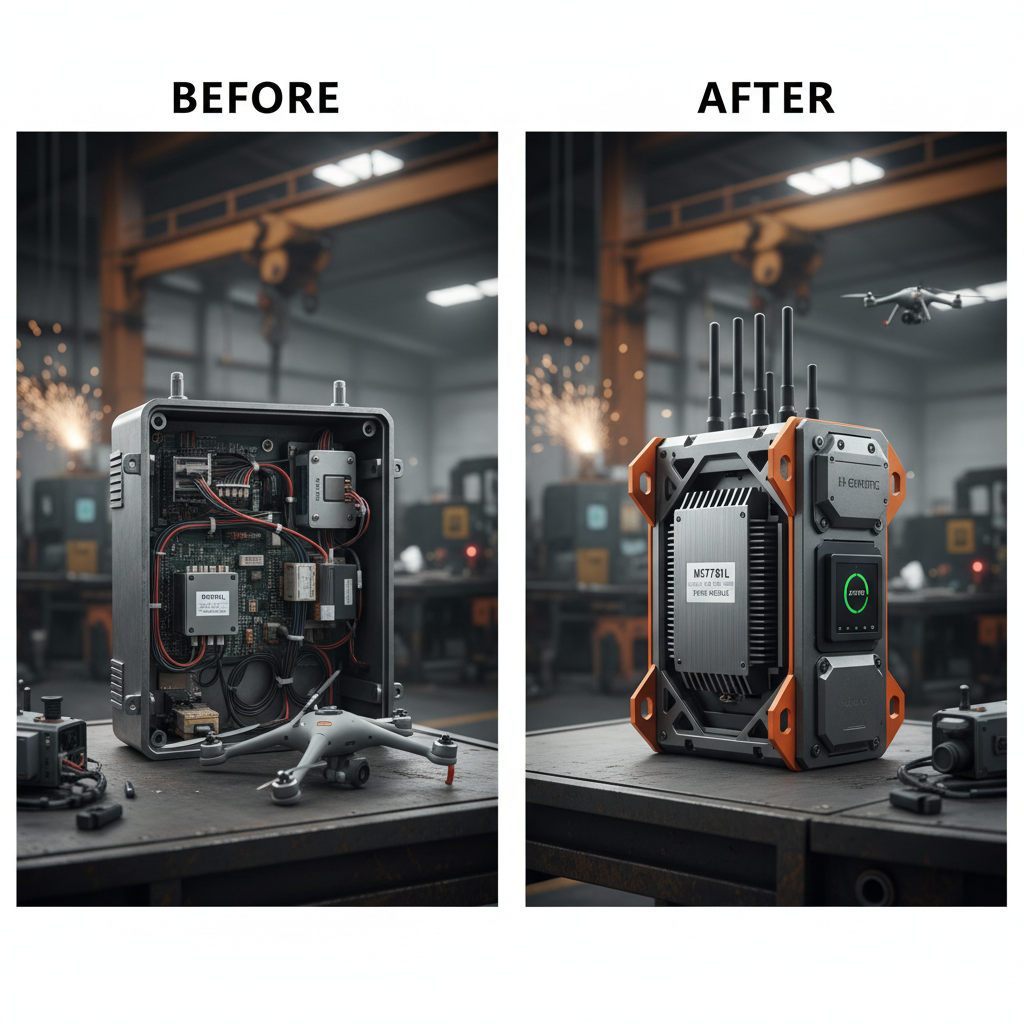
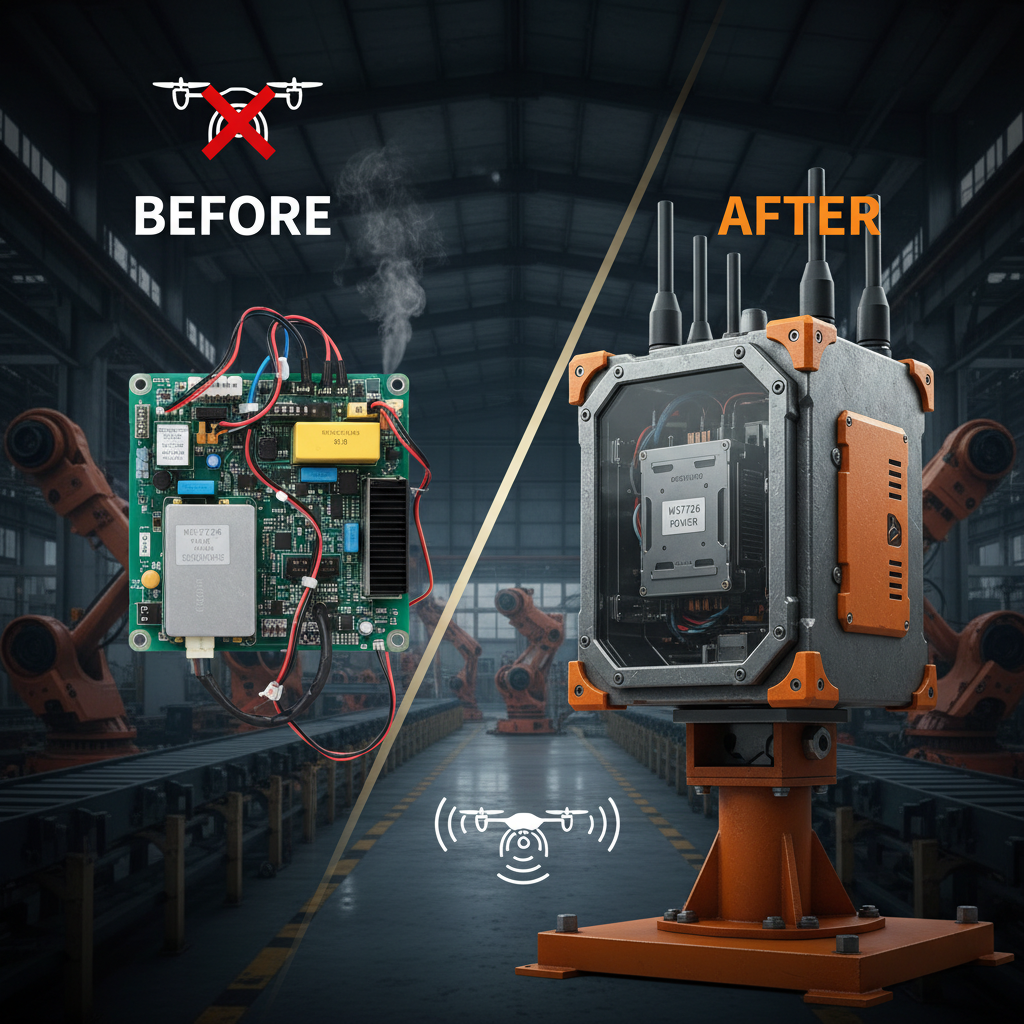
In simple terms, rf amplifier design refers to the process of engineering devices that boost the strength of radio frequency signals without significantly adding noise or distortion.
Think of it like turning up the volume on a barely audible radio broadcast — only that volume boost needs to be precise and clean, preserving the signal integrity. These designs are foundational not just to consumer electronics but also vital to humanitarian operations, such as emergency response systems in disaster zones where clear communication saves lives.
Core Components of RF Amplifier Design
1. Gain and Linearity
Gain represents how much an amplifier boosts a signal. But quality matters — the signal’s linearity ensures it stays true and undistorted. Engineers balance these to prevent signal clipping or interference.
2. Power Efficiency
Lower power consumption translates to less heat and longer device lifetimes, which is critical for battery-operated or remote equipment.
3. Frequency Range
Depending on the application—5G networks or satellite communication—designs must cover specific frequency bands without losing performance.
4. Noise Figure
Keeping added noise low is essential, especially for weak incoming signals like deep-space telemetry or low-power IoT devices.
5. Thermal Stability
Amplifiers generate heat, potentially degrading performance. Good thermal design ensures consistent operation under varying environmental conditions.
Mini takeaway: These factors intertwine to shape effective rf amplifier designs that meet practical and industry requirements.
Global Applications and Real-World Use Cases
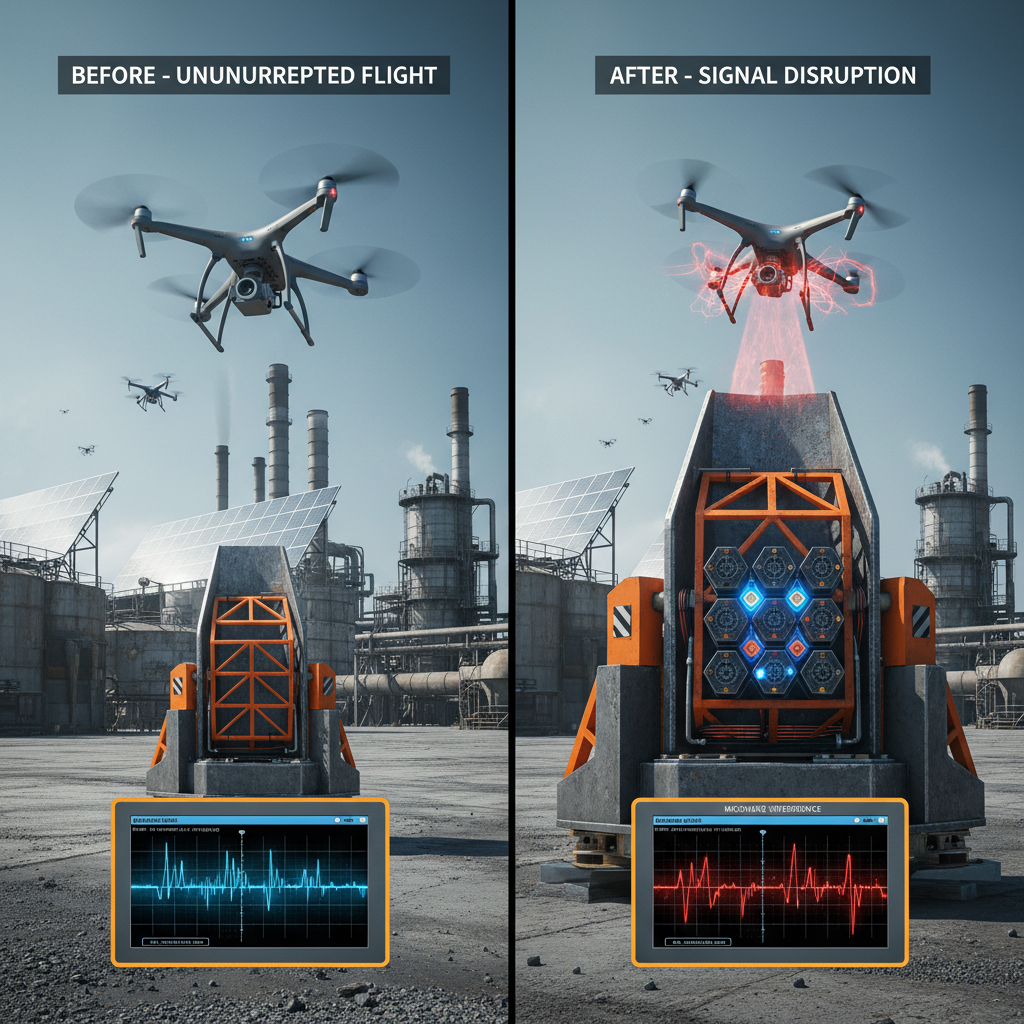
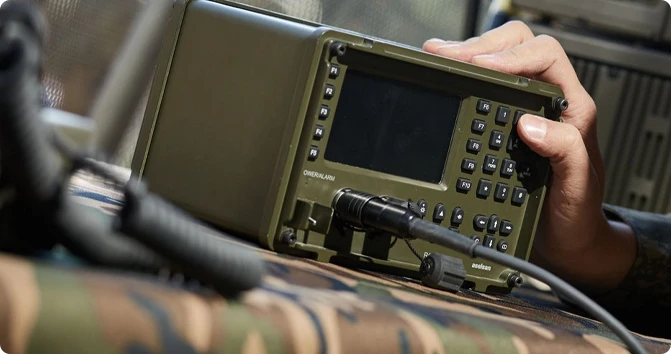
- Post-Disaster Relief: Emergency networks use RF amplifiers to maintain communications when conventional infrastructure is offline. For example, relief teams in earthquake zones deploy portable amplifiers to coordinate rescue efforts.
- Remote Industrial Sites: Oil rigs or mining fields use robust RF solutions where wired networks are impossible.
- 5G and Beyond: As telecom providers expand 5G coverage, next-generation RF amplifiers enable higher data rates and lower latency.
- Space Exploration: Amplifiers designed for ultra-high frequencies allow data transmission over millions of kilometers.
Vendors in the RF Amplifier Space: A Quick Comparison
| Vendor | Frequency Range (GHz) | Power Output (Watts) | Typical Noise Figure (dB) | Use Case Focus |
|---|---|---|---|---|
| Vendor A | 0.5 – 6 | 10 | 2.5 | Commercial 4G/5G Systems |
| Vendor B | 1 – 12 | 20 | 1.9 | Satellite & Aerospace |
| Vendor C | 0.1 – 3 | 5 | 3.0 | IoT & Sensor Networks |
The Long-Term Value of Effective RF Amplifier Design
Investing in strong RF amplifier design yields tangible outcomes: better coverage at a lower cost, more reliable data links, and sustainable operation that spans years—even decades. It’s about more than numbers, though. It’s about trust: trust that your communication won’t drop mid-call, trust that emergency responders can coordinate in a crisis, and trust in the innovation that keeps society connected.
What’s Next? Future Innovations in RF Amplifier Design
Looking ahead, green energy compatibility and digital automation will transform RF amplifier landscapes. Materials like gallium nitride (GaN) are already pushing power efficiency and heat dissipation boundaries. Simultaneously, AI-driven adaptive amplifiers will enable real-time signal optimization in complex environments. It’s an electrifying time—pun intended—for anyone paying attention!
Challenges and Smart Solutions
Currently, engineers wrestle with balancing size, performance, and cost. High-frequency designs can be physically large or expensive. Plus, environmental factors like temperature swings impose design hurdles. But innovations like integrated circuits with novel semiconductor materials and compact cooling solutions are helping overcome these issues. Frankly, it’s a continuous cycle of iteration and testing.
FAQ: Common Questions About RF Amplifier Design
- What factors determine the best RF amplifier for a cellular network?
- Key factors include frequency compatibility, power output matching the coverage area, noise figure for signal clarity, and thermal design to ensure durability.
- Can RF amplifiers be made energy-efficient for battery-powered devices?
- Yes, by using advanced semiconductor materials like GaN and optimizing amplifier class designs, engineers enhance efficiency to prolong battery life.
- How does RF amplifier design impact disaster relief communications?
- Well-designed amplifiers ensure that temporary networks have sufficient range and clarity, letting responders coordinate quickly and effectively in challenging environments.
- Is customization common in RF amplifier solutions?
- Absolutely. Many applications require tailored gain, frequency range, or power handling to meet specific operational needs.
- Where can I learn more about advanced RF amplifier design techniques?
- Trusted sources include IEEE journals, telecommunication technology forums, and specialized sites like rf amplifier design communities.
Conclusion
In real terms, mastering rf amplifier design unlocks better wireless performance that touches lives worldwide—whether through high-speed internet, remote sensing, or emergency response. It’s a foundation that supports innovation, trust, and connection alike.
If you’re ready to dive deeper into this fascinating field or need expert solutions, visit our website: https://www.drone-system.com.
Mini takeaway: Good RF design isn’t just engineering — it’s enabling global progress every time you send a signal.
References:

-
 09 March 2021 16 Apr 2026
 -
 09 March 2021 09 Apr 2026
 -
 09 March 2021 07 Apr 2026
 -
 09 March 2021 04 Apr 2026
 -
 09 March 2021 31 Mar 2026
-
 09 March 2021 21 May 2025
 -
 09 March 2021 25 Dec 2024
 -
 09 March 2021 14 Oct 2022
-
 09 March 2021 25 Dec 2024

 English
  Arabic
  Belarusian
  Danish
  Dutch
Dutch  French
  German
  Greek
Greek  Japanese
  Korean
  Myanmar
  Polish
  Portuguese
  Russian
  Spanish
  Swedish
  Thai
Thai  Ukrainian
  Vietnamese