

RF Amplifier Testing: Key to Reliable Wireless Communications and Innovation
RF Amplifier Testing: Ensuring Reliable Performance in a Connected World
RF amplifier testing is something of a behind-the-scenes hero in today’s hyper-connected industries. Without it, our communications, satellite systems, and even emergency responders’ radios might falter unpredictably. Globally, as wireless technology touches every corner of the world—from urban centers of innovation to remote relief operations—knowing your RF amplifiers are robust and reliable is critical. It’s not just about better tech; it’s about ensuring safety, efficiency, and trust in the invisible threads of radio frequency signals around us.
Introduction: Why RF Amplifier Testing Matters Globally
Worldwide, the wireless communication market continues to boom—according to the International Telecommunication Union (ITU), over 67% of the global population accessed the internet in 2023, and that number is climbing. RF amplifiers, at the heart of signal transmission, play a pivotal role here. But as networks expand into dense urban areas and remote wilderness alike, the challenge is clear: ensuring that amplifiers perform consistently in wildly different environments and loads.
Network outages caused by faulty or poorly tested RF amplifiers can mean anything from dropped calls to life-critical communication failures. Given that the International Organization for Standardization (ISO) highlights rigorous testing as key to product reliability, rf amplifier testing is a vital process. It’s basically a quality gatekeeper in a world where “always connected” isn’t a luxury—it’s a lifeline.
What Exactly Is RF Amplifier Testing?
At its core, RF amplifier testing evaluates how these devices amplify radio frequency signals with minimal distortion while handling power and heat stresses. Think of it as a thorough check-up before the amplifier takes the stage—measuring parameters like gain, noise figure, linearity, and output power. This ensures they meet design specs and regulatory standards that vary across countries but universally demand precision.
This isn’t just geek speak—reliable amplification keeps everything from cellular base stations to satellite TV running smoothly and supports humanitarian organizations that use radios for coordination in disaster zones.
Core Components of RF Amplifier Testing
1. Gain and Linearity
Measuring how much the amplifier boosts a signal and how faithfully it preserves the original shape matters a lot. If an amplifier skews the signal, communication becomes fuzzy or unreliable.
2. Noise Figure
Every amplifier introduces some background noise. Testing the noise figure ensures this stays minimal so signals don’t get lost in static.
3. Power Handling and Durability
Amplifiers often operate under varying power loads and temperatures. Stress tests evaluate if they hold up under harsh conditions without failing.
4. Frequency Range and Scalability
Different applications require amplifiers tuned to specific frequencies. Testing ensures versatile devices perform well across needed bands.
5. Compliance and Safety Testing
Regulatory bodies demand safety certifications, including electromagnetic compatibility (EMC) and thermal safety tests, all part of a rigorous RF amplifier testing regimen.
Mini takeaway: Each of these factors works together to guarantee that when an RF amplifier hits the field, it won’t let anyone down.
Global Applications and Use Cases of RF Amplifier Testing
- Telecommunications: From 5G base stations in Seoul to rural cellular towers in Kenya, testing ensures connectivity is crystal-clear.
- Broadcasting: TV and radio stations rely on high-performance RF amplifiers to deliver uninterrupted content to millions.
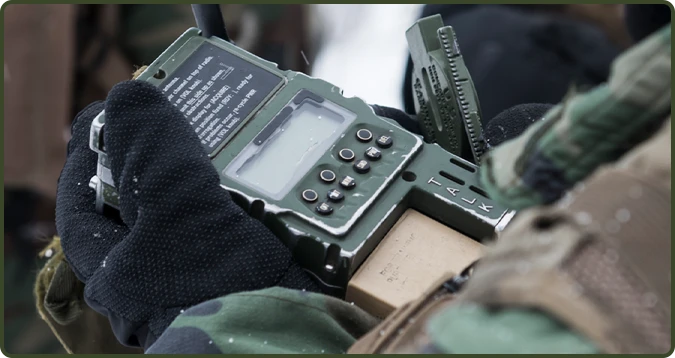
- Disaster Relief and Emergency Services: In post-disaster zones like the Philippines or California wildfire areas, well-tested radio amplifiers help first responders coordinate efforts.
- Space and Satellite Communications: Amplifiers on satellites and ground stations must perform flawlessly despite extreme environments.
The diversity of use underscores why testing isn’t “one size fits all.” It’s a tailored process reflective of the amplifier’s final mission.
Advantages & Long-Term Value of RF Amplifier Testing
Quality testing brings clear benefits, from ensuring cost efficiency by reducing field failures to promoting sustainability through longer-lasting hardware. Socially, reliable RF links secure systems that people trust for their safety—think elderly emergency alert devices or remote healthcare monitoring. It’s a blend of technological rigor and human dignity.
Ultimately, investing in extensive RF amplifier testing is about minimizing risks and maximizing uptime, fostering innovation, and building confidence among users and regulators alike.
Future Trends & Innovations in RF Amplifier Testing
The future here is really fascinating. Advances like AI-driven automated testing platforms speed up diagnostics and reduce human error. Meanwhile, materials science is producing amplifiers that handle higher frequencies and power more efficiently, slashing energy consumption. Green initiatives also push for eco-friendly components and processes, aligning amplifier testing with global sustainability goals.
Also, as 6G and IoT grow, testing scope widens to cover increasingly complex signal environments. So if you’re in the field, expect less manual tuning and more smart, predictive maintenance!
Challenges & Solutions in RF Amplifier Testing
It’s not all smooth sailing. The industry grapples with standardization hurdles—amplifiers serving different regions may face conflicting requirements. Plus, high testing costs and complexity sometimes slow down getting products to market.
Innovative solutions include modular testing setups that easily adapt to multiple frequencies and remote testing platforms allowing field diagnostics without specialist boots on the ground. Collaboration between vendors and standards bodies is also improving harmonization globally.
Product Specification Table: Typical High-Performance RF Amplifier
| Specification | Value |
|---|---|
| Frequency Range | 1 GHz - 6 GHz |
| Gain | 30 dB ± 1 dB |
| Noise Figure | |
| Output Power | +30 dBm |
| Operating Temperature | -40°C to +85°C |
| Power Consumption |
Vendor Comparison: Leading RF Amplifier Testing Solutions
| Vendor | Testing Range | Automation Level | Global Certifications | Typical Clients |
|---|---|---|---|---|
| TestTech Solutions | 0.5 GHz - 8 GHz | High | ISO, CE, FCC | Telecom, Aerospace |
| GlobalAmp Testing | 1 GHz - 6 GHz | Medium | ISO, RoHS | Broadcast, Defense |
| AmpCheck Pro | 0.1 GHz - 12 GHz | High | ISO, FCC, CE | Satellite, IoT Startups |
Frequently Asked Questions about RF Amplifier Testing
Q1: What are the main parameters checked during RF amplifier testing?
A: Key parameters include gain stability, noise figure, output power, linearity, and frequency response. These ensure the amplifier amplifies signals accurately and reliably under operational conditions.
Q2: How often should RF amplifiers be tested in a production cycle?
A: Typically, amplifiers are tested at multiple stages: post-manufacture, after environmental stress tests, and before final deployment. Periodic in-field testing may also help prolong service life.
Q3: Can RF amplifier testing help reduce overall system downtime?
A: Absolutely. By catching potential failures early through rigorous testing, manufacturers can significantly reduce unexpected outages, saving repair costs and improving customer satisfaction.
Q4: Are there portable testing solutions for field technicians?
A: Yes, many vendors now offer compact, automated testers that technicians can use onsite, increasing flexibility and speeding up troubleshooting without bulky lab equipment.
Conclusion: The Lasting Importance of RF Amplifier Testing
In a nutshell, RF amplifier testing isn’t just a technical step—it’s a critical safeguard ensuring our increasingly wireless world stays dependable and safe. The long-term benefits touch everything from economic savings to humanitarian reliability. So, whether you’re developing next-gen communication tech or supporting disaster response teams, investing in thorough, modern testing protocols is non-negotiable.
Want to deep-dive into practical rf amplifier testing solutions and industry trends? Visit our website for expert insights and tailored services that help you ensure your amplifiers perform when it counts.
Oddly enough, sometimes it's the invisible waves where we put the most trust... and that starts with rigorous testing.
References

-
 09 March 2021 16 Apr 2026
 -
 09 March 2021 09 Apr 2026
 -
 09 March 2021 07 Apr 2026
 -
 09 March 2021 04 Apr 2026
 -
 09 March 2021 31 Mar 2026
-
 09 March 2021 21 May 2025
 -
 09 March 2021 25 Dec 2024
 -
 09 March 2021 14 Oct 2022
-
 09 March 2021 25 Dec 2024

 English
  Arabic
  Belarusian
  Danish
  Dutch
Dutch  French
  German
  Greek
Greek  Japanese
  Korean
  Myanmar
  Polish
  Portuguese
  Russian
  Spanish
  Swedish
  Thai
Thai  Ukrainian
  Vietnamese