

RF Amplifier Transistor Guide | Industrial Component Insights
Understanding the RF Amplifier Transistor: An Industrial Insider’s View
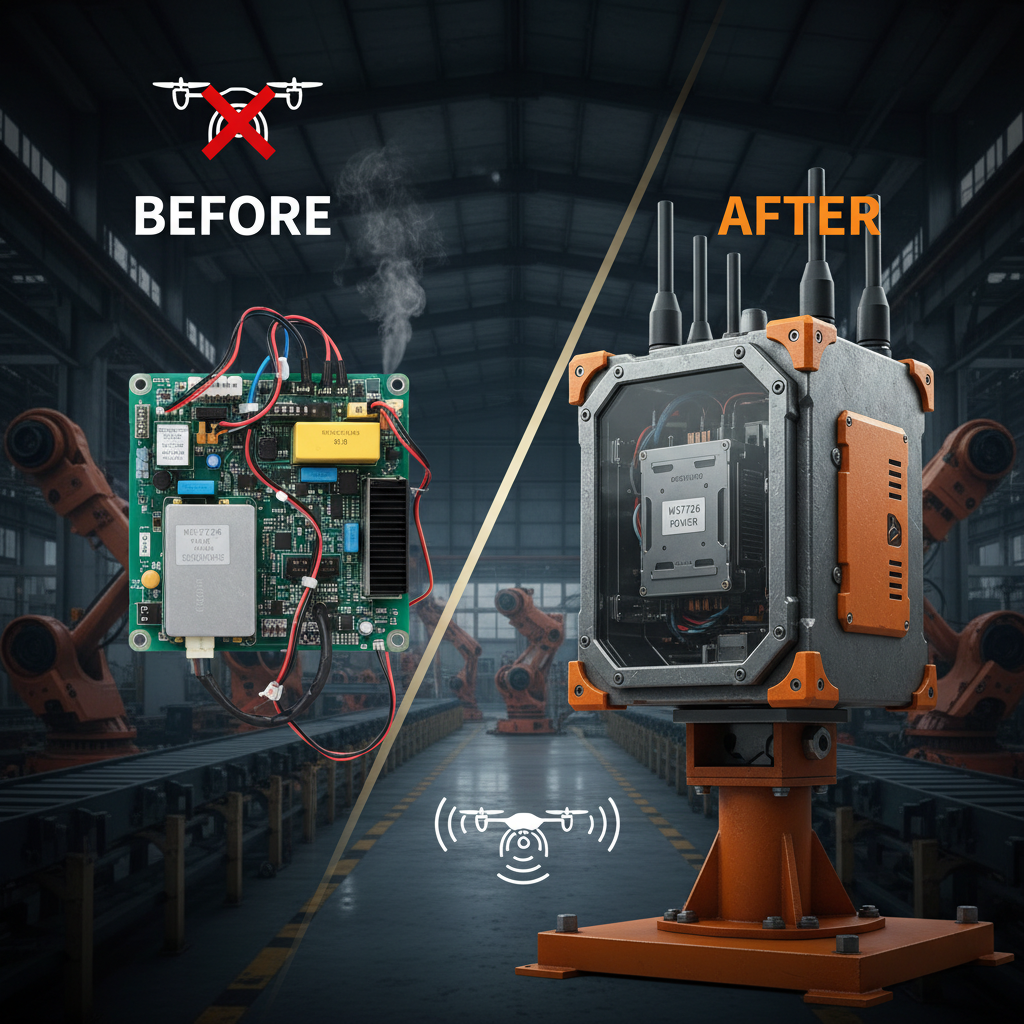
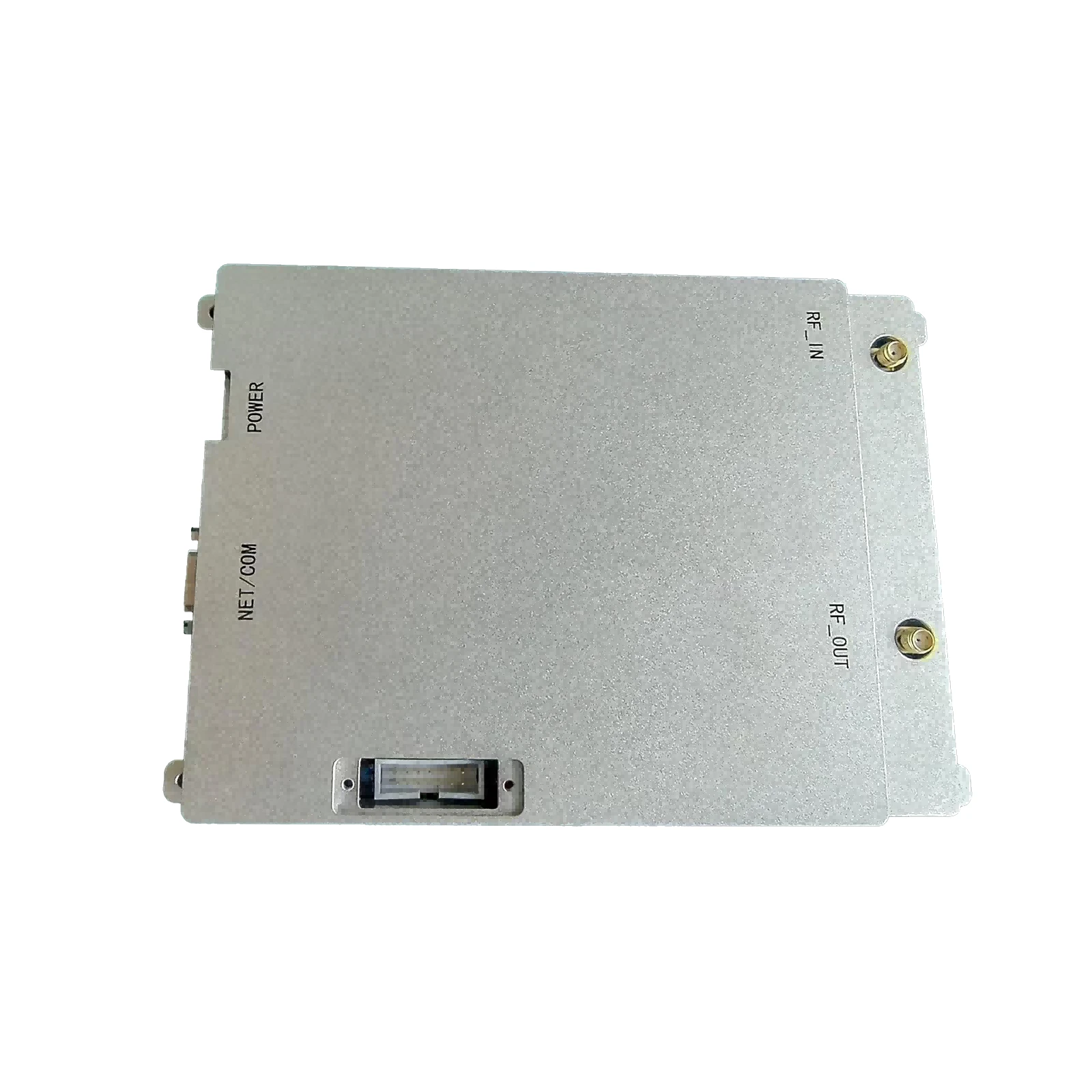
Having spent more than a decade in the industrial equipment sector, I’ve come across countless components—some unexciting, others game-changers. The RF amplifier transistor definitely falls into that latter camp. At first glance, it might seem like just another semiconductor, but in real terms, it’s the heart that pumps power into radio frequency circuits for everything from wireless communications to radar systems.
These transistors aren’t your typical everyday parts. What really fascinates me is how design, material choice, and testing rigor come together to shape their performance. Oddly enough, you might not realize just how much customization goes into what seems a straightforward component. Whether it’s GaN or LDMOS technology, the choice affects gain, efficiency, and heat tolerance—critical factors in industrial-grade amplifiers.
From my experience, reliability under tough conditions is what really sets industrial RF transistors apart. They’re tested extensively—thermal cycling, vibration, and power stress—to ensure they don’t just work on a benchtop but survive real-world vibration, temperature swings, and continuous operation. It’s a detail many engineers overlook until something fails spectacularly in the field.
Typical Product Specifications of a High-Performance RF Amplifier Transistor
| Specification | Details |
|---|---|
| Technology | LDMOS / GaN |
| Frequency Range | 500 MHz to 3 GHz (typical) |
| Output Power | 10 W to 150 W |
| Gain (dB) | 12 to 18 dB |
| Operating Voltage | 28 V to 50 V |
| Package Type | Flange-mount / Surface-mount |
| Typical Efficiency | 50% to 75% |
Let me share a quick anecdote: a client I worked with once struggled finding a transistor that could sustain long hours in a desert environment. We ended up testing several options, and the key was not just power but thermal management—since overheating was the real killer. Choosing a transistor with a sturdy flange mount and good heat dissipation made all the difference. It’s often these subtle engineering details that save time and money down the line.
Comparing Industry Vendors: What to Look For
| Vendor | Tech Focus | Max Output Power | Thermal Design | Typical Applications |
|---|---|---|---|---|
| Vendor A | LDMOS | 100 W | Flange mount, copper base | Base stations, radar |
| Vendor B | GaN | 150 W | Advanced heat sinks, ceramic packaging | 5G, satellite comms |
| Vendor C | Hybrid (GaN/LDMOS) | 80 W | Modular packaging, optimized thermal pads | Defense, industrial testing |
Choosing a vendor isn’t just about specs. I’ve learned, often the best performance in the datasheet doesn’t always translate to real-world reliability. You want a supplier who understands your operational environment and backs up their product with solid testing protocols and support. Frankly, many engineers underestimate how much this matters until a transistor fails mid-project.
In summary: whether you’re designing a small telemetry system or a large radar installation, picking the right RF amplifier transistor can simplify your design process and improve long-term reliability. I suppose it’s exactly this blend of engineering detail and practical usage that keeps these components so endlessly interesting.
References:
- RF Power Semiconductor Devices - Wiley, Technical Reference
- GaN & LDMOS Device Application Notes, Industry White Papers
- Field Experience with RF Amplifier Transistors, Internal Reports

-
 09 March 2021 16 Apr 2026
 -
 09 March 2021 09 Apr 2026
 -
 09 March 2021 07 Apr 2026
 -
 09 March 2021 04 Apr 2026
 -
 09 March 2021 31 Mar 2026
-
 09 March 2021 21 May 2025
 -
 09 March 2021 25 Dec 2024
 -
 09 March 2021 14 Oct 2022
-
 09 March 2021 25 Dec 2024
 English
  Arabic
  Belarusian
  Danish
  Dutch
Dutch  French
  German
  Greek
Greek  Japanese
  Korean
  Myanmar
  Polish
  Portuguese
  Russian
  Spanish
  Swedish
  Thai
Thai  Ukrainian
  Vietnamese