

Securing Data Centers With Advanced Radio Signal Detection
In an era where data breaches and cyberattacks threaten global infrastructure, radio frequency detection devices have emerged as critical tools for safeguarding sensitive information. Data centers, the backbone of modern digital operations, face escalating risks from unauthorized wireless transmissions. Advanced systems like remote frequency detectors and radio frequency sniffers now play a pivotal role in identifying vulnerabilities and ensuring compliance with stringent security protocols. This article explores how these technologies address high-sensitivity requirements and integrate seamlessly into monitoring frameworks to protect data integrity.
The Critical Role of High-Sensitivity Remote Frequency Detectors
Modern data centers require remote frequency detectors capable of identifying even the faintest signals to prevent covert eavesdropping. Traditional security measures often fail to detect low-power transmissions from miniature bugs or unauthorized devices, leaving networks exposed. High-sensitivity detectors, however, scan broad frequency ranges with precision, pinpointing anomalies that could indicate malicious activity.
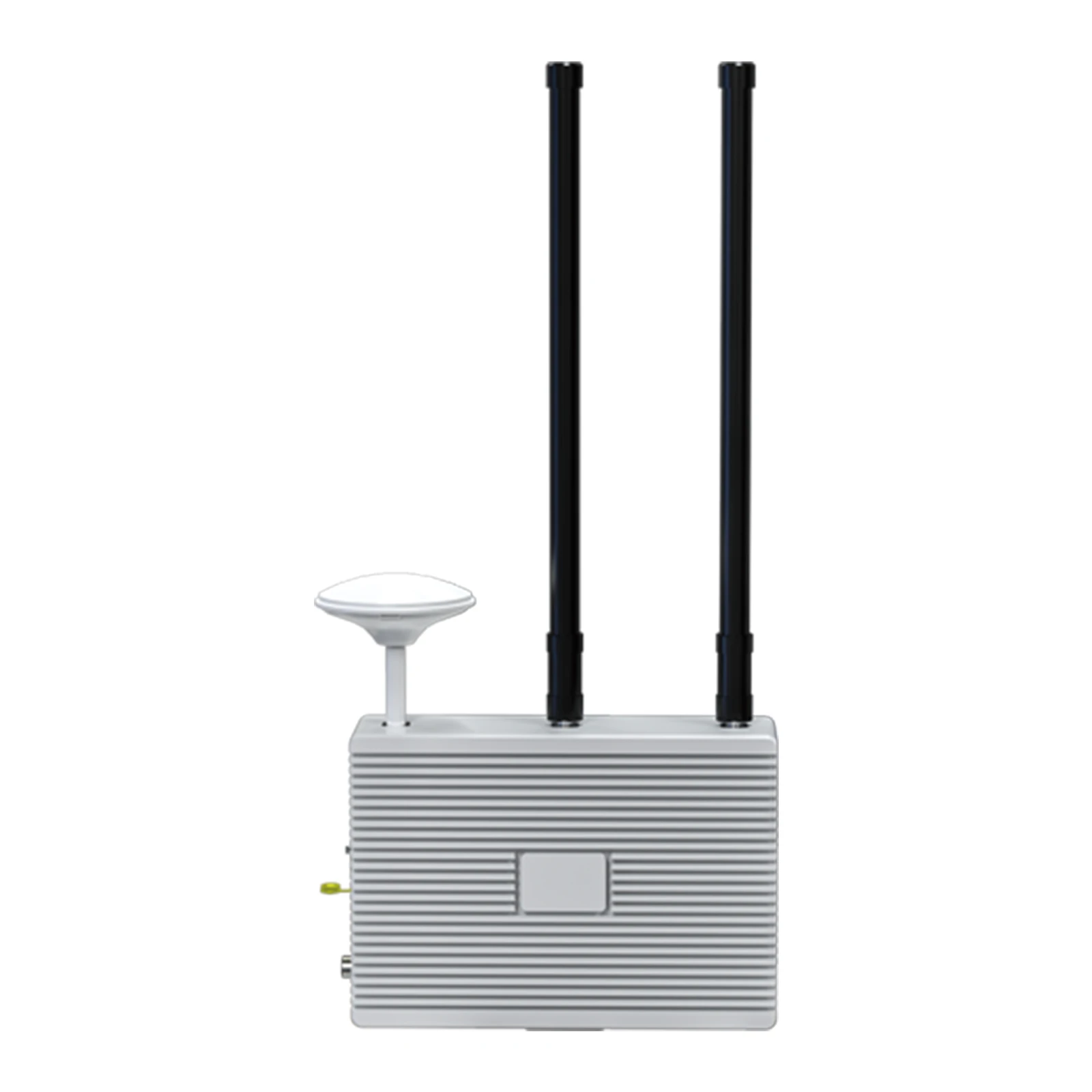
For instance, a radio frequency sniffer deployed in server rooms continuously monitors electromagnetic emissions. Its ability to detect RF signals at ultra-low power levels ensures that threats like rogue IoT devices or hidden transmitters are neutralized before data exfiltration occurs. This technology is particularly vital in environments where physical access controls are insufficient to counter sophisticated cyber-physical attacks.
Integration with existing security systems further enhances functionality. By linking radio frequency detection devices to centralized alarms or automated response protocols, data center managers gain real-time insights into potential breaches. This proactive approach minimizes downtime and reinforces compliance with global data protection standards.
Radio Frequency Sniffers: Bridging Monitoring Gaps in Data Centers
A radio frequency sniffer acts as a sentinel, identifying unauthorized transmissions that conventional firewalls overlook. These devices excel in environments cluttered with legitimate wireless traffic, such as Wi-Fi, Bluetooth, and cellular signals. By filtering noise and isolating suspicious patterns, sniffers provide actionable intelligence for security teams.
One key application is detecting "tempest attacks," where hackers reconstruct data from electromagnetic leaks emitted by hardware. Advanced sniffers detect RF signals associated with such leaks, enabling rapid countermeasures. Additionally, they identify unauthorized devices—like covert listening tools—planted by malicious insiders or external infiltrators.
The scalability of radio frequency detection devices makes them adaptable to data centers of all sizes. Modular designs allow for deployment in server racks, perimeter walls, or ventilation systems, ensuring comprehensive coverage. This flexibility ensures that even aging facilities can upgrade their defenses without costly infrastructure overhauls.
Integrating Detection Systems for Holistic Data Center Security
Effective security relies on unifying remote frequency detectors with other monitoring tools. For example, pairing RF sniffers with thermal sensors or motion detectors creates a multi-layered defense system. Such integration helps distinguish between false alarms and genuine threats, reducing response time during emergencies.
Cloud-based management platforms further streamline operations. Administrators can configure radio frequency detection devices remotely, adjust sensitivity thresholds, and review historical data to identify recurring vulnerabilities. This centralized control is invaluable for multinational corporations managing distributed data centers across time zones.
Training personnel to interpret alerts from radio frequency sniffers is equally crucial. Security teams must understand how RF anomalies correlate with potential breaches, enabling swift containment. Regular drills and scenario-based simulations ensure readiness against evolving threats.
Future-Proofing Data Centers With Adaptive RF Detection
As wireless technologies evolve, so do the tactics of cybercriminals. Radio frequency detection devices must adapt to emerging frequencies and modulation techniques used in espionage. Machine learning algorithms now empower sniffers to "learn" normal emission patterns and flag deviations autonomously.
For instance, 6G networks and quantum communication systems will introduce new challenges. Proactive adoption of agile remote frequency detectors ensures compatibility with next-gen infrastructure. Manufacturers are also prioritizing energy efficiency, enabling 24/7 operation without straining data center power budgets.
Collaboration between governments and tech firms is accelerating standardization. Regulatory frameworks mandating RF shielding and detection in critical facilities will likely expand, cementing the role of these devices in global cybersecurity strategies.
Securing Data Centers With Advanced RF Detection: FAQs
How Do Radio Frequency Sniffers Protect Home Networks?
While designed for data centers, radio frequency sniffers can identify unauthorized devices like hidden cameras or Wi-Fi eavesdropping tools in residential settings. They help homeowners secure smart home ecosystems against intrusions.
Can Remote Frequency Detectors Prevent Drone Surveillance?
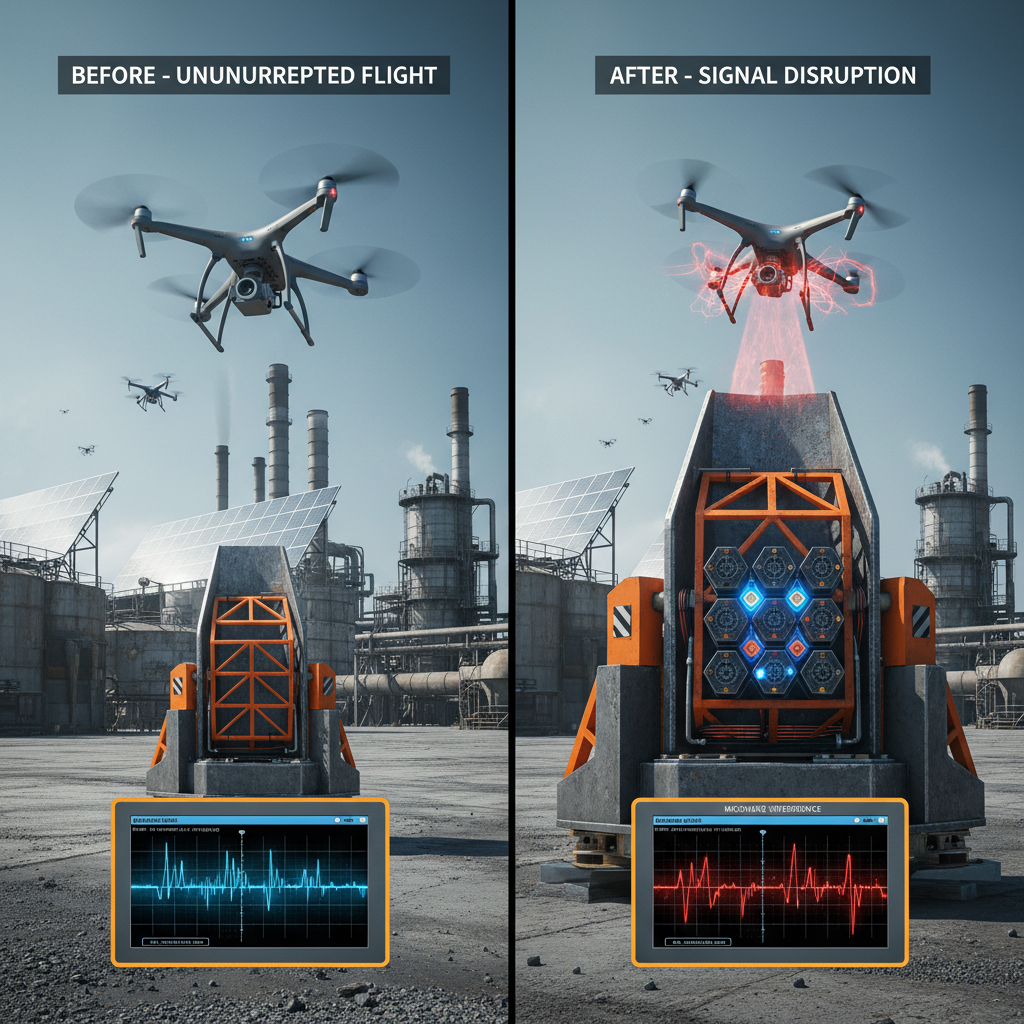
Yes. High-sensitivity remote frequency detectors can identify drone control signals or video transmission frequencies, alerting users to potential aerial surveillance near restricted areas.
Are Radio Frequency Detection Devices Difficult to Install?
Modern radio frequency detection devices feature plug-and-play designs. Most systems integrate with existing security software, requiring minimal technical expertise for setup.
Do RF Sniffers Interfere With Legitimate Wireless Communications?
No. Advanced radio frequency sniffers operate passively, monitoring emissions without disrupting Wi-Fi, Bluetooth, or other authorized transmissions.
Why Should Small Businesses Invest in RF Detection?
Even small-scale data breaches can cripple businesses. Affordable radio frequency detection devices offer enterprise-grade protection, shielding customer data and intellectual property from wireless threats.
As wireless threats grow in sophistication, equipping your data center with advanced radio frequency detection devices is no longer optional—it’s imperative. Explore our range of high-sensitivity remote frequency detectors and radio frequency sniffers designed to meet rigorous security standards. Visit https://www.drone-system.com/ to learn more and request a customized solution. Protect your infrastructure; act now before the next breach occurs.

-
 09 March 2021 16 Apr 2026
 -
 09 March 2021 09 Apr 2026
 -
 09 March 2021 07 Apr 2026
 -
 09 March 2021 04 Apr 2026
 -
 09 March 2021 31 Mar 2026
-
 09 March 2021 21 May 2025
 -
 09 March 2021 25 Dec 2024
 -
 09 March 2021 14 Oct 2022
-
 09 March 2021 25 Dec 2024

 English
  Arabic
  Belarusian
  Danish
  Dutch
Dutch  French
  German
  Greek
Greek  Japanese
  Korean
  Myanmar
  Polish
  Portuguese
  Russian
  Spanish
  Swedish
  Thai
Thai  Ukrainian
  Vietnamese