Look, I've spent years in the dust and dirt, watching things get built. From skyscrapers to simple sheds, there's one thing that always matters: reliable communication. And increasingly, that means relying on robust radio frequency (RF) solutions. The whole game hinges on being able to coordinate teams, monitor equipment, and react to issues in real-time. That’s where the importance of a solid oem rf module comes in. It's not about fancy specs; it's about whether the signal actually holds up when it counts. I've seen projects stall because of flaky wireless, and frankly, it's a disaster.
We're talking about a massive global industry. The wireless communication market is projected to reach billions, fueled by the growth of IoT, industrial automation, and, yes, a demand for more reliable construction tech. According to Statista, the IoT market alone is expected to exceed 1.5 billion connected devices by 2025. This isn’t just about connecting thermostats; it's about sensors on heavy machinery, remote control of drones inspecting bridges, and real-time location tracking of personnel. And all of that relies on a solid RF backbone, and increasingly, that's where these specialized oem rf modules shine.
The biggest challenge? Noise. Interference. Physical obstructions. Construction sites are RF nightmares. You’ve got metal, concrete, generators, welding equipment… everything trying to drown out the signal. That's why you can't just grab any off-the-shelf wireless module. You need something designed for harsh environments, something with the power and sensitivity to cut through the clutter. It's about practical, reliable performance, not just lab tests.
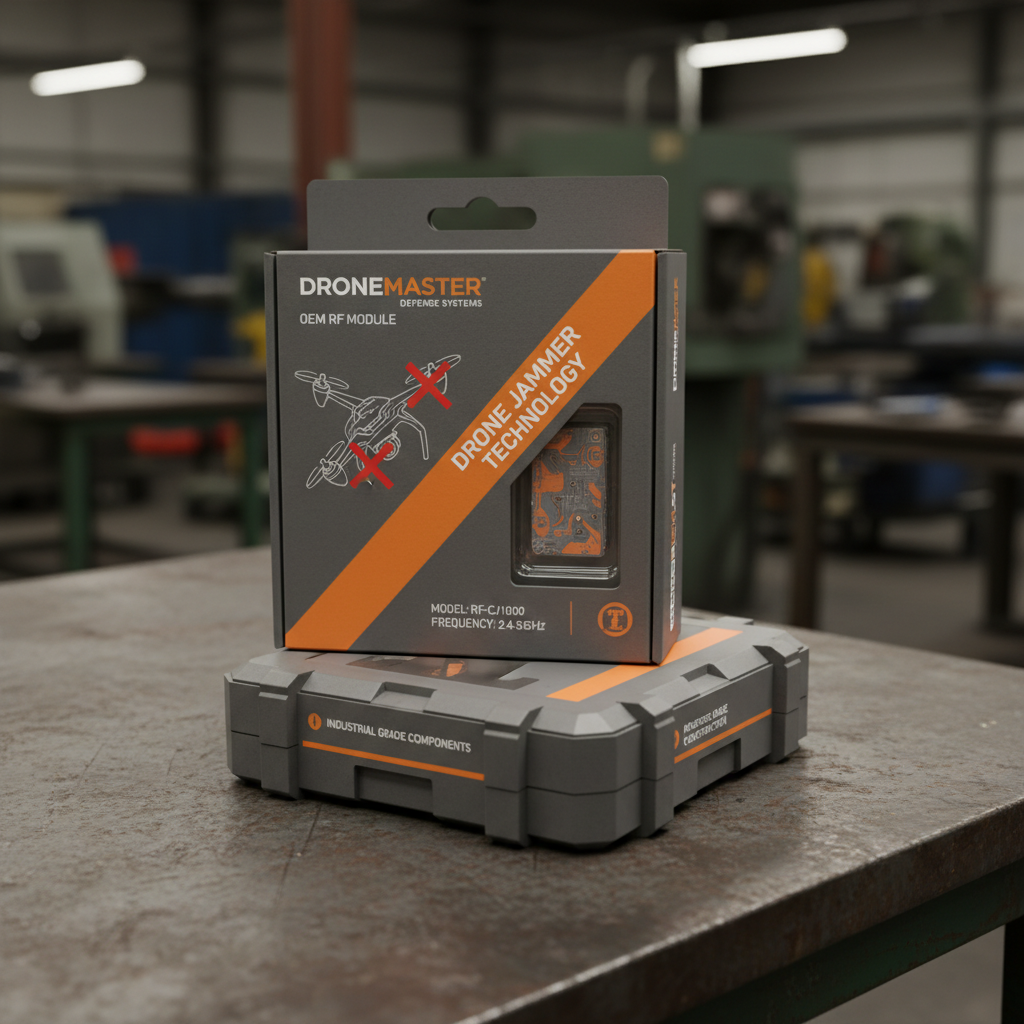

Let's be blunt: these aren’t components you can skimp on. A high-quality oem rf module is the backbone of any reliable wireless system on a construction site – think remote-controlled machinery, safety monitoring, and asset tracking. You need a signal that can penetrate concrete and steel, resist interference from power tools, and maintain connectivity over significant distances. It’s about keeping people safe and projects on schedule.
We're seeing a lot of growth in utilizing these modules within drone-based inspection systems. Drones are fantastic for surveying sites, but they need a robust RF link to transmit data back to the operator. Any drop in signal means lost footage, potentially missed hazards, and wasted time. A reliable oem rf module makes those systems truly viable.
Selecting an oem rf module for construction requires prioritizing robustness. Look for modules with a wide operating temperature range, high shock and vibration resistance, and strong ingress protection (IP rating). Signal sensitivity is also critical to penetrate concrete and steel. Consider the specific frequency band regulations in your region, and prioritize security features to protect against unauthorized access. Don't just look at specs on a datasheet; ask for field test reports.
Minimizing interference is a constant battle. Start with careful site planning – position antennas away from potential sources of noise like welding machines and generators. Utilize directional antennas to focus the signal and reduce unwanted radiation. Frequency hopping can help avoid congested channels. Shielding sensitive equipment can also make a difference. Regular spectrum analysis can help identify and mitigate interference sources.
Range varies significantly depending on the environment, antenna design, and transmit power. In a typical construction site with obstructions, you can realistically expect a range of 100-300 meters. Utilizing mesh networking or repeater stations can extend the range significantly. It’s crucial to perform site surveys and testing to determine actual range in your specific application.
Security is paramount. Construction sites are prime targets for theft and vandalism. Using modules with built-in encryption and authentication protocols protects sensitive data and prevents unauthorized control of equipment. Regularly update firmware and implement strong access controls to mitigate potential vulnerabilities. Remember that a compromised RF link could have serious safety consequences.
Pre-certification saves you a tremendous amount of time and money. Obtaining regulatory approval for wireless devices can be a complex and expensive process. Pre-certified modules have already undergone testing and meet the required standards. This accelerates your time to market and reduces development costs. It also ensures compliance with local regulations and minimizes the risk of delays or penalties.
Antenna design is critical. The antenna is the interface between the module and the airwaves. Choosing the right antenna type (directional, omnidirectional, etc.) and optimizing its placement can significantly improve signal strength and range. Consider factors like antenna gain, polarization, and impedance matching. A poorly designed or improperly installed antenna can negate the benefits of even the most powerful oem rf module.
Ultimately, a reliable oem rf module isn’t just a component; it’s a foundational element of modern construction and industrial operations. It’s about improving safety, increasing efficiency, and reducing downtime. It’s about having the confidence that your systems will work when you need them most. Choosing the right module and implementing it correctly requires careful consideration of the environment, the application, and the potential challenges.
The future of construction is increasingly connected, and robust wireless communication will be central to that vision. Investing in quality RF solutions now will pay dividends in the long run. I highly recommend talking to experienced vendors and conducting thorough site surveys before making any decisions. Don't cut corners – a reliable connection is worth its weight in gold. For more information and to explore our range of RF modules, visit our website: www.drone-system.com