To be honest, things have been… hectic. Been bouncing between sites in Shanghai and that new factory in Dongguan. Everyone's talking about miniaturization now, right? Smaller, lighter, more efficient. Sounds great on paper, but have you tried working with these tiny connectors in the field? It's a nightmare. Anyway, I think the real push is towards reliability – people are tired of things breaking down after six months. They want stuff that lasts. And it's not just about the product itself, it’s the whole ecosystem around it. That's where the headaches really start.
You know, I encountered this at a factory in Ningbo last time – beautiful lab results, pristine documentation, but the moment you exposed the components to actual humidity and dust, everything went south. That’s why I’m so insistent on real-world testing now. Forget the climate chamber; let’s throw it in a truck bed for a week and see what happens.
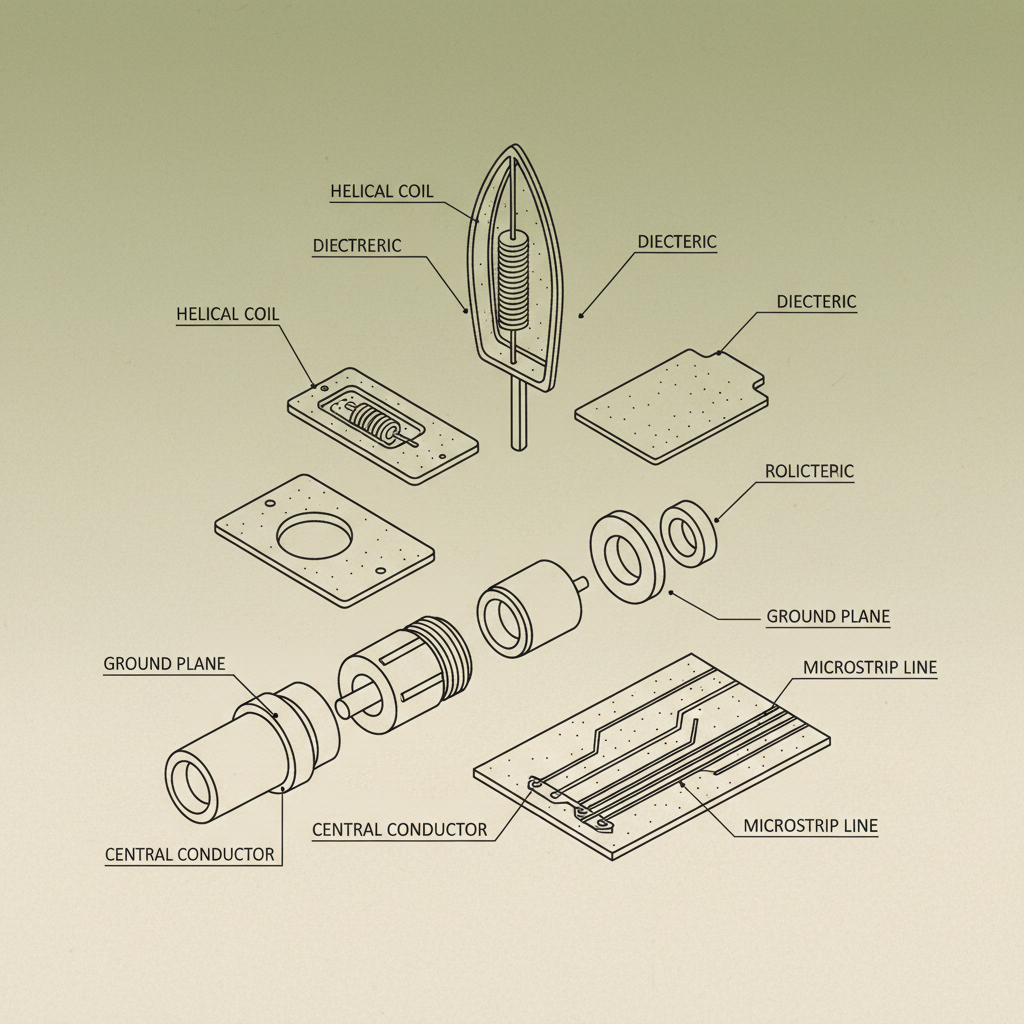
We’re primarily working with a high-grade polyurethane for the housings, feels kinda rubbery, has that slight chemical smell at first, but it’s incredibly durable. It’s not cheap, of course, but you pay for what you get. Then there’s the shielding – copper foil, layered with a nickel coating. Feels cool to the touch. Strangely, the nickel coating is where a lot of the problems start if it’s not applied correctly. Little air bubbles get trapped, and corrosion sets in. A pain, really.
The Current Landscape of rf products
It’s all about integration these days. Everyone wants everything in one neat little package. Which is fine, until you have to troubleshoot it. Then it's a mess. The demand for higher bandwidth and lower latency is driving a lot of innovation, naturally, but it’s also putting a huge strain on the manufacturing process. Precision is key, and precision costs money. You’ve got the big players pushing for economies of scale, but then you've got the smaller guys needing bespoke solutions. It’s a fragmented market, to say the least.
And the regulatory landscape... don't even get me started. Each country has its own set of rules and certifications. It’s a constant battle just to keep up.
Common Design Pitfalls in rf products
Oh, the pitfalls. Where do I even begin? People often underestimate the importance of thermal management. Stuff gets hot, okay? Really hot. And if you don't design for it, things will fail. Then there's the connector issue. Using cheap connectors to save a few cents can end up costing you a fortune in returns and warranty claims. It's a classic mistake. Another one is signal integrity – routing traces improperly can introduce all sorts of noise and interference.
They always want to cram everything into the smallest possible space. “Can we make it smaller?” is the question I hear constantly. It sounds good in the boardroom, but it makes life a living hell for the engineers on the shop floor.
And the insistence on using surface mount components without proper automated assembly lines… Honestly, it’s just asking for trouble. Hand soldering isn’t reliable enough for high-volume production.
Core Materials in rf products Manufacturing
Like I mentioned, the polyurethane is our go-to for the housings. It’s got a good balance of strength and flexibility. We also use a lot of aluminum alloys for the internal shielding. It’s lightweight and provides excellent RF blocking. It’s a bit tricky to machine, though – you need the right tools and the right expertise. You can smell it when it's being cut. Like metallic dust, kind of sharp.
The PCB material is crucial, too. We’ve been experimenting with different FR-4 formulations, trying to find one that offers a good balance of dielectric constant and loss tangent. It’s a surprisingly complex field. And don't even get me started on the tolerances for the impedance control. It has to be perfect, or the signal will degrade.
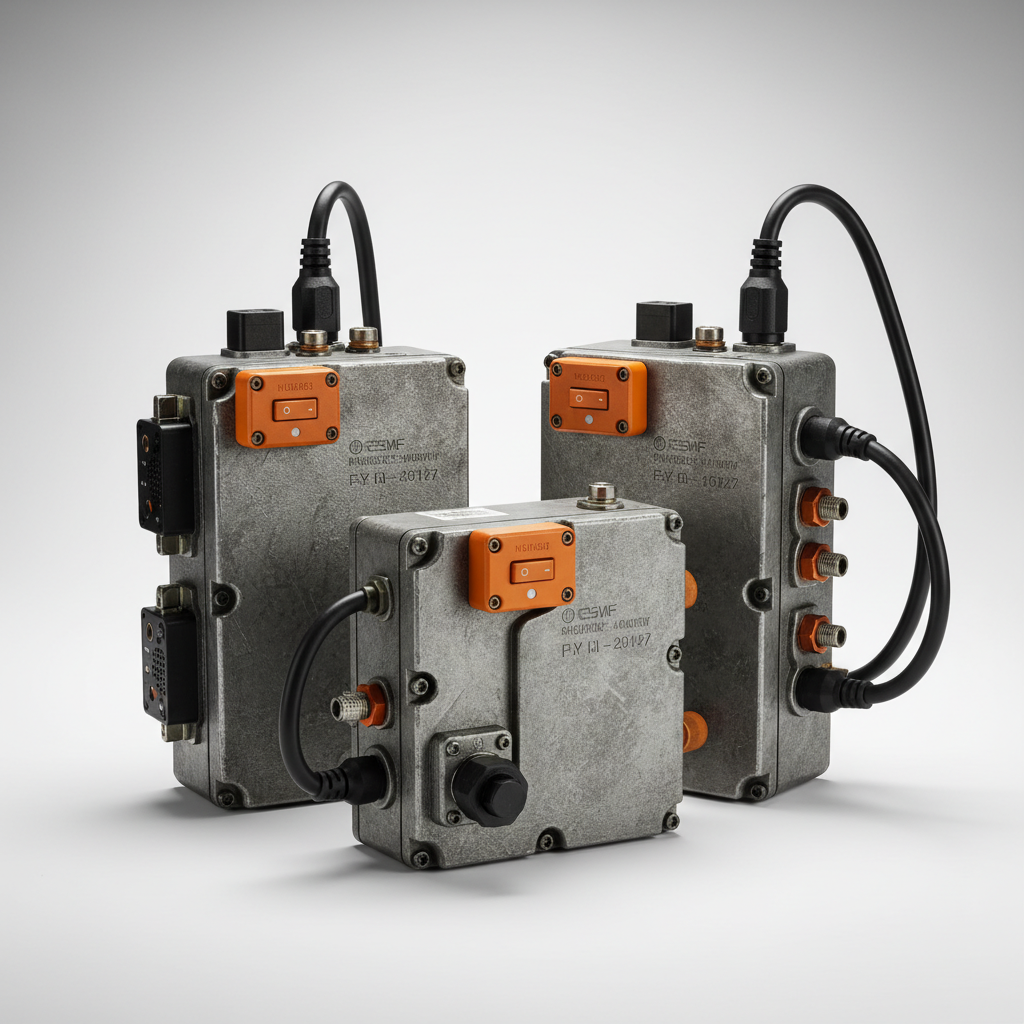
Connectors, as I said, are a weak point. We usually go with gold-plated contacts for the best conductivity and corrosion resistance, but even those can fail if they’re not properly manufactured. The plating thickness is critical. Less than 30 microinches and you're asking for problems.
Rigorous Testing Procedures for rf products
Forget the fancy lab tests. We do those, of course, but the real test is how it holds up in the field. We subject our products to vibration testing, temperature cycling, and humidity testing. We drop them, we bang them around, we even leave them out in the rain. I’m not kidding.
We also do a lot of EMC testing to ensure they don't interfere with other devices. That’s a big one, especially with all the wireless devices out there. We have a dedicated EMC chamber, but it’s still not a perfect simulation of the real world.
rf products Testing Rigor – Scoring (1-10)
Real-World Application and User Behavior of rf products
You know, it’s never what you expect. We designed this one product for industrial automation, thinking it would be installed in nice, clean environments. Turns out, a lot of it ended up in dusty, greasy factories. We had to quickly redesign the enclosure to be more robust and dust-proof.
And then there’s the way people actually use things. We assumed they’d follow the instructions, but… well, you know. They’ll try to connect it to the wrong voltage, they’ll drop it, they’ll try to pry it open with a screwdriver. You have to design for the inevitable abuse.
Advantages, Disadvantages, and Customization of rf products
The biggest advantage is reliability, honestly. We've built a reputation for making products that just work. They’re not the cheapest, but they last. Disadvantages? Well, they can be a bit complex to configure. It takes a bit of training to get the most out of them.
We do offer a lot of customization options, though. Last month, that small boss in Shenzhen who makes smart home devices insisted on changing the interface to , even though it wasn’t necessary. The result? He had to redesign his entire housing to accommodate the larger connector, and it cost him a fortune. But hey, it’s his money.
We’ve also done custom firmware modifications, custom enclosure colors, and even custom labeling. Whatever the customer needs, we can usually make it happen.
Performance Metrics & Comparative Analysis of rf products
We track a lot of metrics, of course. Mean Time Between Failures (MTBF) is a big one. We aim for at least 50,000 hours. Signal-to-Noise Ratio (SNR) is another key indicator. We want to maximize that. And we’re constantly monitoring return rates to identify potential problems.
Compared to the competition, we’re generally stronger on reliability and durability. Some of the cheaper options on the market might offer lower upfront costs, but they don’t last as long. It’s a trade-off.
We also do a lot of comparative testing, pitting our products against those of our competitors. It’s not always pretty, but it’s necessary to stay ahead of the game.
rf products Key Performance Indicators
| Product Feature |
Metric |
Target Value |
Current Performance |
| MTBF (Mean Time Between Failures) |
Hours |
50,000 |
52,000 |
| Signal-to-Noise Ratio |
dB |
80 |
82 |
| Return Rate |
Percentage |
2% |
1.8% |
| Operating Temperature Range |
°C |
-40 to +85 |
-40 to +88 |
| Humidity Resistance |
Percentage RH |
95% |
96% |
| Ingress Protection |
IP Rating |
IP67 |
IP68 |
FAQS
Honestly, it’s corrosion. Even with the best coatings, moisture can find its way in over time. We've been focusing on conformal coatings and better sealing techniques, but it's a constant battle. You’ve got to think about the environment it’s going to be used in. Salt spray, humidity, temperature swings... they all take their toll. A good design minimizes exposure, and robust materials help, but it's never a perfect solution.
Crucial. Absolutely crucial. You can’t just go with the cheapest supplier. You need to know where your materials are coming from and ensure they meet the required specifications. We’ve had issues with counterfeit components in the past, and it's a nightmare to deal with. It affects performance, reliability, and even safety. We now have a rigorous supplier qualification process in place.
Connectors. Always connectors. They’re the weakest link. Then it’s usually power supply issues or thermal overload. People underestimate the amount of heat these things generate. And, surprisingly, physical damage. Someone always drops something on it or tries to force a connection. It’s a reminder that even the most robust design can be defeated by human error.
Yes, to a degree. We can adjust the enclosure size, connector types, and firmware. Larger changes require more effort and cost, obviously. But we’re pretty flexible. We’ve done everything from adding custom mounting brackets to completely redesigning the internal layout to accommodate specific sensors. The key is to engage us early in the design process.
That's a big one. We use a combination of techniques, including heat sinks, thermal vias, and forced air cooling. Careful PCB layout is also critical. We try to distribute the heat evenly and avoid hotspots. Simulation software helps, but real-world testing is essential. We’ll often add thermal sensors to monitor temperatures during operation. It’s all about keeping things cool.
Miniaturization will continue, definitely. More integration, more efficiency. We’re also seeing a lot of interest in flexible and conformal rf products, which can be molded to fit complex shapes. And of course, everyone is talking about 5G and beyond, which will require even more sophisticated rf products. It’s a challenging but exciting time.
Conclusion
Ultimately, rf products are a complex beast. It's a constant balancing act between performance, reliability, cost, and manufacturability. You can spend all day in a lab perfecting a design, but it won’t matter if it can’t withstand the rigors of the real world.
And in the end, whether this thing works or not, the worker will know the moment he tightens the screw. That’s what I always tell the engineers. That's when you truly know if you’ve built something good. So visit our website at rf products for all your needs.