

Understanding the Function of RF Amplifiers: Applications, Benefits, and Future Trends
Understanding the Function of RF Amplifiers: Why It Matters Globally
Radio Frequency (RF) amplifiers play a quiet but essential role in countless technologies around the world. From your smartphone’s signal strength to satellite communications that support emergency responders, these components make modern wireless communication possible. Understanding the function of RF amplifier unlocks insight into the backbone of our connected society, affecting industries as varied as telecommunications, defense, and humanitarian aid.
Worldwide, the demand for reliable and powerful wireless communication has surged. According to the International Telecommunication Union (ITU), over 5 billion people had mobile subscriptions by 2023, pressing the need for efficient RF amplification to combat signal degradation and interference. This demand drives innovation and highlights why comprehending the function of RF amplifiers isn’t just academic—it’s practical and urgent.
Defining the Function of RF Amplifiers
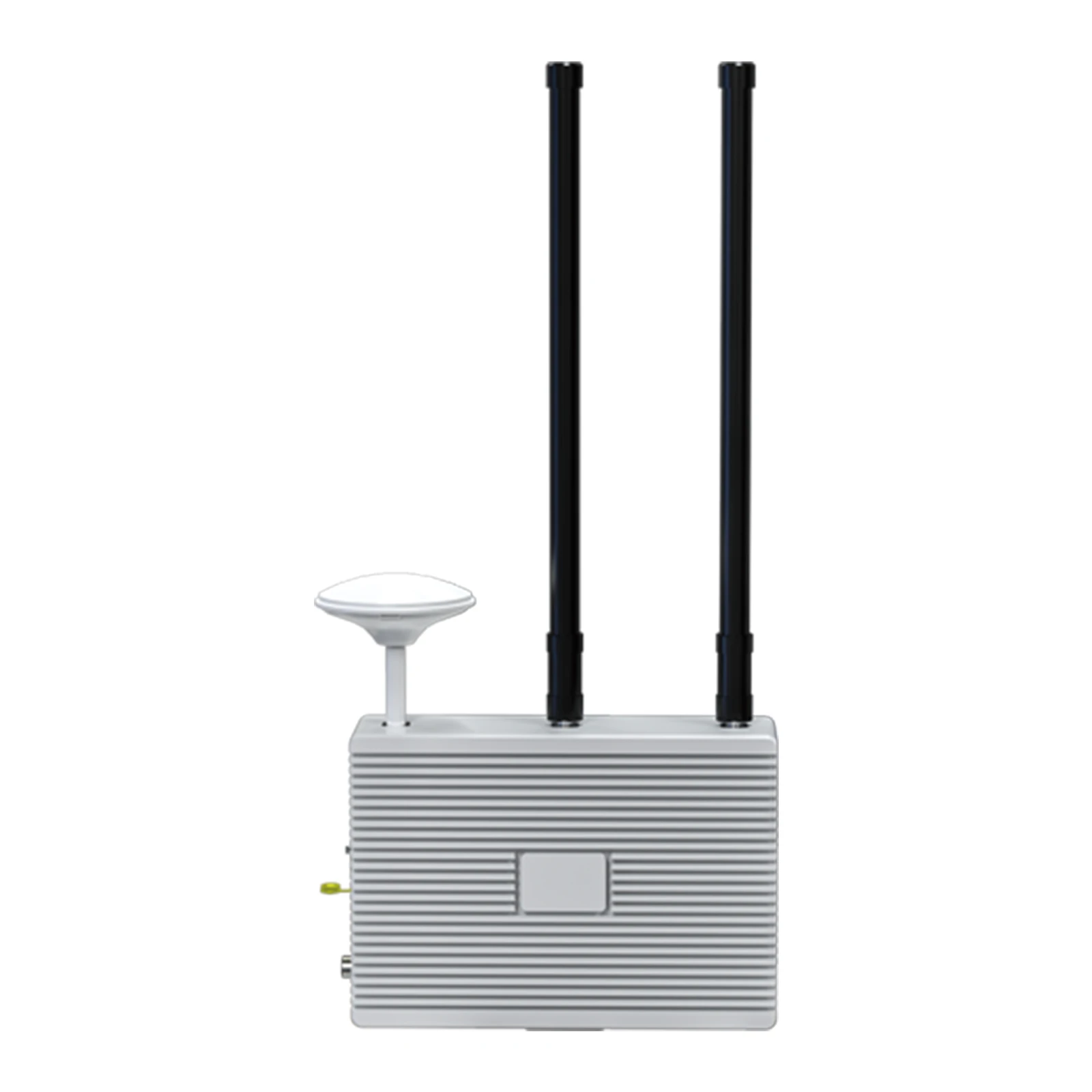
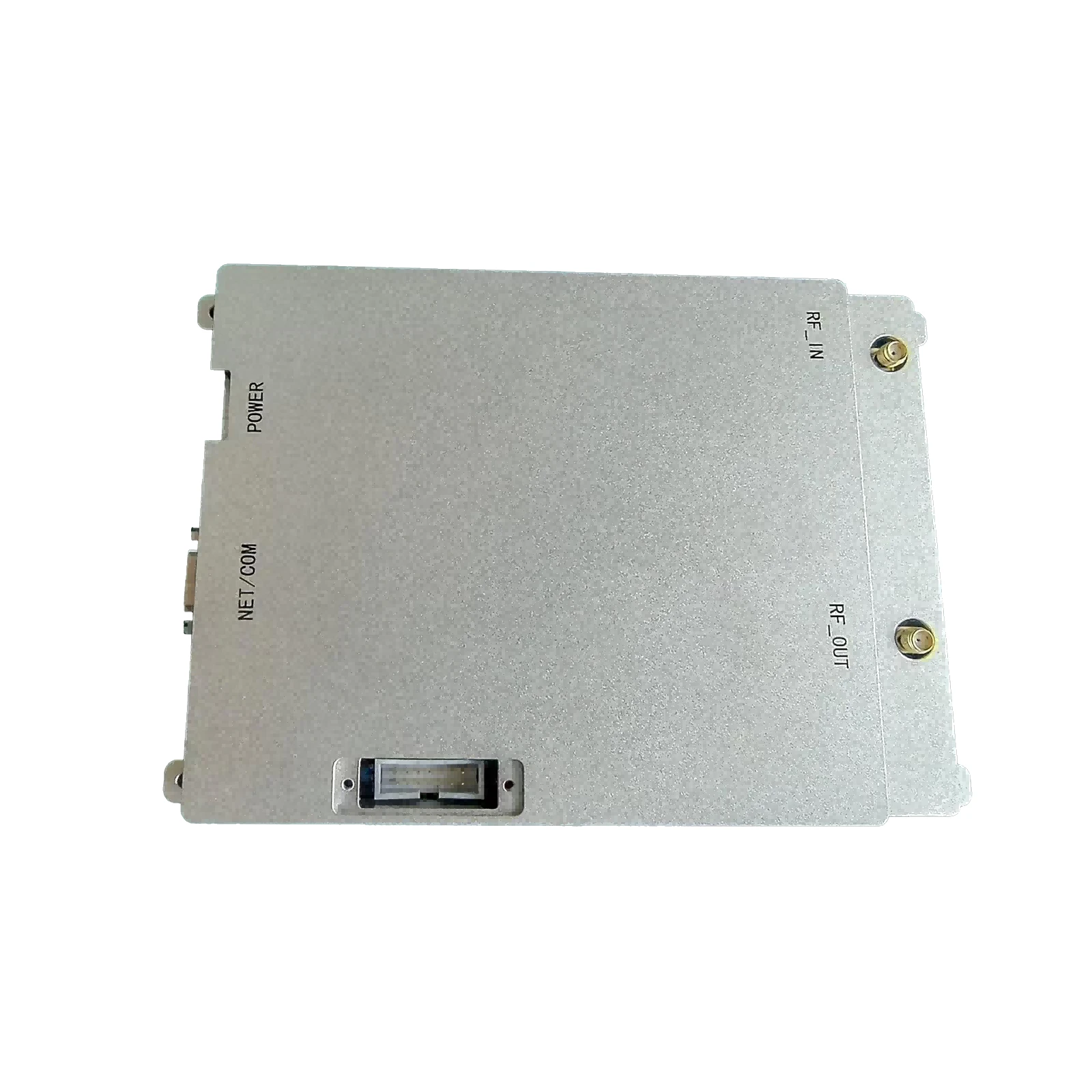
At its core, the function of an RF amplifier is straightforward: it boosts weak radio frequency signals to stronger levels without significantly distorting the original information. Imagine trying to hear a faint voice across a noisy room. An RF amplifier is akin to a microphone that not only captures but enhances the speaker’s voice so that everyone hears clearly.
These amplifiers operate in the radio frequency spectrum, which usually ranges from 20 kHz to 300 GHz. Their ability to amplify signals reliably supports everything from mobile phone calls and radio broadcasts to satellite communications and radar systems. That connection to everyday tech and critical infrastructure makes them invaluable to modern industries and humanitarian missions alike.
Key Factors Behind Effective RF Amplification
1. Linearity
Linearity refers to how faithfully an amplifier boosts a signal without adding unwanted distortion. In communication systems, preserving the integrity of the signal is paramount, so amplifiers must operate linearly over a specific signal range. Without it, interference spikes and data loss become significant issues.
2. Gain
Gain is the measurable amplification an RF amplifier provides—often expressed in decibels (dB). For industrial use, gain must balance power consumption and heat dissipation. Too much gain for the wrong components can cause efficiency loss or equipment stress.
3. Noise Figure
Genuine signal boosting means keeping noise minimal. The noise figure (NF) quantifies how much noise an amplifier adds to a signal. Lower NF values mean clearer signals, something every telecom company fights hard to achieve.
4. Power Efficiency
High power efficiency means less wasted energy, which translates to cooler operation and longer device life—critical in remote or energy-constrained environments.
5. Durability and Environmental Resistance
Whether mounted on a cell tower or deployed in disaster zones, RF amplifiers often face harsh weather conditions. Rugged designs and protective casings ensure they keep functioning without costly downtime.
Product Specification Snapshot: Typical RF Amplifier
| Specification | Typical Range | Description |
|---|---|---|
| Frequency Range | 30 MHz – 3 GHz | Common bands for communication and radar. |
| Gain | 20 – 40 dB | Amplification strength of signal. |
| Noise Figure | 1 – 3 dB | Low noise addition. |
| Output Power | +30 dBm (1 Watt) | Power delivered to antenna or device. |
| Power Consumption | 2 – 10 W | Efficiency matters for battery-powered units. |
Global Applications and Real-World Use Cases
Oddly enough, RF amplifiers aren’t just technical gadgets hidden in gadgety places; they are fundamental to real-world problem solving everywhere. For instance:
- Telecommunications: Telecom operators across Asia and Africa depend on RF amplifiers to provide reliable cellular coverage in densely populated or remote regions.
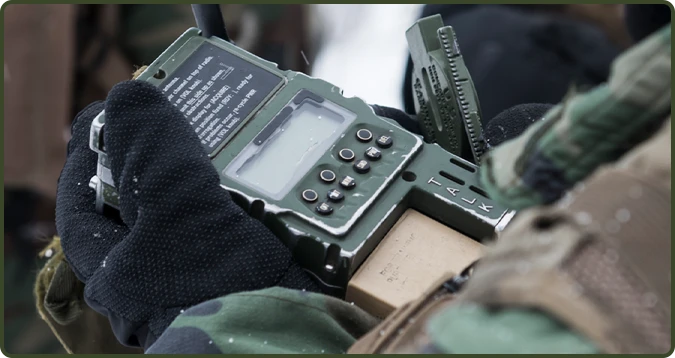
- Disaster Relief Operations: After natural disasters, conventional communication infrastructure can collapse. Portable RF amplifier units restore critical communication links quickly for emergency teams.
- Defense and Aerospace: RADAR and satellite communication technologies use RF amplifiers to ensure precise data transmission from remote or hostile environments.
- Industrial Monitoring: In harsh industrial zones—from oil rigs in the North Sea to mining operations in Australia—RF amplifiers enable wireless sensor networks to monitor equipment and safety in real-time.
For instance, I recently read about how a humanitarian NGO relied on mobile RF amplifier units to reestablish connectivity after a typhoon hit Southeast Asia, helping critically injured people get timely assistance.
Why the Function of RF Amplifiers Represents Long-Term Value
The benefits here manifest in both tangible and intangible ways. Cost-wise, effective RF amplification reduces the need for excess infrastructure, saving millions in network upgrades. It also fosters sustainability: power-efficient devices lower carbon footprints, a small but meaningful step toward greener tech.
Socially, robust RF amplification means connectivity in underserved regions, enhancing education, healthcare access, and economic opportunity. It’s about dignity and safety, too—a lifeline when disasters strike, or conflict makes communication difficult.
Vendor Comparison: Leading RF Amplifier Manufacturers
| Vendor | Gain Range (dB) | Frequency Range | Typical Use Case | Power Efficiency |
|---|---|---|---|---|
| AmplifyTech | 15–35 | 100 MHz–2 GHz | Mobile base stations | High (up to 80%) |
| RF Solutions Inc. | 20–40 | 30 MHz–3 GHz | Defense & aerospace | Medium (65-75%) |
| WaveBoosters | 10–30 | 50 MHz–1.5 GHz | Disaster relief & portable units | High (75-85%) |
Emerging Trends and Innovations
The future of RF amplifiers leans heavily on greener, smarter technologies. With the rise of 5G and anticipated 6G networks, amplifiers must handle broader frequency ranges and higher data rates without compromising energy consumption. Smart materials like gallium nitride (GaN) are revolutionizing design, offering higher power density and efficiency.
Automation and AI-enabled diagnostics embedded into amplifier systems also promise real-time performance optimization and predictive maintenance — a shift that could save operators millions and improve system reliability.
Challenges and Approaches for Overcoming Them
Because RF amplifiers work at such exacting levels, they often face challenges like thermal management, signal distortion, and physical size limitations. For example, amplifiers generating higher output power tend to run hotter, risking damage or failure.
Engineers are addressing these by integrating better heat sinks, using advanced semiconductor materials, and creating modular systems allowing easier upgrades. Oddly enough, one of the simplest fixes has sometimes been better circuit layout and shielding to mitigate interference.
FAQ: Frequently Asked Questions About Function of RF Amplifier
- What is the primary role of an RF amplifier in communication systems?
- The primary role is to increase the strength of weak radio frequency signals to levels that can be effectively transmitted or processed, ensuring clearer and more reliable communication. Without it, signals would degrade, causing dropped calls or data loss.
- How does noise figure affect RF amplifier performance?
- Noise figure quantifies added noise by the amplifier. A lower noise figure means cleaner signal amplification, which is crucial in sensitive applications like radar or satellite communications where signal clarity impacts performance.
- Can RF amplifiers be used in battery-powered devices?
- Yes, but they must be highly power efficient to conserve battery life. Advances in semiconductor technology and design have made low-power RF amplifiers common in portable wireless devices.
- Are there environmental considerations when choosing an RF amplifier?
- Definitely. Amplifiers used outdoors or in harsh environments require rugged designs to resist moisture, temperature fluctuations, and vibration. Additionally, energy-efficient amplifiers contribute to environmental sustainability.
- What industries most rely on RF amplifiers?
- Telecommunications, defense, aerospace, broadcasting, medical imaging, and disaster relief organizations all depend heavily on RF amplifiers to maintain reliable wireless communication and data transmission.
Conclusion: The Long-Term Benefits of Understanding RF Amplifiers
Grasping the function of RF amplifiers reveals much about the invisible wireless networks enabling our world. From improving global connectivity in underserved regions to advancing mission-critical technologies, these amplifiers help societies flourish with innovation, safety, and dignity.
If you've found this overview insightful and want to delve deeper, be sure to visit our website for detailed technical resources and the latest industry developments.
A quick takeaway: RF amplifiers may work behind the scenes, but their impact on our daily lives—and global progress—is anything but hidden.
References

-
 09 March 2021 16 Apr 2026
 -
 09 March 2021 09 Apr 2026
 -
 09 March 2021 07 Apr 2026
 -
 09 March 2021 04 Apr 2026
 -
 09 March 2021 31 Mar 2026
-
 09 March 2021 21 May 2025
 -
 09 March 2021 25 Dec 2024
 -
 09 March 2021 14 Oct 2022
-
 09 March 2021 25 Dec 2024

 English
  Arabic
  Belarusian
  Danish
  Dutch
Dutch  French
  German
  Greek
Greek  Japanese
  Korean
  Myanmar
  Polish
  Portuguese
  Russian
  Spanish
  Swedish
  Thai
Thai  Ukrainian
  Vietnamese