

Understanding the Use of RF Amplifier: Global Applications, Benefits & Future Trends
Understanding the Use of RF Amplifiers: Why It’s Crucial in Today’s Tech Landscape
From the smartphones in our pockets to the satellites orbiting Earth, the use of RF amplifiers is everywhere, quietly powering our connected world. But why exactly do RF amplifiers matter on a global scale? Well, these devices are essential components in wireless communication systems, boosting weak high-frequency radio signals so they can travel longer distances without degradation. This makes them foundational to everything from mobile networks to emergency response systems and even space communications. Understanding their use and benefits has practical implications — enabling better network coverage, improving signal reliability, and supporting global digital infrastructure expansion, especially in underserved areas.
Global Relevance and Industry Context
Wireless communication is the backbone of modern society — the UN estimates that over 67% of the global population used the internet by 2023, with mobile networks as the primary access method. Yet, challenges remain: there are vast regions where signal strength is weak or inconsistent due to geographic barriers or infrastructure limitations. This is where the use of RF amplifiers becomes critical, addressing signal loss and enabling high-quality transmissions across various industries.
For example, according to the International Telecommunication Union (ITU), over 5 billion cellular subscriptions exist worldwide, but many rural areas still lack reliable coverage. Telecom providers rely heavily on RF amplifiers in base stations and repeaters to extend signals into those hard-to-reach pockets. Similarly, military and humanitarian operations count on these amplifiers for secure and resilient communications in disaster or conflict zones.
Defining the Use of RF Amplifier
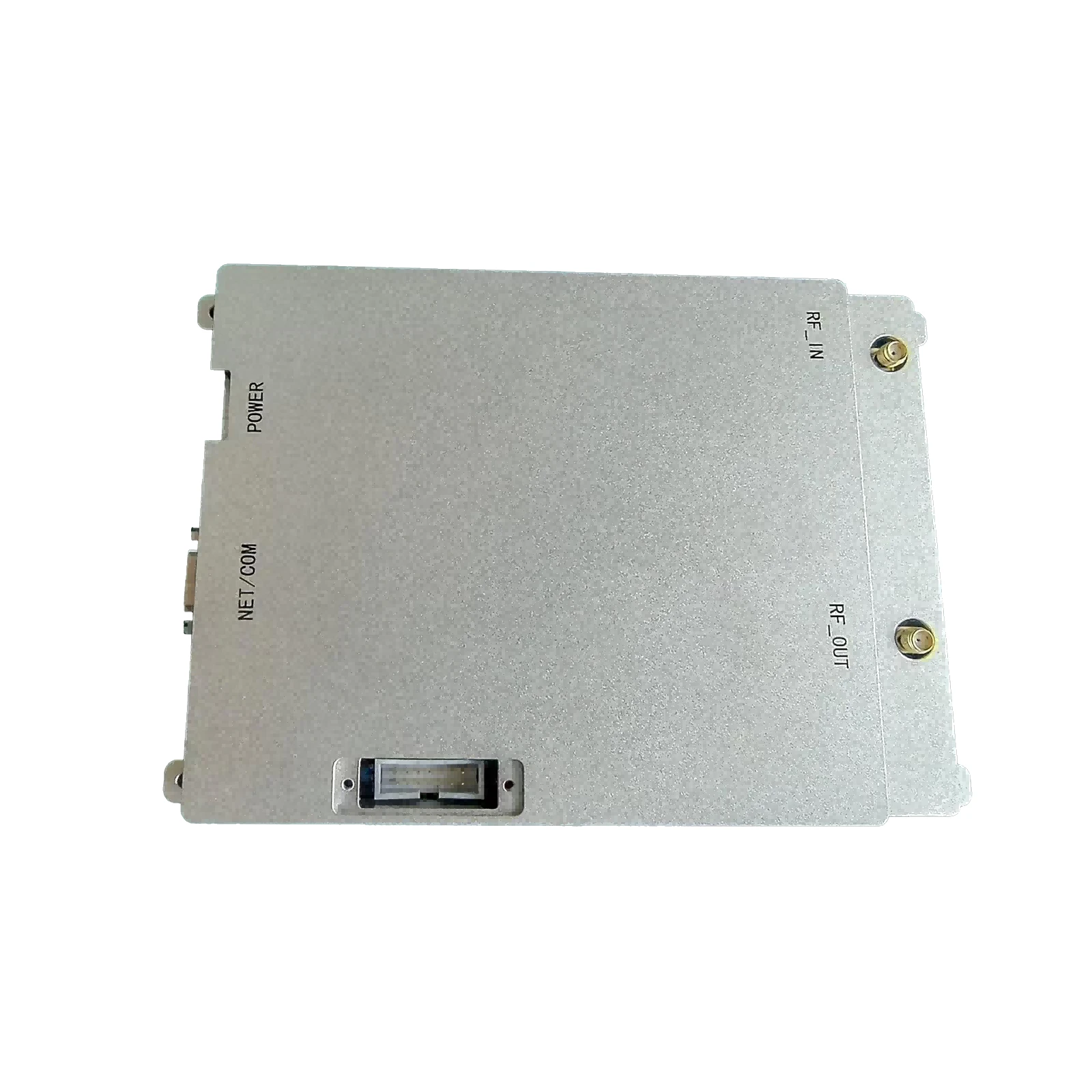
Simply put, an RF amplifier is a device that increases the power of radio frequency signals. The use of RF amplifier spans from enhancing broadcast audio signals to strengthening wireless data transmissions. In essence, it mitigates signal attenuation caused by distance, obstacles, or interference. These amplifiers come in different classes (A, B, AB, C, etc.) based on their efficiency, linearity, and application, each tailored to specific needs — whether it's a gigahertz Wi-Fi signal or a low-frequency maritime transmission.
Modern industries depend on RF amplifiers not just for connectivity but also for enabling innovations in IoT, satellite communications, and even 5G network rollouts. On the humanitarian side, reliable RF amplification can mean the difference between effective disaster response coordination or communication blackouts.
Core Components Defining the Use of RF Amplifier
- Power Output & Gain: The main function of any RF amplifier is to boost signal strength. The amplifier’s power rating and gain value measure how much it can amplify an input signal without distortion.
- Linearity: Important for amplifiers used in communication systems where signal fidelity matters. Linear amplifiers ensure the amplified signal stays true to the original to avoid interference.
- Frequency Range: Different applications require amplifiers tuned to specific RF bands — from VHF (30 MHz) to microwave frequencies (up to several GHz).
- Efficiency & Heat Dissipation: High efficiency reduces power consumption and heat generation, which is crucial for maintaining reliability in compact or remote deployments.
- Durability and Environmental Tolerance: Many RF amplifiers are now ruggedized to survive harsh temperatures, humidity, or vibration — essential for field use or remote infrastructure.
Mini takeaway: RF amplifiers are more than just power boosters; their design balances amplification, reliability, and environmental suitability depending on the targeted application.
Product Specification Snapshot
| Specification | Typical Value |
|---|---|
| Frequency Range | 100 MHz – 3 GHz |
| Gain | 20 – 40 dB |
| Output Power | 10 – 100 Watts |
| Efficiency | Up to 70% |
| Operating Temperature | -40°C to +85°C |
Global Applications & Use Cases
The use of RF amplifiers manifests across a wide spectrum:
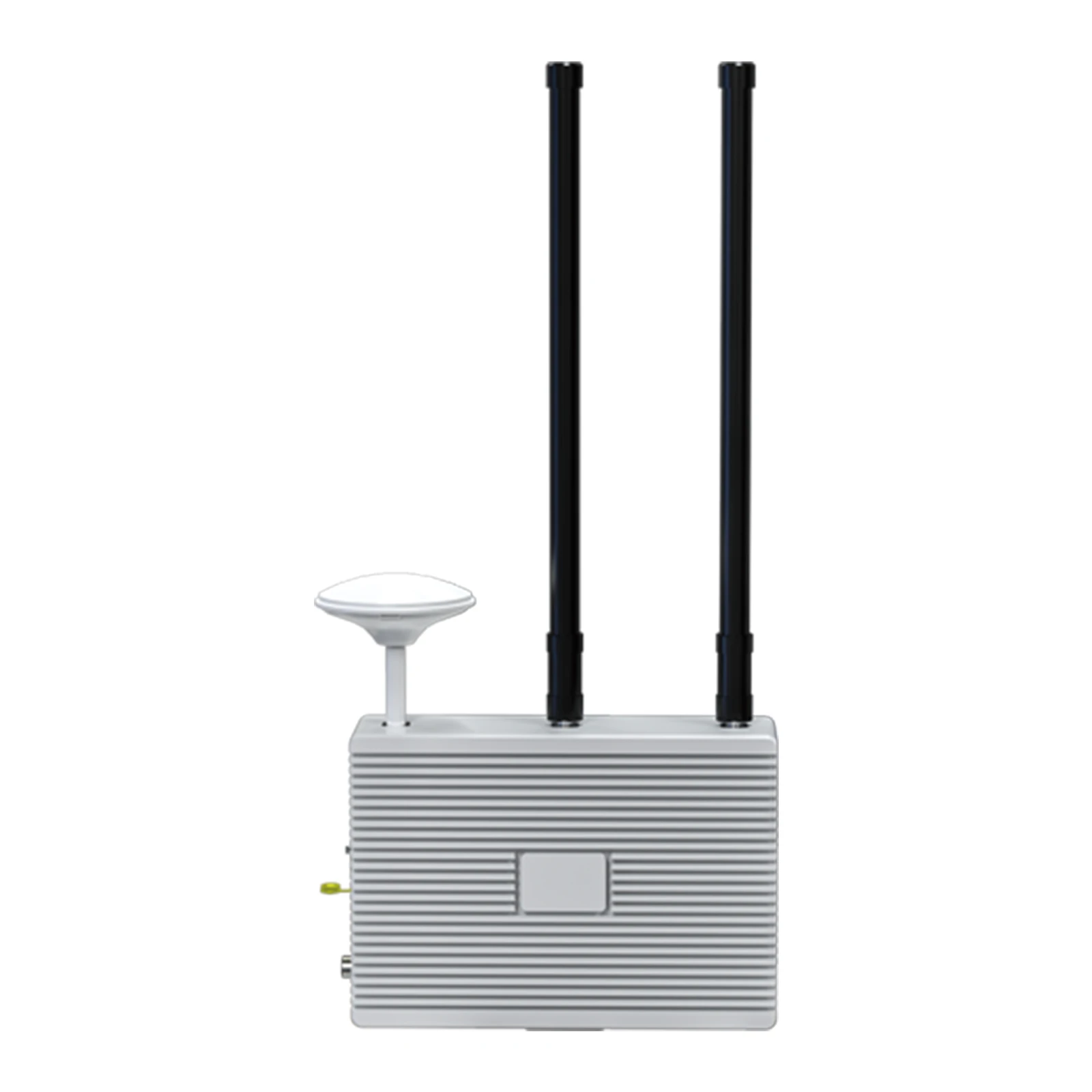
- Telecommunications: Amplifiers embedded in cellular towers and Wi-Fi routers facilitate improved coverage and data throughput.
- Satellite and Space Communication: NASA and private satellite firms use RF amplifiers to send and receive signals through the noisy void of space, often at extreme frequencies.
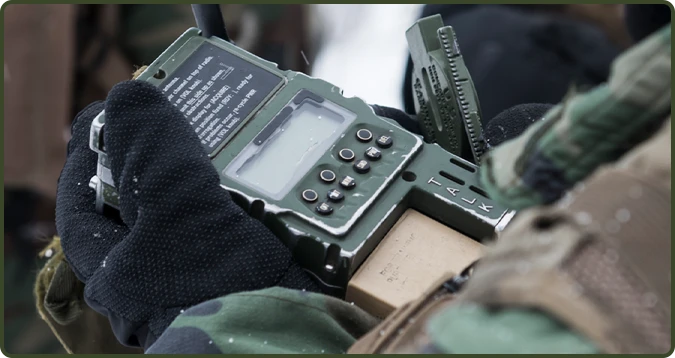
- Emergency Services & Disaster Relief: In regions hit by natural disasters, portable RF amplifiers help first responders maintain robust communications when infrastructure is down.
- Remote Industrial Operations: Mining or oil exploration companies rely on RF amplifiers for real-time monitoring and control across vast distances.
- Broadcast and Media: Radio and TV stations use high-power amplifiers to transmit clear signals over large geographic areas.
An illustrative example: In the aftermath of the 2021 floods in Germany, emergency teams deployed mobile RF amplifiers to extend communication range in the devastated districts, ensuring timely coordination between local and international aid groups.
Mini takeaway: The versatility of RF amplifiers means they are often the unsung heroes enabling connectivity where it matters most — in emergencies, remote zones, and everyday tech.
Advantages & Long-Term Value
The advantages of the use of RF amplifier are tangible and far-reaching:
- Cost Efficiency: Amplifiers reduce the need for excessive infrastructure by extending existing networks, making coverage expansion more affordable.
- Reliability: Amplified signals resist fading and interference, providing consistent quality essential for critical applications.
- Sustainability: With improved efficiency, newer amplifiers consume less power, supporting industry efforts to reduce carbon footprint.
- Social Impact: Enhanced communications foster connectivity in underserved areas, promoting education, healthcare access, and economic development.
- Innovation Enablement: They underpin cutting-edge technologies like 5G, IoT, and satellite internet, paving the way for future digital transformation.
Emotionally, reliable RF amplification translates to trust — think of families relying on mobile signals during emergencies or remote communities accessing telemedicine.
Vendor Comparison: Popular RF Amplifier Providers
| Vendor | Frequency Range | Max Output Power | Typical Efficiency | Special Features |
|---|---|---|---|---|
| AmplifyCo | 100 MHz – 2.5 GHz | 50 W | 65% | Ruggedized, remote monitoring |
| WaveBoost | 500 MHz – 3 GHz | 75 W | 70% | Low noise, digital control |
| SignalPro | 150 MHz – 2 GHz | 40 W | 60% | Cost-effective, compact design |
Future Trends & Innovations in the Use of RF Amplifier
The industry is evolving fast, driven by the push for greener technologies and smarter networks. Semiconductor advances like gallium nitride (GaN) are revolutionizing RF amplifier performance, enabling higher power and efficiency in smaller packages. This is especially useful for 5G and satellite communications.
Oddly enough, we’re also seeing integration of AI-powered adaptive amplification — where devices adjust power and gain dynamically to optimize performance and save energy. Couple that with the rise of stand-alone 5G and IoT devices, and the landscape becomes even more exciting.
In real terms, this means a future where the use of RF amplifier isn't just about brute force power but about intelligent, eco-friendly, and context-aware signal enhancement.
Challenges & How Experts Overcome Them
Still, there are some hurdles. High-frequency amplifiers can suffer from heat issues — pushing devices toward sophisticated cooling solutions. Linearity vs. efficiency trade-offs remain a balancing act in design. Plus, cost can be a barrier for deploying advanced amplifiers in developing areas.
Experts tackle this by using hybrid amplifier architectures, integrating advanced materials, and leveraging modular designs that can be easily upgraded or repaired. Increasingly, companies also collaborate with NGOs and governments to subsidize deployments that have high social impact.
Frequently Asked Questions About Use of RF Amplifier
- Q: What is the typical lifespan of an RF amplifier in outdoor telecom equipment?
- A: Most outdoor RF amplifiers are designed to last 8-12 years, factoring in weatherproofing and temperature resilience. Regular maintenance can extend this lifespan significantly.
- Q: Can RF amplifiers improve both 4G and 5G signals effectively?
- Yes, modern RF amplifiers are designed with wide frequency ranges to accommodate both 4G and 5G bands, ensuring compatibility and enhanced signal quality for both technologies.
- Q: How energy-efficient are current RF amplifiers?
- Efficiency varies by model but typically ranges from 60-70% for ground-based units, with advances in GaN-based devices pushing these numbers higher and reducing electric consumption.
- Q: Is it possible to remotely monitor the performance of an RF amplifier?
- Absolutely. Many vendors now offer digital management systems that allow operators to track amplifier status, adjust settings, and detect faults remotely – a vital feature for infrastructure in hard-to-reach locations.
Conclusion: Embracing the Use of RF Amplifier for a Connected Future
The use of RF amplifier remains a linchpin in global communication infrastructure, quietly enabling technologies we often take for granted. Its ability to extend coverage, improve reliability, and support innovation positions it at the heart of today's and tomorrow’s digital ecosystems. Whether in improving rural connectivity, fortifying disaster response, or pushing the boundaries of 5G and beyond, the RF amplifier's role cannot be overstated.
If you want to dive deeper into how these devices can transform your operations or project, visit our website: https://www.drone-system.com. The future of wireless communication is amplified, and oddly enough, it starts here.
Takeaway: RF amplifiers may be invisible heroes, but understanding their use is key to unlocking a truly connected, efficient, and resilient world.
References:

-
 09 March 2021 16 Apr 2026
 -
 09 March 2021 09 Apr 2026
 -
 09 March 2021 07 Apr 2026
 -
 09 March 2021 04 Apr 2026
 -
 09 March 2021 31 Mar 2026
-
 09 March 2021 21 May 2025
 -
 09 March 2021 25 Dec 2024
 -
 09 March 2021 14 Oct 2022
-
 09 March 2021 25 Dec 2024

 English
  Arabic
  Belarusian
  Danish
  Dutch
Dutch  French
  German
  Greek
Greek  Japanese
  Korean
  Myanmar
  Polish
  Portuguese
  Russian
  Spanish
  Swedish
  Thai
Thai  Ukrainian
  Vietnamese