

VHF Power Amplifier Module – Boost Your Radio Communications Worldwide
What’s a VHF Power Amplifier Module and Why Should You Care?
At first blush, the term vhf power amplifier module might feel niche, something engineers quietly debate over in labs or manufacturing floors. But peel back the layers, and you’ll find this nifty piece of tech quietly powering critical communications around the world—from emergency responders coordinating in crises to radios beaming signals across vast rural expanses where cell towers barely reach.
Globally, effective communication often stakes its claim on reliable hardware like this. Understanding it isn’t just for techies; it’s about grasping how signals travel, how lives can hinge on timely messages, and how industries keep running smoothly. Plus, in our increasingly connected world, figuring out how these modules support sustainable, efficient radio systems could surprise you.
Why the VHF Power Amplifier Module Matters in Today’s World
VHF (Very High Frequency) communication operates roughly between 30 to 300 MHz, favored for its combination of decent range and resistance to interference. According to the International Telecommunication Union (ITU), VHF bands serve critical functions worldwide, including maritime, aviation, and land mobile radio systems.
Yet, with growing data loads and diverse applications—from remote sensing to disaster response—basic radio transmitters often need help delivering clear, strong signals over long distances. That’s where the vhf power amplifier module steps in.
For instance, in areas where broadband internet is nonexistent or unreliable, like parts of Sub-Saharan Africa or remote mountain communities in Asia, robust VHF radio signals remain vital. They underpin safety communications, environmental monitoring, and even humanitarian efforts coordinated through organizations like the Red Cross or UN Disaster Assessment teams.
Mini takeaway:
- VHF power amplifier modules amplify weak signals, extending the reach and reliability of radios.
- They hold up communication lifelines in remote areas, during emergencies, and within industrial operations worldwide.
Breaking Down the VHF Power Amplifier Module: Simple Explanation
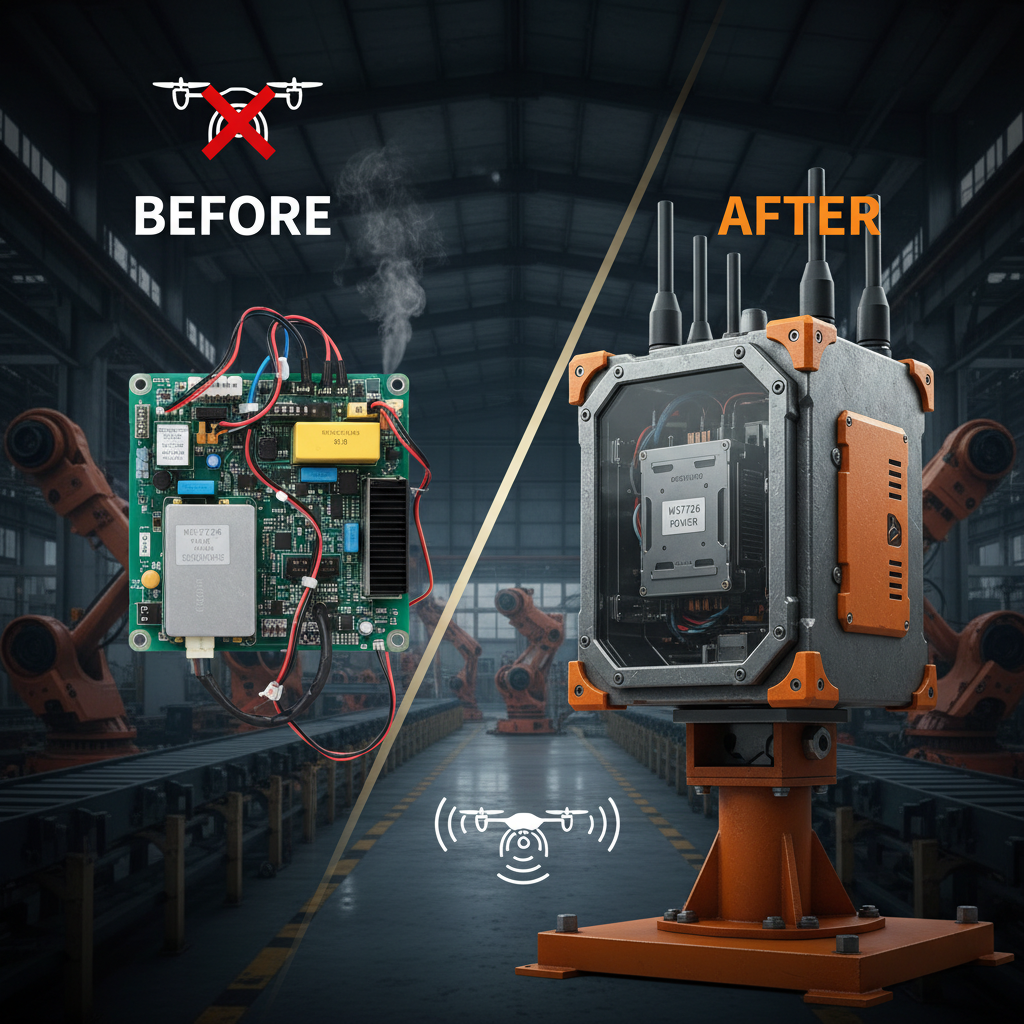
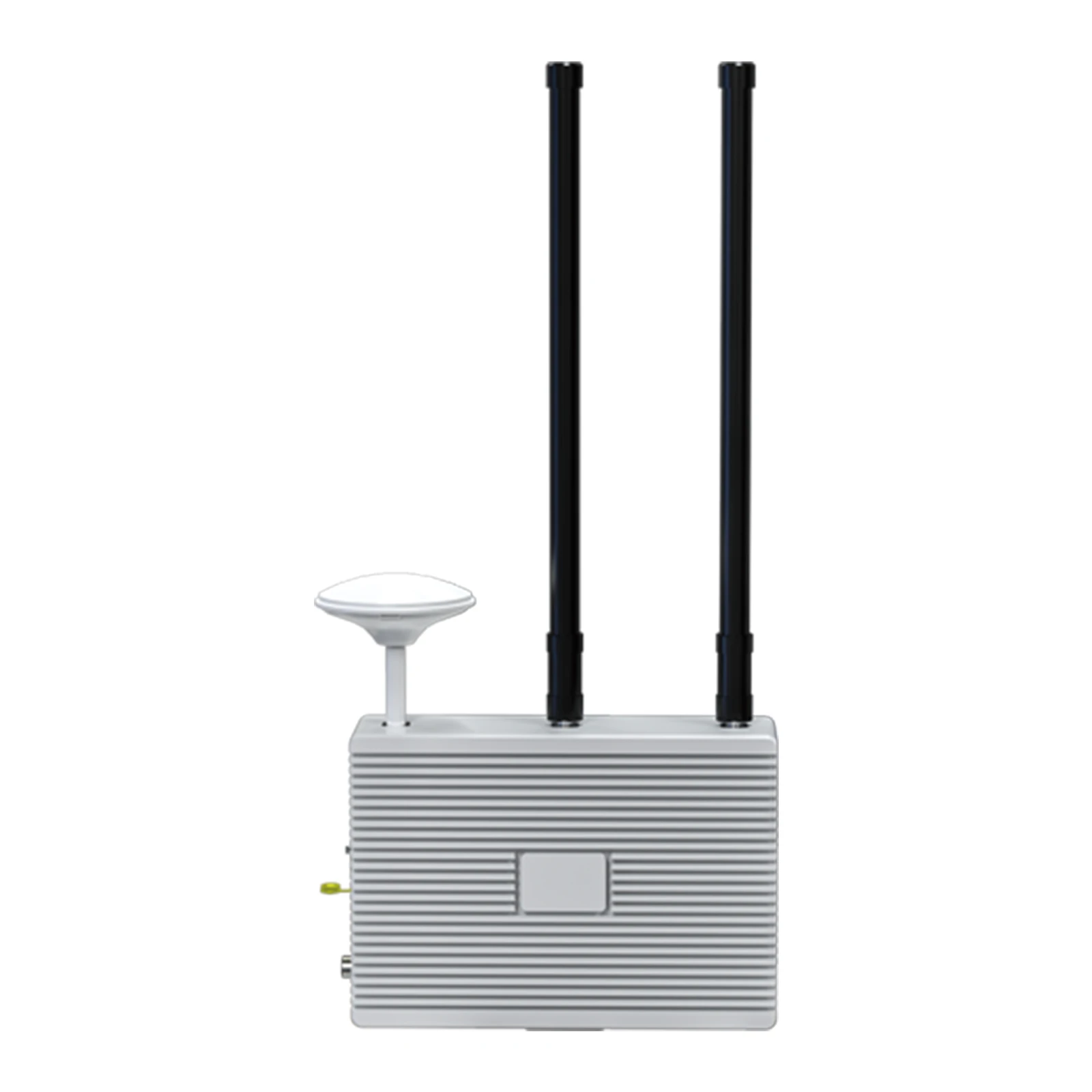
Think of the VHF power amplifier module like a megaphone for radio waves. Radios transmit signals, but sometimes those signals aren’t strong enough to cover the distance or cut through atmospheric noise. The module boosts the signal's power before it hits the antenna, making sure the message travels further and clearer.
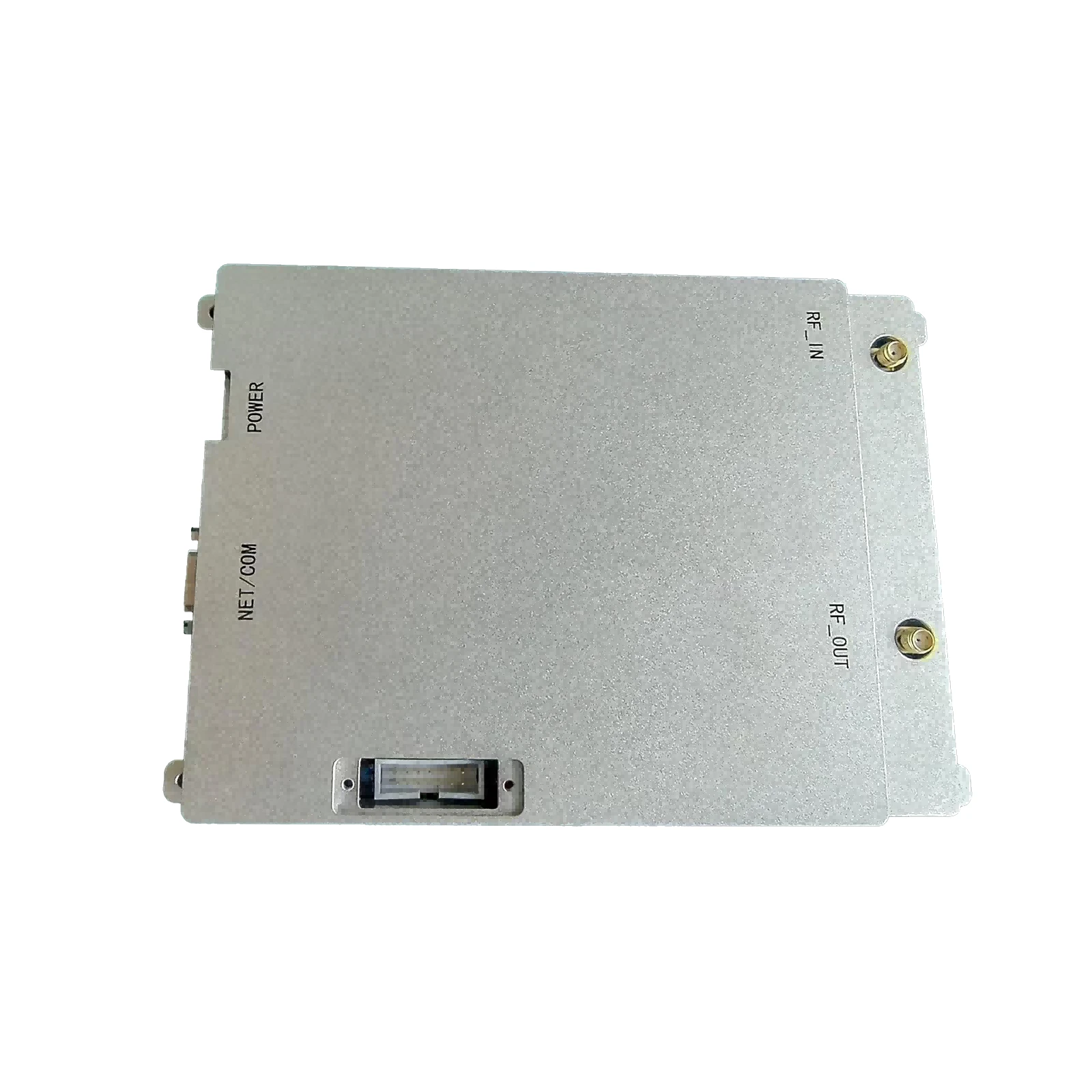
In practical terms, the module is a compact electronic circuit embedded inside radio equipment, designed to increase the power output to a specified level while maintaining signal integrity. It's a key bridge between the radio's original, modest transmission and the effective broadcast heard miles away.
And, oddly enough, this piece of tech quietly serves industries beyond communications—from mining to forestry—to ensure robust and reliable radio links where cell coverage falls short.
Core Components of a VHF Power Amplifier Module
1. Power Transistors
These are the heart of the amplifier. Most modern modules use gallium nitride (GaN) or silicon carbide (SiC) transistors to handle high power efficiently while generating less heat. This makes a big difference in reliability.
2. Heat Dissipation Mechanisms
Amplifying signals takes energy, which means heat. Modules often integrate heat sinks, fans, or thermal pads to keep temperatures in check. Overheating reduces lifespan, so good thermal design is crucial.
3. Input/Output Matching Networks
They ensure that the module’s input and output impedances are matched correctly to minimize signal loss and reflections—a subtle but critical part of efficient transmission.
4. Power Supply Regulation
Consistent voltage levels keep the amplifier stable. Power supply units inside the module filter and regulate input power to avoid signal distortion or damage.
5. Protective Circuits
To guard against voltage spikes or accidental shorts, many amplifiers have built-in protection circuits. This improves longevity and reduces downtime.
6. Compact Packaging
Modern VHF power amplifier modules are compact, easing integration into portable radios, repeaters, or base stations.
Mini takeaway:
- All components must work seamlessly to deliver reliable, amplified VHF signals.
- Design choices directly affect efficiency, durability, and application versatility.
How VHF Power Amplifier Modules Are Used Around the Globe
Radio communications remain the backbone in situations where infrastructure is sparse or fragile. For example:
- Disaster Relief: After earthquakes or hurricanes, swift setup of VHF communication using power amplifier modules enables coordination among first responders and humanitarian agencies—where every second counts.
- Maritime and Aviation: Ships and aircraft rely heavily on VHF communication for navigation and safety, and amplifier modules ensure reliable long-distance broadcasts even amid challenging weather.
- Industrial Sites: Remote mines or oil fields use robust VHF radios to keep workers connected underground or across wide open spaces.
- Rural Communities: In the Australian Outback or Canadian North, VHF systems supported by powerful amplifiers enable emergency services and local communication where cell networks vanish.
In addition, some organizations leverage VHF amplifiers for community radio stations, supporting local culture and information sharing.
Product Specification Table: Typical VHF Power Amplifier Module
| Specification | Typical Value | Notes |
|---|---|---|
| Frequency Range | 30 MHz - 300 MHz | Covers VHF spectrum |
| Output Power | 10 - 50 Watts | Depends on application and module size |
| Gain | 20 - 30 dB | Amplification level |
| Supply Voltage | 12 - 28 V DC | Typical power range for portable and base units |
| Operating Temperature | -20°C to +60°C | Suitable for field use |
| Efficiency | 40% - 60% | Higher with GaN transistors |
Comparing Leading Vendors of VHF Power Amplifier Modules
| Vendor | Output Power (Watts) | Frequency Range | Efficiency | Price Range (USD) | Special Features |
|---|---|---|---|---|---|
| AmpTech Solutions | 10 - 40 | 30 - 300 MHz | 50% | $150 - $450 | Heat sink optimized |
| WaveMaster Corp | 20 - 50 | 30 - 270 MHz | 60% | $300 - $600 | GaN transistor tech |
| RadioPlus Ltd | 15 - 35 | 40 - 300 MHz | 45% | $200 - $480 | Compact modular design |
Why Invest in a Quality VHF Power Amplifier Module?
Simply put, it’s about making sure your radio network works exactly when and where you need it. You get:
- Signal Strength: Clearer transmission reduces miscommunication risks, crucial in emergencies.
- Cost Efficiency: Investing upfront in reliable modules cuts down repeated replacements and downtime.
- Durability: Modules designed for field use handle harsh environments—dust, rain, temp swings—without failure.
- Social Impact: Better communication means safer communities and efficient aid delivery.
- Innovation: Modern modules integrate smoothly with digital radio systems, future-proofing investments.
From a personal standpoint, seeing a powerful VHF system restoring a remote village’s link to the outside world feels like more than just tech working — it’s dignity restored.
Emerging Trends Shaping the Future of VHF Power Amplifier Modules
The industry is quietly buzzing with developments:
- Green Energy Integration: Modules designed to operate efficiently on renewable power (solar, wind) for off-grid sites.
- GaN and SiC Technologies: These semiconductor materials are boosting power output and efficiency dramatically.
- Smart Modules: IoT-enabled amplifier modules can self-monitor temperature, power use, and even report faults via remote dashboards.
- Miniaturization: Shrinking module size without sacrificing power helps portable radio design immensely.
Common Challenges and How Experts Tackle Them
Despite advancements, some issues persist:
- Heat Management: Overheating still threatens longevity; innovative cooling techniques are constantly being refined.
- Power Supply Fluctuations: Unstable power sources in remote zones can damage modules; heavy focus on protective circuits to mitigate this.
- Cost vs. Performance: High-efficiency materials like GaN can be pricey, prompting continuous R&D to balance budgets.
- Interference & Noise: Complex RF environments challenge signal clarity, addressed by improved filtering and shielding technologies.
FAQ About VHF Power Amplifier Modules
Q: How does a vhf power amplifier module differ from a standard radio transmitter?
A: The amplifier module is specifically designed to boost the output power of existing radio signals, enhancing range and signal clarity without altering the signal content. A standard transmitter generates the original radio signal but usually at lower power levels.
Q: Can these modules work with digital radio systems?
A: Absolutely. Many modern vhf power amplifier modules support digital modes or can be easily integrated into digital radio setups, enabling clearer communication and better data handling.
Q: Are vhf power amplifier modules suitable for portable radios?
A: Yes, but portability requires compact, lightweight designs with efficient heat management. Many manufacturers now offer modules tailored for handheld or mobile radio use.
Q: What maintenance does a vhf power amplifier module typically require?
A: Routine checks for heat dissipation efficiency, clean power supply inputs, and inspecting protective circuits usually suffice. Harsh environment users might schedule more frequent inspections.
Q: How to choose the right vhf power amplifier module for a specific application?
A: Consider factors like required output power, frequency range, environmental conditions, and compatibility with existing radio equipment. Consulting vendor specs and expert advice can help refine selection.
Wrapping It Up
In real terms, investing in a robust vhf power amplifier module is investing in clear communication—whether you’re coordinating emergency aid, running logistics in a remote mine, or keeping local communities connected. As times change, so do the technologies protecting those fragile links. For anyone involved in radio communications, understanding and choosing the right amplifier module isn’t just technical—it’s essential.
For a closer look at high-quality options and further insights, visit our website: vhf power amplifier module.
Quick Final Thought:
As digital waves ripple into every corner, amplifying them isn’t just about volume—it's about making sure someone, somewhere, hears you loud and clear.
References

-
 09 March 2021 16 Apr 2026
 -
 09 March 2021 09 Apr 2026
 -
 09 March 2021 07 Apr 2026
 -
 09 March 2021 04 Apr 2026
 -
 09 March 2021 31 Mar 2026
-
 09 March 2021 21 May 2025
 -
 09 March 2021 25 Dec 2024
 -
 09 March 2021 14 Oct 2022
-
 09 March 2021 25 Dec 2024

 English
  Arabic
  Belarusian
  Danish
  Dutch
Dutch  French
  German
  Greek
Greek  Japanese
  Korean
  Myanmar
  Polish
  Portuguese
  Russian
  Spanish
  Swedish
  Thai
Thai  Ukrainian
  Vietnamese