

What is a Radio Frequency Detector? Global Applications, Benefits & FAQs
Understanding the Radio Frequency Detector: A Global Perspective
In today’s technology-driven world, the humble radio frequency detector quietly powers an array of critical applications—from industrial safety to humanitarian relief. But what exactly is this device, why is it gaining such global traction, and why should we care? Frankly, in a world increasingly reliant on wireless communication, understanding how we monitor and detect radio frequencies can feel like knowing the pulse of our connected environment. The benefits are tangible: enhanced security, improved communications efficiency, and better situational awareness across industries and even disaster zones.
Introduction: The Global Landscape of Radio Frequency Detection
Radio frequencies (RF) pervade every corner of our modern infrastructure. According to the International Telecommunication Union (ITU), the exponential growth of wireless devices—from smartphones to IoT sensors—has made the RF spectrum an invaluable but crowded resource. The challenge? Interference, unauthorized usage, and critical security vulnerabilities. This is where the radio frequency detector comes in, a device that can sense and analyze signals to manage and protect this spectral real estate.
Take a moment to consider: in disaster zones where traditional networks fail, detecting emergency radio transmissions can save lives. Likewise, in industrial zones globally, RF detectors ensure machinery communicates without glitches. A UN report cited the increased use of RF detection technology in conflict and post-disaster areas to safeguard communication lines and prevent eavesdropping. So, the global stakes are high and rising.
What is a Radio Frequency Detector?
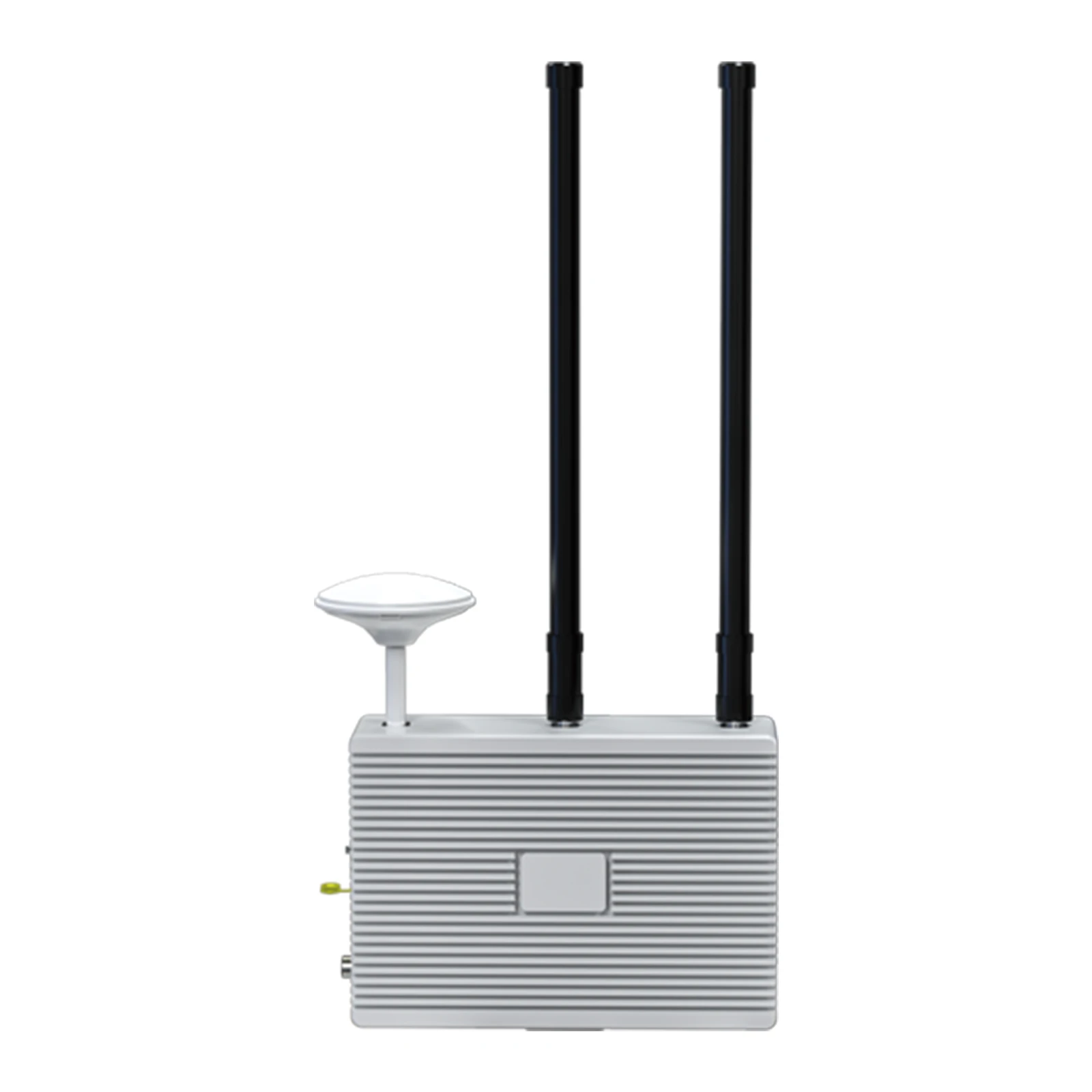
Simply put, a radio frequency detector is a device that senses and identifies signals within the radio frequency spectrum. Normally, it scans frequencies to pick up transmissions, interference, or unintentional signals. Imagine it as a specialized “listener” that helps operators see the invisible world of wireless signals. You’ll find these detectors embedded in spectrum analyzers, wireless network monitors, and security devices.
This function is essential not only for telecommunication companies but also for sectors such as defense, disaster response, and industrial automation. It’s a tool that bridges technology with practical, sometimes life-saving, utility—underlining why mastering radio frequency detection technology matters.
Core Components & Key Features of Radio Frequency Detectors
1. Frequency Range and Sensitivity
Effective RF detectors cover wide frequency ranges, often from a few kHz up to several GHz, to capture everything from low-power signals to high-frequency data transmissions. Sensitivity determines how faint a signal can be for detection—a critical feature when you’re hunting for weak emergency beacons or stealthy intrusions.
2. Portability and Durability
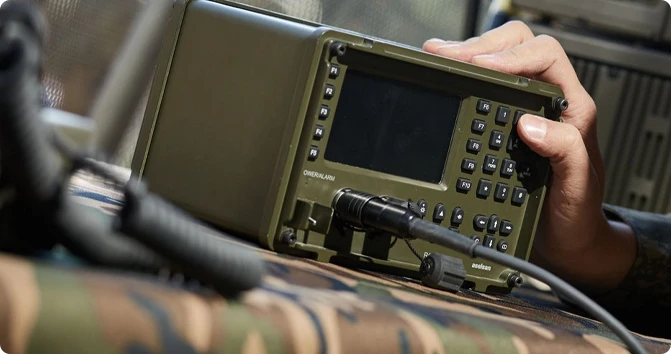
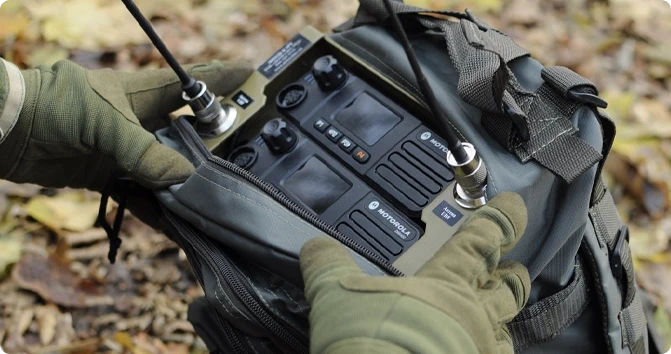
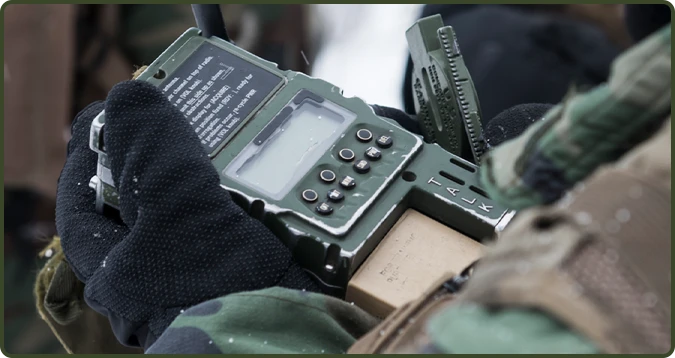
In real-world applications, detectors need to be rugged and portable. Field engineers and relief teams require devices that can shrug off dust, moisture, and rough handling while remaining lightweight. This combination makes RF detection practical anywhere—from crowded urban centers to remote mountain passes.
3. User Interface and Data Visualization
While the tech inside is sophisticated, the best RF detectors make data digestible. Clear visual displays, sometimes touchscreens, and intuitive controls mean quicker decision-making for users under pressure. Software integration for logging and analysis amplifies their usefulness.
4. Power Efficiency and Battery Life
Long battery life is a must-have, especially during extended operations when recharging isn’t an option. Many detectors employ energy-efficient components and standby modes. You don’t want your detector dying just when you’re zeroing in on a critical frequency.
5. Cost Efficiency
Budget matters. Whether it’s a small NGO or a telecommunications giant, the balance of cost and capability weighs heavily on procurement choices.
Mini Takeaway:
The ideal radio frequency detector is a blend of broad-spectrum coverage, robust design, user-friendly data tools, energy savvy, and cost-conscious engineering—tailored for diverse, and often demanding, field conditions.
Global Applications & Real-World Use Cases
- Disaster Relief: After hurricanes or earthquakes knock out traditional infrastructure, responders rely on RF detectors to locate active radio transmissions, facilitate communication, and detect unauthorized interference. In places like Haiti or the Philippines, these devices have improved coordination immensely.
- Industrial Sites: Oil rigs or remote mining operations employ RF detectors to monitor machinery communication and avoid dangerous frequency overlaps that could cause catastrophic failures.
- Security and Defense: Military operations across continents use RF detectors to find covert transmissions or potential threats, ensuring operational security and signal intelligence.
- Telecommunications: Service providers constantly scan the spectrum to optimize network performance and comply with regulations enforced by bodies like the ITU.
Advantages & Long-Term Value
The tangible benefits of radio frequency detectors ripple across both technological and human realms. Economically, they reduce downtime and costly interferences, translating into smoother operations and fewer service interruptions. Environmentally, proper monitoring prevents signal pollution, aligning with sustainable use policies for the RF spectrum.
On an emotional level, RF detectors safeguard safety and privacy—fundamental human needs in both ordinary and crisis circumstances. When a community can trust that its communications are reliable and secure, that’s a form of dignity and peace of mind that technology often promises but rarely delivers so directly.
Future Trends & Innovations
Looking ahead, the evolution of radio frequency detectors is advancing rapidly. Digital transformation and AI-enhanced smart detection promise devices that not only sense but analyze and predict harmful interference automatically. Manufacturers are also experimenting with eco-friendly materials and solar-powered units, enhancing sustainability for long-term critical missions.
Moreover, the push toward 5G and beyond introduces new frequencies and complexities, increasing demand for adaptable, high-performance detectors. In parallel, regulatory bodies are tightening spectral management, driving innovation in both hardware and software domains.
Challenges & Cutting-Edge Solutions
Despite these advances, challenges remain. Detecting ultra-wide band frequencies with accuracy often requires complex equipment, driving up costs. Interference caused by intentional jamming or natural phenomena can mask relevant signals. And oddly enough, sometimes detectors themselves must avoid causing interference.
Innovators tackle these issues through modular designs, machine learning for signal differentiation, and collaborative spectrum sharing techniques. The industry is quite vibrant, with vendors vying to balance performance, cost, and operational robustness.
Product Specification Table: Typical Radio Frequency Detector Features
| Feature | Specification | Notes |
|---|---|---|
| Frequency Range | 100 kHz – 6 GHz | Covers most wireless communication bands |
| Sensitivity | -120 dBm | Detects very low signal levels |
| Battery Life | 8–12 hours | Sufficient for full workdays or field ops |
| Display | Color LCD, Touchscreen | User-friendly data visualization |
| Weight | Approx. 450 g | Portable for field use |
Vendor Comparison Table
| Vendor | Frequency Range | Portability | Typical Price | Notable Feature |
|---|---|---|---|---|
| SpectraScan Pro | 100 kHz – 6 GHz | Lightweight handheld | $3,800 | AI-assisted signal identification |
| WaveScan 360 | 50 kHz – 3 GHz | Rugged handheld | $2,200 | Robust build for industrial use |
| SignalEye X | 200 kHz – 18 GHz | Portable with docking station | $5,100 | Extended high-frequency detection |
FAQ: Frequently Asked Questions About Radio Frequency Detectors
- How does a radio frequency detector improve safety in industrial environments?
- A radio frequency detector monitors wireless communications among machinery and sensors, identifying interference or unauthorized signals that could cause malfunctions. This ensures safe and reliable operations, reducing accident risks caused by communication failures.
- Can radio frequency detectors be used in disaster zones for search and rescue missions?
- Absolutely. These detectors pick up live transmissions or distress signals in the RF spectrum, even when conventional networks are down, enabling teams to locate survivors and coordinate efforts more efficiently.
- Are all radio frequency detectors compatible with digital communication standards?
- Not necessarily. Many modern detectors support a broad range of digital standards like Wi-Fi, LTE, and Bluetooth, but some older or specialized models may only detect analog signals. Always check compatibility based on your intended use.
- What factors influence the cost of a radio frequency detector?
- Key factors include frequency range, sensitivity, portability, user interface sophistication, and additional features such as AI-powered analysis. Higher-capability detectors naturally cost more but offer greater reliability and ease of use.
- How can organizations ensure compliance when using radio frequency detectors?
- Organizations should align their device use with regional spectrum regulations defined by authorities like the FCC or ITU. Many detectors include built-in compliance checks or software updates to keep operations legal and efficient.
Conclusion & Call to Action
Ultimately, radio frequency detectors are indispensable tools shaping the future of wireless communication management worldwide. Their blend of advanced technology and practical design delivers safety, reliability, and operational excellence—from bustling cities to remote disaster zones. Curious to explore top-tier devices and solutions? Visit our website: https://www.drone-system.com to find out more.
On a final note, it’s fascinating how these unseen waves, once inscrutable, are now trackable and manageable thanks to RF detection advancement. It sort of feels like we’ve gained a sixth sense—one that keeps our communication lifelines alive and kicking.
References

-
 09 March 2021 16 Apr 2026
 -
 09 March 2021 09 Apr 2026
 -
 09 March 2021 07 Apr 2026
 -
 09 March 2021 04 Apr 2026
 -
 09 March 2021 31 Mar 2026
-
 09 March 2021 21 May 2025
 -
 09 March 2021 25 Dec 2024
 -
 09 March 2021 14 Oct 2022
-
 09 March 2021 25 Dec 2024

 English
  Arabic
  Belarusian
  Danish
  Dutch
Dutch  French
  German
  Greek
Greek  Japanese
  Korean
  Myanmar
  Polish
  Portuguese
  Russian
  Spanish
  Swedish
  Thai
Thai  Ukrainian
  Vietnamese