

What Is an RF Frequency Detector? Global Applications, Specs & Future Trends
What Is an RF Frequency Detector & Why Does It Matter Globally?
RF frequency detectors are devices designed to detect and measure the frequency of radio signals. In a world where wireless communication underpins everything from mobile networks to satellite broadcasts, understanding and employing RF frequency detectors has become crucial. Whether in industry, security, or humanitarian missions, the ability to identify and analyze radio frequencies impacts safety, efficiency, and innovation.
But it’s not just tech enthusiasts who benefit—global organizations use these devices to maintain communication infrastructures, detect unauthorized transmissions, or even assist in disaster management. The key benefits of grasping RF frequency detectors include improved spectrum management, enhanced security measures, and the facilitation of emergency responses.
Introduction: The Global Relevance of RF Frequency Detectors
The global wireless communication market is expected to reach over $1.5 trillion by 2025, according to the International Telecommunication Union (ITU). Within this booming ecosystem, RF frequency detectors act like the unsung heroes, ensuring signals stay clean, interference is minimized, and transmissions secure. For example, in dense urban areas with overlapping signals, interference can degrade performance or cause outages; RF frequency detectors help mitigate such problems.
Additionally, in conflict zones or areas prone to disaster, unauthorized or rogue signals can hamper rescue efforts. RF frequency detectors play a pivotal role in situational awareness by identifying these signals quickly. Oddly enough, despite their critical importance, many industries still don’t fully optimize their use.
Defining RF Frequency Detectors
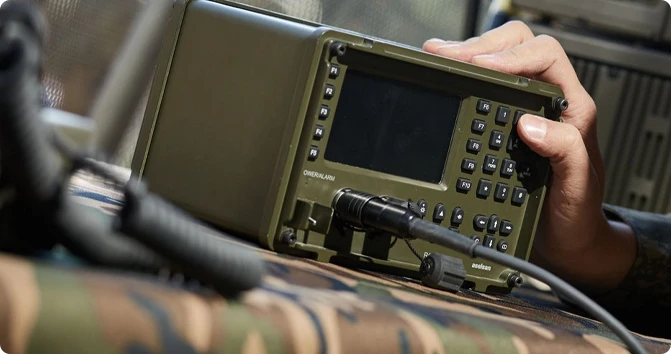
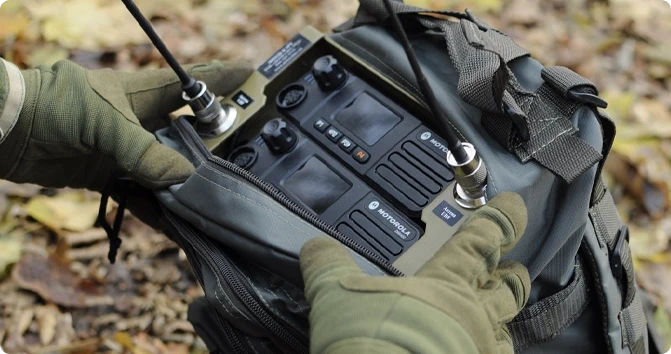
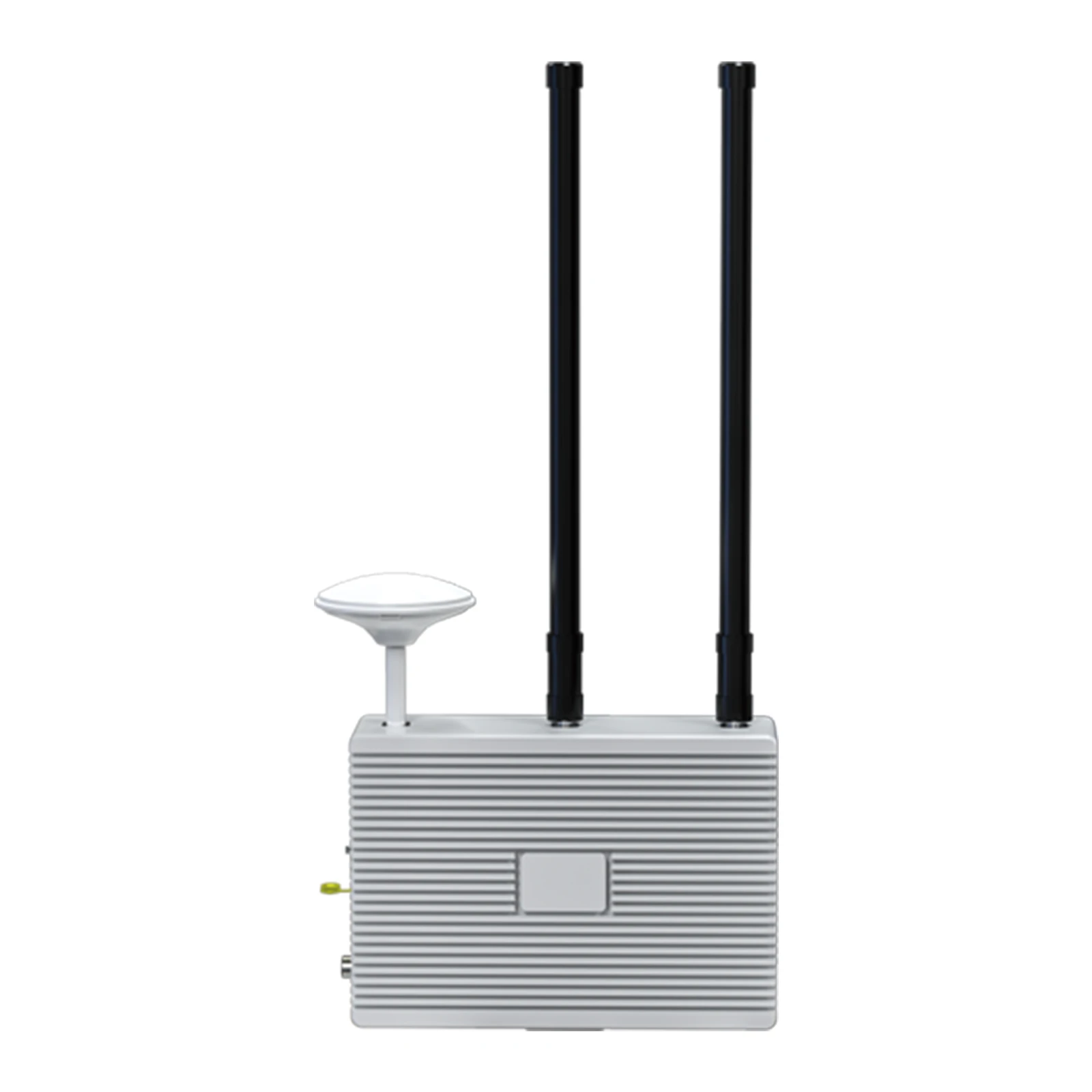
Simply put, an RF frequency detector is an electronic tool that senses the presence and measures the frequency of radio signals emitting in a specific range. These devices can be handheld or integrated into more complex systems. The core aim: to identify frequencies, monitor spectrum use, or detect signals that may affect communications.
Their connection to modern industries is vast. Telecommunications companies depend on them for network optimization; security agencies rely on them for signal intelligence; NGOs use them for overseeing communication during humanitarian missions. Without these tools? Well, wireless communication would be a tangled, unreliable mess.
Core Components & Key Factors in RF Frequency Detectors
1. Sensitivity
Sensitivity determines the weakest signal an RF frequency detector can pick up. In remote or fringe areas, where signals tend to be faint, high sensitivity is absolutely vital.
2. Frequency Range
The range over which a detector can operate matters. Some cover VHF/UHF bands only, while others extend into GHz ranges. For industries like satellite communications, covering broader or specialized bands is essential.
3. Portability & Durability
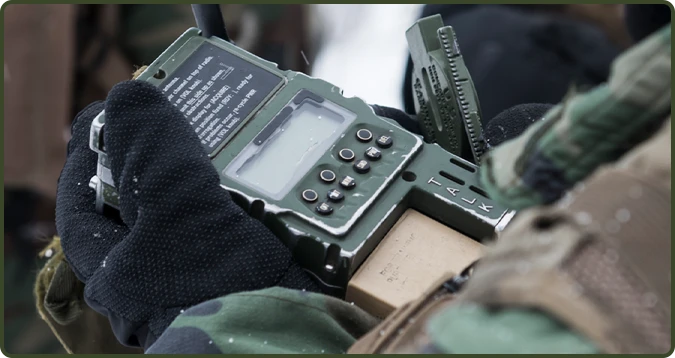
A handheld device used in disaster zones needs to survive rough handling and extreme environments. Devices with robust casings and intuitive interfaces often win the field engineers’ favor.
4. Accuracy & Resolution
The ability to accurately pinpoint frequency to fractions of a hertz can mean the difference between spotting an interference source or missing it entirely. This aspect is critical for spectrum regulators and network engineers alike.
5. Power Consumption
For fieldwork in isolated locations, battery life is non-negotiable. Efficient power management keeps the detector running longer, which is indispensable in long missions or emergencies.
Mini Takeaway:
- RF frequency detectors combine sensitivity, range, durability, accuracy, and power efficiency to serve various practical needs across industries.
Global Applications & Real-World Use Cases
RF frequency detectors span a wide range of applications worldwide:
- Telecommunications Providers use them to analyze network interference and ensure quality service.
- Military and Security Agencies rely on them for electronic intelligence and detecting unauthorized transmissions.
- Humanitarian Organizations deploy them in post-disaster zones to coordinate rescue communications effectively.
- Industrial Sectors, especially in remote areas, use RF detectors to monitor wireless sensors and control systems.
Take post-earthquake relief efforts in Japan: responders used handheld RF frequency detectors to locate survivors via their mobile phone signals, expediting rescue activities. Similarly, telecom companies in sub-Saharan Africa utilize these devices to optimize limited spectrum bands, improving connectivity reliability for millions.
Advantages and Long-Term Value
The benefits of using RF frequency detectors extend beyond mere data collection. They:
- Save Costs: By early detection of interference, companies avoid costly downtime.
- Enhance Safety: Detecting rogue signals can prevent espionage, sabotage, or accidents.
- Support Sustainability: Optimizing frequency use reduces wasted energy and interference-related retransmissions.
- Improve Social Impact: In emergencies, reliable RF detection helps maintain dignity and communication for affected populations.
On a more human level, it feels like these tools quietly contribute to safer, more connected communities, you know? They don’t just improve tech; they build trust within networks and users alike.
Product Specification Table: Typical RF Frequency Detector
| Specification | Value |
|---|---|
| Frequency Range | 100 kHz – 6 GHz |
| Sensitivity | -120 dBm |
| Accuracy | ± 0.1 Hz |
| Battery Life | Up to 8 hours |
| Weight | 450 g |
Vendor Comparison Table
| Vendor | Frequency Range | Battery Life | Durability Rating | Price Range |
|---|---|---|---|---|
| SignalScope Pro | 100 kHz–6 GHz | 8 hours | IP67 | $1,200–1,500 |
| WaveTrack X1 | 500 kHz–3 GHz | 6 hours | IP54 | $900–1,100 |
| FieldScan Ultra | 1 MHz–5 GHz | 10 hours | IP65 | $1,400–1,700 |
Future Trends & Innovations
Looking ahead, RF frequency detectors are evolving alongside emerging tech trends. One exciting development is the integration of AI algorithms for smarter signal classification — so detectors won’t just find frequencies, but instantly identify signal types and sources, minimizing human error.
Green tech is also influencing design, with manufacturers pursuing low-power chips and solar-assisted battery options. This is vital for long deployments in remote regions, aligning with sustainability goals accredited by organizations like ISO.
Moreover, digital transformation means more compact, cloud-connected detectors, allowing real-time remote monitoring and quicker decision-making. For humanitarian uses, this could mean faster, more coordinated responses.
Challenges & Their Solutions
Despite their usefulness, RF frequency detectors come with challenges. First, the spectrum congestion complicates signal identification, especially in urban environments. Some devices struggle with overlapping frequencies, causing false positives.
Second, high-quality detectors can be costly, limiting access for some users. And lastly, ruggedness varies — many detectors falter under extreme weather or rough handling.
Experts suggest modular designs as a solution, allowing users to upgrade features as needed rather than replacing entire units. Also, enhanced signal processing software can filter out noise more effectively, improving accuracy in congested areas.
FAQ: Frequently Asked Questions About RF Frequency Detectors
- What frequency ranges do typical RF frequency detectors cover?
- Most detectors cover from a few kilohertz up to several gigahertz. The exact range depends on the device model and intended application, with industrial units typically offering broader coverage.
- How portable are RF frequency detectors for field use?
- Modern handheld models weigh around 400–600 grams and are designed with rugged casings for user-friendliness in field conditions, often including rechargeable batteries lasting 6–10 hours.
- Can RF frequency detectors detect unauthorized signals in disaster zones?
- Yes, these devices can identify rogue transmissions, which is vital for maintaining communication integrity during emergency responses.
- Is training required to operate RF frequency detectors effectively?
- Basic operation is usually intuitive, especially on user-friendly models, but interpreting complex signal data may require specialized training in RF engineering or spectrum management.
- Where can I learn more about selecting the right RF frequency detector?
- Consulting technical reviews and manufacturer datasheets is a good start. Trusted sites like https://www.drone-system.com offer detailed guides and product comparisons.
Conclusion & Call to Action
To wrap this all up: RF frequency detectors play a quietly indispensable role in ensuring our wireless world stays organized, secure, and reliable. From telecom providers to emergency responders, these devices help maintain crucial lines of communication, foster trust, and drive innovation. If you’re looking to explore RF frequency detectors further, consider the practical options and expert resources available online.
Visit our website: https://www.drone-system.com to learn more about the latest in RF detection technology and solutions. Staying informed means staying connected, after all.
In real terms, these devices might seem small, but their impact is pretty massive — enabling everything from safety to digital progress in a globalized world.
References

-
 09 March 2021 16 Apr 2026
 -
 09 March 2021 09 Apr 2026
 -
 09 March 2021 07 Apr 2026
 -
 09 March 2021 04 Apr 2026
 -
 09 March 2021 31 Mar 2026
-
 09 March 2021 21 May 2025
 -
 09 March 2021 25 Dec 2024
 -
 09 March 2021 14 Oct 2022
-
 09 March 2021 25 Dec 2024

 English
  Arabic
  Belarusian
  Danish
  Dutch
Dutch  French
  German
  Greek
Greek  Japanese
  Korean
  Myanmar
  Polish
  Portuguese
  Russian
  Spanish
  Swedish
  Thai
Thai  Ukrainian
  Vietnamese